

Introduction: The Untapped Potential of Salvaged Metal
Metal is everywhere—hidden in the bones of old furniture, forgotten machinery, discarded fixtures, and even the most unassuming household objects. Yet, while wood and textiles often steal the upcycling spotlight, salvaged metal stands as one of the most versatile, durable, and inspiring materials for creative reuse. Whether you’re an eco-conscious maker, a restoration hobbyist, or simply looking to reduce your environmental footprint, understanding how to harness the unique properties of salvaged metal can open up a world of sustainable possibilities. However, working with reclaimed metal presents specific challenges, including rust, coatings, structural fatigue, and safety concerns. This comprehensive guide will equip you with essential restoration techniques, innovative project ideas, and safety best practices for transforming salvaged metal into functional art, home décor, and practical tools—all while contributing to a greener, more resourceful lifestyle.
Types of Salvaged Metal: What to Look For and Where to Find It
Common Salvaged Metals
- Steel: Ubiquitous in furniture frames, tools, pipes, and appliances. Magnetic, strong, and often prone to rust.
- Aluminum: Lightweight, corrosion-resistant, often found in window frames, bicycle parts, and kitchenware.
- Copper: Highly conductive, used in wiring, plumbing, and decorative items. Develops a green patina over time.
- Brass & Bronze: Alloys valued for their color and workability. Common in hardware, musical instruments, and ornaments.
- Iron: Cast and wrought forms found in stoves, railings, and antique machinery. Heavy, often heavily rusted.
- Tin & Zinc: Used in roofing, canisters, and decorative finishes. Tin is often encountered as a plating.
Best Sources for Salvaged Metal
- Architectural Salvage Yards: Railings, fixtures, grates, and decorative pieces.
- Scrap Metal Dealers: Offcuts, industrial leftovers, and old machinery.
- Demolition & Renovation Sites: Obtain permission; look for pipes, beams, and hardware.
- Flea Markets & Estate Sales: Tools, utensils, and household items with metal elements.
- Online Marketplaces: Search for “metal lot”, “vintage hardware”, or “industrial salvage”.
Assessing Salvaged Metal: Quality, Hazards, and Restoration Potential
Initial Inspection Checklist
- Rust & Corrosion: Surface rust can be treated; deep pitting or structural loss may limit upcycling options.
- Coatings: Look for paint, lead-based finishes (especially on pre-1978 items), and oily residues.
- Structural Integrity: Check for cracks, warping, or fatigue—especially critical for load-bearing projects.
- Previous Repairs: Welds, patches, or soldering can affect aesthetics and safety.
- Hazardous Attachments: Remove nails, screws, glass, or other materials that could complicate restoration.
Testing and Identification
- Magnet Test: Helps identify steel versus non-ferrous metals.
- Spark Test: (Advanced) Different metals produce unique spark patterns when ground.
- Patina Clues: Copper turns green, brass dulls to brown, aluminum oxidizes to a white powder.
Essential Tools & Equipment for Metal Restoration
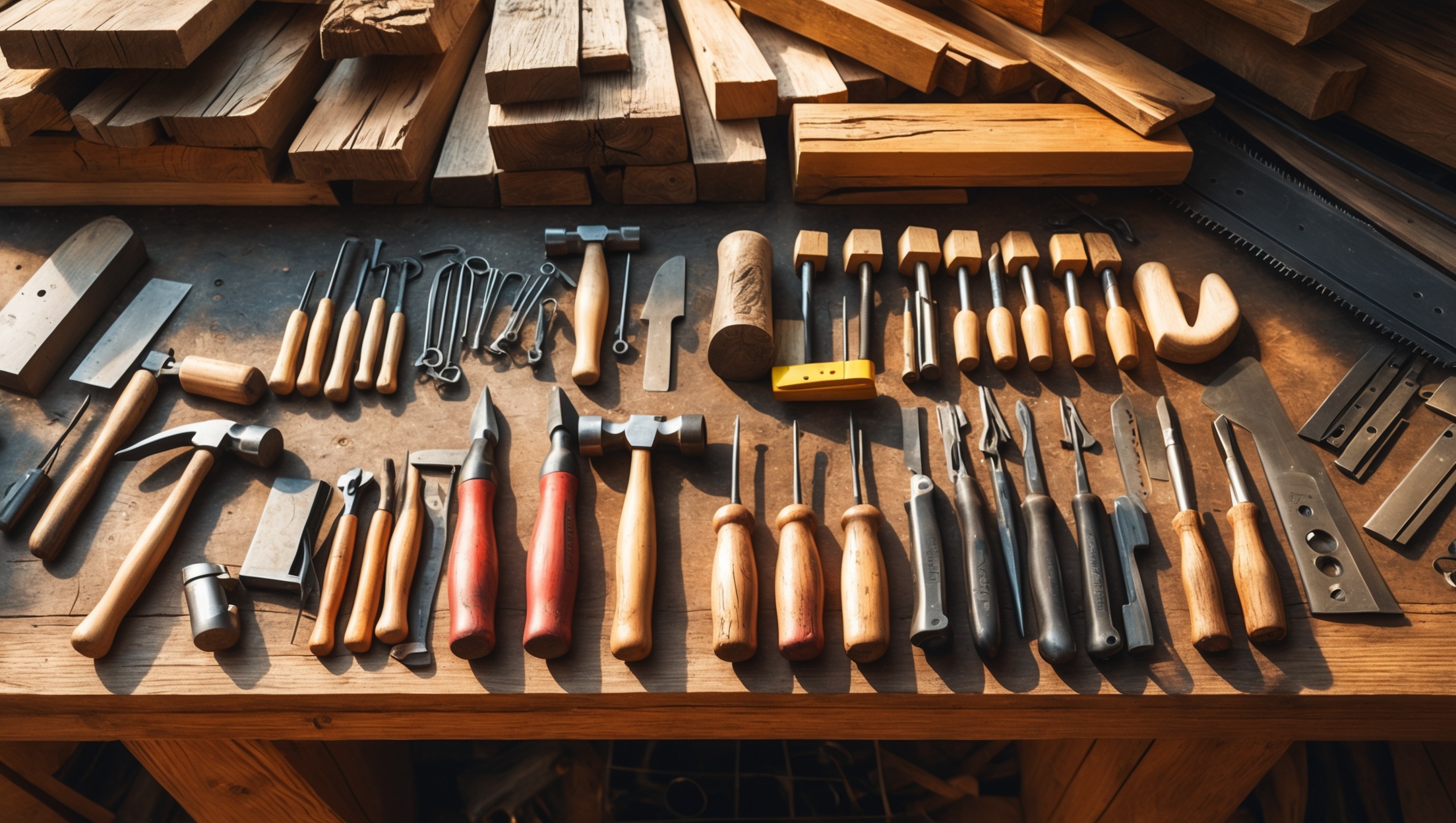
Basic Hand Tools
- Wire brushes (manual and drill-mounted)
- Scrapers and putty knives
- Files (flat and round for shaping edges)
- Hacksaw and metal snips
- Clamps for securing workpieces
Power Tools
- Angle grinder (for cutting, grinding, and wire brushing)
- Orbital sander (with coarse grit for metal)
- Drill and metal bits (for rivets, mounting, or hardware replacement)
- Bench vise for stability
Cleaning & Prep Supplies
- Rust removers (phosphoric acid, citric acid, or commercial gels)
- Degreasers (biodegradable options recommended)
- Protective gloves and safety goggles
- Drop cloths for workspace cleanliness
Finishing Materials
- Metal primers (rust-inhibiting for steel and iron)
- Paints (enamel, epoxy, or powder coating)
- Waxes or oils (for a natural finish or patina preservation)
- Clear sealers (for exposed metal projects)
Step-by-Step Metal Restoration: From Rusty Relic to Reusable Resource
1. Cleaning and Degreasing
Start by scrubbing away loose dirt and grease with a biodegradable degreaser and a stiff brush. For sticky residues, mineral spirits or citrus-based cleaners can be effective. Rinse and dry thoroughly—moisture accelerates corrosion.
2. Removing Rust and Old Finishes
- Manual Methods: Use wire brushes, steel wool, and sandpaper for light to moderate rust. Scrapers help remove flaking paint or scale.
- Chemical Rust Removal: Apply a rust remover gel or soak small parts in a citric/oxalic acid bath. Always wear gloves and work in a ventilated area.
- Power Tools: For heavy rust, use an angle grinder with a wire wheel or abrasive flap disc. Avoid overheating, which can warp thin metal.
3. Repair and Reshape
- Filling Pits: Use metal-filled epoxy putty for structural repairs. Sand flush after curing.
- Bending & Straightening: Gently bend warped metal with a mallet and block, or use a vise for leverage.
- Welding & Soldering: For advanced users, welding can join broken parts. Silver solder works for copper and brass repairs.
4. Surface Preparation
After rust removal and repair, sand the surface with progressively finer grits (80 to 220). Wipe down with a tack cloth to remove dust and ensure good paint adhesion.
5. Finishing and Protection
- Priming: Use a rust-inhibiting primer for steel and iron. For copper, brass, or aluminum, use a self-etching primer.
- Painting: Choose tough, outdoor-rated metal paints for durability. Spray application gives a smoother finish.
- Waxing/Oiling: For a natural or aged look, apply paste wax or boiled linseed oil. Buff to a soft sheen.
- Clear Sealer: Use a polyurethane or acrylic clear coat for bare metal or patina preservation.
Creative Upcycling Projects with Salvaged Metal
Functional Home Décor
- Industrial Shelving: Use steel pipes and reclaimed brackets for sturdy, vintage-style shelves.
- Table Bases: Repurpose iron machinery legs or gears as the foundation for wood or glass tabletops.
- Wall Hooks & Racks: Mount old metal tools, knobs, or pipes for unique entryway organization.
Garden and Outdoor Innovations
- Planter Holders: Transform metal buckets, mesh, or piping into durable plant stands.
- Rain Chains: Link copper or brass pieces for decorative water features.
- Outdoor Art: Combine welded metal scraps into sculptures or wind chimes.
Lighting and Fixtures
- Pendant Lights: Convert old colanders, pipes, or industrial shades into statement lighting.
- Lamp Bases: Use salvaged gears, pulleys, or valves as bases for custom table lamps.
Storage and Organization
- Magnetic Boards: Flatten sheet metal as a kitchen or office memo board.
- Tool Caddies: Weld or bolt together metal cans and rods for movable storage.
Safety Essentials: Protecting Yourself and Your Space
Personal Protective Equipment (PPE)
- Safety goggles (always when grinding or cutting)
- Heavy-duty gloves (protects against sharp edges and chemicals)
- Respirator or dust mask (especially when sanding, grinding, or using solvents)
- Apron or long sleeves (protection from sparks and splashes)
Workspace Safety
- Work in a well-ventilated area—preferably outdoors or under an extraction fan.
- Keep flammable materials away from power tools and open flames.
- Secure all workpieces tightly to prevent slipping.
- Have a fire extinguisher rated for electrical and chemical fires accessible.
Handling and Disposal
- Dispose of chemicals and old paint responsibly—never down the drain.
- Collect metal dust and shavings to avoid contamination and facilitate recycling.
Advanced Tips: Achieving a Professional Finish
Creating Patinas and Aged Effects
- Vinegar & Salt Solution: Accelerates rusting on iron for a weathered look.
- Liver of Sulfur: Darkens copper and brass for antique finishes.
- Heat Patina: Carefully torch small pieces for iridescent color changes (use extreme caution).
Joining Techniques
- Riveting: Adds vintage charm and avoids heat distortion.
- Brazing & Soldering: Ideal for non-ferrous metals and intricate work.
- Threaded Fasteners: Bolts and screws allow reversible assembly—great for modular projects.
Preserving Unique Markings
Whenever possible, retain manufacturer’s stamps, serial numbers, or distinctive marks. These details tell the story of the metal’s past life and add authenticity to your upcycled creation.
Common Salvaged Metal Pitfalls—and How to Avoid Them
- Over-Grinding: Excessive abrasion can thin or damage metal. Use the gentlest method possible.
- Improper Primer: Skipping or mismatching primer can lead to paint failure and renewed corrosion.
- Ignoring Hidden Rust: Rust inside pipes or seams can spread. Inspect thoroughly and treat all areas.
- Mixing Incompatible Metals: Galvanic corrosion occurs when certain metals touch—separate with plastic washers or coatings.
- Underestimating Weight: Salvaged metal can be heavy; ensure your project is properly supported and anchored.
Conclusion: Salvaged Metal—A Gateway to Sustainable Creativity
Salvaged metal, with its rich textures, inherent strength, and storied past, offers a virtually limitless palette for the creative upcycler. From revitalizing cast iron legs as a dramatic table base to crafting whimsical outdoor sculptures from old gears and pipes, the only real limit is your imagination. Beyond aesthetics, every piece of metal you rescue from the waste stream conserves energy, reduces resource extraction, and keeps valuable materials in use for generations. By mastering safe restoration techniques, choosing the right tools and finishes, and respecting the quirks of each alloy, you can confidently transform even the rustiest relic into a centerpiece of sustainable living.
Start small—a simple wall hook or planter holder—and gradually tackle more ambitious projects as your skill and confidence grow. Each success not only enhances your home and garden but also inspires others to see the hidden potential in what might otherwise be discarded. Salvaged metal upcycling isn’t just a hobby; it’s a statement of creativity, environmental stewardship, and resilience. So gather your gloves, fire up your imagination, and let the adventures in creative salvage begin!
When working with salvaged metals like steel or iron that are often rusted, what are some effective but affordable ways to clean and restore them without using heavy-duty equipment? I’m limited to basic tools since I live in a dorm.
You can clean rusty steel or iron with household items like white vinegar or lemon juice—just soak smaller pieces overnight, then scrub with a wire brush or steel wool. For larger items, try making a paste with baking soda and water, apply it, and scrub after a while. Always wear gloves and work in a ventilated area to stay safe.
I noticed you mentioned that rust and structural fatigue are big challenges when working with salvaged steel or iron. What methods do you recommend for assessing if a piece is structurally sound before starting a restoration project?
To assess salvaged steel or iron for restoration, start by visually inspecting for deep rust, holes, or cracks. Tap the metal lightly with a hammer; a clear ring usually indicates soundness, while dull thuds suggest internal damage. You can also use a wire brush to check for hidden weak spots. For critical projects, consider using a magnet (loss of magnetism may indicate fatigue) or consulting a professional with ultrasonic or dye penetrant testing.
I’m curious about dealing with rust on salvaged steel and iron since the article mentions these metals are often prone to corrosion. What are the safest and most effective ways to remove heavy rust without damaging the base metal, especially for someone new to metal restoration?
For heavy rust on salvaged steel or iron, start by using a wire brush or steel wool to remove loose rust. For deeper rust, apply a commercial rust remover or soak the metal in white vinegar for several hours, then scrub gently. Always wear gloves, goggles, and a mask to protect yourself from dust and fumes. Avoid harsh abrasives or power tools if you’re new, as they can damage the metal. Once cleaned, rinse thoroughly and dry to prevent further corrosion.
Could you elaborate on the different restoration techniques for removing rust from heavily corroded iron compared to lighter oxidation on steel? I’m interested in knowing if the approaches or tools recommended in your guide change based on the extent or type of corrosion.
For heavily corroded iron, more aggressive techniques like mechanical removal using wire brushes, grinders, or sandblasting are often needed, sometimes followed by chemical rust removers. With lighter oxidation on steel, gentler methods such as hand sanding, steel wool, or mild acids (like vinegar) usually suffice. The guide suggests choosing your method based on both the material and how severe the corrosion is—tougher tools and chemicals for deep rust, softer options for light surface oxidation.
You mentioned using salvaged metal for functional art and home decor projects. For someone just getting started, which type of metal would you suggest working with first in terms of ease of restoration and availability at local scrap yards?
For beginners, aluminum is a great choice. It’s lightweight, doesn’t rust, and is usually easy to find at local scrap yards as cans, window frames, or old appliances. Aluminum is also relatively easy to clean and shape with basic tools, making it ideal for getting started with functional art or home decor projects.
Could you elaborate on the safety best practices mentioned for working with heavily rusted iron or old painted metal? I’m concerned about health risks for my employees, especially when salvaging parts from demolition sites or older machinery.
When dealing with heavily rusted iron or old painted metal, key safety best practices include wearing gloves and long sleeves to prevent cuts and exposure to contaminants, as well as using N95 or higher-grade respirators to avoid inhaling dust, rust particles, or lead-based paint. Ensure work areas are well-ventilated and consider wetting surfaces before sanding to minimize airborne particles. Always test old paint for lead, and dispose of hazardous materials according to local regulations. Regularly train employees on these protocols and provide appropriate PPE to minimize health risks.
If I want to use copper or brass from old wiring and hardware for a home décor project, how can I safely strip away old coatings or patina while avoiding exposure to potentially harmful chemicals? Are there particular safety steps or tools that are especially important for these metals?
For stripping old coatings or patina from copper and brass, you can use natural methods like soaking the metal in a mixture of vinegar and salt or rubbing with lemon and baking soda—these avoid harsh chemicals. Always wear gloves and eye protection to prevent skin or eye irritation. Work in a well-ventilated area, and use non-abrasive brushes or cloths to protect the metal’s surface while cleaning.
You mentioned salvaging aluminum from things like window frames and bicycle parts—are there specific treatments or precautions for restoring aluminum compared to steel, especially when planning to use it for home décor projects?
Aluminum is softer and more prone to scratching than steel, so handle it gently during restoration. When cleaning, avoid harsh abrasives and instead use mild soap and water or a dedicated aluminum cleaner. If the aluminum is oxidized, a mixture of vinegar and water or a commercial aluminum polish can help. Unlike steel, aluminum won’t rust, but it can corrode, so a clear protective coat is recommended for décor projects, especially if exposed to moisture.
You talked about finding salvaged metal at places like architectural salvage yards and scrap dealers. If I’m on a tight student budget, which types of metal are usually the most affordable or easiest to get for beginner projects, and do you have any tips on negotiating prices?
Aluminum and mild steel are often the most affordable and widely available metals at scrap yards, making them great choices for beginner projects. Look for off-cuts or pieces with minor imperfections, as these are typically discounted. When negotiating, be polite, mention that you’re a student, and don’t hesitate to ask if they have any leftover or clearance bins. Buying in bulk or combining with friends can sometimes get you a better price as well.
When working with salvaged metals like brass or bronze for decorative projects, do you have any tips on removing old coatings or patinas without damaging the underlying metal? I’ve heard some finishes can be really stubborn.
For brass or bronze, start with gentle cleaning using mild soap and warm water to remove surface dirt. If old coatings or patinas persist, try using a soft-bristle brush and a paste of baking soda and water. For stubborn finishes, a commercial brass or bronze cleaner can help, but test it on a small spot first. Avoid harsh abrasives or steel wool, as they can scratch and damage the metal. Always wear gloves and work in a well-ventilated area to protect yourself.
When working with salvaged steel that’s already significantly rusted, are there any restoration methods that are effective but don’t require heavy-duty equipment? I’d like to attempt a small project at home, but I’m concerned about safety and the tools I might need.
For small home projects with rusty salvaged steel, you can use household items like white vinegar or lemon juice to soak and loosen rust. Scrub the metal gently with a wire brush or steel wool. Always wear gloves and a mask to protect from rust particles. After cleaning, dry the steel thoroughly and apply a rust-inhibiting primer or oil to help prevent future corrosion.
I noticed that copper develops a green patina over time. If I salvage some old copper wiring or fixtures, should I try to remove that patina for restoration, or is it better to leave it for character? Are there any safety concerns when handling patinated copper?
Whether to remove the green patina from salvaged copper depends on your project goals. Many people appreciate the patina for its unique character, while others prefer the original shine. Both options are valid. When handling patinated copper, there are generally no major safety concerns, but it’s wise to wear gloves, as old patina may contain traces of dirt or mild corrosion. Always wash your hands afterward.
You mentioned that salvaged steel is strong but often prone to rust. What are the safest and most effective methods for removing rust from steel if I plan to use it for indoor furniture projects?
To safely and effectively remove rust from salvaged steel for indoor furniture, you can use a wire brush or sandpaper to manually scrub off loose rust. For deeper rust, applying a mixture of white vinegar and water or a commercial rust remover can help dissolve it. After cleaning, rinse, dry thoroughly, and apply a rust-inhibiting primer or sealant to prevent future rusting. Always use gloves and work in a well-ventilated area for safety.
As someone who owns a small furniture repurposing business, I’m curious about the best way to handle rust on old steel frames before turning them into home décor. Are there particular restoration techniques that balance efficiency and safety, especially for pieces that were heavily rusted?
For heavily rusted steel frames, start by using a wire brush or an angle grinder with a wire wheel to remove loose rust. Follow up with a rust converter to neutralize any remaining rust, and then sand smooth. Always wear gloves, goggles, and a mask to protect yourself from dust and debris. Finish by applying a metal primer before painting or sealing to ensure durability and safety for home décor use.
Could you share some tips on safely identifying coatings or leftover paint on salvaged metals, especially when picking up items from scrap yards or architectural salvage? I am concerned about potential lead or other hazardous materials.
When examining salvaged metals, look for old, cracking, or chalky paint—these may indicate the presence of lead or other hazardous coatings, especially on items made before the 1980s. Wear gloves and a mask when handling unknown materials. Consider using lead test kits from hardware stores for a quick check. If you’re unsure, avoid sanding or disturbing the coating until it’s professionally tested or safely removed.
When looking at sources like architectural salvage yards and scrap metal dealers, how can you tell if the salvaged metal is still structurally sound enough for a load-bearing project or is best saved for decorative use? Are there specific signs or tests you recommend?
To check if salvaged metal is structurally sound for load-bearing uses, look for signs like excessive rust, deep pitting, cracks, or bends—these are red flags. For a more reliable assessment, you can perform a tap test (listening for dull sounds that may indicate hidden weakness) and, if possible, request or perform a hardness or ultrasound test. When in doubt, consult a professional to ensure safety before using salvaged metal in structural projects.
When working with salvaged steel or iron that’s heavily rusted, do you recommend any specific method for removing deep rust without compromising the structural strength of the piece? I’ve seen some folks use acid baths, but I worry about thinning the metal.
You’re right to be cautious with acid baths, as they can indeed thin the metal if overused. For heavily rusted steel or iron, mechanical methods like wire brushing, sanding, or using an angle grinder with a flap disc are generally safer for preserving structural strength. Electrolysis is another effective option—it removes rust without eating away at the base metal. Just be sure to neutralize and thoroughly dry the piece afterward to prevent future rusting.
I’m interested in sourcing aluminum from things like old window frames and kitchenware as mentioned in the article. Are there any key differences in how you recommend cleaning and prepping aluminum for new projects compared to prepping steel or copper?
When prepping aluminum from salvaged sources like window frames or kitchenware, note that aluminum is softer and more prone to scratching than steel or copper. Use non-abrasive pads and mild soap for cleaning to avoid damaging the surface. Unlike steel, aluminum doesn’t rust, but it can oxidize; a vinegar solution can help remove light oxidation. Avoid harsh chemical cleaners used for copper, as they may discolor or pit aluminum. Always ensure the metal is fully dry before working with it.
You mention copper develops a green patina over time—if I’m repurposing old copper pipes into home décor, is it better to leave the patina for the look, or should I remove it for health or safety reasons? Any tips for safe cleaning if removal is necessary?
Leaving the green patina on copper pipes is generally safe for home décor, as it is a natural oxidation layer and not harmful in display settings. If you prefer the shiny look and want to remove the patina, use a mixture of vinegar and salt or a commercial copper cleaner, wearing gloves and working in a well-ventilated area. Be sure to rinse and dry the copper thoroughly after cleaning.
When working with heavily rusted iron from old stoves or railings, what are the safest and most effective methods to remove rust without damaging any decorative details or compromising structural integrity?
To safely remove rust from ornate or structurally sensitive iron, start with gentle methods like scrubbing with a nylon brush or using fine-grade steel wool. Apply a rust remover gel or a homemade paste of vinegar and baking soda, letting it sit before wiping clean. Avoid harsh abrasives or aggressive sanding, as these can harm decorative features. For stubborn rust, consider electrolysis, which is effective but doesn’t physically abrade the metal. Always wear gloves, goggles, and work in a well-ventilated area for safety.
You mention rust and coatings as challenges when working with salvaged metal. Are there specific restoration techniques you recommend for removing rust without damaging more delicate pieces like brass or bronze ornaments?
For delicate pieces like brass or bronze ornaments, gentle rust removal methods are best. You can try soaking them in a solution of white vinegar and water, then gently scrubbing with a soft-bristled brush. For even more delicate work, use baking soda paste or fine-grade steel wool very lightly. Always rinse thoroughly and dry completely to prevent further corrosion.
I’m interested in using salvaged aluminum for a home décor project, but how can I tell if a piece is actually aluminum versus something like steel or tin, especially if it’s already painted or dirty?
To identify salvaged aluminum, try a magnet—aluminum is not magnetic, while steel and tin usually are. If there’s paint or dirt, scratch a small area to reveal the metal underneath; aluminum is silvery and lighter in color. Aluminum also feels lighter in your hand compared to steel. For a quick check, you can tap it: aluminum makes a duller sound, while steel rings more.
Could you share any tips for safely cutting and shaping thick steel from scrap appliances, especially if I only have access to basic tools? I’m curious about which approach minimizes risk for a beginner working on small home décor projects.
For cutting and shaping thick steel with basic tools, use a good-quality hacksaw or an angle grinder with a cutting disc. Always secure the steel firmly in a vise or with clamps before cutting. Wear safety glasses, gloves, and hearing protection. Take slow, steady strokes; don’t rush. For shaping edges, use a metal file to smooth any sharp areas. Avoid power tools if you’re unfamiliar, and work in a well-ventilated space away from flammable materials.
I work with a lot of old steel furniture frames, and rust is always an issue. What restoration techniques would you recommend for removing rust while making sure the underlying metal doesn’t lose its strength or structural integrity?
For old steel furniture frames, start by using a wire brush or sandpaper to manually remove surface rust. For more stubborn rust, a rust remover gel or a vinegar soak can help without being too harsh. After cleaning, rinse thoroughly, let the frames dry completely, and apply a rust-inhibiting primer before painting or sealing. Avoid aggressive grinding, as it may thin the metal and weaken the structure.
When you mention the structural fatigue that can come with salvaged metal, are there specific techniques or tools recommended for assessing whether a piece is still safe to use for projects like furniture or tools?
To assess structural fatigue in salvaged metal, you can use visual inspection to look for cracks, rust, or warping, and a hammer tap test to listen for clear ringing sounds versus dull thuds, which can indicate hidden damage. For more precise checks, magnetic particle testing or dye penetrant testing are useful for detecting surface cracks. If you’re working on load-bearing projects, a professional assessment or non-destructive testing tools like ultrasonic thickness gauges can provide added safety assurance.
You mentioned structural fatigue as one of the challenges with salvaged metal. How can you tell if a piece of old metal is too worn out or unsafe to use for something like a furniture restoration project?
To assess salvaged metal for structural fatigue, closely inspect it for visible cracks, deep rust, pitting, or areas that feel unusually thin or brittle. Try gently flexing or tapping the metal—if it feels weak, bends easily, or gives off a dull sound, it may be compromised. For critical pieces, consider consulting a professional or using simple load tests to ensure safety before using it in furniture restoration.
I noticed you mentioned structural fatigue as one of the challenges when working with salvaged metal. How can someone tell if a piece of metal from, say, an old appliance or railing is still structurally sound enough for a new project?
To check if salvaged metal is still structurally sound, inspect it for cracks, deep rust, warping, or areas that seem thin or brittle. Tap the metal gently; a dull sound might indicate hidden weakness. For critical loads, consider having the metal tested by a professional or using non-destructive testing methods like dye penetrant or magnetic particle inspection to detect flaws below the surface.
When working with salvaged steel, is there a recommended method for removing heavy rust without damaging the underlying metal too much? I found an old furniture frame that’s pretty corroded and I’m worried about weakening it further during cleaning.
For heavy rust on salvaged steel, soaking the piece in a solution of white vinegar or using a commercial rust remover can help loosen rust without aggressively abrading the metal. After soaking, use a stiff nylon brush or fine steel wool to gently scrub away the rust. Avoid aggressive power tools or harsh abrasives, as they can thin out or damage the metal. Always rinse and dry the steel thoroughly afterward to prevent new rust.
When working with salvaged steel or iron that’s already heavily rusted, what are the safest methods for removing all that corrosion without damaging the underlying metal or risking exposure to hazardous materials?
For heavily rusted steel or iron, mechanical methods like wire brushing or sanding are safe if done gently to avoid gouging the metal. Soaking parts in a solution of white vinegar or using a commercial rust remover can help dissolve rust without harsh abrasives. Always wear gloves, eye protection, and a mask, especially if there’s any chance of old coatings containing lead or other toxins. Work in a well-ventilated area to minimize inhaling dust or fumes.
When trying to restore heavily rusted iron pieces like old stoves or railings, how do you decide if the rust is just surface level or if the metal is too far gone to be safely reused? Are there specific signs you look for before investing time in restoration?
To judge if rusted iron is restorable, start by gently tapping the surface with a hammer or screwdriver—deep, flaking, or brittle areas usually mean significant damage. Surface rust looks like a thin, even layer that can be sanded off. If the metal feels soft, crumbles, or has holes after scraping, it’s likely too far gone. Also, check if the structural integrity is compromised; if so, restoration might not be safe.
When working with salvaged steel that’s pretty rusty, how do you decide whether it’s still strong enough for making furniture or if it’s too weakened by corrosion? Are there beginner-friendly ways to check structural integrity before starting a project?
To check if salvaged steel is still suitable, start by scraping off loose rust to see the underlying metal. Look for deep pitting, holes, or thin spots—these are signs the metal may be too compromised for furniture. If the steel feels solid and doesn’t flex easily when pressed, it’s more likely to be sound. For added confidence, you can gently tap it with a hammer; a clear ringing sound usually means the metal is sturdy, while a dull thud may indicate weak spots.
When picking between salvaged aluminum and steel for making home decor items, how do their restoration methods differ? Is one generally easier or safer to work with for someone completely new to metal projects?
Aluminum and steel each have their advantages for home decor projects. Aluminum is generally easier for beginners because it’s lightweight, resists rust naturally, and is simple to clean—usually just requiring scrubbing and mild cleaners. Steel can be heavier and may have rust that needs to be removed with special rust removers or sanding, which takes extra effort and safety gear. For safety and simplicity, most newcomers find aluminum simpler to restore and handle.
I noticed you mentioned copper and its green patina—are there any safe and easy ways to clean copper salvaged from old wiring or plumbing if I want to use it for a school project with my kids?
Yes, you can safely clean salvaged copper with simple household items. Mix equal parts vinegar and salt to make a paste, then gently rub it onto the copper with a soft cloth or sponge. Rinse with warm water and dry thoroughly. This method works well and is safe for kids to help with, as long as you supervise and avoid harsh chemicals.
I noticed you mentioned salvaging metal from architectural yards and scrap dealers. For beginners, is there a certain type of salvaged metal, like aluminum versus iron, that’s generally easier and safer to work with for small DIY restoration projects?
For beginners, aluminum is usually easier and safer to work with than iron. Aluminum is lightweight, resists rust, and can often be cut or shaped using basic hand tools. Iron, especially cast iron, is much heavier, harder to cut, and can rust quickly if not properly treated. Starting with aluminum for small DIY restoration projects is a good choice while you build skills and confidence.
I’m interested in using salvaged copper from old wiring for decorative projects, but I’m not sure about the safest way to strip insulation and remove any residues. Do you have recommendations for beginner-friendly techniques or tools that avoid damaging the copper?
For beginners, using a simple wire stripper tool is an effective and safe way to remove insulation from copper wiring without damaging the metal. Choose an adjustable stripper sized for your wire gauge. For stubborn insulation, gently scoring it with a utility knife (while wearing heavy gloves) works too, but take care to avoid nicking the copper. To remove any sticky residue, wipe the wire with a cloth dampened with rubbing alcohol. Always wear protective gloves and safety glasses during the process.
I’m interested in trying some home décor projects with salvaged metal, but I’m a bit concerned about safely removing old coatings or possible lead paint from items like furniture frames or pipes. Could you share some beginner-friendly methods or precautions for dealing with potentially hazardous coatings?
When working with salvaged metal, especially if there’s a chance of lead paint, safety is key. Always wear gloves, safety goggles, and a mask rated for lead dust. Work outdoors or in a well-ventilated area. Wet sanding helps reduce dust, but avoid using heat or dry sanding, as these can release harmful particles. Consider using a chemical paint stripper labeled safe for lead paint, and carefully dispose of all waste. If you’re unsure, testing kits for lead are available at hardware stores.
I have some old kitchenware that I think is aluminum, but I’m not totally sure how to tell for certain. Are there specific tests or signs I should look for to properly identify aluminum versus, say, tin or steel when salvaging metal at home?
To identify aluminum, check if the item is lightweight and doesn’t attract a magnet—aluminum is non-magnetic, while steel is magnetic. Aluminum also won’t rust, but it can dull or develop a white powdery surface. Tap it gently; aluminum tends to produce a duller sound compared to the ring of steel. Tinware is usually coated steel and will be magnetic too. These clues should help you distinguish between them.
When salvaging old steel that has a fair amount of rust, what’s the safest way to remove it without damaging the original structure, especially if I’m aiming to repurpose it for furniture? Are there chemical removers you’d recommend, or is mechanical cleaning better for structural integrity?
For repurposing old steel into furniture, start with gentle mechanical cleaning like wire brushing or sanding, which helps remove surface rust without taking away too much material. Avoid aggressive grinding that could thin the steel. If rust is stubborn, try a mild phosphoric acid-based rust remover; just be sure to follow safety precautions and rinse thoroughly afterward. Test on a small area first to ensure it won’t harm the steel’s integrity.
If I find a piece of salvaged metal that’s heavily rusted, especially something like wrought iron from an old railing, what’s the safest and most effective method to restore it to a usable state for a DIY project?
Start by wearing gloves, goggles, and a mask to protect yourself from rust and debris. Use a wire brush or a drill with a wire wheel to remove loose rust. For heavier rust, apply a rust remover or soak the metal in a vinegar bath, then scrub it again. Rinse thoroughly, dry completely, and finish with a rust-inhibiting primer before painting or sealing. This process will help restore the metal safely and make it usable for your project.
I’m interested in using salvaged copper for some home décor projects, but I’m concerned about the green patina mentioned in the article. Are there specific restoration techniques that can prevent or control that patina if I want a cleaner look?
You can definitely keep salvaged copper looking cleaner by managing the patina. The article suggests using a mixture of vinegar and salt to remove existing green patina, then thoroughly rinsing and drying the copper. To prevent future patina, you can apply a clear lacquer or specialized metal sealant after cleaning. Regularly dusting and wiping the copper will also help maintain its shine and slow down oxidation.
When looking through scrap metal dealers for aluminum or copper, how can I tell if the pieces are still structurally sound enough for something like a kitchen shelf or lamp? Are there signs I should watch out for to avoid weak or damaged metal?
When checking scrap aluminum or copper for projects like shelves or lamps, look for uniform thickness, absence of deep corrosion, and no signs of bending or warping. Avoid pieces with cracks, heavy pitting, or flaking, as these can mean the metal is weakened. Try gently flexing the metal—if it feels brittle or makes cracking sounds, it’s best to pass. Surface scratches are usually okay, but structural flaws should be avoided.
I’m new to working with salvaged metal and I noticed you mentioned coatings as one of the challenges. How can I tell if a piece of old metal has a hazardous coating, like lead paint, and what’s the safest way to remove it?
To check for hazardous coatings like lead paint, look for thick, cracking, or chalky layers, which are common with older paints. A simple lead test kit from a hardware store can help confirm if lead is present. For safe removal, always wear gloves, goggles, and a certified respirator, and work in a well-ventilated area. Avoid sanding or dry scraping, as this spreads dust; instead, use chemical paint removers designed for lead paint and carefully follow all safety instructions.
You mentioned finding copper and brass at architectural salvage yards and scrap dealers. How can I tell the difference between brass and bronze when I’m sourcing pieces, and does it affect which restoration methods I should use?
Brass and bronze can look similar but have key differences. Brass usually has a yellowish tone, while bronze tends to be more reddish-brown. Brass is mostly copper and zinc, and bronze is mostly copper and tin. For restoration, brass is softer and polishes easily, but bronze is harder and may require gentler cleaning to avoid scratches. Always test cleaners on a small area first, as some chemicals can react differently with each metal.
You mentioned that salvaged steel is really common but also tends to rust easily. Are there specific restoration methods you’d recommend for removing heavy rust without damaging the underlying metal, especially for older pieces like furniture frames?
For heavy rust on older steel pieces like furniture frames, start with a wire brush or steel wool to remove loose rust. For deeper rust, consider using a rust remover gel or a vinegar soak, which can dissolve rust without harsh abrasion. After cleaning, rinse and thoroughly dry the metal, then apply a rust-inhibiting primer or sealant to protect it. Always test methods on a small area first to make sure the original metal isn’t harmed.
You mentioned structural fatigue as a challenge with salvaged metal—how can I tell if a metal piece from a scrap dealer or salvage yard is still strong enough for something like a small furniture repair, especially if it’s older or partly rusted?
To check if salvaged metal is strong enough, look for visible cracks, deep pitting, or bends that don’t spring back, which all signal possible fatigue. Try gently tapping the metal—clear ringing usually means better integrity, while dull thuds can indicate hidden weakness. For rust, surface rust can be sanded off, but deep rust that flakes or crumbles suggests structural loss. When in doubt, avoid using questionable pieces for load-bearing repairs.
When looking for salvaged metal at architectural salvage yards or scrap dealers, how do you make sure you’re picking pieces that are safe to use and not too far gone with rust or structural fatigue? Are there any quick tests you recommend before bringing metal home?
When choosing salvaged metal, inspect for deep pitting, flaking, or cracks—these are signs of advanced rust or fatigue and should be avoided. Tap the metal with a hammer; a clear ringing sound usually means it’s solid, while a dull thud can indicate internal damage. Also, avoid pieces with sharp burrs or heavy corrosion. Bringing a magnet can help you quickly identify ferrous metals, which behave differently during restoration.
When working with heavily rusted iron from old stoves or railings, is it better to mechanically remove the rust or use chemical treatments first? I’m curious which approach tends to preserve more of the original detail without damaging the underlying structure.
For heavily rusted iron with intricate details, starting with chemical rust removers like phosphoric acid or specialized gels is often gentler on original features compared to aggressive mechanical methods. Use soft brushes to assist the process. Reserve mechanical removal, like sanding or wire brushing, for stubborn spots and always start with the least abrasive tool. This approach helps preserve more of the underlying structure and detail.
When sourcing salvaged metal from architectural salvage yards versus scrap metal dealers, what are the main pros and cons in terms of quality, price, and potential safety issues for a small business looking to reuse materials?
Architectural salvage yards usually offer higher-quality and more unique metal pieces, often with some historical or decorative value, but prices are typically higher. Scrap metal dealers are more affordable and offer a wider range of raw materials, though quality and consistency can vary. In terms of safety, salvage yards may pre-screen for hazards like lead paint or sharp edges, while scrap dealers may not, so extra caution and inspection are needed when buying from them.
You mention that copper develops a green patina over time. If I want to restore a salvaged copper item to its original look instead of keeping the patina, what’s the safest method to remove it without damaging the metal?
To safely remove the green patina from copper without damaging the metal, use a paste made from equal parts white vinegar, flour, and salt. Gently rub it onto the surface with a soft cloth, let it sit for 15–30 minutes, then rinse thoroughly with warm water and dry. Avoid abrasive pads or harsh chemicals, as these can scratch or harm the copper.
I’m new to working with salvaged metal and am most interested in pieces from architectural salvage yards, like old railings and fixtures. How can I tell if these are still structurally sound enough for home projects, or are there signs that mean I should pass them up?
When choosing architectural salvage pieces, check for deep rust, pitting, or cracks, especially around joints or welds. Tap the metal—solid parts sound clearer, while weakened areas sound dull. If a piece flexes easily or shows obvious damage, it might not be safe for structural use. Surface rust can often be cleaned, but avoid anything with extensive corrosion or missing sections.
You mentioned salvaged metal from places like demolition sites and scrap dealers—does the type of metal I find in those places affect how easy it is to clean and restore? For someone without a lot of tools, which kind of salvaged metal would be easiest for small home décor projects?
Yes, the type of salvaged metal definitely affects how easy it is to clean and restore. For someone with limited tools, aluminum and brass are usually easier to work with—they don’t rust like steel, and surface grime can often be removed with just soap, water, and a soft brush. Avoid heavily rusted iron or thick steel, which often need more intense cleaning and tools. Small pieces of copper can also be a good choice for simple home décor projects.
I’ve found a bunch of old metal pipes and some window frames at a local salvage yard, but I’m not sure if I should be worried about coatings like lead paint or other hazardous stuff when restoring them. Are there common tests or precautions I should take before I start cleaning or cutting these materials?
It’s wise to be cautious with salvaged materials. Older metal pipes and window frames may have lead-based paint or other hazardous coatings. Before working on them, you can use store-bought lead test kits to check for lead paint. Always wear gloves, a dust mask or respirator, and eye protection when handling or cleaning. If you’re unsure about any coating, avoid sanding or heating it, as that can release harmful particles. Consider consulting a professional if you suspect hazardous materials.
I see that copper and aluminum have different uses and properties. For someone new to salvaged metal projects, which of these metals would be easier to work with for home décor, especially considering availability and beginner safety concerns?
Aluminum is generally easier for beginners to work with in home décor projects. It’s lightweight, more readily available from items like cans and old frames, and doesn’t require special tools to cut or shape. Copper is softer but can be pricier and sometimes requires more caution to avoid sharp edges. For safety and ease, starting with aluminum is a good choice.
You mentioned that copper develops a green patina over time. If I want to keep the original copper color for a home decor project, what’s the best way to prevent or slow down that patina from forming?
To maintain copper’s original color, you’ll want to clean it thoroughly to remove any fingerprints or oils, then apply a clear protective coating. Products like clear lacquer, specialized copper sealants, or even microcrystalline wax can be used to seal the surface. Make sure the copper is dry before applying, and reapply the coating as needed to ensure continued protection.
Could you elaborate a bit on handling coatings or finishes that might be on salvaged metals, especially when the original use is unknown? I sometimes find old machine parts and am concerned about potential hazards or how best to safely prep these for home décor projects.
When the origin of a salvaged metal’s coating is unknown, it’s important to work cautiously, as some finishes may contain lead, cadmium, or other hazardous substances. Always wear gloves, a mask rated for fumes or dust, and work in a well-ventilated area. Consider stripping old finishes using a chemical stripper or by sanding, but avoid generating dust if lead paint is suspected. Once stripped, clean the metal thoroughly before applying new, safe finishes for your décor project.
Can you offer any tips for dealing with old coatings or paint on salvaged copper or brass? I want to make sure I remove them safely without damaging the metal or risking exposure to harmful chemicals.
For old coatings or paint on salvaged copper or brass, start by gently scraping off loose material with a plastic scraper. Avoid harsh abrasives that could scratch the metal. Soak the piece in a solution of hot, soapy water to loosen stubborn coatings. For tougher finishes, use a citrus-based paint remover labeled safe for metals, and always wear gloves and work in a well-ventilated area. Rinse thoroughly and dry after cleaning to prevent tarnish.
I see you mentioned aluminum is lightweight and corrosion-resistant compared to steel, but is it any harder to work with if I want to turn old window frames into home decor? Are there certain tools or steps I should be aware of before starting a project with salvaged aluminum?
Aluminum is softer and lighter than steel, which usually makes it easier to cut and shape—perfect for home decor projects. However, aluminum can scratch or dent more easily, so handle it gently. For best results, use fine-toothed saws or metal snips, and smooth edges with a file or sandpaper. It’s a good idea to wear gloves to avoid sharp edges, and pre-drill holes if you’re screwing pieces together, since aluminum can crack under too much pressure.
Could you share some tips on sourcing salvaged copper safely? I know it’s often found in old wiring and plumbing, but are there common hazards or extra steps to consider when repurposing copper compared to working with steel or aluminum?
When sourcing salvaged copper, always check for insulation, coatings, or chemical residues, especially with old wiring and plumbing. Watch for sharp edges and potential lead solder in older pipes. Unlike steel or aluminum, copper conducts electricity extremely well, so ensure it’s fully disconnected and not live. Wear gloves and goggles to protect against cuts and debris. Also, be aware of local regulations—copper theft is an issue, so ensure your sources are legal and reputable.
You mention that salvaged steel is often prone to rust, especially when sourced from furniture frames or pipes. Are there particular rust removal methods you recommend for heavily corroded pieces, and how do you determine if the steel is still structurally sound after cleaning?
For heavily rusted steel, abrasive methods like wire brushing, sanding, or using a grinder work well, especially for thick corrosion. Chemical rust removers or vinegar soaks are effective for tough spots. After cleaning, inspect the steel for deep pitting, thinning, or holes—these are signs the structure may be compromised. If the metal feels soft or bends easily under pressure, it’s best not to use it for load-bearing projects.
In your experience, which is easier to repurpose into functional art—aluminum from bicycle parts or copper wiring and plumbing? I’m weighing the costs and safety requirements for each in a small business setting and would love any insight on the pros and cons.
Both aluminum bicycle parts and copper wiring have their strengths. Aluminum is lightweight, rust-resistant, and easy to shape, making it user-friendly for beginners. However, cutting and joining aluminum can require specific tools. Copper is softer and simple to bend, and it has a beautiful finish, but it’s more expensive and requires careful handling to avoid sharp edges and chemical exposure. For a small business, aluminum tends to be safer and more budget-friendly, but copper is excellent for detailed, decorative pieces if you factor in extra safety measures.
When working with heavily rusted cast iron pieces from demolition sites, do you have any recommendations for removing rust without damaging fine details or the underlying metal? I am especially interested in techniques that can be done at home without specialized equipment.
To remove rust from detailed cast iron at home, try soaking the pieces in a mixture of white vinegar and water for several hours, then gently scrubbing with a soft brush or fine steel wool. Baking soda paste can help neutralize the acid afterward. Avoid harsh abrasives or wire wheels, which could damage intricate details. Always dry thoroughly to prevent new rust.