
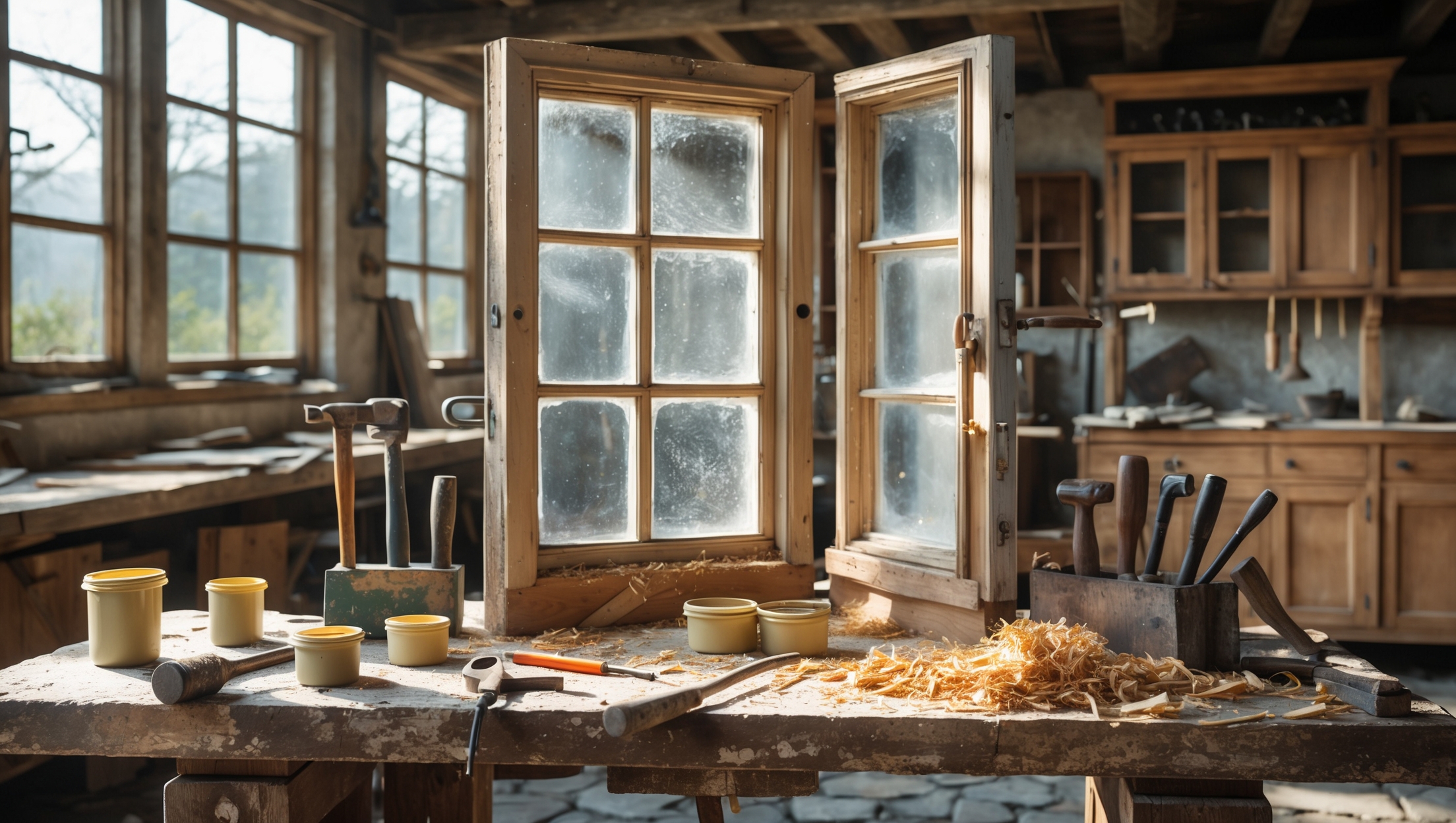
Introduction: Reviving Salvaged Windows for Sustainable Living
Salvaged windows are more than just architectural relics—they are tangible links to craftsmanship, material quality, and the environmental benefits of reuse. Whether you’ve rescued a set of wavy-glass sashes from a demolition site, or you’re inheriting a home with original windows in need of care, restoration offers a unique blend of sustainability and historic charm. Yet, tackling window restoration can seem daunting. From dealing with old paint and fragile glass to energy efficiency concerns, many homeowners and DIY upcyclers hesitate to take on these beautiful but battered components.
This in-depth guide will demystify the process of restoring salvaged windows, offering step-by-step techniques, glazing tips, and practical advice to help you bring vintage windows back to life. You’ll discover how to evaluate condition, repair wood rot, handle lead paint safely, reglaze panes, upgrade for insulation, and preserve the unique character that makes old windows such a treasure in sustainable living. Whether you’re aiming for period-accurate detail or a creative, upcycled twist, these restoration methods will empower you to save money, reduce waste, and add lasting value to your home or creative salvage project.
Evaluating Salvaged Windows: What’s Worth Restoring?
Assessing Window Condition
Begin by inspecting your salvaged windows for:
- Structural Integrity: Check frames and sashes for warping, cracks, or rot, especially at corners and joints.
- Glass Condition: Look for cracks, chips, or missing panes. Original wavy glass adds value, but replacements are possible.
- Paint and Finish: Flaking, peeling, or multiple layers may indicate lead paint or moisture problems.
- Hardware: Note missing or rusted latches, pulleys, and sash cords; restoration or replacement may be needed.
If the wood is mostly sound, the glass is salvageable, and the sashes are intact (even if loose or painted shut), restoration is almost always worthwhile.
When to Salvage, When to Scrap
- Beyond Repair: Sashes with extensive rot, severe warping, or missing large sections of wood may cost more to restore than to rebuild or replace.
- Custom Needs: Unusually sized or shaped windows may justify extra effort for historic accuracy or unique upcycling projects.
Safety First: Lead Paint and Glass Handling
Lead Paint Hazards
Windows painted before 1978 likely contain lead. Protect yourself by:
- Wearing a certified respirator (NIOSH-approved) and gloves.
- Using wet methods (damp rags, scrapers) to minimize dust.
- Setting up plastic sheeting to contain debris.
- Disposing of chips and dust according to local hazardous waste protocols.
For large jobs or heavy lead contamination, consult a professional abatement service.
Safe Glass Removal
- Wear safety glasses and cut-resistant gloves.
- Score glazing putty with a utility knife before prying it out.
- Work slowly to avoid breaking old, brittle glass.
- Have a cardboard box or padded surface ready for removed glass panes.
Dismantling and Cleaning Salvaged Windows
Removing Sashes from Frames
- Carefully cut through layers of paint along seams with a putty knife.
- Use a flat pry bar to gently loosen sashes from the frame.
- Label each sash and frame for easy reassembly, especially for multi-light or multi-sash windows.
Cleaning and Stripping
- Remove all hardware and set aside for cleaning or replacement.
- Use a gentle paint stripper for stubborn coatings, following all safety guidelines.
- Scrub wood with a mild soap and water solution; avoid soaking, which can swell joints.
- Let all pieces dry thoroughly before proceeding.
Repairing Sashes and Frames: Woodwork Techniques
Fixing Cracks and Splits
For minor cracks or splits:
- Inject wood glue into the crack using a syringe or fine nozzle.
- Clamp the sash or frame until the glue sets (typically overnight).
- Lightly sand the repaired area before refinishing.
Dealing with Wood Rot
- Excavate all soft, damaged wood with a chisel or screwdriver.
- Treat the affected area with a liquid wood hardener to stabilize remaining fibers.
- Fill voids with an epoxy wood filler, sculpting to match the original profile.
- Allow to cure, then sand smooth for painting or staining.
Replacing Missing or Broken Parts
- Mill replacement muntins, rails, or stiles from rot-resistant wood (fir, pine, or cedar).
- Use wood joinery (dowels, mortise and tenon) for stronger, longer-lasting repairs.
- Secure pieces with waterproof glue and finish nails where appropriate.
Glass and Glazing: The Heart of Window Restoration
Reglazing Techniques
Reglazing rejuvenates both appearance and weather resistance. Steps include:
- Remove old glazing putty with a putty knife or specialized scraper.
- Gently lift out the glass pane. Clean and set aside.
- Scrape out debris and apply a thin bead of linseed oil putty or modern glazing compound to the rebate (groove).
- Press glass into place, ensuring even contact.
- Insert new glazing points (small metal tabs) every 6-8 inches to secure the pane.
- Apply a smooth, angled bead of glazing putty to seal the edges. Use a putty knife for a crisp finish.
- Allow the putty to skin over (typically 7–14 days) before painting.
Dealing with Broken or Missing Panes
- Measure carefully for replacements; vintage windows often vary by a fraction of an inch.
- Order glass to size—restoration glass (wavy) is available from specialty suppliers if you want period authenticity.
- In a pinch, clear acrylic can substitute, but will lack the historic look and scratch more easily.
Creative Upcycling Ideas for Salvaged Panes
- Turn multi-light sashes into decorative interior dividers or picture frames.
- Use single-pane sashes as custom chalkboards (apply chalkboard paint on one side of the glass).
- Install salvaged windows in garden sheds or greenhouses for a whimsical, sunlit effect.
Improving Energy Efficiency Without Compromising Character
Weatherstripping and Draft-Proofing
- Install adhesive-backed foam or V-seal weatherstripping along meeting rails and sashes.
- Consider bronze spring weatherstripping for a more durable, period-appropriate option.
- Seal gaps between sash and sill with removable caulk during colder months.
Adding Storm Windows
- Interior or exterior storm windows offer a significant boost to insulation while preserving the original windows.
- Choose wood-framed storms for historic homes or low-profile aluminum for less visible installations.
- DIY options: Build custom storms from salvaged glass and screen framing.
Low-Impact Glazing Upgrades
- Apply heat-shrink window film on the interior during winter for a temporary insulation boost.
- Consider low-E (low emissivity) coatings applied by professionals to existing glass for improved performance.
Refinishing: Paints, Stains, and Period-Appropriate Touches
Priming and Painting
- After repairs and glazing, prime all bare wood with an oil-based or high-quality latex primer.
- Use exterior-grade paint for long-lasting protection; light colors reflect more heat and resist fading.
- Paint slightly onto the glass (about 1/16″) to seal the glazing putty edge against moisture.
Staining and Clear Finishes
- For a natural look, apply a penetrating stain followed by spar varnish or marine-grade polyurethane.
- Multiple thin coats provide the best protection, sanding lightly between layers.
Historic Hardware: Restoration and Reuse
- Soak paint-caked hardware in a crockpot with water and mild detergent overnight; scrub clean with a brush.
- Polish brass, bronze, or steel components, or leave patina for an antique look.
- Replace missing sash locks, lifts, or pulleys with salvaged or reproduction parts for authenticity.
Reinstallation: Ensuring Smooth Operation and Longevity
Rehanging Sashes
- Replace or repair sash cords and counterweights as needed.
- Lubricate pulleys and moving parts with a silicone-based spray or beeswax.
- Check for smooth, balanced operation before final sealing and trim work.
Final Sealing and Trimming
- Caulk around the exterior of the frame to block water intrusion.
- Install interior and exterior trim as desired; reuse original moldings whenever possible for historic continuity.
Creative Upcycling Inspiration: Beyond Traditional Restoration
Room Dividers and Art Installations
- Repurpose large salvaged windows as room dividers to let light pass between spaces while adding vintage character.
- Use multi-pane sashes as frameworks for pressed flowers, wallpaper samples, or stained glass inserts.
Greenhouse and Garden Uses
- Assemble mismatched sashes into a DIY greenhouse, cold frame, or potting shed for a truly upcycled garden feature.
- Create decorative garden mirrors by replacing glass with mirrored panes and mounting outdoors.
Maintenance Best Practices for Restored Windows
Annual Inspection Checklist
- Check for peeling paint, cracked glazing, or loose putty—touch up as needed to prevent moisture infiltration.
- Ensure all hardware operates smoothly; lubricate and tighten as needed.
- Inspect weatherstripping for wear and replace if necessary.
Seasonal Upkeep
- Clean glass with a mild, non-abrasive cleaner; avoid harsh chemicals that damage putty or finish.
- During winter, check for drafts and add temporary caulking or window film if needed.
Conclusion: The Sustainable Rewards of Window Restoration
Restoring salvaged windows is a hands-on way to preserve history, save resources, and infuse your home with authentic character. While the process may appear intricate, each step—from careful dismantling and wood repair to glazing and refinishing—builds both your skillset and a deeper appreciation for quality craftsmanship. You’ll not only keep valuable materials out of the landfill but also enjoy functional, beautiful windows that can last for generations with proper care.
Don’t be intimidated by old paint or fragile panes; with the right techniques and safety precautions, even beginners can achieve professional results. Invest in quality materials, take your time, and remember that minor imperfections add to the unique story of each window. For those who crave creativity, salvaged windows offer endless upcycling potential—transforming into artful dividers, garden structures, or decorative features that brighten any space.
Ultimately, window restoration embodies the heart of sustainable living: honoring the past, reducing waste, and creating something enduringly beautiful. Whether you restore a single sash or tackle a whole house, you contribute to a legacy of mindful reuse and inspired design. Embrace the journey, and let your salvaged windows open new perspectives—literally and figuratively—on what your home can be.


I inherited several old windows with wavy glass but the sashes have some wood rot at the corners. How can I tell if the rot is too far gone for repair, and are there recommended products or techniques for fixing minor rot versus major damage?
To assess wood rot, probe the affected areas with a screwdriver. If the wood feels spongy or crumbles deeply, it may be too far gone and require replacement of that part of the sash. For minor rot, you can remove the decayed wood, treat the area with a wood hardener, and then fill with an epoxy wood filler. For major damage, splicing in new wood sections or replacing the sash corners is often necessary.
When you mention upgrading salvaged windows for insulation, are there specific weatherstripping materials or glazing compounds you recommend that still keep the historic character intact? I’m trying to balance energy efficiency with preserving the original look.
For preserving historic character while improving insulation, use traditional glazing putties like linseed oil-based compounds, which blend well with old wood and retain a classic appearance. For weatherstripping, consider bronze spring strips or felt—both are less visible and historically appropriate. These materials provide better energy efficiency without compromising the authentic look of your salvaged windows.
When restoring salvaged windows with multiple layers of old paint, especially if lead paint might be present, what is the safest and most effective method for removing it without damaging the original wood or glass?
To safely remove old paint that may contain lead from salvaged windows, use a chemical paint stripper designed for lead paint instead of sanding or heat guns, which can release toxic dust or fumes. Work in a well-ventilated area with protective gear (gloves, goggles, mask), and gently scrape softened paint with plastic tools to protect the wood and glass. Dispose of paint waste according to local hazardous materials guidelines.
When evaluating salvaged windows for restoration, how can I tell if wood rot is too severe to repair versus something that can be patched or stabilized? Are there specific tools or signs I should look for during the inspection?
When inspecting salvaged windows, use a small screwdriver or awl to gently probe suspect areas—if the wood feels soft, crumbles, or you can easily push the tool deep into it, the rot may be extensive. Check for deep discoloration, spongy texture, or musty smell. Surface-level rot or small patches can often be stabilized or filled, but if entire sections are compromised or structural joints are unsound, replacement might be necessary.
When evaluating salvaged windows for restoration, how can I tell if wood rot has gone too far to make repairs practical, especially around the corners and joints? Is there a rule of thumb for when replacement is more cost-effective than repair?
When checking salvaged windows, use a screwdriver to gently probe the corners and joints—if the wood feels soft or crumbles easily, rot may be extensive. Generally, if more than 25–30% of the frame is compromised or if the wood is spongy throughout, replacement is often more practical. Isolated small patches of rot can usually be repaired, but widespread damage means restoration costs and effort may outweigh replacement.
I have a few original windows with wavy glass but I’m worried about lead paint since there are several flaking layers. What are the safest ways to remove or seal lead paint during restoration, especially if I want to keep my workspace at home?
To safely deal with lead paint, start by wearing a certified respirator, gloves, and goggles. Wet-scrape or carefully sand only small areas to minimize dust, and always keep surfaces damp. Use a HEPA vacuum for cleanup. Alternatively, you can encapsulate the lead paint with a special bonding primer and topcoat to seal it in place. Never use heat guns or dry sanding, as these release hazardous lead dust and fumes.
The article mentions handling lead paint safely when working with old windows. As a parent, I’m especially concerned about this. Can you offer more details on the best methods or recommended products for removing or sealing lead paint when kids are in the house?
Lead paint safety is crucial, especially with children around. If removal is necessary, use a chemical paint stripper marked as safe for lead rather than sanding or dry scraping, which creates hazardous dust. Always isolate the work area with plastic sheeting, wear a certified respirator, and clean thoroughly with a HEPA vacuum afterward. Alternatively, encapsulating lead paint with a special lead-specific encapsulant paint can seal it safely. For full peace of mind, hiring a certified lead abatement professional is the safest option when kids are present.
When checking salvaged windows for lead paint, what are some safe and practical ways to test at home before starting restoration? I’m worried about lead exposure as a parent and wondering if there are clear signs or simple kits you recommend.
Home lead test kits, available at most hardware stores, are a practical way to check for lead paint. These kits usually involve rubbing a test swab on the paint and watching for a color change. While chipping, cracking, or alligatoring paint can be a warning sign, only testing confirms lead. Always wear gloves and a mask when handling old paint, and keep children away from the area until testing is complete.
If I want to reglaze salvaged windows for better insulation, do you recommend any specific types of glazing putty or methods that balance energy efficiency with maintaining the original historic appearance? I’m interested in practical, cost-effective options.
For reglazing historic windows, linseed oil-based putty is a classic choice that preserves an authentic look while offering good durability. If energy efficiency is a priority, you can pair traditional putty with interior weatherstripping and use a high-quality, single-pane glass or consider discreetly adding a secondary glazing panel inside. Avoid synthetic putties, as they may not blend as well visually with historic woodwork. Clean, prime, and oil the sash grooves before applying putty for best results and longevity.
If a window has the original wavy glass but the wood around it has some minor rot, would you recommend repairing the wood or is it better to source a new sash and reuse the glass? What factors should guide that decision?
If the wood rot is minor and localized, repairing the original sash is usually preferred to maintain historic integrity. Use epoxy consolidants or wood fillers to address small damaged areas. Replacing the sash may be needed if rot is widespread or affects structural strength. Consider the extent of the rot, your repair skills, and the window’s historic value when deciding.
How do you balance keeping the original wavy glass for its historic value with upgrading insulation for energy efficiency? Are there recommended techniques that protect both character and comfort in an older home?
You can preserve the original wavy glass while improving insulation by adding interior or exterior storm windows. These create an extra insulating layer without altering the historic glass. Use weatherstripping around sashes to reduce drafts and consider using reversible, unobtrusive storm panels. This approach lets you maintain the authentic look and character of your windows while increasing comfort and energy efficiency.
If a salvaged window has some minor wood rot in the corners but the rest of the frame seems solid, is repair usually possible, or is it more cost-effective to replace those parts? What materials or products do you recommend for patching rot?
Minor wood rot in window corners can usually be repaired without replacing the entire section. Remove all the soft, rotted wood first, then treat the area with a wood hardener to stabilize it. After that, fill the gaps with a high-quality epoxy wood filler or wood restoration putty, shaping it to match the original profile. Once cured, sand, prime, and paint for a long-lasting repair.
When you’re dealing with salvaged windows that have several layers of old, potentially lead-based paint, what’s the safest and most effective way to strip them without damaging the underlying wood or the original glass?
To safely strip old paint, especially if it’s potentially lead-based, use a chemical paint stripper labeled as safe for lead paint, applying it gently with a brush. Avoid sanding, as this creates hazardous dust. After the paint softens, carefully scrape it with a plastic scraper to protect the wood and glass. Always wear protective gear and work in a well-ventilated area or outdoors. If you’re unsure, consider consulting a professional experienced in lead paint removal.
I have some old window sashes with cracked original glass and a fair bit of paint buildup. You mention handling lead paint and reglazing panes, but is it better to strip all the paint before attempting repairs, or can some areas be left covered if they’re not flaking?
You don’t always need to strip all the paint before making repairs. If the paint is stable, not flaking, and in good condition, you can safely leave those areas covered, especially if you’re concerned about disturbing potential lead paint. Focus on removing loose or cracked paint in the areas you’ll reglaze or repair. Just be sure to use safe lead paint practices, like wet-sanding or using a HEPA vacuum, when working around old finishes.
Your guide covers both repairing wood rot and replacing missing hardware—do you typically find it more cost effective to restore original components, or are there situations where sourcing modern replacements makes more sense in terms of durability and budget?
Restoring original components is often more cost effective, especially for maintaining historic value and authenticity. However, if the wood rot is extensive or the hardware is missing or too damaged, modern replacements can sometimes offer better durability and may actually be less expensive than repair or sourcing rare vintage parts. It really depends on the extent of damage and your priorities for authenticity versus practicality.
When checking for lead paint on old windows, what is the safest way to remove it without risking damage to the original wood or glass? The article mentions safe handling but I’m wondering about specific tools or methods that are both effective and gentle on historic materials.
To safely remove lead paint from old windows while preserving the wood and glass, use a chemical paint stripper formulated for lead (citrus-based ones are gentle), and apply it carefully with a soft brush. Avoid heat guns and sanding, as these can damage historic materials and release lead dust. After softening, gently scrape with a plastic or wooden scraper to protect surfaces, and always work in a well-ventilated area wearing protective equipment.
If a window has original wavy glass but some of the panes are cracked, is it better to replace just those damaged panes with modern glass, or should you try to source historic glass to keep the character? Does it affect the insulation much?
If you want to preserve the window’s historic charm, it’s best to replace cracked panes with salvaged or reproduction historic glass that matches the original wavy look. Modern glass will stand out and alter the character. In terms of insulation, old glass and new glass have similar performance; most drafts come from gaps around the sash, not the glass itself. Focus on good glazing and weatherstripping for better insulation.
If the wooden frames have some minor rot in a few spots, is it better to patch those areas or replace entire sections of the sash? I’d like to keep as much of the original window as possible but I’m not sure what’s practical for a beginner.
For minor rot in wooden sash frames, patching is usually a good option, especially if you want to preserve the original window. You can use wood epoxy or filler to repair small damaged areas. Just make sure to remove all soft, rotted wood first. Replacement of entire sections is only necessary if the rot is extensive or compromises the window’s structure. For beginners, careful patching is both practical and effective.
The article mentions dealing with old paint, possibly even lead-based paint. What are some safe and effective methods for removing or sealing lead paint during window restoration without damaging the original wood or glass?
When dealing with lead-based paint, it’s important to work safely. Wet-sanding or using a chemical stripper can minimize dust and protect the wood and glass. Always wear a respirator, gloves, and use plastic sheeting to contain debris. Alternatively, if removal isn’t needed, you can seal the lead paint with a high-quality encapsulating primer to safely lock it in place. Avoid dry scraping or sanding, as this can release dangerous lead dust.
If the window frame has a little bit of wood rot in a corner, how do I tell if it’s better to repair it myself or just replace that whole part? Any tips for deciding what is still structurally sound versus too far gone?
Assessing the extent of wood rot is important before deciding how to proceed. Try probing the area with a screwdriver—if the wood is soft, crumbly, or easily pushed in deeper than a quarter inch, replacement may be safer. Small, shallow areas can often be repaired with wood epoxy. If the rot is limited to a corner and doesn’t affect the structural joints, repair is usually fine. But if the damage extends through or undermines the frame’s strength, replacement is best.
The article mentions both repairing wood rot and handling lead paint. Is there a recommended order for tackling these issues during restoration, or should one always come before the other for best results?
Address lead paint first before working on wood rot. Removing or stabilizing lead paint reduces health risks, especially since sanding or scraping rotted wood can release lead dust. Once the lead paint is safely dealt with, you can then proceed to repair or replace any rotted wood. This order ensures both safety and effective restoration.
When evaluating salvaged windows for restoration, how do you determine if wood rot is minor enough to repair versus needing to replace an entire section of the frame? Are there common signs where replacement becomes unavoidable?
When checking salvaged windows, minor wood rot can often be repaired if the damage is limited to surface layers and the wood still feels solid underneath. If the wood is soft, crumbles easily, or you can push a screwdriver deep into it, the rot is extensive and that section should be replaced. Extensive rot at joints or structural parts usually means replacement is unavoidable.
I noticed you mentioned handling lead paint safely when restoring salvaged windows. What specific precautions or tools do you recommend for a beginner to make sure I am not exposing myself or my family to lead dust during the paint removal process?
When working with old windows, wear a certified N95 respirator and gloves to avoid inhaling or touching lead dust. Use a plastic drop cloth to catch debris, and wet-sand or use a chemical paint stripper instead of dry scraping, which creates more dust. Clean up thoroughly with a HEPA vacuum and damp cloths. Keep children and pets away from the work area until everything is cleaned up.
When it comes to dealing with original wavy glass that’s cracked, is it generally better to try to repair small cracks, or should those panes be replaced altogether to maintain energy efficiency and safety? I’m trying to balance historic charm with practicality.
For original wavy glass with small cracks, repair is possible using clear epoxy, which preserves historic charm. However, cracked panes do compromise both energy efficiency and safety. If the cracks are large or in high-traffic areas, replacement with salvaged or reproduction wavy glass is a safer, more practical option. This approach maintains the window’s character while improving function.
If the original glass panes in my salvaged windows are cracked but I want to keep the historic look, is it better to have the glass repaired or should I replace it with reproduction wavy glass? How does either choice affect insulation and value?
If the cracks are minor and don’t compromise safety, repairing the original glass helps preserve authenticity and historic value. However, if the damage is significant, replacing with reproduction wavy glass keeps the vintage look while improving strength. Both options offer similar insulation, which is typically modest for old windows. Restoring or using high-quality reproduction glass generally maintains or enhances the window’s historic value.
If you find some hardware missing or rusted when assessing salvaged windows, do you usually try to find period-accurate replacements or is it okay to use modern hardware? I’m wondering how much this impacts both the value and the historic look of the window.
Using period-accurate hardware is generally preferred if you want to maintain the historic value and appearance of the window. It helps preserve authenticity, which can be important for resale value and for meeting certain historic district guidelines. However, if original pieces are hard to find, high-quality modern replacements can be used, especially in less visible areas, as long as they don’t detract from the overall look.
When dealing with salvaged windows that have multiple paint layers, especially if you suspect lead, what’s the safest way to remove the old paint without damaging the original wood or glass?
When working with old paint that might contain lead, always wear protective gear like gloves and a mask, and work in a well-ventilated area. Use a chemical paint stripper formulated for lead paint, rather than sanding or using heat, since these can release harmful dust or fumes. Apply the stripper carefully to avoid damaging the wood or glass, then gently scrape off the softened paint with a plastic scraper. Dispose of all debris safely according to local hazardous waste guidelines.
If some of the original hardware is missing or too rusted to salvage, do you have suggestions for finding period-appropriate replacements, or is it better to use new hardware for reliability? I’m aiming to keep as much historic character as possible.
If you want to maintain historic character, try searching architectural salvage yards, antique shops, or specialty online retailers that focus on vintage hardware. You can often find period-appropriate replacements that match your window’s era. If matching original pieces proves too difficult or pricey, some companies make new hardware in traditional styles, offering a good balance between authenticity and reliability.
I have a few old window sashes with wavy glass, but some of the joints seem a little loose. Do you have advice on the best techniques or products to tighten up those joints without damaging the historic wood?
To tighten loose joints on old window sashes, gently remove any old nails or screws. Clean out debris, then apply high-quality wood glue to the joints. Use sash clamps to hold the joints together while the glue dries. Avoid wood fillers or expanding glues, as they can damage the historic wood. If the joints are very loose, consider adding small, non-intrusive wood pegs for extra support.
The article mentions upgrading salvaged windows for insulation. What are some effective methods to improve energy efficiency without compromising the historic appearance of the window frames or sashes?
To boost energy efficiency while keeping the historic look of your salvaged windows, consider adding weatherstripping around the sashes, using high-quality storm windows that fit inside or outside, and applying clear insulating films. You can also use traditional glazing putty for a tight seal and ensure the sash cords and weights are properly maintained. These methods help prevent drafts without altering the original appearance.
I see you mention upgrading salvaged windows for better insulation. Could you explain which methods work best to improve energy efficiency without losing the historic wavy glass or altering the window’s original character?
To boost energy efficiency without changing the look or losing the historic wavy glass, consider adding weatherstripping around window sashes and frames to seal air leaks. Use high-quality, traditional-style storm windows—either interior or exterior—that fit over your existing windows. These options preserve original features while providing an extra insulation layer, making your historic windows much more efficient.
When dealing with old paint layers on salvaged window frames, especially if there’s a chance of lead paint, what are the safest removal methods for DIYers that won’t damage the wood or glass?
If you suspect lead paint, wet sanding by hand with minimal abrasion is safer than dry sanding, as it keeps dust down. Always wear a properly rated respirator and gloves, and work in a well-ventilated area. Chemical paint strippers formulated for lead paint can also be effective; apply carefully and use a plastic scraper to avoid damaging the wood or glass. Avoid using heat guns or power sanders, as these can release lead dust and fumes.
If the original wavy glass is cracked but mostly intact, is it better to try to repair it or replace it with a new pane to keep the historic look? I’d like to balance authenticity with energy efficiency, so any suggestions would be helpful.
Keeping the original wavy glass adds a lot of historic charm and authenticity to your window. If the cracks are minor and the glass remains stable, you can usually repair it by carefully applying clear epoxy or resin to seal the cracks. For better energy efficiency, consider adding a discreet interior storm window or using weatherstripping rather than replacing the glass. This way, you maintain the historic appearance while improving insulation.
You mentioned upgrading salvaged windows for insulation as part of the restoration process. Are there specific products or techniques you’d recommend to boost energy efficiency without losing the historic look and feel of the original wavy glass?
To improve insulation while keeping the historic wavy glass, consider using weatherstripping and sash locks to reduce drafts. Applying a high-quality, clear window insulating film on the interior can help without altering appearance. For glazing, use traditional putty but ensure tight seals. If you want a bigger boost, interior storm windows designed for historic homes can add efficiency and are often removable, preserving the original look.
Could you clarify what signs indicate wood rot is too extensive to repair, versus situations where basic patching or epoxy will be sufficient? I’m trying to decide if my old sashes are actually salvageable or if replacement is more practical.
Extensive wood rot is usually beyond repair if the wood feels spongy, crumbles when pressed, or shows deep decay that goes through most of the sash. If rot is only surface-deep, with solid wood underneath, basic patching or epoxy can work well. Large areas of missing wood, structural instability, or sash corners that won’t hold their shape typically mean replacement is more practical.
When evaluating salvaged windows for restoration, how can you tell if wood rot is too extensive to repair versus something that can be fixed with epoxy or patching? Are there specific signs to look for during inspection?
When checking salvaged windows, press a screwdriver gently into the wood—if it sinks in deeply or the wood feels spongy in large areas, rot may be too advanced for simple repair. Surface rot, small soft spots, or minor cracks often can be patched with epoxy. However, if rot extends through structural joints, muntins, or sills, replacement parts or a new frame could be needed. Always inspect hidden areas, especially at the bottom and corners.
I’m wondering about handling lead paint during window restoration. What are some practical, safe steps for homeowners to deal with old flaking paint, especially if you suspect it contains lead? Are there any specific tools or techniques that make the process safer?
When dealing with old paint that might contain lead, it’s important to work safely. Wear a good-quality respirator, gloves, and goggles. Wet down surfaces before scraping to minimize dust, and use a HEPA vacuum to clean up debris. Avoid sanding, as it creates hazardous dust. Instead, use a chemical paint stripper or an infrared heat tool to soften paint for removal. Always dispose of waste according to local hazardous materials guidelines.
For homeowners who want to upgrade the insulation of their restored windows but keep the original wavy glass, what options do you recommend that balance energy efficiency with maintaining historic character?
To improve insulation without losing the original wavy glass, you might consider using interior or exterior storm windows. These add a layer of protection and boost energy efficiency while keeping the historic look intact. Weatherstripping is another option that seals air leaks without altering the glass. Both methods preserve the charm and character of your original windows.
When assessing old salvaged windows that have multiple paint layers and possible lead paint, do you have suggestions for the safest way to strip and prepare them for reglazing without damaging the original wood or glass?
For windows with multiple paint layers and potential lead paint, use a chemical paint stripper labeled safe for historic wood. Avoid sanding, as it can release lead dust. Instead, carefully apply the stripper, scrape gently with a plastic tool, and use a HEPA vacuum for cleanup. Always wear gloves, goggles, and a mask rated for lead. Work in a well-ventilated area, and avoid heat guns or aggressive tools that could harm the wood or glass.
If a salvaged window has some wood rot in the corners but the rest seems sturdy, is it usually better to repair just those spots or should I consider replacing the whole sash for long-term durability?
If the rot is confined to small areas and the majority of the sash is solid, repairing just the affected corners is typically sufficient and helps preserve historic character. Use epoxy wood consolidants and fillers for minor rot. However, if the damage is extensive or compromises the sash’s structure, replacing the sash may be the better long-term solution.
When assessing salvaged windows, how can I tell if wood rot is too extensive to repair or still manageable for a DIYer? Are there telltale signs where replacement is better than restoration?
Look for areas where the wood feels soft, crumbles when pressed, or is visibly spongy—these usually indicate advanced rot. If rot affects major structural parts like the frame or sash joints, replacement is often safer. Small, isolated spots of rot (under a few inches) can often be patched with epoxy or consolidant, but widespread or deep rot likely means the window isn’t worth restoring for a DIY project.
When reglazing panes on historic windows, is it possible to improve insulation without compromising the wavy glass or the original look? I’m curious if there are specific products or methods that work best for energy efficiency in older homes.
You can enhance insulation on historic windows without changing the wavy glass or original appearance. Consider using interior or exterior storm windows designed for historic homes—they add an insulating layer but are often nearly invisible. Also, weatherstripping around the sashes can reduce drafts without harming the window’s look. Avoid double glazing original panes, as that can alter the historic character.
I’m a bit worried about dealing with lead paint since you mentioned it might be present on old windows. What are the safest steps for a DIYer to remove or seal lead paint during the restoration process, especially if I don’t have professional equipment?
When handling lead paint, safety is key. Wear a high-quality respirator (N100 or P100), gloves, and disposable coveralls. Keep the area well-ventilated and contain dust with plastic sheets. Avoid sanding or dry scraping, as this spreads lead dust. Instead, use a chemical stripper or wet scraping to minimize dust. Afterward, thoroughly clean up with a HEPA vacuum and damp cloths. If possible, consider encapsulating the lead paint with a special sealant rather than removing it. Always wash hands and clothes afterward, and keep children and pets away from the work area.
If some of the original wavy glass panes are missing or too damaged to keep, do you recommend searching for authentic replacements, or is it acceptable to use new glass without compromising the window’s historic value? How does this affect sustainability?
When original wavy glass panes are missing or too damaged, using authentic salvaged glass is ideal for preserving historic value, as it matches the window’s original appearance. However, it is generally acceptable to use new glass if salvaged options aren’t available. For sustainability, reusing old glass reduces waste and resource use, but modern glass can offer better energy efficiency. Balancing both approaches can help maintain historic character while improving environmental performance.
If I find that the wood around the sash corners is a bit soft from rot but the rest of the window seems solid, is it worth trying to repair just those areas or would you recommend replacing the whole sash for long-term durability?
If the rot is limited to small areas around the sash corners and the majority of the window is still solid, targeted repairs are definitely worth trying. You can remove the softened wood, treat the area with a wood hardener, and fill it with epoxy or a suitable wood filler. This approach often preserves the original charm and structure. Replacement is only necessary if the damage is extensive or compromises the window’s stability.
When you mention upgrading salvaged windows for better insulation, what are some practical steps I can take without compromising the historic look? I want to make my shop more energy efficient but keep the original character of the windows.
To boost insulation while preserving historic windows, you can add weatherstripping around the sashes to reduce drafts and use high-quality, clear interior storm windows that are removable. Replacing old glazing putty and ensuring the glass is well-fitted also helps. These changes are usually unobtrusive and let you maintain the authentic appearance while improving energy efficiency.
I’m considering restoring some salvaged windows with what looks like wavy glass, but some panes have small chips at the corners. Is it better to try to repair these chips, or should I look for matching replacement glass to keep the historic value?
If the chips in the wavy glass are minor and not compromising the pane’s integrity, it’s usually best to keep the original glass to preserve the historic character. You can use clear epoxy or a glazing putty to carefully fill small corner chips. Only consider replacement if the damage is severe, as matching old wavy glass can be challenging and expensive.
You mention reglazing panes for better insulation. Are there specific types of glazing putty or glass you’d recommend for maximizing energy efficiency without losing the historic look of wavy glass windows?
For maximizing energy efficiency on historic windows, you can use a linseed oil-based glazing putty, which blends well with traditional frames and preserves the historic appearance. For glass, choose restoration glass or cylinder glass, which mimics the wavy look but can be paired with low-E coatings for better insulation. This approach keeps the original charm while improving performance.
If some of the salvaged window sashes have minor wood rot but the rest of the frame is solid, is it worth trying to repair them yourself or would it be more cost-effective to look for better-condition replacements? Curious about what level of damage usually means it’s time to give up.
If the wood rot is minor and only affects small sections of the sash, it’s usually worth repairing them yourself. Epoxy wood fillers and consolidants can restore strength and appearance. It’s time to consider replacements if the rot covers large areas, affects the joinery, or compromises the sash’s structural integrity. Generally, if more than 30–40% of the sash is damaged, replacement may be more cost-effective.
You mention upgrading for insulation—are there specific methods or materials you recommend that maintain the historic look of the window, especially if I want to keep the original wavy glass?
To boost insulation while preserving the historic look and original wavy glass, consider using weatherstripping around the sash and frame to reduce drafts. You might also add discreet interior or exterior storm windows, which offer extra insulation without altering the window’s appearance. Avoid replacement double glazing, as it changes the character and requires removing the old glass. Use traditional glazing putty and be sure to check for any gaps or deterioration in the frame as well.
You mention that some old windows might have lead paint underneath layers of other finishes. What’s the safest way to strip or repaint them if I want to keep the original wood but also have kids in the house? Any specific products or methods to recommend?
To keep your home safe with kids around, avoid dry scraping or sanding old paint, as this can release lead dust. Use a chemical paint stripper labeled as safe for lead paint removal, and work in a well-ventilated area wearing gloves and a mask. After stripping, thoroughly clean the surfaces with a lead-specific cleaner. Always dispose of residue safely. Consider consulting a professional if the job feels overwhelming or if you want extra peace of mind.
You mentioned handling lead paint safely during the restoration process. For a first-timer, what’s the best way to test for lead paint, and are there safe removal methods that don’t require hiring a professional?
To test for lead paint yourself, you can purchase an EPA-recognized lead test kit from a hardware store. Simply follow the kit instructions—usually, you rub a spot and check for a color change. For safe removal, wet-sanding or using a chemical stripper designed for lead paint is less risky than dry sanding or heat guns, as it minimizes dust. Always wear protective gear and work in a well-ventilated area. If you’re unsure, even basic projects can benefit from professional guidance.
When you mention upgrading salvaged windows for insulation, are there specific methods or materials you recommend that won’t compromise the historic look of wavy-glass panes? I’m curious how to balance energy efficiency with preserving that vintage charm.
To insulate salvaged windows without losing the character of wavy-glass panes, consider using interior storm windows or removable acrylic panels—they add insulation while being discreet. Weatherstripping around the sash and frame can also help without altering appearance. For glazing, use traditional putty and avoid modern, bulky materials. This way, you improve efficiency while maintaining the vintage look that makes those windows special.
When dealing with windows that have multiple layers of peeling paint, especially if some of it might be lead-based, what specific removal techniques do you recommend to safely prep the wood without damaging the original glass or compromising the historic character?
For windows with multiple paint layers, especially if lead-based paint is suspected, wet scraping is the safest method—mist the paint first to minimize dust, and use a sharp scraper gently. Always wear a respirator and use plastic sheeting to collect debris. Avoid heat guns or power sanders, as these can damage glass and historic features. Chemical strippers formulated for historic wood can also be effective; apply carefully to avoid drips on the glass. Patience and gentle hand tools will help protect both the wood and the window’s historic character.
For someone looking to improve insulation with salvaged windows while preserving their historic look, what are the most effective upgrades you recommend? Is there a balance between adding modern weather stripping and maintaining the original charm?
To improve insulation while keeping the historic look of salvaged windows, consider using discreet weather stripping like silicone or felt in sash channels and around the frame. Interior or exterior storm windows are another effective upgrade that won’t alter the original appearance. Always choose materials and colors that match the window’s style to keep the charm intact. This way, you gain efficiency and preserve the historic character.
If my salvaged windows have multiple layers of old paint that might be lead-based, what’s the safest method for a DIYer to remove it without damaging the wood or glass? Are there any tools or products that make this step easier for someone new to restoration?
For old paint that might contain lead, the safest approach is to use a chemical paint stripper formulated for lead paint, which minimizes dust and fumes. Avoid sanding or scraping, as these can release lead particles. Use a plastic scraper to gently lift softened paint, and work in a well-ventilated area wearing gloves and a respirator. Infrared paint removers are also gentle on wood and glass, and they don’t generate dust. Properly dispose of paint residue according to local guidelines.
When evaluating salvaged windows, how do you determine if paint issues are just cosmetic or if they signal deeper moisture or lead problems that might make restoration unsafe or too costly?
To assess salvaged windows, look beneath peeling or chipped paint for signs of wood rot, softness, or dark staining, which can indicate moisture problems. If the wood is firm and undamaged, paint issues are likely cosmetic. For lead paint, use a lead test swab on painted areas. If lead is present, consider the cost and safety of proper removal before proceeding with restoration.
If some of the original wavy glass panes are missing or too damaged to repair, what are the best options for matching replacements? Would using reproduced wavy glass affect the value or authenticity from a restoration perspective?
If the original wavy glass can’t be saved, the best choice is to use reproduction wavy glass, which is made to closely resemble historic glass in texture and appearance. Using quality reproductions is widely accepted in restoration work, as it maintains the authentic look and doesn’t significantly affect value when done thoughtfully. Just be sure to match the thickness and visual style as closely as possible to the originals.
For someone working with salvaged windows that have multiple layers of old paint, how do you determine if you’re dealing with lead paint and what are the safest removal methods to avoid contaminating the glass or wood?
Older windows often have lead paint if they were painted before the late 1970s. You can check using a hardware store lead test kit, which gives fast results. For safe removal, use a chemical paint stripper or a heat gun on a low setting—avoid sanding or dry scraping, as this creates hazardous dust. Always wear gloves, a mask rated for lead, and work in a well-ventilated area. Cover and protect the glass and wood with painter’s tape and plastic sheeting to avoid accidental contamination.
If I find that some original hardware like sash cords or pulleys are missing or too rusted to restore, do you suggest sourcing period-appropriate replacements, or are there modern alternatives that maintain the window’s historic character while improving function?
You can take either approach, depending on your priorities. Period-appropriate hardware is available from specialty suppliers and helps preserve an authentic historic look. However, modern alternatives—like nylon sash cords or ball-bearing pulleys—can offer smoother operation and durability while still looking quite similar to originals. Many restorers opt for quality modern parts designed to blend in, ensuring both function and a traditional appearance.
You mention evaluating the wood for rot and checking for warping in the frames. If I find just a small section of rotted wood in the sash, is it better to try repairing it with epoxy or should I replace the whole piece? What works best for longevity?
If the rot is limited to a small section of the sash, repairing it with a high-quality wood epoxy is usually effective and maintains the historic integrity of the window. Epoxy repairs, when done properly, are durable and can last many years. Replacement is only necessary if the damage is extensive or compromises the structure. Be sure to remove all decayed wood first and follow the epoxy manufacturer’s instructions for best results.
Could you provide more details on how to safely handle and remove lead paint from older window sashes during restoration? I’m concerned about minimizing health risks while preserving the wood underneath.
Handling lead paint requires caution to protect your health and the wood. Always wear a certified respirator, gloves, and goggles, and work in a well-ventilated area or outdoors. Use a HEPA vacuum for cleanup. Gently scrape old paint with wet methods or a chemical stripper designed for lead paint—avoid sanding or dry scraping, as this creates hazardous dust. Once removed, thoroughly clean all surfaces before refinishing. Dispose of debris according to local hazardous waste guidelines.
If a salvaged window has some minor wood rot at the corners but the sashes and glass are in decent shape, is it usually worth repairing, or does it end up being more cost-effective to replace those parts? I’m trying to stay on budget but don’t want to lose the historic look.
Repairing minor wood rot in a salvaged window’s corners is usually worth it, especially if the sashes and glass are still good. Patching or splicing in new wood can preserve the window’s historic appearance and is often less expensive than replacing the parts. Just be sure to fully remove any rot, treat with wood hardener, and use quality filler or matching wood for the repair.
When evaluating salvaged windows for restoration, how can you tell if wood rot is too extensive to repair versus something that can be fixed with epoxy or filler? Are there any signs that mean a window is just not worth the effort even if the glass is still intact?
When checking for wood rot, probe the wood with a screwdriver—soft, crumbling, or spongy areas suggest deeper damage. If over 25–30% of the window frame is rotten, or you see structural warping, severe splits, or black mold spreading throughout, it’s usually not worth restoring. Small patches, surface rot, or minor cracks can often be repaired with epoxy or filler, but widespread rot means replacement may be more practical, even if the glass is still good.
When inspecting salvaged windows for structural integrity, do you have any tips on distinguishing between minor surface rot that can be repaired versus deeper damage that might make a window unrestorable? I’m hoping to avoid investing time in a window that’s beyond saving.
To distinguish minor surface rot from deeper damage, press gently with a screwdriver or awl in suspect areas. If the wood feels firm under a thin soft layer, it’s likely only surface rot that can be scraped out and filled. But if the tool sinks in deeply or the wood crumbles, especially near joints or sills, the damage could be structural. Also check for movement or wobbling in the frame, which signals more serious issues.
For salvaged windows that have some minor wood rot but are otherwise solid, is it better to use wood epoxy for repairs or should I be considering replacing parts of the sash? I want to maintain as much of the original material as possible.
If the wood rot is minor and hasn’t compromised the structural integrity of the sash, using wood epoxy is a great way to repair and preserve original material. Epoxy can fill and seal affected areas, maintaining the look and strength of the window. Only consider replacing parts of the sash if the rot is extensive or the damage affects the window’s function.
If a salvaged window has some wood rot at the corners but the rest of the frame seems solid, how can I determine if it is worth repairing versus sourcing a replacement sash? Are there cost or time considerations I should weigh for DIY restoration in this situation?
If the rot is limited to small areas at the corners and the rest of the frame is solid, repair is often feasible. You can cut out and patch the rotten sections with epoxy or wood dutchman repairs, which is cost-effective compared to sourcing a matching sash. DIY repair takes time—expect several hours for careful removal, treatment, and repainting. Replacement is quicker but can be pricier, especially for historic styles. Factor in your skill level and whether you want to preserve original character.
I’m curious about insulating value—how effective are restored windows at improving energy efficiency compared to new double-pane units, especially if I reglaze and add weatherstripping as you suggest in the article?
Restored windows with fresh glazing and quality weatherstripping can see a notable boost in energy efficiency, often approaching—but not quite matching—that of modern double-pane units. The gap narrows when you add interior or exterior storm windows to your restored sashes. While restored originals help reduce drafts and heat loss, new double-pane units typically provide better insulation due to their sealed airspace. However, many homeowners find restored windows a worthwhile compromise for maintaining historic character and improving efficiency.
If the original window glass is cracked but I want to keep the historic look, is it better to repair the glass somehow or should I look for period-appropriate replacement panes? How does this affect the value or authenticity of the restoration?
If the crack is minor and the glass is stable, carefully repairing it with clear epoxy can preserve both the appearance and authenticity of the window. However, for larger cracks or safety concerns, replacing the pane with period-appropriate antique glass is the next best option. Using old or reclaimed glass helps maintain historic value and keeps the restoration as authentic as possible.
If some of the original wavy glass panes are missing or badly damaged, is it better to source period-appropriate replacements, or are there modern glass options that maintain the historic look while improving insulation?
Sourcing period-appropriate wavy glass is ideal for maintaining historic authenticity, especially if your project is in a preservation district. However, if improved insulation is a priority, several modern glass manufacturers now produce replica wavy glass that mimics the original look while offering better thermal performance. You can also consider double glazing with a historic-style outer pane. Weigh your priorities between authenticity and energy efficiency before making a choice.
When dealing with original wavy-glass panes that have minor chips but are mostly intact, is it better to attempt a repair or should I look for matching salvaged glass to replace them? I want to keep as much historic character as possible but also ensure durability.
If your original wavy-glass panes have only minor chips and are generally intact, it’s usually best to keep and repair them. Minor chips can often be carefully smoothed or stabilized with clear epoxy, preserving both the glass’s historic character and its structural integrity. Replacement with matching salvaged glass is an option mainly if damage is extensive, but retaining as much original material as possible is preferred for authenticity.
When evaluating salvaged windows for restoration, how do you tell the difference between wood that’s just weathered on the surface versus wood that’s actually rotted and needs to be replaced? Are there specific tools or tests you recommend for beginners?
To tell the difference, try pressing a screwdriver or awl into the wood. If it only dents slightly and feels solid, it’s likely just surface weathering. If it feels spongy, crumbles, or the tool sinks in easily, it’s probably rot and needs replacement. Beginners find a small pick or even a stiff utility knife useful for this test. Also, check for any musty odor or dark, crumbly spots—these are warning signs of rot.
If I find that some of the window hardware is missing or too rusted to restore, do you have any tips on sourcing vintage-style replacements or advice on whether modern hardware could work without taking away from the historic look?
For missing or unsalvageable window hardware, try checking architectural salvage shops, antique stores, or specialized online retailers that focus on restoration parts—they often carry authentic vintage items. If you consider modern hardware, look for reproduction pieces designed to mimic historic styles, as these can blend in well without detracting from the window’s character. Avoid overly contemporary hardware to keep the period look intact.
When restoring salvaged windows that have multiple layers of old paint, especially if there is a risk of lead paint, what are the safest methods for removing the paint without damaging the original wood or glass?
To safely remove old paint, especially if there’s a risk of lead, start by wearing protective gear and sealing off your work area. Use a chemical paint stripper formulated for lead paint, as it softens layers without scraping. Avoid dry sanding or heat guns, since these can release toxic dust or fumes. Once the paint is softened, gently scrape it off with a plastic scraper, being careful around the wood and glass. Dispose of all paint debris following local hazardous waste guidelines.
I see you mention the importance of identifying and safely handling lead paint when restoring old windows. Do you have specific tips or recommended products for beginners to test for lead and safely remove it without damaging the glass or the wood?
For beginners, lead test kits from most hardware stores are an easy way to check for lead paint—just follow the instructions closely for accurate results. If you find lead, use a HEPA vacuum, disposable coveralls, and a quality respirator to reduce exposure. Wet sanding or chemical paint removers are gentler on glass and wood than dry scraping. Always keep surfaces damp to minimize dust, and dispose of paint debris safely.
If a salvaged window has some wood rot at the corners but the glass is still intact, would it be better to repair the rot with epoxy or try replacing the affected parts of the frame? I’d like to keep as much of the original material as possible but also want something that will last.
If you want to preserve the original material and the rot is limited to small areas, using an epoxy wood consolidant and filler is a good choice. Epoxy repairs can be durable and allow you to retain more of the historic wood. However, if the rot is extensive or structural, cutting out and replacing the damaged sections with matching wood will ensure greater long-term stability. Carefully assess the extent of the damage before deciding.
If I find that some of the original wavy glass panes are missing or too damaged, do you recommend trying to source salvaged replacements or using modern glass to keep costs down? How much does switching to new glass affect the historic value?
Using salvaged wavy glass is the best way to retain the authentic historic look and value of your windows, as modern glass lacks the unique imperfections of old panes. If budget allows, sourcing period-appropriate glass is ideal. However, if that’s not feasible, using modern glass is acceptable for less prominent windows, just keep in mind it may slightly reduce the overall historic character and appeal.
When inspecting salvaged windows, how can I tell the difference between old, lead-based paint and newer layers? I want to make sure I handle the paint safely, especially if I’m restoring several windows in an older building.
To distinguish old lead-based paint from newer layers, look for thick, alligator-like cracking, which is common in lead-based paints. Newer paints tend to chip or peel in thinner, more uniform layers. You can also use a lead test kit for confirmation—these are available at hardware stores and provide clear results. Always wear a mask and gloves when handling or disturbing old paint to protect yourself from potential lead dust.
When you mention upgrading salvaged windows for insulation, do you have suggestions for improving energy efficiency without losing the historic wavy glass look? I’m trying to balance sustainability and keeping the original character.
Absolutely, you can improve insulation while keeping the wavy glass. Consider using high-quality weatherstripping around sashes and frames to reduce drafts. Also, adding a discreet interior storm window is an effective option—it provides an insulating air gap but is easily removable and doesn’t alter the original glass. This way, you maintain both energy efficiency and the unique historic appearance.
When dealing with possible lead paint on older window sashes, what are the safest methods for removing or sealing the paint without compromising the look of the wood or the original glass?
When working with possible lead paint on old window sashes, wet sanding or gently scraping paint while keeping surfaces damp can help control dust. Use a HEPA vacuum during cleanup. If removal isn’t necessary, encapsulate the lead paint by applying a high-quality primer and paint designed for lead containment. Always wear protective gear and avoid aggressive sanding or burning, as these release harmful particles. Try to preserve the wood’s look by keeping layers minimal and choosing clear or tinted finishes when possible.
You mention evaluating old windows for lead paint and moisture issues. Could you explain some practical steps or products for safely dealing with lead paint during the restoration process, particularly for DIY homeowners without access to professional abatement services?
When dealing with lead paint, always wear an N100-rated respirator, gloves, and goggles. Lightly mist surfaces with water to minimize dust, and use a HEPA-filtered vacuum to clean up. Avoid dry sanding or scraping. Peel Away 1 or Citristrip are safer chemical paint removers often used for lead paint. Carefully contain and dispose of all debris in heavy-duty plastic bags. Keep children and pets away from the work area, and wash hands thoroughly after working.
You talk about upgrading salvaged windows for better insulation. How much of an improvement can you realistically expect compared to modern windows, especially if I reglaze the panes but keep the original glass?
Reglazing salvaged windows and ensuring they’re well-sealed can noticeably reduce drafts and improve comfort, but original single-pane glass still won’t match the insulation of modern double- or triple-pane windows. You may see some improvement, but expect higher heat loss than with new windows. Adding weatherstripping and installing storm windows can further boost performance, narrowing—but not eliminating—the gap compared to modern units.
If I want to upgrade the insulation on restored windows without losing the wavy-glass look, what are my options? Are there certain materials or techniques that work best for boosting energy efficiency but still keeping the historic charm you mention?
To improve insulation while keeping your wavy-glass windows, consider adding interior or exterior storm windows. These can boost energy efficiency without altering the original glass. Use weatherstripping around the sashes and frames for a tighter seal. Also, choose low-profile storm windows with clear glass to preserve the historic look. Avoid replacing the old glass itself to maintain that unique charm.
If the original wavy glass is cracked but mostly intact, is it better to try repairing those panes for historic value or would you suggest replacing them for better insulation? I’m a bit torn between maintaining authenticity and improving efficiency.
If the wavy glass is mostly intact, many preservation experts recommend keeping and repairing it to maintain the window’s historic character. You can use clear epoxy or resin to stabilize small cracks. While old glass is less insulating, you can boost efficiency with interior storm windows, weatherstripping, or heavy curtains—this way, you preserve authenticity without sacrificing too much comfort.
I’m curious about safely handling lead paint on these old window sashes. If I want to restore windows in a house with small kids, do you recommend a particular method to minimize dust and mess, or is it better to have a professional do just the paint removal step?
When dealing with old windows that may have lead paint, especially with children in the house, safety is crucial. Wet-sanding instead of dry-sanding can help minimize dust, and using a HEPA vacuum for cleanup is important. However, for significant paint removal, it’s generally safest to hire a certified professional, as they have the proper equipment and training to manage lead hazards and keep your home safe.
If I want to reglaze old panes to improve insulation, do you recommend using traditional putty or are there modern glazing compounds that work better for energy efficiency without sacrificing the vintage look?
Modern glazing compounds, such as latex or silicone-based products, often offer improved flexibility and weather resistance compared to traditional putty. However, for the most authentic vintage look, linseed oil-based putty is still preferred. If energy efficiency is a top priority, you can use a modern compound as long as it can be painted over to match the original appearance. Just make sure it’s compatible with your window materials and paint.
When dealing with salvaged windows that have multiple layers of old paint, how can I safely determine if lead paint is present before starting restoration, and what are the safest removal techniques you’d recommend for a DIY homeowner?
To check for lead paint, you can use a lead paint test kit available at most hardware stores; follow the instructions carefully for accurate results. If lead is present, wet sanding or using a HEPA vacuum attachment minimizes dust, and a chemical paint stripper labeled safe for lead paint is also effective. Always wear a mask, gloves, and protect surrounding areas. Avoid dry scraping or sanding, as this spreads dangerous dust.
When evaluating old windows for restoration, how can you tell if wood rot is too severe to repair versus something that can be fixed with epoxy or wood filler? Are there visual signs or a specific test to use before starting the project?
To evaluate wood rot in old windows, gently prod the wood with a screwdriver or awl. If the tool sinks in deeply or the wood feels spongy over a large area, the damage may be too extensive for fillers and may require replacement. Small, localized soft spots can often be repaired with epoxy or wood filler. Also, look for crumbling wood, deep cracks, or rot that extends beyond the surface—all signs that restoration might not be practical.
If my salvaged windows have lead paint, what is the safest DIY way to remove or contain it without risking exposure, especially with kids in the house? Are there specific products or techniques you recommend for historic windows?
If your salvaged windows have lead paint, the safest approach is usually to contain it rather than remove it, especially with children around. You can seal lead paint by carefully cleaning the surface and then applying a high-quality, lead-blocking primer and paint. If you must remove flaking paint, use a HEPA vacuum and a wet sanding method—never dry sand or use heat. Always wear a respirator, gloves, and keep kids away until work is complete. For historic windows, choose gentle, non-abrasive methods to preserve original features.
When assessing old window sashes for restoration, what’s the best way to determine if wood rot is deep enough to require replacing the whole section, or if it can be treated with epoxy? I’m worried about missing hidden damage, especially around corners.
To check for serious wood rot in window sashes, use a small screwdriver or awl to gently probe suspect areas, especially at corners and joints. If the tool sinks in easily or the wood feels spongy beyond the surface, the rot is likely deep and the section may need replacing. If only the top layer is soft and solid wood is underneath, epoxy repairs should work. Also, look for hidden damage by removing any old glazing or paint to expose the bare wood.
I’m curious about handling lead paint on old window sashes. If you find multiple layers when stripping the paint, what’s the safest approach for DIYers who want to avoid contaminating their workspace, and are there any recommended products for this situation?
When dealing with layers of lead paint on old window sashes, it’s safest to use a chemical paint stripper designed for lead paint, which minimizes dust. Wear an N100 respirator, gloves, and protective clothing. Work in a well-ventilated area, cover surfaces with plastic sheeting, and clean up thoroughly with a HEPA vacuum. Dispose of all waste properly. Look for products specifically labeled for lead paint removal, as they are formulated to encapsulate or safely soften the paint for removal.
When handling old window sashes that might have lead paint and some minor wood rot, do you recommend stripping and repairing everything at once, or is it better to address lead paint removal and wood restoration as separate steps? Just trying to figure out the safest workflow.
It’s safest to address lead paint removal first, using proper protective gear and containment to minimize exposure. Once the lead paint is safely stripped, you can move on to repairing wood rot. Separating the steps helps prevent spreading lead dust during wood repairs and ensures a cleaner, safer workspace for restoration.
Does your guide cover tips for handling old lead paint safely during the restoration? I have some salvaged windows with multiple paint layers and I’m worried about doing the work around kids and pets in the house.
The guide does mention safety considerations for working with old windows, including lead paint concerns. It highlights the importance of using protective equipment, sealing off work areas, and proper cleanup to minimize exposure, especially when kids or pets are around. If your windows have multiple old paint layers, it’s essential to take extra care—consider wet-sanding instead of dry scraping, and always clean up thoroughly afterward to keep your home safe.
If some of the salvaged window hardware is missing or too rusty to reuse, are there good sources for finding period-appropriate replacements, or do you have tips for making modern hardware blend in with historic windows?
You can often find period-appropriate window hardware at architectural salvage shops, antique stores, and some specialized online retailers. If originals are too hard to track down, many modern manufacturers offer reproduction pieces designed to match historic styles. To help new hardware blend in, choose finishes that mimic aged brass, iron, or bronze, and consider light distressing or patinating them for a more authentic appearance.
When evaluating salvaged windows, how can you tell if old wavy glass is structurally sound enough to keep, or if it should be replaced for safety and insulation reasons? Any tips for cleaning and preserving original glass without damaging it?
To assess old wavy glass, look for cracks, chips, or areas where the glass feels loose in its frame—these are signs it may need replacing. If the glass is solid and sits securely, it’s likely safe to keep. For cleaning, use a mild soap solution and a soft cloth, avoiding harsh chemicals or abrasive pads. To preserve the glass, ensure the putty and glazing around it are intact to prevent rattling or drafts.
I noticed you mentioned dealing with lead paint when restoring old windows. Could you share some tips or recommended products for safely stripping lead paint without damaging delicate wood or wavy glass?
To safely strip lead paint from old windows, use a chemical paint remover labeled as safe for lead, such as a soy gel or citrus-based stripper, which are gentle on wood and glass. Always work in a well-ventilated area, wear a respirator, gloves, and eye protection, and avoid dry scraping or sanding. After softening the paint, use a plastic scraper to minimize damage to wood or glass. Seal any lead debris in heavy-duty bags for disposal.
When assessing old windows for restoration, how can you tell if wooden frames with minor rot are worth repairing, or if replacement is the better route? I’m trying to figure out what amount of damage is still workable for a DIY project.
If the rot is limited to small, localized areas (typically less than 10-15% of the total wood surface), and the rest of the frame feels solid when probed with a screwdriver, it’s usually repairable with epoxy fillers and some wood patching. If the rot is widespread, extends deep into structural joints, or compromises the frame’s integrity, replacement may be safer. For DIYers, minor rot that doesn’t affect the window’s overall stability is generally manageable.
When you mention checking for lead paint while evaluating salvaged windows, do you have any specific recommendations for safely removing or encapsulating it during restoration, especially for someone who hasn’t dealt with lead paint before?
If you suspect lead paint, it’s best to avoid sanding or scraping it dry, as this creates hazardous dust. Wet-scraping with a spray bottle and using a HEPA vacuum can help control dust if you must remove any loose paint. For many DIYers, encapsulating lead paint with a special lead-blocking primer is a safer choice. Always wear a proper respirator, gloves, and dispose of debris safely. If the area is large, consider consulting a certified lead abatement professional.
You mention upgrading salvaged windows for better insulation while preserving their historic charm. Could you share specific recommendations for improving energy efficiency that won’t alter the appearance, especially if I want to keep the original wavy glass?
To boost energy efficiency without affecting the original look, consider adding discreet weatherstripping around sashes and frames to reduce drafts. You can also use interior or exterior storm windows, which protect the original wavy glass and add an extra insulation layer. Opt for transparent, removable solutions so the historic appearance remains unchanged. Avoid replacing the glass itself; focus on tightening gaps and improving the window’s seal.
If a salvaged window’s wavy-glass pane is too damaged to reuse, do you have any tips on sourcing period-appropriate replacements or matching the look for historic accuracy? I’m concerned about maintaining that unique character you highlighted.
To match the wavy-glass look, try checking architectural salvage yards or antique shops, as they sometimes carry reclaimed glass from the same era. You can also search online for “restoration glass” or “cylinder glass,” which is manufactured to mimic historic imperfections. If possible, bring a sample or photo of your existing glass to ensure a close match in wave and color.
If a salvaged window has some wood rot at the corners but the rest of the sash is solid, is it better to repair the affected area or try to find a replacement part? How durable are wood repairs over time?
If the wood rot is limited to the corners and the rest of the sash is solid, repairing the affected area is usually preferable to replacing the entire part. Use epoxy wood consolidants and fillers to rebuild and strengthen the damaged spots. When done properly, these repairs can last many years, especially if the window is kept painted and well-maintained to prevent further moisture damage.
I noticed the article mentions dealing with lead paint—could you provide more detail on safe removal methods, especially for DIYers without specialized equipment? I’m concerned about hazards during the restoration process.
When working with lead paint, it’s important to minimize dust and avoid dry scraping or sanding. Use a chemical paint stripper or a heat gun set below 1100°F to soften the paint, then gently scrape it off. Always wear a high-quality mask (like an N100 or P100 respirator), gloves, and goggles. Keep the area well-ventilated, cover surfaces with plastic sheeting, and wet-wipe any dust afterward. Dispose of paint chips and debris according to local hazardous waste guidelines to protect yourself and others.