
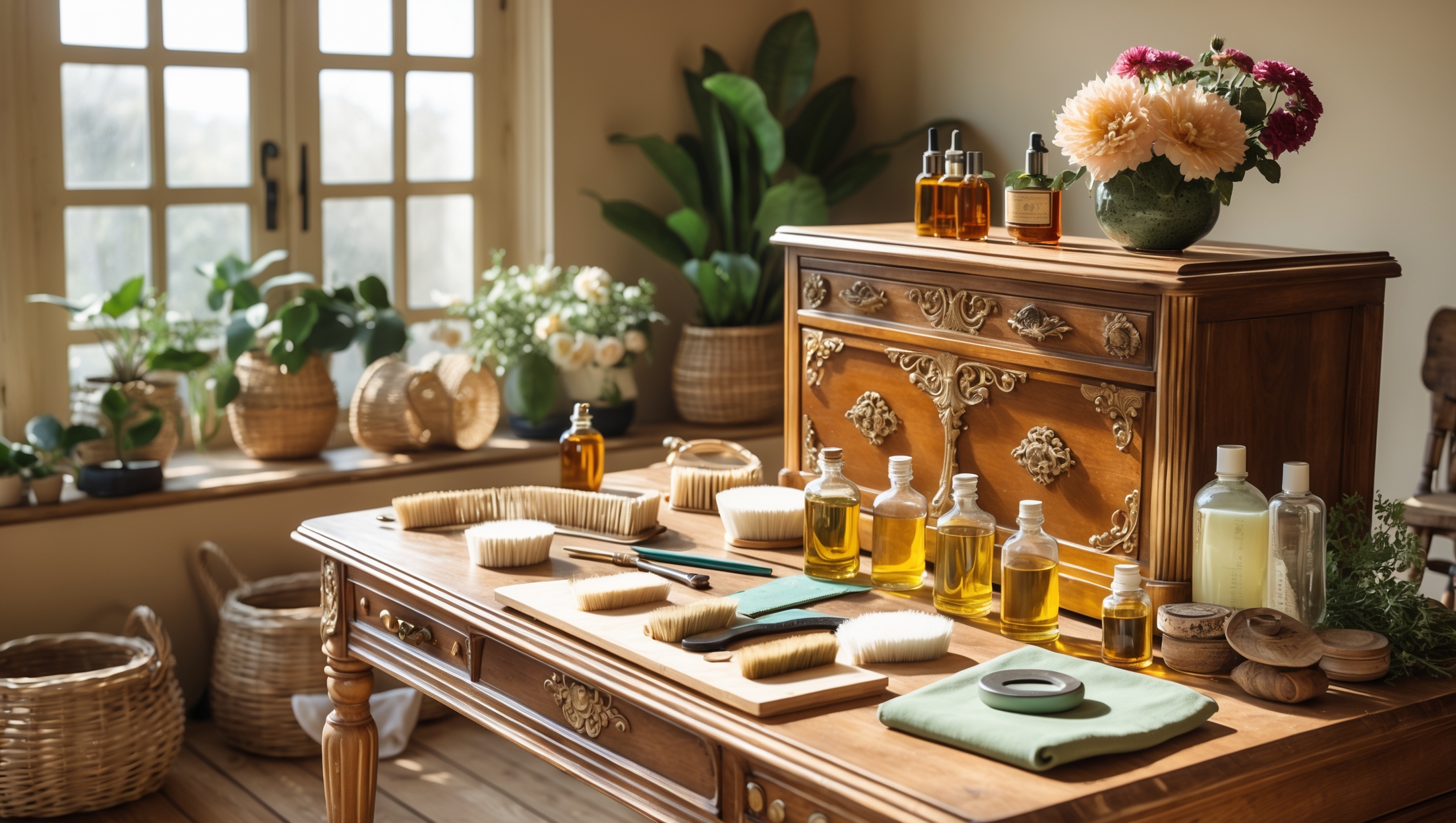
Introduction: The Overlooked Art of Salvage Maintenance
Upcycling and creative salvage have become essential practices for anyone passionate about sustainable living, interior design with character, and reducing waste. Yet, while much is said about sourcing, restoring, and repurposing salvaged materials, one crucial aspect often gets overlooked: long-term maintenance. The real magic of upcycled creations isn’t just in their dramatic before-and-after transformations, but in their ongoing durability, beauty, and function as the years go by. Whether you’ve turned a battered door into a statement table, revived cast-off metalwork for modern use, or saved a unique architectural element from landfill, every upcycled piece requires a tailored maintenance approach to ensure its longevity.
Unlike mass-produced items, upcycled salvage pieces are often a patchwork of different ages, materials, and finishes. They can react unpredictably to changing environments, daily use, or benign neglect. Without a clear, strategic approach to care and preservation, even the most lovingly restored item can quickly lose its charm—or worse, become unusable. This guide takes a deep dive into expert strategies for maintaining upcycled and salvaged creations, from preventative maintenance and cleaning to repairs, refinishing, and choosing the right protective treatments. Whether you’re a hobbyist or a professional creative salvager, these best practices will help you keep your upcycled treasures beautiful and functional for decades to come.
Understanding the Unique Challenges of Upcycled Salvage
Material Diversity and Mixed Surfaces
Salvaged and upcycled projects often include a combination of woods, metals, glass, ceramics, and plastics—all with different care requirements. It’s vital to identify the materials in each piece and understand how they interact. For example, moisture that’s harmless to metal hardware could warp or stain reclaimed wood. Similarly, cleaning solutions that are safe for glass might corrode certain paints or finishes. Always catalog the materials used and note any unknowns so you can research or test maintenance methods before applying them broadly.
Age and Previous Treatments
Older salvaged elements may have layers of finishes, residues, or hidden damage. Paints or stains could contain lead or other hazardous substances, and some adhesives may deteriorate or become unstable over time. Before beginning any maintenance regimen, inspect your upcycled piece closely for signs of instability, flaking, or chemical odors. If you suspect hazardous materials, consult local guidelines for safe handling and remediation.
Environmental Stressors
Temperature changes, humidity, sunlight, and even indoor pollutants can all affect the long-term health of upcycled salvage. Wood expands and contracts, metals rust or tarnish, and certain plastics may become brittle. Understanding where and how your piece will be used allows you to anticipate which stressors are most relevant and plan your maintenance accordingly.
Preventative Maintenance: Setting Up for Success
Placement and Environment
- Avoid Direct Sunlight: UV rays can fade finishes and degrade many materials. Place upcycled items out of direct sunlight or use UV-blocking window films.
- Stabilize Humidity: Use a dehumidifier in damp areas, or a humidifier in overly dry spaces, especially for wood and certain metals.
- Protect from Temperature Extremes: Keep salvage pieces away from radiators, vents, or exterior walls prone to condensation.
- Safe Placement: Use felt pads or rubber feet to prevent scratching floors and reduce moisture transfer from below.
Protective Coatings and Finishes
- Wood Surfaces: Apply high-quality wax or oil regularly to nourish and protect reclaimed wood. Consider polyurethane or water-based finishes for pieces that see heavy use.
- Metal Components: Use rust inhibitors or apply clear lacquer to exposed metal. For decorative patinas, use beeswax or microcrystalline wax for gentle protection.
- Glass and Ceramics: Clean with mild, non-abrasive solutions. For pieces with painted details, avoid ammonia-based cleaners to prevent fading.
Routine Inspection Schedule
Set a quarterly or biannual calendar reminder to check all joints, fasteners, and surfaces. Look for signs of wear, movement, or damage. Early intervention prevents small problems from becoming major repairs.
Cleaning Salvaged and Upcycled Pieces
General Cleaning Guidelines
- Dust First: Use a soft, dry microfiber cloth to remove surface dust. Avoid feather dusters, which can snag on rough edges or splinters.
- Test Cleaners: Always spot-test cleaning solutions on an inconspicuous area before full application.
- Gentle Is Best: Start with the mildest cleaning method—usually a slightly damp cloth—and escalate only if necessary.
Material-Specific Cleaning Tips
- Wood: Use a barely damp cloth, followed by immediate drying. For sticky residues, mix a mild soap with water. Avoid soaking, as water can warp or stain wood.
- Metal: For rust, gently rub with fine steel wool or a baking soda paste. For tarnish, use a specialized metal polish appropriate for the metal type (brass, copper, iron, etc.). Always follow up with a protective wax or oil.
- Glass: Clean with a vinegar-water solution and a lint-free cloth. Remove old paint carefully with a razor blade, working slowly to avoid scratches.
- Ceramics and Porcelain: Wipe with a damp cloth; avoid abrasive pads. For stubborn stains, try a paste of baking soda and water, applied gently.
- Fabrics: Vacuum upholstery using an upholstery attachment. Spot clean with fabric-appropriate detergent, and avoid overwetting to prevent mold or mildew.
Handling Common Repairs
Loose Joints and Structural Instability
Many upcycled pieces rely on old joints, dowels, or fasteners that may loosen over time. To correct:
- Carefully disassemble the affected joint if possible.
- Remove old glue residues with sandpaper or a scraper.
- Apply fresh, material-appropriate adhesive (wood glue for wood, epoxy for mixed materials).
- Clamp and allow to cure fully before use.
Scratches, Dents, and Surface Damage
- For wood, use a matching wood filler or wax stick for small scratches. For deeper dents, steam them out with a damp cloth and a hot iron (test first!).
- Metal surfaces can be gently buffed with steel wool, then re-waxed or re-lacquered.
- For painted surfaces, carefully touch up with matching paint and seal as needed.
Dealing with Rust and Corrosion
Rust is common with salvaged metal. Address it early:
- Remove surface rust with wire brushes or steel wool.
- Apply rust converter for deep corrosion.
- Finish with a rust-inhibiting primer and, if desired, a durable topcoat.
Replacing Missing or Damaged Parts
For non-structural elements (like hardware or decorative trims), consider sourcing period-appropriate replacements from salvage yards or online marketplaces. Alternatively, upcycle new materials to mimic the original look and feel. Always document modifications for future reference.
Refinishing and Resealing Upcycled Surfaces
When to Refinish
If the finish on your upcycled piece is peeling, flaking, or no longer protective, it’s time to refinish. Frequent touch is another indicator—surfaces that feel rough, sticky, or uneven benefit from fresh treatment.
Eco-Friendly Refinishing Options
- Natural Oils: Linseed, tung, or hemp oil penetrate and protect wood while enhancing its natural beauty. Apply with a lint-free cloth, allow to soak in, and buff excess.
- Wax Finishes: Beeswax or carnauba wax provide a soft sheen and moisture resistance. Ideal for low-traffic surfaces.
- Water-Based Polyurethane: Low-VOC and durable, this is suitable for high-use surfaces where environmental impact is a concern.
Step-by-Step Refinishing Process
- Clean the surface thoroughly and allow to dry.
- Sand lightly to remove old finish, working with the grain (for wood) or in small circles (for metal).
- Wipe away all dust with a tack cloth.
- Apply your chosen finish in thin, even coats.
- Allow proper drying time between coats, lightly sanding as needed.
- Buff or polish for a final luster.
Preserving Character: Patinas, Distress, and Aging Gracefully
Respecting the Story
One of the joys of creative salvage is the unique character built up over years. Don’t feel compelled to erase every sign of age. Instead, embrace patinas, minor dents, and wear as part of the piece’s narrative. Focus on structural integrity and surface protection, not artificial perfection.
Sealing Patinas and Decorative Finishes
To preserve patinas or intentional distressing:
- Apply a thin coat of clear wax or matte varnish to stabilize the finish without adding gloss.
- Avoid aggressive cleaning or solvents on decorative surfaces.
- For metals, use a microcrystalline wax to lock in patinas and prevent further corrosion.
Documenting Your Work
Keep a log of all treatments, repairs, and refinishes. Note materials used, dates, and results. This record will be invaluable for future maintenance or if you pass the piece along to someone else.
Storage and Off-Season Care
Short-Term Storage
- Cover pieces with breathable fabric (never plastic) to protect from dust while allowing airflow.
- Elevate off damp floors using blocks or pallets.
- Store in climate-controlled environments whenever possible.
Long-Term Storage
- Apply a fresh coat of wax or oil before storage to guard against drying or moisture.
- Disassemble large pieces if possible to reduce stress on joints.
- Inspect periodically for pests, mold, or changes in condition.
Maintenance Tools and Supplies: Your Essential Kit
- Soft microfiber and lint-free cloths
- Non-abrasive brushes
- Nontoxic cleaning solutions (e.g., vinegar, mild soap)
- Wood and metal polishes
- Natural oils and waxes
- Fine sandpaper (320 grit or higher)
- Small hand tools for tightening or repairs
- Protective gloves and dust masks
- Storage containers for small parts
Frequently Asked Questions
How often should I re-oil or wax upcycled wood furniture?
Frequency depends on use and environment, but a general rule is every 6 to 12 months. If the wood looks dry, dull, or feels rough, it’s time for treatment.
Can I use commercial all-purpose cleaners on upcycled items?
Generally, it’s best to avoid harsh commercial cleaners, as they may damage vintage finishes or react unpredictably with mixed materials. Stick to pH-neutral, mild solutions and always spot-test first.
What’s the safest way to deal with suspected lead paint?
If you believe old paint contains lead, avoid sanding or scraping. Consult your local health department for safe removal or encapsulation. Never use heat guns on lead paint.
Conclusion: Ensuring the Legacy of Creative Salvage
Proper maintenance is the key to extending the life and beauty of your upcycled and salvaged treasures. By understanding the unique material challenges, practicing preventative care, and using appropriate cleaning and refinishing methods, you ensure that your creative salvage projects not only endure but also grow richer in character with age. Each piece tells a story—not just of its original life and your restoration efforts, but of the care and stewardship invested over time.
Remember, sustainable living doesn’t end when the upcycling project is complete. It’s an ongoing commitment to resourcefulness, respect for materials, and thoughtful preservation. The satisfaction of seeing your salvaged work stand the test of time, weathering everyday life while retaining its charm, is a reward that far outlasts the thrill of the initial transformation. Whether you’re maintaining a single favorite find or an ever-expanding collection, these best practices will help you build a lasting, eco-conscious legacy—one carefully cared-for piece at a time.


I’m interested in how you choose protective treatments for upcycled furniture with both metal and wood components. Is it better to use separate products for each material, or are there any protective coatings that work well across different surfaces without causing damage over time?
For upcycled furniture combining metal and wood, it’s usually best to use treatments suited to each material. Metal often needs rust-preventing primers or sealants, while wood benefits from oils, varnish, or polyurethane. Some clear acrylic or polyurethane finishes can cover both surfaces, but check the label to ensure compatibility and test a small area first to avoid damage or discoloration over time.
In your experience, how often should preventative maintenance like cleaning or refinishing really be done for salvaged items with a mix of woods and metals, especially if they’re in a high-traffic retail environment? I want to make sure our displays last but don’t want to overdo it.
For salvaged displays made from mixed woods and metals in a busy retail setting, cleaning once a week is usually effective to prevent dust buildup and surface wear. Refinishing or applying protective treatments every 12–18 months helps preserve both wood and metal. Pay attention to high-touch areas—they may need spot maintenance more often. Routine inspections every few months can help catch any issues early without overdoing your efforts.
Your article highlights the complexity of caring for upcycled pieces made from different materials. Do you have any recommendations for identifying unknown finishes or coatings on old salvage, especially when you’re not sure what you’re dealing with and need to choose safe cleaning products?
When you’re unsure about the finish or coating on a salvaged piece, start by testing a small, inconspicuous area with a mild soap and water solution to check for any adverse reactions. Avoid harsh chemicals until you know more. Observing the surface—whether it’s glossy, matte, or tacky—can give clues about possible finishes. If you still can’t identify it, consider consulting a local restoration professional or taking a sample to a hardware store for advice.
I’m curious about preventative maintenance for upcycled furniture that gets daily use, like tables or chairs. Are there specific protective finishes or routines you recommend for pieces with both metal and reclaimed wood elements to keep them functional over time?
For upcycled furniture used daily, it’s best to protect reclaimed wood with a durable finish like polyurethane or hard-wax oil, which helps resist spills and scratches. For metal parts, regularly check for rust and apply a clear sealant or wax to prevent corrosion. Clean surfaces with a mild soap and avoid harsh chemicals. Tighten any loose screws or joints every few months to keep everything stable and functional.
I have a few upcycled furniture pieces at home that combine old wood and vintage metal handles, and I struggle with keeping them both clean without damaging one or the other. What cleaning products or methods do you recommend for mixed-material items like these, especially for busy households?
For mixed-material pieces like yours, use a soft, damp cloth with mild soap and water to gently clean both wood and metal surfaces. Avoid harsh chemicals or abrasive sponges, as they can harm finishes. For wood, dry immediately and occasionally apply a wood conditioner. For metal handles, after wiping, use a small amount of metal polish on a cloth, making sure it doesn’t touch the wood. Regular dusting helps prevent buildup, which makes cleaning easier in busy homes.
Do you have any recommendations for affordable yet reliable protective treatments for upcycled projects, particularly for outdoor items exposed to the elements? I’d like to maintain durability without significantly increasing maintenance costs for my customers.
For outdoor upcycled projects, consider using water-based polyurethane or exterior-grade acrylic sealers, as they’re both affordable and durable. Boiled linseed oil is a budget-friendly option for wood, while spray-on clear coats work well for metal. Remind customers to reapply protective coatings every 1-2 years for best results, but these options will keep maintenance costs low and extend the life of your creations.
I recently made a coffee table using an old barn door and some reclaimed metal legs. Since the materials are so different, how do I figure out the best cleaning and protective treatments that won’t damage either the wood or metal over time?
To care for your upcycled coffee table, clean the wood and metal separately using products made for each material. For the wood, use a gentle wood cleaner or a damp cloth, then apply furniture wax or oil for protection. For the metal legs, wipe with a dry or slightly damp cloth, and apply a metal protectant like clear wax or a rust inhibitor. Avoid harsh chemicals or abrasive tools on both surfaces. Testing treatments on a small hidden area first can help ensure compatibility.
I would love some advice on maintaining upcycled projects with mixed materials, especially when wood and metal are attached together. How do you prevent issues like warping or rust if their care needs are so different?
When maintaining upcycled projects that combine wood and metal, it’s important to keep both materials protected. Apply a clear sealant or wax that is suitable for both surfaces to act as a barrier against moisture. Make sure to keep the piece in a stable indoor environment, avoiding humidity and temperature swings. Regularly inspect joins for any signs of moisture or rust, and if needed, gently clean and reseal those areas. This balanced routine helps prevent warping in wood and rust on metal.
When working with an upcycled piece that combines both reclaimed wood and metal, how do you recommend handling preventative maintenance to avoid issues like wood warping and metal corrosion, especially in environments with fluctuating humidity?
For upcycled projects that mix reclaimed wood and metal, it’s important to seal both materials. Use a good quality wood sealant or oil to reduce moisture absorption and help prevent warping. For the metal, apply a rust-inhibiting primer or clear coat to protect against corrosion. In areas with changing humidity, try to keep the piece away from direct sources of moisture and temperature swings, and check it periodically for early signs of damage so you can address them quickly.
How do you handle preventive maintenance on upcycled pieces that get daily use, especially things like salvaged tables or seating? I’m curious about how often to re-treat finishes or if there are special products that hold up better in high-traffic situations.
For upcycled tables and seating that see daily use, it’s smart to inspect them every few months for wear, wobbles, or finish breakdown. High-traffic surfaces benefit from hardwearing finishes like polyurethane or hard wax oil, which can be spot-repaired as needed. Plan to re-treat finishes every 6–12 months depending on use, and always clean with non-abrasive products to prolong their life.
As a small business owner who creates upcycled tables from reclaimed doors and mixed materials, I often wonder how to best keep the different surfaces protected in a humid environment. Are there specific protective treatments or sealing methods you recommend for pieces that combine both wood and metal?
For tables combining wood and metal, start by sealing the wood with a high-quality polyurethane or spar varnish, as these resist moisture well. For the metal parts, use a rust-inhibiting primer followed by a clear protective lacquer or wax. Make sure all surfaces are clean and dry before applying any treatments, and consider reapplying seals annually, especially in humid settings, to maintain protection.
The article mentions the unique challenges of upcycled pieces that incorporate multiple materials, like wood and metal. Could you provide some practical tips or examples for how to prevent issues like rust versus wood warping when maintaining a mixed-materials creation over time?
When caring for upcycled pieces made of both wood and metal, it’s important to address each material’s needs. For metal parts, keep them dry and apply a protective wax or sealant to prevent rust. For wood, use a wood conditioner or oil to stop drying or warping. Make sure joins between wood and metal are sealed, and avoid exposing the piece to drastic humidity or temperature changes, as these can cause metal to rust and wood to warp.
When it comes to long-term preservation, do certain protective treatments or finishes work better for projects with multiple salvaged materials? I’d love some tips on choosing solutions that won’t damage one component while protecting another.
For projects combining different salvaged materials, it’s important to choose finishes that are compatible with all components. Water-based polyurethanes or natural oils like tung oil are usually safe on wood and some metals, but always spot-test first. Avoid harsh solvents or finishes specific to one material, as they could harm others. Opt for non-yellowing, clear sealers and check labels for multi-surface compatibility. When in doubt, apply separate treatments to each material before assembly.
When it comes to preventative maintenance for upcycled items, especially those exposed to daily use or changing environments, how frequently should one inspect or refinish these pieces to ensure longevity, and does this vary widely depending on the types of salvaged materials used?
The frequency of inspection and refinishing for upcycled pieces really depends on the materials involved and how much wear they experience. For items exposed to heavy daily use or fluctuating environments, a general guideline is to inspect every 3 to 6 months. Wood may need refinishing annually, while metals might require rust checks more often, especially if kept outdoors. Always tailor your maintenance schedule to the specific materials and their usage conditions.
Could you elaborate on preventative maintenance schedules for salvage projects made from mixed materials? I struggle with planning regular care since my upcycled items blend wood, metal, and sometimes glass, and I want to create a simple checklist for my staff.
For mixed-material projects, set up a monthly checklist covering each material. For wood, check for cracks and reapply sealant if needed. For metal, inspect for rust and wipe with an oil cloth. For glass, clean with a gentle solution and check for chips. Every six months, tighten joints and fasteners, and review overall stability. This schedule keeps maintenance regular yet simple for your staff.
I noticed you mentioned that upcycled pieces can lose their charm without strategic care. For someone working with a tight budget, what are the most cost-effective protective treatments or cleaning solutions you’d recommend for mixed-material salvage projects to keep them looking good for resale?
For mixed-material salvage projects on a budget, consider using diluted white vinegar for general cleaning—it’s effective and gentle on most surfaces. For wood, natural oils like mineral oil or beeswax are affordable protectants. For metal parts, a light coat of clear paste wax helps prevent rust. Always test treatments on a small area first. Regular dusting and avoiding direct sunlight also keep upcycled pieces looking fresh for resale.
The guide talks about how upcycled pieces can lose their charm or even become unusable without proper long-term care. For someone just starting out, how often should I plan to inspect or maintain a typical mixed-material piece, like a table made from reclaimed wood and metal?
For a mixed-material piece like a reclaimed wood and metal table, it’s a good idea to inspect and maintain it every 3 to 6 months. Check for loose joints, signs of rust on metal, or dryness and cracking in the wood. Regular dusting and occasional touch-ups with wood oil or appropriate sealant can help preserve both materials and keep the table looking its best.
I never thought about how moisture or cleaning solutions could affect the different materials in a salvaged project. If I have a table made of both old wood and metal, do you recommend treating them separately, or is there an all-in-one maintenance routine that works for mixed-material items?
For a table made of both old wood and metal, it’s best to treat each material separately, since wood and metal often react differently to moisture and cleaning products. Clean metal parts with a gentle metal cleaner and protect them from rust, while using wood-safe cleaners and furniture oils or waxes on the wood. Try to avoid letting cleaners for one material come into contact with the other, and always dry both surfaces thoroughly after cleaning.
I’m curious about preventive maintenance for upcycled creations, especially since salvaged materials might already have wear or hidden issues. Are there any common mistakes beginners make in long-term care that can actually speed up deterioration instead of preventing it?
One common mistake is using harsh cleaners or sealants that aren’t suited to older or mixed materials, which can actually damage finishes or cause materials to break down faster. Another is ignoring joints or connections—loose fasteners often get overlooked but can worsen wear. Regular, gentle cleaning, checking for moisture, and tightening or replacing hardware as needed are key to maintaining your upcycled pieces.
I’m interested in how you recommend identifying the exact materials used in a salvaged piece, especially when it’s a mix like old wood joined with newer metal or ceramics. Are there any useful tests or tips for figuring out what you’re working with before deciding on the best maintenance approach?
To identify mixed materials in a salvaged piece, start by inspecting surfaces for markings or stamps, which can hint at the type or age of wood and metals. For wood, look closely at the grain pattern and color; hardwoods and softwoods differ noticeably. Magnets are helpful for distinguishing ferrous metals from non-ferrous. For ceramics, check for glaze texture and weight. If unsure, testing a tiny, hidden area with water or mild solvent can reveal finishes or coatings. Document your findings for future reference before choosing any maintenance method.
I’ve upcycled an old door into a table, as you mentioned, and I’m concerned about how temperature and humidity changes might affect its longevity. Are there specific preventative measures I should take for mixed-material pieces exposed to seasonal changes in a typical home?
With mixed-material upcycled pieces like your door table, fluctuations in temperature and humidity can cause wood to expand or contract and metal parts to rust or corrode. To protect your piece, keep it away from direct heat sources and out of damp areas. Use furniture wax or sealant on wood surfaces, and periodically check metal components for signs of rust, treating them with a rust inhibitor if needed. Regular gentle cleaning also helps prevent buildup and damage.
When it comes to preventative maintenance for mixed-material salvage projects, how often should routine checks or touch-ups be done to catch issues like rust on metal or splitting wood before they become big problems? Do you suggest any seasonal strategies?
For mixed-material salvage projects, inspecting your pieces every three to four months is a good routine to catch early signs of rust, splitting, or other issues. Seasonal changes can bring extra stress, so doing a thorough check at the start of spring and fall is wise. Pay special attention after damp or humid periods for metal and after dry spells for wood. Applying protective finishes yearly and cleaning surfaces regularly will help extend the life of your upcycled creations.
I noticed you mentioned the importance of tailored maintenance for each unique upcycled item. How do you suggest creating a simple long-term care checklist for customers who buy mixed-material salvage pieces, especially if they aren’t familiar with preservation techniques?
For mixed-material salvage pieces, create a checklist that covers each material type—like wood, metal, glass, or fabric—used in the item. For each, add basic do’s and don’ts, cleaning tips, and how often to check for issues like rust or warping. Use simple language, and consider including quick illustrations. This way, even beginners can follow the steps and keep their upcycled piece in great shape.
I’m curious about preventative maintenance for upcycled items, especially those made from older, reclaimed materials. Are there any red flags or warning signs to look out for that indicate a piece might need refinishing or repairs sooner rather than later?
With upcycled items made from older, reclaimed materials, watch for signs like new cracks, flaking finishes, or unexpected soft spots, which could point to underlying deterioration. Warping, loose joints, or unusual odors (like mustiness) may also signal hidden moisture or pest issues. If you spot these issues early, you can address them with refinishing or repairs before they worsen and preserve the longevity of your piece.
As a shop owner who often uses upcycled doors and windows for custom pieces, I’m wondering how to handle maintenance when the same project includes both unfinished wood and painted metal. Do you have specific recommendations for cleaning or protecting these mixed surfaces without damaging either material?
For projects combining unfinished wood and painted metal, use a soft, dry or slightly damp cloth for regular dusting on both surfaces. Avoid harsh chemicals; instead, for deeper cleaning, use a mild soap solution on painted metal, wiping gently. For unfinished wood, a dedicated wood cleaner or a mix of water and vinegar works well, applied sparingly to prevent swelling. To protect, consider applying a clear, non-yellowing wax to the wood and a gentle polish to the metal, ensuring each product is intended for its respective material.
You mention that upcycled pieces can react unpredictably due to their mix of materials and ages. Do you have any tips for quickly identifying which cleaning products are safe to use on a multi-material salvage project, especially if I’m not sure what every component is made of?
When you’re unsure of all the materials in your upcycled piece, test any cleaning product on a small, hidden area first to check for discoloration or damage. Stick to mild, pH-neutral cleaners like diluted dish soap and avoid harsh chemicals or abrasives. Microfiber cloths are generally safe for dusting. If parts look metallic, wooden, or painted, treat each section as gently as possible and avoid soaking the item.
I’ve got a few upcycled pieces at home that combine wood and metal, and I’ve noticed some issues where the two materials meet, like minor splitting or rust. Are there particular products or techniques you recommend for maintaining those mixed-material joints over the long term?
For mixed wood and metal joints, seal any gaps with a flexible, waterproof wood filler to prevent moisture intrusion. Use a rust-inhibiting primer or wax on metal parts, especially where they touch wood, and regularly check for new rust or splitting. Applying a clear polyurethane or specialized joint sealant over the entire joint area can help protect both materials and reduce future issues. Make sure to clean and dry the area thoroughly before any application.
When you mention preventative maintenance for upcycled projects, are there any affordable or DIY-friendly methods you’d recommend for someone on a college budget who wants their salvaged furniture to last through a few apartment moves?
Absolutely—there are several budget-friendly ways to keep upcycled furniture in good shape. Use basic wood glue for tightening joints, and try waxing or sealing surfaces with inexpensive products like furniture wax or clear acrylic spray. For scratches, a little bit of matching shoe polish or a crayon can work wonders. Make sure to add felt pads under legs to prevent damage during moves, and always disassemble larger pieces if possible to avoid stress on the joints.
Could you elaborate on how to identify unknown finishes or coatings when working with mixed-material upcycled pieces? I often find it tricky to choose the proper cleaning agents or protective treatments without damaging the original salvage elements.
Identifying unknown finishes can be a challenge, especially with mixed materials. Start by examining the appearance—shiny surfaces may indicate lacquer or polyurethane, while matte ones could be oil or wax. Gently test a hidden spot with mild soap and water; if the finish softens, it might be water-based. For more stubborn or unclear finishes, try rubbing alcohol or acetone in a small area. If nothing dissolves or changes, it’s likely an oil-based or durable coating. Always spot-test your chosen cleaner or treatment in a discreet area before applying it widely.
The article mentions that salvaged items can react unpredictably to changing environments or even mild neglect. Can you share a few warning signs that something is going wrong with an upcycled piece before damage becomes irreversible?
Certainly! Early warning signs to watch for in upcycled pieces include changes in color or finish, such as fading, darkening, or spotting. You might notice warping, cracking, or unexpected movement in wood or metal parts. Rust, mold, or a musty odor are also red flags. Pay attention to loose joints, flaking paint, or any new textures on the surface. Addressing these signs promptly helps prevent permanent damage.
If I used a mix of old metal hardware and reclaimed wood for a shelf, how do I know which cleaning methods are safe for both materials without causing warping or rust? Do I need to treat the surfaces separately, or is there a maintenance routine that works for these mixed-material projects?
For mixed-material shelves using old metal hardware and reclaimed wood, it’s best to treat each material separately. Use a soft, slightly damp cloth for dusting both, but avoid excessive moisture to prevent wood warping and metal rust. For deeper cleaning, use wood-safe cleaners on wood only, and a light oil or rust inhibitor on metal parts. Regular gentle cleaning and occasional checks for rust or dryness will keep your shelf looking great.
I’m curious about how to identify unknown finishes or materials on older upcycled pieces before starting any maintenance routine. Do you have any tips or resources for safely testing or determining what types of wood, metal, or coatings you might be dealing with?
Identifying unknown finishes or materials can be tricky, but there are some practical steps you can take. For wood, look at the grain pattern, color, and weight—hardwoods and softwoods have distinct features. For metals, a magnet can help distinguish between ferrous and non-ferrous types. To test coatings, try using a bit of denatured alcohol or acetone in an inconspicuous area—shellac dissolves in alcohol, lacquer in lacquer thinner, while polyurethane will resist both. Always use gloves and proper ventilation when testing. If in doubt, a local hardware store or restorer might be able to help you identify the material or finish safely.
If I upcycle something like a table out of mixed salvaged materials and it starts looking dull after a while, do you recommend any specific cleaning routines to bring back its original character? I’m not sure how to balance preservation with regular use.
To revive a dull upcycled table, gently dust it with a soft cloth regularly. For deeper cleaning, use a mild soap and water solution—avoid soaking, especially on wood or metal. If the finish looks faded, a furniture wax or oil can restore shine without damaging mixed materials. Always test products on a small area first, and avoid harsh chemicals to preserve the table’s unique character.
Can you share some preventative maintenance tips specifically for upcycled creations intended for high-traffic areas, like retail spaces or cafes? I want to keep my restored items looking good with minimal downtime for repairs.
For upcycled items in busy spaces, use durable, easy-to-clean finishes like polyurethane or marine varnish to protect surfaces. Apply felt or rubber pads to the bottom of furniture to help prevent floor damage and wear. Check joints and fastenings regularly and tighten or reinforce them as needed. Clean often with mild, non-abrasive products to avoid surface damage. Try rotating pieces if possible to even out wear, and address any small chips or scratches quickly before they worsen.
If you save an architectural element like an old stained glass window and want to display it indoors, what should you watch out for regarding long-term care? Are there any specific protective treatments you’d recommend for mixed materials like wood, glass, and metal frames together?
When displaying an old stained glass window indoors, keep it out of direct sunlight to prevent fading and heat stress. For long-term care, regularly dust the glass and gently clean it with a mild, non-ammonia glass cleaner. For wood frames, ensure they’re sealed or waxed to avoid drying or cracking, while metal parts should be checked for rust and treated with a suitable rust inhibitor if needed. Avoid excess moisture and consider periodic inspections to catch any signs of deterioration early.
You mentioned that upcycled projects can degrade quickly without regular care. For a small business selling upcycled décor, what are practical long-term maintenance routines we should advise customers to follow, especially when dealing with mixed-material pieces that might go into unpredictable environments?
For mixed-material upcycled décor, suggest customers dust regularly with a soft cloth, avoid prolonged direct sunlight, and keep items away from moisture. Advise gentle cleaning—no harsh chemicals. For metal parts, occasional light oiling prevents rust; for wood, recommend periodic waxing. If adhesives were used, check joints annually and re-glue if needed. Remind customers to handle pieces gently and to inspect for signs of wear so issues can be addressed early.
The article mentions tailored maintenance for long-term care of salvage items—do you have suggestions for easy, routine cleaning routines that work for pieces combining delicate finishes, like old glass with reclaimed wood?
For mixed-material pieces like old glass with reclaimed wood, gentle cleaning is best. Use a soft, damp cloth for the glass, avoiding strong cleaners to prevent damaging nearby wood. For the wood, lightly dust with a dry cloth and occasionally use a wood-safe polish. Always dry both surfaces thoroughly and avoid soaking. Regular, gentle care helps both materials maintain their appearance.
I’m interested in the long-term care part—do you have any advice on how often upcycled projects should be checked or maintained over the years, especially if they’re used daily versus being mostly decorative?
For upcycled projects that are used daily, it’s best to check them every 3 to 6 months for signs of wear, loose parts, or material fatigue. Tighten, clean, and touch up as needed. For mainly decorative pieces, a yearly inspection is usually enough to ensure they stay in good shape. Always consider the materials used, as some may require more frequent care based on age and environment.
If one of my upcycled salvage projects starts showing signs of warping or rust a couple years after finishing it, what’s usually the best first step to fix the problem? Or is it better to focus on preventative maintenance to avoid issues like these in the first place?
If your project is already showing warping or rust, the best first step is to address the affected areas: for rust, gently sand off the corrosion and apply a rust-inhibiting primer and paint; for warping, see if the item can be carefully reshaped or reinforced. Preventative maintenance is always ideal—regular cleaning, sealing, and protecting projects from moisture will help prevent both rust and warping in the future.
After upcycling a piece with mixed materials, what are some early signs that certain parts might be reacting poorly to the environment or to each other? I want to catch potential issues before they become real problems, especially with older salvage elements.
You’re wise to keep an eye out for early warning signs. Look for discoloration or staining where different materials meet, any unexpected warping, swelling, or cracking, and areas that feel tacky or unusually dry to the touch. Also, check for odors, loose joints, or early rust and corrosion, especially with older salvage parts. Catching these changes early lets you address problems before they get worse.
I have an old wooden bench that I upcycled with some metal legs, and I’m wondering how to keep both materials in good shape over time. Are there any tips for cleaning or treating mixed-material pieces so one part doesn’t get damaged while caring for the other?
To care for a mixed-material piece like your bench, use a gentle cleaner suitable for both wood and metal—avoid harsh chemicals. For the wood, apply a protective oil or wax periodically to prevent drying or cracking. For the metal legs, wipe them down with a damp cloth and dry thoroughly to prevent rust, and consider applying a clear sealant if they’re exposed to moisture. Clean each part separately to avoid cross-contamination of cleaning products.
When it comes to ongoing cleaning, what’s the best way to handle old finishes that might already be unstable? For instance, if a salvaged table has flaking paint and aged metal hardware, do you suggest stripping everything first, or is it better to focus on gentle upkeep?
For old finishes that are unstable, like flaking paint or corroded metal, it’s usually better to start with gentle upkeep rather than stripping right away. Use a soft brush or cloth to remove dust and loose flakes, being careful not to disturb the finish further. Only consider stripping if the deterioration threatens the function or safety of the piece, or if you plan a full restoration. Otherwise, preserving the character and patina can add to the table’s charm.
Could you elaborate on how often preventative maintenance should be done for upcycled furniture that gets daily use, like a salvaged door turned into a dining table? I want to keep ours looking good, but I’m not sure what schedule is realistic for a busy family.
For upcycled furniture like a salvaged door dining table that gets daily use, aim for a quick wipe-down every day or two to remove crumbs and spills. Deeper cleaning and checking for loose hardware or scratches should be done monthly. Apply a fresh coat of protective wax or oil every 6–12 months, depending on use. This schedule helps balance upkeep with a busy lifestyle and keeps your table looking its best.
I run a small home goods shop where we sell upcycled furniture that often combines different materials like metal legs and old wood tops. How do you suggest creating a maintenance checklist when every piece is unique, and are there any universal protective treatments you recommend for this kind of mixed-material furniture?
For your upcycled pieces, create a checklist that addresses each material separately—wood, metal, glass, or fabric—so you can note care instructions for each part. Universal tips include using gentle cleaners, avoiding excess moisture, and regularly checking joints and finishes. For protection, finishing wood with a durable oil or polyurethane and treating metal with a clear sealant helps guard against wear. Encourage buyers to dust often and use coasters or pads to protect surfaces.
You mentioned that upcycled salvage items can react unpredictably to different environments. How often should you check on or re-treat these pieces, especially if they’re used in places with changing humidity or temperature? Is there a general maintenance schedule you suggest?
For upcycled salvage items placed in areas with fluctuating humidity or temperature, it’s a good idea to inspect them every three to six months. Look for signs of warping, rust, or finish deterioration. Reapply sealants, wax, or protective coatings as needed—typically once a year, but increase frequency in harsher environments. Always address any issues you spot promptly to prevent bigger problems later.
You mention that upcycled pieces can react unpredictably to daily use and changing environments. Are there particular signs I should watch for that indicate a salvaged item is starting to deteriorate, even if the damage isn’t obvious yet?
Subtle signs that a salvaged piece may be deteriorating include small hairline cracks, slight warping, soft or spongy spots in wood, unusual odors that suggest mold or decay, and finishes that look cloudy or feel tacky. You might also notice faint rust spots on metal components or loose joints where pieces were previously solid. Regularly checking for these can help you catch problems early.
You mention that upcycled pieces can react unpredictably over time because of their mixed materials and finishes. If something starts showing wear—like wood splitting or metal rusting—how do you know whether it’s best to repair, refinish, or replace just that element versus doing a more comprehensive restoration on the whole piece?
When you notice wear like wood splitting or metal rusting, start by assessing how severe and widespread the damage is. If only one element is affected and the rest of the piece is stable, repairing or refinishing just that section is often enough. However, if damage appears in multiple materials or compromises the structure, a more comprehensive restoration is a better idea. Always consider the intended use and sentimental or aesthetic value before deciding how far to go with repairs.
When dealing with upcycled furniture that combines both old wood and metal, how do you handle situations where the recommended maintenance or cleaning treatments for one material could damage the other? Are there any techniques you’ve found that address this challenge without compromising either surface?
When caring for upcycled furniture made with both old wood and metal, it’s best to clean and treat each material separately. For example, use a soft cloth and mild wood cleaner only on the wood, and a metal-specific cleaner just on the metal parts. If possible, mask off one material while treating the other to avoid overlap. Finishing both surfaces with compatible, clear protective sealants can also help minimize future maintenance issues without harming either surface.
Could you share some tips on how to identify unknown materials in a salvaged piece, especially when the finishes or components are very old? I’ve run into trouble choosing cleaning products because I’m never quite sure what I’m working with.
When dealing with unknown materials in salvaged pieces, start by inspecting the surface for clues like grain patterns, weight, or magnetism—wood, metal, plastic, and stone each have distinct characteristics. If you’re unsure, test cleaning products on a hidden spot first. For very old finishes, avoid harsh chemicals and use mild soap and water until you’re certain. Consulting a local expert or posting detailed photos in restoration forums can also help with identification.
The article mentions that upcycled items can react unpredictably to their environment due to the variety of materials used. How often should I inspect these pieces for early signs of wear or damage, and are there specific warning signs I should watch out for?
Inspect your upcycled pieces every few months, especially if they’re in high-traffic areas or exposed to sunlight, moisture, or temperature changes. Watch for early signs like cracks, peeling finishes, loose joints, or rust on metal parts. Addressing these issues quickly helps maintain both the appearance and structural integrity of your upcycled projects.
I have an upcycled table made from both reclaimed wood and old metal hardware, and I’m not sure how to clean it without damaging either material. Do you have any tips for safely cleaning and maintaining pieces with this kind of material mix?
To clean your upcycled table, use a soft cloth dampened with a mild soap and water solution for both the wood and metal, but avoid soaking either material. Immediately dry both surfaces with a clean towel. For the wood, apply a light furniture wax or oil regularly to keep it conditioned. For the metal hardware, gently buff with a dry cloth and, if needed, use a touch of clear paste wax to prevent rust. Avoid harsh chemicals or abrasive pads on both materials.
I noticed you mention that different salvage materials can need very different cleaning or protective treatments. What would you recommend as a basic maintenance routine for a piece that combines glass, ceramic, and vintage plastic, since they all react so differently over time?
For a mixed-material piece with glass, ceramic, and vintage plastic, dust regularly with a soft, dry cloth to avoid scratches. Use a slightly damp cloth for glass and ceramic, but avoid soaking vintage plastics—that can cause warping or cloudiness. Keep the piece out of direct sunlight to prevent fading or brittleness in plastics, and periodically inspect for any signs of cracking or wear.
When you talk about choosing protective treatments for upcycled pieces with mixed materials, are there specific products or finishes that work well for both wood and metal, or do you have to treat each material separately every time you do maintenance?
For upcycled pieces with both wood and metal, it’s best to treat each material separately to ensure proper protection and longevity. Most finishes are formulated specifically for either wood or metal, not both. For maintenance, use a wood finish like polyurethane or oil for wooden areas, and a rust-inhibiting paint or clear coat for metal. If the materials meet, carefully mask sections to avoid overlap and get a neat result.
If a salvaged piece starts showing signs of wear or instability after a few years, how do you determine whether it needs a full refinishing or just spot repairs? I’m trying to figure out what level of maintenance is the most effective for mixed-material projects.
To decide between full refinishing or spot repairs, start by assessing the extent of damage. If only small areas are affected—like minor scratches, chips, or loose joints—spot repairs often suffice. However, if you notice widespread wear, structural instability, or damage across multiple materials, a full refinishing may be best. For mixed-material pieces, check each material individually, as some may need more attention than others. Regular inspections help catch issues early, making maintenance easier.
When choosing protective treatments for upcycled pieces with a mix of reclaimed wood and vintage metal, are there certain finishes that work well for both, or do you recommend treating each component separately to avoid issues down the line?
For upcycled pieces that mix reclaimed wood and vintage metal, it’s usually best to treat each material separately. Wood and metal have different needs—wood benefits from oils or waxes, while metal often requires rust inhibitors or clear sealants. Using separate finishes helps avoid unwanted reactions and ensures both materials are properly protected for the long term.
I’m curious if you have any tips for dealing with unexpected reactions over time, such as a metal component causing staining on adjacent reclaimed wood. Are there preventative products or barriers you suggest using during the assembly phase to avoid issues like this down the road?
To prevent metal parts from staining reclaimed wood, it’s a good idea to use barriers like clear epoxy, polyurethane, or specialized sealants between the materials. You can also place thin adhesive-backed felt or plastic washers under metal hardware. These measures stop direct metal-to-wood contact, reducing the risk of staining or corrosion over time. Checking compatibility and sealing both materials before assembly adds another layer of protection.
You mention that upcycled projects can react unpredictably over time, especially with different materials in one piece. What kind of regular maintenance schedule would you recommend for someone like me who tends to forget about upkeep until something breaks?
To help prevent surprises, try setting a reminder to inspect your upcycled pieces every three to six months. During these check-ins, look for loose fittings, signs of rust, or changes in adhesives and finishes. If your piece uses wood or metal, wiping it down and checking for moisture damage or corrosion can go a long way. Regular quick checks help you catch small issues early, making upkeep more manageable.
You mentioned that changes in environment can impact the longevity of upcycled creations. What preventative steps would you suggest for maintaining these pieces in a retail space that has inconsistent humidity and temperature throughout the year?
In retail spaces with fluctuating humidity and temperature, it’s important to use protective finishes like sealants or varnishes to shield upcycled pieces from moisture. Position items away from direct sunlight, vents, and exterior doors to minimize exposure to harsh conditions. Adding silica gel packs or dehumidifiers can help control moisture, while routine dusting and inspection will catch early signs of damage before they worsen.
You mention the importance of tailored maintenance for different salvaged materials. How should I approach ongoing repairs if I don’t always know the exact age or type of material I’ve used in an upcycled project? Are there general guidelines to follow when materials are unidentified?
When you’re unsure about a material’s age or type, inspect it regularly for signs of wear, rust, or decay, and clean it gently with mild, non-abrasive products. Test any cleaning or repair method on a small hidden area first. Avoid strong chemicals and, if in doubt, choose reversible fixes so you can adjust them later if needed. Keeping detailed notes about materials as you go can help with future repairs.
The article mentions that improper care can make even well-restored pieces unusable. Have you found certain protective finishes or treatments that work best for high-traffic upcycled furniture, especially when it comes to balancing durability with preserving the character of older materials?
Yes, high-traffic upcycled furniture benefits from durable yet sympathetic finishes. Water-based polyurethane is a popular option, as it provides strong protection without yellowing or overly altering the appearance. Hardwax oils are another good choice for wood—they penetrate and protect, enhancing the natural grain and patina. For metal elements, clear protective lacquer helps prevent rust while maintaining the original look. Always test finishes on a small, hidden area to check that they preserve the character you value.
I run a small shop that sells upcycled furniture, and I’m curious about how often preventative maintenance should be done to preserve their condition, especially since many pieces have unknown finishes. Could you suggest a basic maintenance schedule or checklist for items with diverse salvage materials?
For upcycled furniture with various unknown finishes, it’s wise to check each piece every 3 to 6 months. Wipe surfaces with a soft cloth to remove dust, inspect for loose joints or hardware, and look for signs of moisture or pests. Avoid harsh cleaners; instead, use mild soap and water on wood or metal, and always test on a hidden area first. Tighten screws and touch up finishes as needed. Keeping a simple log of these checks can help track each piece’s condition over time.
I’m interested in your advice on preventative maintenance for upcycled furniture in homes with fluctuating humidity. Are there specific protective treatments or sealants you recommend for pieces that are made up of both wood and metal components to keep them stable over time?
For upcycled furniture combining wood and metal, it’s wise to use a high-quality polyurethane or acrylic sealant on wood surfaces to block moisture absorption. For metal parts, apply a clear rust-inhibiting lacquer. Make sure all surfaces are clean and dry before sealing. Regularly inspect joints and reapply sealant as needed, especially if you notice any cracking or gaps. Using felt pads under furniture can also help minimize moisture from floors.
When it comes to maintaining upcycled items with old paint, especially if you suspect some of it might be lead-based, what’s the safest way to clean or refinish those surfaces without compromising the original character or putting anyone at risk?
If you suspect old paint contains lead, avoid sanding or scraping, as this can release harmful dust. Instead, gently clean the surface with a damp cloth and mild soap. To refinish, use a clear, water-based sealant to lock in any lead particles without stripping the original paint. Always wear gloves, work in a well-ventilated area, and consider a professional assessment for larger projects.
You mentioned that salvaged materials can react unpredictably over time. What are some signs I should look out for that might mean my upcycled projects need touch-ups or extra maintenance, particularly if they’re constantly exposed to changing temperatures in our house?
Watch for signs like warping, cracking, paint peeling, rust, or loose joints—these can all indicate your upcycled project is reacting to temperature changes. You might also notice fading colors or materials feeling brittle. If you spot any of these, consider resealing surfaces, tightening fasteners, or applying a fresh coat of finish to help protect your project.
When dealing with upcycled projects that combine both wood and metal elements, do you have recommendations for protective treatments that won’t damage either material over time? I’m especially concerned about moisture causing issues at the joints where metal hardware meets reclaimed wood.
For upcycled projects mixing wood and metal, it’s wise to use a clear, water-based polyurethane or an acrylic sealant that’s safe for both materials. Before applying, ensure all surfaces are clean and dry. Pay special attention to the joints: apply a thin bead of a compatible clear sealant (like silicone or polyurethane caulk) to seal gaps where metal meets wood, which helps block out moisture without reacting adversely with either material.
You mention that upcycled projects can have unpredictable reactions because of their mixed materials. If I notice discoloration or minor surface damage starting to appear, is it better to treat it right away, or can waiting make things worse in the long run?
It’s usually best to address discoloration or minor damage as soon as you notice it, especially with upcycled projects made from different materials. Waiting can make the problem worse or allow it to spread, and some issues might become harder to fix over time. Spot clean gently and use the appropriate method for each material to prevent further deterioration.
Could you share some specific examples of protective treatments that work well on mixed-material surfaces in upcycled furniture? I’m curious whether there are any products or techniques that provide good results without conflicting with the unique patinas of salvaged pieces.
For mixed-material upcycled furniture, clear waxes like natural beeswax or microcrystalline wax are great for sealing and protecting without masking unique patinas. For wood and metal combinations, a gentle wipe-on polyurethane or an acrylic matte sealer works well, applied sparingly to avoid altering original textures. Always test on a small, hidden area first to ensure compatibility and preserve the character of your salvaged surfaces.
The guide emphasizes the importance of tailored maintenance for mixed-material salvage projects. Could you provide some examples of specific protective treatments that work well for items exposed to varying humidity or sunlight over time? I’m especially concerned about preventing damage without altering the look too much.
For mixed-material salvage projects, clear matte sealants are a great choice for protecting surfaces without changing their appearance. For wood, a water-based polyurethane or tung oil keeps the look natural but resists humidity shifts. For metal parts, a microcrystalline wax helps prevent rust while remaining almost invisible. For fabrics, a UV-resistant spray can guard against fading with minimal texture change. Always test treatments on a small area first to ensure the finish stays true to the original look.
I have a few upcycled pieces at home that mix metal and wood, and I worry about how to clean them without causing any damage. Are there specific cleaning products or routines you recommend that are safe for both materials, especially when they’re joined together?
For upcycled pieces combining metal and wood, use a soft, damp cloth for routine dusting. Avoid harsh chemicals or abrasive pads. For deeper cleaning, a mild soap diluted in water is generally safe—just be careful not to soak the materials. Dry thoroughly afterward to prevent moisture issues. If the metal has a protective finish, avoid acidic cleaners, and for wood, steer clear of oil-based products unless you know the finish can handle it.
You mention that salvaged items can react unpredictably to climate or daily use. Have you found any preventative maintenance tips that work well for upcycled furniture in regions with high humidity or big seasonal swings? I want to make sure my projects last for the long haul.
For upcycled furniture in humid or highly variable climates, sealing wood with a high-quality polyurethane or varnish really helps prevent warping and moisture damage. Use rust-resistant coatings on metal parts, and check joints regularly for loosening. If possible, position furniture away from direct sunlight and use dehumidifiers indoors. Periodic cleaning and refreshing the protective finish each year can go a long way in preserving your creations.
You mentioned that upcycled pieces can react unpredictably to changing environments. What are some early warning signs that an upcycled item is starting to degrade, and how often should I be checking or doing preventative maintenance to catch issues before they become big problems?
Some early warning signs of degradation in upcycled items include cracking, warping, loose joints, unusual odors, fading, or flaking finishes. Also look for rust or mold, especially if different materials are combined. It’s a good idea to inspect your pieces every few months—more often if they’re in damp or frequently used areas. Regular dusting and gentle cleaning can help you spot changes early and prevent bigger issues.
You mention that salvage projects can include a patchwork of materials, each needing different care. How do you suggest balancing the needs of wood and metal in the same item to avoid damage over time, especially when cleaning or sealing them?
To balance wood and metal care, choose compatible finishes—use a sealant safe for both or apply products individually to each material, avoiding overlap. When cleaning, use a damp cloth for wood and a dry or lightly oiled one for metal to prevent rust. Regularly inspect joints where materials meet, and touch up any exposed areas to prevent moisture from getting between them.
When dealing with upcycled furniture that combines both old wood and metal, how do you balance the different maintenance needs? For example, are there treatments that work for both without risking damage, or should each material always be cared for separately?
When caring for upcycled furniture with both wood and metal, it’s best to treat each material based on its unique needs. Most all-purpose cleaners or finishes won’t suit both surfaces and could damage one or the other. Clean and protect wood with appropriate wood oils or waxes, and treat metal with rust preventatives or gentle polishing. Mask off one material while treating the other to avoid overlap.
What are your suggestions for affordable protective treatments that work well on mixed-material upcycled furniture? I have a couple of pieces with both reclaimed wood and vintage metal that I want to make sure will last, but I’m on a tight budget.
For mixed-material furniture, you can use clear water-based polyurethane as a budget-friendly sealer for both wood and metal. Just be sure the surfaces are clean before applying. For metal parts, a light coat of paste wax or even clear spray lacquer can help prevent rust. These treatments are affordable and effective, and you don’t need specialized equipment to apply them.
I’ve upcycled some furniture using a mix of old wood and metal, and I’m worried about how changes in humidity might affect each part differently. Are there specific maintenance steps or products that help manage these mixed-material challenges over the long term?
When working with upcycled pieces that combine wood and metal, it’s important to address their different reactions to humidity. Seal the wood with a high-quality water-resistant finish to minimize swelling and shrinking. For metal parts, use a rust-inhibiting primer or wax to prevent corrosion. Regularly inspect joints where materials meet, and touch up any protective coatings as needed. Placing furniture away from direct sources of moisture and using a dehumidifier during damp seasons can also help maintain stability and protect both materials over time.
I noticed you mention the challenge of mixed materials reacting differently to changes in environment and daily use. Can you share some tips on how to monitor upcycled pieces for early signs of material incompatibility or deterioration, especially when it comes to wood and metal combinations?
For wood and metal combinations, keep an eye out for signs like warping, cracking, or rust where the materials meet. Touch the surfaces occasionally to check for moisture buildup, which can lead to corrosion or swelling. Look for changes in color or finish, as well as any loosening of joints or fasteners. Regularly dust and inspect seams—catching these early helps prevent bigger issues.
I have a few upcycled pieces that mix reclaimed wood with old metal hardware, and I’m worried about how to clean them without damaging either material. Could you suggest safe cleaning approaches or products that work for these mixed-material surfaces?
For mixed-material surfaces like reclaimed wood and old metal hardware, start by dusting with a soft, dry cloth to avoid scratching. Use a slightly damp cloth for the wood, avoiding excess moisture, and a gentle, pH-neutral cleaner for the metal—apply it with a soft cloth, not directly on the surface. Always dry both materials thoroughly after cleaning to prevent rust or warping.
I’m really interested in maintaining the beauty of salvaged pieces, but I don’t have a lot of time for complicated upkeep. Are there any low-maintenance protective treatments that actually work on mixed-material upcycled projects?
Absolutely, for mixed-material upcycled projects, clear spray sealants (like polyurethane or acrylic) work well and are easy to apply. They protect wood, metal, and some plastics with just a few coats, and only need occasional touch-ups. For even less maintenance, use a paste wax on wood or metal—it gives a nice finish and just needs a quick yearly buffing.
My business frequently incorporates upcycled furniture pieces that combine wood and metal. You mentioned that moisture affects these materials differently. What’s the most effective routine or product for cleaning items with mixed surfaces, so I don’t end up damaging one material while trying to care for another?
For upcycled furniture featuring both wood and metal, use a lightly damp microfiber cloth with a mild soap solution to clean all surfaces. Avoid saturating the cloth to prevent water damage. Dry thoroughly with a soft towel. For wood, follow up with a wood conditioner or polish, avoiding overlap onto the metal. For metal parts, you can use a gentle metal polish, but shield the wood from contact. This routine keeps both materials in good shape without risking cross-contamination or damage.
When working with upcycled pieces that mix metals and wood, what are the best protective treatments that won’t cause issues like moisture trapping or chemical reactions between materials over time? I’d love some tips on products or methods that balance preservation and compatibility.
For upcycled projects combining metals and wood, use breathable finishes like oil-based sealers or wax for wood, and clear microcrystalline wax for metal. These allow moisture to escape, reducing the risk of trapping. Avoid polyurethane, which can seal in moisture. Make sure all surfaces are dry before finishing, and apply a thin barrier like shellac between metal and wood if you’re concerned about chemical reactions. Regular maintenance with gentle cleaning and reapplication helps preserve both materials without compatibility issues.
You mentioned the importance of preventative maintenance for upcycled pieces made from mixed materials. If I’m selling these items to customers who may not know how to care for them, should I provide specific maintenance instructions, and if so, how detailed should those be to prevent issues like warping or stains over time?
Providing maintenance instructions is a smart idea, especially for upcycled items made from mixed materials. Include clear guidance on cleaning, suitable products, and things to avoid, like excess moisture or direct sunlight. You don’t need to write a manual, but cover the basics for each material and any key points to prevent damage such as warping or stains. A one-page care sheet works well and helps customers keep their purchases in great shape.
You mentioned that upcycled salvage items can have unpredictable reactions due to mixed materials and finishes. Have you found any cost-effective protective treatments that work well for pieces destined for a high-traffic retail environment like a cafe or boutique?
For high-traffic retail spaces, a few affordable protective treatments stand out. Water-based polyurethane is versatile and dries clear, making it great for mixed materials without yellowing. For metal accents, a clear acrylic spray can help prevent rust and wear. If you’re dealing with painted surfaces, a tough acrylic sealer adds durability. Always test on a small area first, as some finishes can react unexpectedly. Regular touch-ups are advisable for busy environments.
I’m new to salvage DIY projects and I’m worried about keeping mixed-material pieces looking good in the long run. Can you explain how often I should reapply protective finishes or sealants to upcycled wood and metal, or is that only necessary if I notice damage?
It’s a good idea to regularly maintain your mixed-material pieces, not just when you see damage. For upcycled wood and metal, reapply protective finishes or sealants every 1–2 years, depending on use and exposure to moisture or sunlight. Check your items seasonally for wear—if finishes look dull or you spot minor scratches, reapply sooner. Regular dusting and gentle cleaning also help extend the life of your protective layers.
You mentioned that upcycled items can be a mix of materials that react differently to the environment. Is there a way to tell early on if something is starting to deteriorate, and what are the first signs I should look out for in projects that combine wood and metal?
With projects combining wood and metal, keep an eye out for subtle changes. Early signs of wood deterioration include warping, cracking, or a musty smell, while metal may show dullness, surface rust, or discoloration. Regularly check joints where the materials meet, as moisture can get trapped there and speed up damage. Catching these changes early makes it easier to address minor issues before they become major problems.
The article mentions that upcycled items can react unpredictably to environmental changes over the years. How often should regular maintenance, like resealing or retreating surfaces, realistically be performed for items that see daily use versus those mainly used for display?
For upcycled items that get daily use, it’s wise to check their condition and consider resealing or retreating surfaces every 6 to 12 months, since wear and tear can happen faster. For items mostly on display with minimal handling, an annual inspection and maintenance every 1 to 2 years is usually sufficient. The exact timing can depend on the materials and environment, so monitor for any early signs of fading, cracking, or moisture damage.
I’m curious about your advice for protective treatments, especially when dealing with older painted surfaces that might contain lead. Are there specific products or best practices you recommend to ensure both preservation and safety during long-term maintenance of these types of salvage projects?
When working with older painted surfaces, it’s important to avoid sanding or scraping, as this can release lead dust. Instead, seal the surface with a clear, water-based polyurethane or a specialized encapsulant designed for lead paint. Always wear gloves and a mask, and keep the area well-ventilated. Cleaning the surface gently before sealing helps with adhesion and long-term preservation without disturbing the old paint layer.
In the article, you mention that neglect can quickly affect an upcycled item’s durability. Do you have advice on simple preventative steps I can teach my team to spot early signs of damage, especially with mixed-material pieces we use in our café every day?
Absolutely, routine checks are key for upcycled pieces, especially those with different materials. Teach your team to look for loose screws, peeling finishes, or any wobbly joints. With mixed materials, also watch for signs of rust on metal, cracking in wood, or separation where materials join. Early cleaning of spills and gentle wiping down can also prevent bigger problems. Creating a simple weekly checklist helps everyone stay alert to small issues before they grow.
Could you give some examples of specific protective treatments that work well for upcycled projects with both wood and metal parts? I’m struggling to find something that preserves both materials without damaging one or the other.
For upcycled projects combining wood and metal, consider using clear water-based polyurethane or a high-quality finishing wax, as both can protect without reacting negatively with either material. Avoid oil-based sealers that can yellow wood or promote rust on metal. Before applying, make sure both surfaces are clean and dry. Wax works well for smaller indoor items, while water-based polyurethane offers durable protection for larger or outdoor projects.
You mention that upcycled items might react unpredictably because of their patchwork of materials. If I notice early signs of wear or damage on certain parts—like surface cracks or rust—what should be my first step in repairing or maintaining them before it gets worse?
If you spot early signs of wear like cracks or rust on your upcycled item, the first step is to gently clean the affected area to remove any dirt or loose material. For cracks, consider using a suitable filler or adhesive, matched to the material, before repainting or sealing. For rust, lightly sand the spot, treat it with a rust converter if needed, and then reapply a protective finish. Addressing issues quickly helps keep the rest of the piece in good shape.
You mention preventive maintenance for upcycled pieces, but with kids and a busy schedule, I can’t always keep up with regular upkeep. Are there specific protective treatments you recommend that can help minimize the risk of quick wear or accidental spills?
For busy households, applying durable protective finishes is a smart way to guard upcycled pieces against wear and spills. Look for polyurethane or water-based sealants for wood and multi-surface clear sprays for metal or painted surfaces. You can also use washable slipcovers or mats for extra protection. These treatments make cleaning easier and reduce the need for frequent touch-ups, helping your creations last longer even in high-traffic areas.
For someone working with limited tools and a tight budget, what are some practical approaches for long-term care of salvage pieces that have fragile finishes? I’d love to know if there are low-cost or DIY protective treatments you’d recommend from experience.
For fragile finishes on salvage pieces, a gentle approach works best. Dust regularly using a soft, dry cloth to prevent buildup. For DIY protection, consider applying a thin layer of clear paste wax or beeswax, which is affordable and can be buffed on by hand. Avoid water-based cleaners or harsh chemicals. If extra protection is needed, lightweight clear acrylic spray can add a barrier, but test it on a small area first to ensure compatibility with the finish.
I’m curious about the preventative maintenance strategies discussed, especially for pieces that get daily use like tables or seating. How often should I expect to refinish or reseal mixed-material projects to keep them functional, and are there certain protective treatments that you find work best across multiple material types?
For upcycled tables or seating that see daily use, you’ll likely need to refinish or reseal them every 1 to 2 years, depending on wear and the environment. Polyurethane and water-based sealers tend to protect a variety of materials well, including wood and some metals. For mixed materials, avoid waxes that might trap moisture or react with metal parts. Regularly dusting and wiping down surfaces helps extend the lifespan between treatments.
I love the idea of upcycling, but as a parent with limited time, I’m worried about accidentally using the wrong cleaning products on mixed-material pieces, especially with kids around. Do you have any advice on quick, safe cleaning methods for upcycled items that use both wood and metal?
For upcycled pieces with both wood and metal, a soft damp cloth with mild soap and water is a safe bet for routine cleaning—just wipe both surfaces and dry right away. Avoid harsh chemicals or sprays, especially around kids. For sticky spots, a bit of diluted vinegar works on most metals and sealed woods. Test any new method on a small, hidden area first to make sure it doesn’t damage the finish.
If something like a statement table made from a reclaimed door starts to develop warping or stains after a few years, what are the first steps to address that without ruining the look or character of the piece? Would you recommend doing repairs yourself or bringing in a professional?
If the table develops warping, try gradually flattening it by placing it on a flat surface with gentle weights and ensuring the environment isn’t too humid or dry. For stains, use a mild cleaner suitable for wood, and spot-treat carefully. Minor issues can usually be handled yourself, but if the warping is severe or you’re unsure, consulting a professional can help preserve the table’s character and prevent accidental damage.
Could you share some advice on how to safely clean and protect pieces that are a mix of woods and metals? I’ve struggled with moisture issues where the metal hardware is fine but the reclaimed wood warps or gets stained over time.
For mixed wood and metal pieces, use a slightly damp cloth with mild soap to clean both surfaces, then dry immediately to prevent moisture issues. Apply a separate finish: use a penetrating oil or wax for the wood to help seal out moisture, and a clear metal protectant or wax for metal parts. Avoid harsh cleaners and never soak the piece. Keeping it in a space with stable humidity will also help prevent wood warping and staining.
When it comes to mixed-material pieces, like a table made from both reclaimed wood and salvaged metal, do you have any tips for protective treatments that won’t damage either surface over time? I’m worried about wood sealers affecting the metal finish or causing corrosion.
For mixed-material pieces, it’s best to treat each material separately to avoid unwanted reactions. Use a wood sealer only on the wooden parts, making sure to mask off the metal. For the metal, apply a clear wax or metal-specific sealant after the wood is protected. Avoid sealers that contain water or ammonia near metal, as they can encourage corrosion. Regularly check seams where materials meet for moisture buildup.
I noticed you mentioned that different cleaning solutions and moisture levels can have varying effects on the mixed materials found in upcycled projects. Do you have any suggestions for testing or identifying safe products to use on pieces that combine wood with metal or glass?
When dealing with upcycled projects that mix wood, metal, and glass, start by testing any cleaning product on a small, hidden area of each material. For wood and metal, avoid harsh chemicals; a mild soap with water is usually safe, but ensure you dry thoroughly to prevent rust or swelling. For glass, use a gentle glass cleaner, but make sure it doesn’t run onto adjacent wood or metal. If possible, look for cleaners labeled as safe for multi-surface or mixed materials, and always check the ingredients for anything corrosive or abrasive.
As a small business owner who regularly incorporates reclaimed wood and metal into my upcycled furniture pieces, I’m curious—do you have any tips for managing the different cleaning schedules these mixed materials require, especially when they’re combined in a single piece?
When working with mixed materials like reclaimed wood and metal, it helps to treat each section according to its needs. Wood usually needs gentle dusting weekly and an occasional wipe with a damp cloth, while metal can be wiped more frequently and may benefit from a light application of anti-rust oil every few months. Create a simple schedule with separate notes for wood and metal care, and check your pieces regularly for any signs of wear.
I have a salvaged coffee table that combines metal legs and an old wooden door as the tabletop, and I’m not sure how to maintain both parts without causing damage to either. Do you have advice on day-to-day care or specific cleaning products that work well for mixed-material pieces like this?
For your mixed-material coffee table, try dusting both wood and metal regularly with a soft cloth. For the wood, use a gentle wood cleaner or a slightly damp cloth, then dry immediately. For the metal legs, use a mild soap and water solution—avoid anything abrasive, especially if the metal has a finish. Be sure not to let water sit on either surface, and avoid harsh chemicals that could affect the wood or metal. You might also consider using coasters to minimize moisture and heat exposure.
I noticed you mentioned that upcycled pieces often combine materials like wood, metal, and glass, each needing its own kind of care. Are there any general maintenance tips that work across these mixed-material projects, or do you always have to address each part separately?
For mixed-material upcycled pieces, gentle dusting with a soft cloth and keeping them away from moisture and direct sunlight are good practices that help all materials. However, for deeper cleaning or preservation, it’s important to consider the needs of each material separately to prevent damage and ensure long-term durability.
When it comes to cleaning solutions, how do you figure out what’s safe to use if you’re not totally sure about all the materials in your upcycled project? I worry about accidentally damaging something, especially with older finishes.
If you’re unsure about the materials or finishes in your upcycled project, it’s safest to start with mild cleaning methods. Use a soft, dry or slightly damp cloth first, and avoid harsh chemicals. Test any cleaner on a small, hidden area to check for reactions before using it more widely. If the project has older or unknown finishes, steer clear of strong solvents and abrasive scrubbers to avoid damage.