
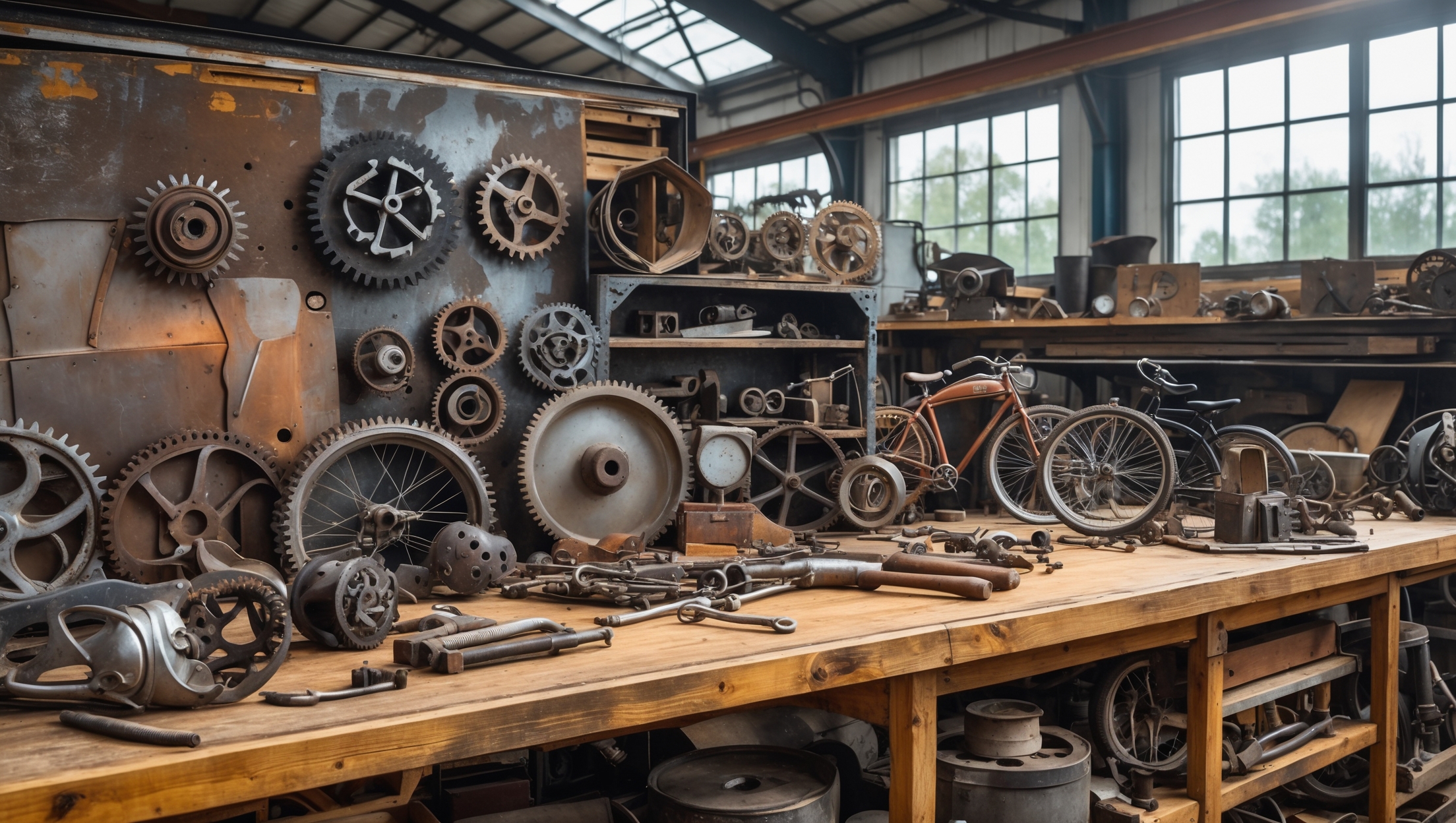
Introduction: The Creative Potential of Salvaged Metal
Salvaged metal is one of the most versatile and abundant materials available to sustainability-focused makers and upcyclers. From old steel beams and wrought iron gates to aluminum siding and copper pipes, discarded metal offers endless opportunities for creative transformation. Yet, working with salvaged metal comes with its own set of challenges—preparation, safety, technique, and project planning all require a considered approach. This comprehensive guide is designed to empower both beginners and experienced upcyclers with actionable knowledge. We’ll cover essential tools, effective restoration methods, finishing techniques, and inspiring project ideas, with a strong focus on sustainable living and environmental impact. Whether you’re hoping to craft functional furniture, bold art, or practical home fixtures, understanding how to identify, process, and upcycle salvaged metal will open the door to a world of eco-friendly possibilities. Let’s explore how you can harness this resilient material for creative and responsible living.
Understanding Salvaged Metal: Types, Sources, and Suitability
Common Types of Salvaged Metal
- Steel: Found in structural beams, rebar, machinery, and appliances. Durable and strong, but prone to rust if not protected.
- Iron: Includes cast iron (e.g., pipes, radiators) and wrought iron (e.g., gates, fences). Heavy and often ornate.
- Aluminum: Lightweight, rust-resistant, sourced from siding, window frames, and car parts.
- Copper: Highly valuable for its conductivity and appearance. Found in plumbing pipes, wiring, and decorative elements.
- Brass & Bronze: Often used for hardware, fixtures, and decorative details. Distinctive color, easy to polish.
- Tin & Zinc: Used for roofing, flashing, and containers. Softer and easy to shape.
Where to Source Salvaged Metal
- Demolition and renovation sites (with permission)
- Scrap yards and recycling centers
- Online marketplaces and classified ads
- Community swap events or freecycle groups
- Curbside finds on bulk trash days
Evaluating Salvaged Metal for Upcycling
- Rust and Corrosion: Surface rust can often be removed; severe pitting may compromise strength.
- Structural Integrity: Avoid warped, cracked, or brittle pieces for load-bearing projects.
- Paint and Coatings: Check for lead-based paint (especially on pre-1970s items) and hazardous residues.
- Size and Shape: Choose pieces that suit your project or can be cut and reshaped as needed.
Essential Tools and Equipment for Metal Upcycling
Cutting Tools
- Angle Grinder: Versatile for cutting, grinding, and smoothing metal surfaces. Use with appropriate cutting or grinding discs.
- Hacksaw: Manual and precise for smaller jobs or delicate pieces.
- Metal Shears: For cutting thin sheets of aluminum, tin, or light steel.
- Plasma Cutter: Ideal for clean, intricate cuts on thicker metals (requires experience and safety precautions).
Shaping and Joining Tools
- Bench Vise: Essential for holding workpieces steady.
- Metal Files and Rasps: For deburring and smoothing edges.
- Hammer and Anvil: For bending, flattening, and shaping metal.
- Welding Equipment: MIG or stick welders for permanent metal joining. Consider a spot welder for thin sheets.
- Riveting Tools: Useful for non-welded joins, especially decorative or lightweight work.
- Drill and Metal Bits: For creating holes for bolts, rivets, or mounting hardware.
Safety Equipment
- Heavy-duty gloves (cut and heat resistant)
- Safety goggles or face shield
- Respirator mask (for dust and fumes)
- Ear protection
- Protective clothing (long sleeves, closed-toe shoes)
- Fire extinguisher (Class B for flammable metals)
Preparation: Cleaning and Restoring Salvaged Metal
Step 1: Cleaning Off Debris and Grease
Start by removing loose dirt, dust, and grease. Use a stiff wire brush or steel wool to scrub the surface, paying attention to crevices and textured details. For oily residues, apply a degreaser or a mixture of hot water and dish soap, then rinse thoroughly and dry immediately to prevent flash rusting.
Step 2: Removing Rust and Old Paint
- Manual Methods: Use wire brushes, sandpaper, or abrasive pads for light rust. For heavier corrosion, a drill-mounted wire wheel or angle grinder with a flap disc speeds up the process.
- Chemical Rust Removers: Products containing phosphoric acid convert rust to a stable surface but require good ventilation and PPE.
- Electrolysis: A low-tech, highly effective way to de-rust iron and steel using a battery charger, washing soda, and a water bath (never use with aluminum or non-ferrous metals).
- Paint Strippers: Use only eco-friendly, non-toxic strippers and follow disposal regulations.
Step 3: Surface Preparation
Once clean and rust-free, wipe metal surfaces with acetone or denatured alcohol to remove residue. For paint or finish adhesion, scuff the surface with 120–220 grit sandpaper. Fill pits or holes with metal epoxy if required, sanding smooth after curing.
Safe and Effective Metalworking Techniques
Cutting and Shaping Salvaged Metal
Mark cuts with a scribe or permanent marker. Always clamp the workpiece securely. Use slow, steady pressure with power tools, allowing blades or discs to do the work—rushing increases the risk of jagged edges and accidents. For bending, heat the metal with a propane torch to make it more pliable, especially on thick or brittle pieces. Use an anvil or metal brake for controlled, even bends.
Joining Metal: Welding, Riveting, and Bolting
- Welding: MIG welding is beginner-friendly and works well for most upcycling projects. Stick welding is suitable for thick steel or outdoor work. Always work in a well-ventilated area with a fireproof surface.
- Riveting: Use a hand or pneumatic riveter to join thin sheets or decorative elements. Choose appropriate rivet materials to prevent galvanic corrosion.
- Bolting: For removable or adjustable joints, use stainless steel or galvanized bolts, washers, and locknuts. Drill clean holes and deburr edges before assembly.
Finishing Techniques
- Polishing: Use buffing wheels, polishing compounds, or fine steel wool to achieve a shine on copper, brass, or aluminum.
- Patination: Apply vinegar, salt, or commercially available patina solutions to create aged, colored effects on copper and brass.
- Painting and Sealing: Use a rust-inhibiting primer followed by spray or brush-on metal paints. For a clear finish, use a metal lacquer or wax to seal and protect the surface.
Creative Upcycling Project Ideas Using Salvaged Metal
Industrial-Style Furniture
- Table Bases: Weld or bolt together sections of old pipes, rebar, or angle iron to create robust, unique bases for dining or coffee tables. Top with reclaimed wood or glass.
- Shelving Units: Use steel brackets, pipes, and mesh panels to assemble modular shelving for home or workshop use.
- Stools and Benches: Combine metal legs with salvaged wood seats for a sturdy, industrial aesthetic.
Garden and Outdoor Décor
- Planters: Repurpose galvanized tubs, steel drums, or even old toolboxes as stylish, weather-resistant planters. Drill drainage holes and treat with a rust sealant.
- Trellises and Arbors: Bend and weld rebar or fencing panels into creative, custom shapes for climbing plants.
- Garden Art: Assemble whimsical sculptures from gears, chains, springs, and found objects for an eco-friendly statement piece.
Lighting Fixtures
- Pendant Lights: Convert old colanders, pipe fittings, or industrial shades into one-of-a-kind pendant lamps. Ensure proper wiring and grounding for safety.
- Lamp Bases: Stack and weld metal parts (pistons, gears, rods) for sculptural lamp bases, topped with a vintage-style shade.
Home Organization Solutions
- Hooks and Racks: Use bent rebar, pipes, or metal rods to create custom wall hooks, coat racks, or tool hangers.
- Magnetic Boards: Mount sheet steel to a frame for a functional magnetic message or spice board.
- Storage Bins: Restore and repaint old metal boxes, ammo cans, or file drawers for robust, stackable storage.
Art and Decorative Pieces
- Wall Art: Cut shapes or silhouettes from sheet metal, or assemble mosaics from small metal scraps.
- Mirrors and Frames: Fabricate ornate or industrial frames from decorative grates, rods, or sheet metal.
- Clocks: Use gears, cogs, and recycled car parts to craft unique, conversation-starting wall clocks.
Tips for Sustainable and Responsible Metal Upcycling
Minimize Waste
- Plan cuts and layouts to maximize usable material and reduce scrap.
- Save off-cuts and small parts for future projects or donate to local maker spaces.
Safe Disposal of Hazardous Byproducts
- Collect and properly dispose of paint chips, solvents, and rust dust according to local hazardous waste regulations.
- Never dump chemicals or metal shavings down drains or in regular trash.
Choosing Eco-Friendly Finishes
- Opt for low-VOC paints, natural waxes, or plant-based oils where possible.
- Research product safety and recyclability before applying finishes.
Energy Considerations
- Use manual tools when possible to reduce electricity consumption.
- Plan batch processes (e.g., welding, painting) to minimize setup and cleanup energy use.
Maintenance and Longevity of Upcycled Metal Projects
Protecting Metal from Future Damage
- Apply regular coats of wax, oil, or clear sealant to exposed surfaces.
- Inspect for signs of rust or corrosion, especially at joints and seams.
- For outdoor items, use weather-resistant paints or galvanization techniques.
Repair and Refurbishment
- Tighten bolts, replace worn rivets, and reweld joints as needed.
- Sand, clean, and touch up paint or finishes annually for high-use items.
Conclusion: Unlocking Sustainable Creativity with Salvaged Metal
Upcycling salvaged metal is a powerful way to combine sustainability, creativity, and practical skill. Unlike many other materials, metal can be restored, reshaped, and reused almost indefinitely, making it an ideal candidate for eco-conscious makers. By investing time in careful sourcing, thoughtful restoration, and responsible finishing, you not only create unique, durable items but also help divert valuable resources from the waste stream. Whether your passion lies in crafting robust furniture, whimsical art, or functional home solutions, the techniques and tips in this guide will support your journey toward a more sustainable workshop and lifestyle.
Remember, each salvaged piece has a story—and with the right approach, you can give it a new chapter that’s both beautiful and environmentally responsible. As you embark on your next metal upcycling project, share your creations, inspire your community, and continue learning new methods to expand your skills. The world of creative salvage is as limitless as your imagination and as enduring as the materials you choose to work with. Happy upcycling!



The article mentions using salvaged metals like steel, iron, and copper from places like demolition sites and scrap yards. What are some signs to look for to make sure the metal you find is actually safe and suitable for upcycling, especially for projects that involve furniture or home fixtures?
When selecting salvaged metal, check for major rust, deep pitting, or visible cracks, as these can weaken the material. Avoid metal with flaking paint, corrosion, or oily residues, especially for indoor use. Test structural integrity by tapping—solid metal makes a clear sound, while compromised pieces sound dull. For furniture or fixtures, it’s best to steer clear of metals with sharp edges or holes. If you’re unsure about past chemical exposure (like lead paint), consider testing kits for added safety.
You mention that different metals like steel, aluminum, copper, and brass each have their own properties and uses when upcycling. Are there any specific safety precautions or preparation steps that vary depending on which metal you’re working with, especially for beginners?
Yes, different metals do require different precautions. For example, cutting aluminum creates fine dust, so a mask is important. Steel can produce sharp edges and sparks, so gloves and eye protection are a must. Copper and brass may have coatings or patinas—remove these in a well-ventilated area. Always check if the metal was previously treated or painted, as some old finishes can release harmful fumes when heated or sanded.
When working with salvaged metal that has surface rust or old paint, do you have recommendations for environmentally friendly removal methods that still allow the underlying metal type (like steel versus aluminum) to be preserved for upcycling?
For removing rust or old paint in an eco-friendly way, try using vinegar or lemon juice with baking soda—these natural acids can help loosen rust without harsh chemicals. Scrub with a wire brush or sandpaper to finish. For paint, a soy-based paint remover is a greener option. Always wear protective gear and test a small area first to ensure the method doesn’t damage your specific type of metal.
You mention sourcing metal from demolition sites or scrap yards—are there particular types of salvaged metal that are safer or easier to clean for household projects like furniture or shelves? I’d love advice on what to avoid or look for to keep things family-friendly.
For household projects, look for salvaged metals like stainless steel or aluminum; these are generally safer and easier to clean. Avoid pieces with rust, flaking paint, or any signs of chemical contamination, as these could pose health risks. Try to steer clear of metals with sharp edges or oily residues. Galvanized steel can emit fumes if cut or welded, so it’s best used as-is. Always clean salvaged metals thoroughly with soap and water before bringing them indoors.
When sourcing salvaged metal from demolition sites or scrap yards, what are some effective ways to assess whether a piece of steel or iron is structurally sound enough for furniture projects, especially considering rust or previous stress?
To assess salvaged steel or iron for furniture projects, check for deep pitting or flaking rust; surface rust can often be removed, but deeper corrosion may weaken the metal. Look for bends, cracks, or weld marks that indicate previous stress or damage. Tapping the piece with a hammer should produce a clear ring, not a dull thud, which can suggest hidden flaws. When in doubt, cut a cross-section to inspect the core for uniformity and integrity.
I’m curious about the most budget-friendly tools to start cleaning and restoring salvaged metals like aluminum or copper. Are there any essential items you’d recommend for someone who’s just getting into upcycling on a small scale?
For small-scale upcycling, you can start with budget-friendly basics like a sturdy wire brush, steel wool, and some sandpaper for cleaning rust or old paint. A pair of pliers and metal snips are handy for shaping or cutting. For safety, don’t forget gloves and eye protection. Household vinegar can also help remove oxidation from aluminum and copper. These essentials should be enough to get you started without a big investment.