
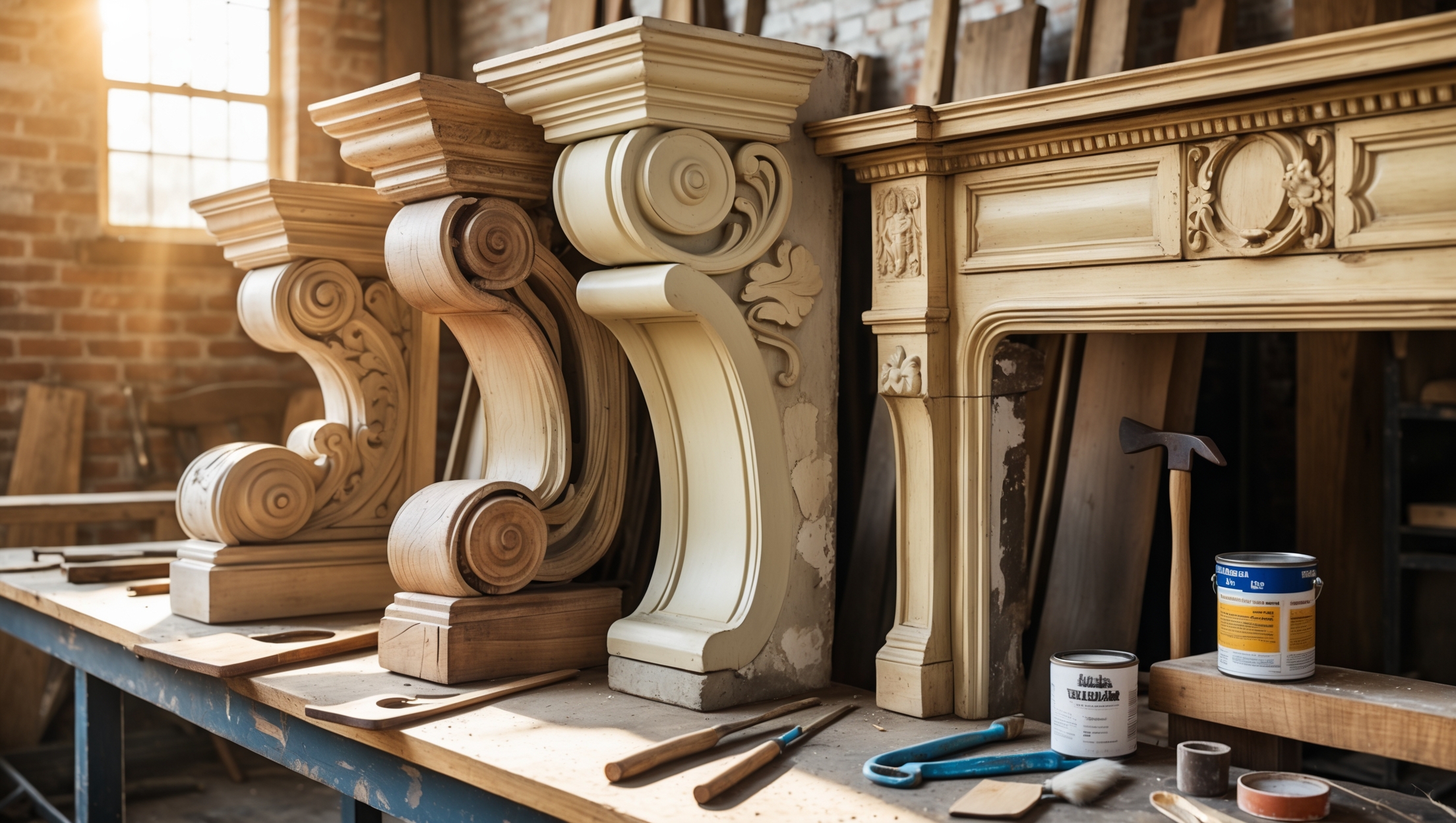
Introduction: The Allure of Salvaged Architectural Details
When it comes to sustainable living and creative upcycling, few resources rival the beauty and character of salvaged architectural details. Elements such as wood corbels, cast-iron grates, carved mantels, decorative moldings, and stained glass windows have stories to tell—each piece a unique artifact from a bygone era. Reclaiming these features keeps historical craftsmanship alive, diverts waste from landfills, and injects instant personality into modern spaces. But working with these treasures requires a keen eye, patience, and specialized restoration know-how. In this in-depth guide, you’ll learn how to source, evaluate, restore, and transform salvaged architectural details into jaw-dropping home accents. Whether you’re a seasoned upcycler or just beginning your sustainable journey, this post will reveal practical strategies for uncovering hidden gems, tips for overcoming common restoration challenges, and inspiration for integrating salvaged elements into your living space. Let’s unlock the creative and eco-friendly potential of architectural salvage together!
Understanding Salvaged Architectural Details
What Constitutes Architectural Salvage?
Architectural salvage refers to parts of buildings removed before demolition or major renovation. Unlike generic scrap, these components were often crafted with care, using high-quality materials and techniques rarely found in modern construction. Commonly salvaged details include:
- Ornamental woodwork (corbels, brackets, banisters)
- Fireplace mantels and surrounds
- Doors (panel, French, pocket, barn-style)
- Windows (especially stained, leaded, or etched glass)
- Moldings, baseboards, and wainscoting
- Metal grates, vents, and railings
- Ceramic tiles and stonework
- Architectural lighting fixtures
Why Salvage Matters: Sustainability and Character
Upcycling architectural features offers several benefits:
- Sustainability: Reduces landfill waste and demand for new materials.
- Historical Value: Preserves unique craftsmanship and heritage.
- One-of-a-Kind Results: Infuses your home with character and conversation pieces not found in mass-produced décor.
- Quality Materials: Older pieces often use superior woods, metals, or finishes.
Where and How to Source Architectural Salvage
Best Places to Find Salvaged Details
- Architectural Salvage Yards: Specialized businesses dealing exclusively in historic building parts.
- Demolition Contractors: Establish relationships to access salvaged features before they’re discarded.
- Online Marketplaces: Platforms like Craigslist, Facebook Marketplace, and eBay often have hidden gems.
- Historic Renovation Projects: Keep an eye out for community teardown notices; inquire about available salvage.
- Estate Sales and Auctions: Larger homes or commercial buildings being liquidated can yield unexpected finds.
- Habitat for Humanity ReStores: These nonprofit shops frequently receive donations of unique architectural pieces.
Tips for Sourcing Success
- Bring measurements and photos of your intended space to ensure compatibility.
- Inspect for hidden damage—rot, warping, cracks, or missing elements.
- Ask about provenance for extra historical flair.
- Negotiate—prices can often be reduced, especially for items needing repair.
- Consider how much restoration is feasible for your skill level and budget.
Evaluating Salvaged Pieces: What to Look For
Structural Integrity
Always assess the soundness of the piece. Tap wood for hollowness (a sign of rot or insect damage), check joints for looseness, and look for warping or splits. For metal elements, look for rust that goes beyond the surface—deep pitting can compromise strength.
Finishes and Paint
Many older architectural details are coated in layers of paint or varnish. Be aware of the possibility of lead paint if the piece predates 1978. Test kits are available at hardware stores. If lead is present, plan for professional removal or safe encapsulation.
Missing or Damaged Components
Assess whether missing pieces (like carved appliqués or glass panes) can be replicated or sourced. For complex profiles, restoration may require specialty woodworking or metalworking skills.
Restoration Techniques: Bringing Salvaged Details Back to Life
Cleaning and Initial Assessment
Before any restoration work, gently clean surfaces with mild soap and water. Use a soft brush for crevices. Avoid excessive moisture, especially on wood, to prevent swelling or warping. This step often reveals the true condition and helps you plan further work.
Paint and Finish Removal
- Mechanical Methods: Scraping, sanding, and wire brushing can remove paint, but take care not to damage delicate carvings or patina.
- Chemical Strippers: Choose low-toxicity, biodegradable options where possible. Always work in a well-ventilated area, wearing gloves and protective eyewear.
- Heat Guns: Useful for large, flat areas but can scorch wood if misused.
Repairing Wood Details
- Filling Cracks and Holes: Use wood epoxy or filler for small imperfections. For larger voids, consider Dutchman patches—cutting and fitting a new piece of wood.
- Replacing Missing Trim: Mill new pieces to match or use salvage from other projects. Specialty woodworking shops may replicate profiles.
- Re-gluing Loose Joints: Use high-strength adhesives and clamps to restore stability.
Restoring Metal Elements
- Rust Removal: Soak small parts in vinegar or use wire brushes for surface rust. Electrolysis can restore severely rusted pieces.
- Protective Coatings: Apply rust-inhibiting primer and paint for iron or steel. For brass or copper, polish and seal with wax or lacquer.
Repairing and Reinforcing
Stabilize any weak areas before installation. For heavy items like mantels or iron grates, ensure mounting points are strong and use appropriate anchors for your wall type.
Finishing Touches
- Stain or Paint: Match existing décor or highlight original wood grain.
- Wax or Polyurethane: Protect surfaces and enhance luster.
- Hardware: Replace missing or broken knobs, hinges, or fasteners with period-appropriate or artistic alternatives.
Creative Upcycling Ideas for Salvaged Architectural Details
Turn Corbels into Floating Shelves
Ornamental corbels, originally used to support overhangs, make stunning brackets for floating shelves. Pair with reclaimed wood planks for a cohesive vintage look in kitchens, bathrooms, or entryways.
Repurpose Doors as Sliding Room Dividers
Old paneled or French doors can be fitted with barn door hardware to create space-saving, architectural room dividers. Sand and refinish to highlight aged character, or paint in bold hues for a modern twist.
Transform Mantels into Statement Headboards
A salvaged fireplace mantel brings grandeur to a bedroom when mounted behind a bed. Add upholstered panels or vintage mirrors for extra flair.
Use Window Sashes as Decorative Mirrors
Replace glass in multi-pane window sashes with mirrors to create light-enhancing wall art. Retain original paint and patina for rustic charm, or refinish for a cleaner look.
Design a Garden Gate from Ironwork
Cast-iron railings and grates can be reimagined as fanciful garden gates or trellises. Apply a weather-resistant finish to protect from the elements.
Build Console Tables from Columns or Balusters
Pair two salvaged columns or heavy balusters with a reclaimed wood or stone top to craft a distinctive entryway table.
Create Wall Art from Moldings and Panels
Arrange ornate moldings and carved panels in geometric patterns for dimensional wall art. Paint or gild select sections for modern contrast.
Installation and Integration: Best Practices
Fitting Salvaged Pieces into Modern Spaces
- Accurate Measurements: Double-check dimensions before installation, especially when retrofitting into existing structures.
- Structural Support: Heavy pieces require secure mounting to studs or masonry.
- Complementary Finishes: Blend old and new by echoing tones or finishes elsewhere in the room.
- Lighting: Use spotlights or sconces to highlight standout features.
Safety and Compliance
- For electrical fixtures, have wiring inspected and updated to current code.
- Ensure all lead paint is encapsulated or removed safely before installation.
- Anchor heavy items securely to prevent tipping or falling.
Maintenance Tips for Long-Lasting Beauty
Regular Cleaning
Dust wood and metal features with a soft, dry cloth. Avoid harsh chemicals that can strip finishes or accelerate corrosion.
Protecting Against Moisture and Sunlight
Keep woodwork and metals away from direct water sources and prolonged sunlight, which can cause warping, cracking, or fading. Apply wax or sealants as needed to maintain protection.
Periodic Inspection
Check mounting hardware and structural integrity annually. Re-tighten screws, reapply finish, and address any emerging issues promptly to prevent larger repairs later.
Inspiration Gallery: Real-World Transformations
- Victorian Porch Columns as Kitchen Island Legs: Adds instant gravitas and detail to a functional workspace.
- Stained Glass Transoms as Interior Art: Illuminated by backlighting for dramatic effect in a hallway or bathroom.
- Carved Wood Panels as Cabinet Fronts: Upcycled into modern cabinetry, blending old-world skill with new-world function.
Conclusion: Making History Part of Your Home
Salvaging and upcycling architectural details is more than a design trend—it’s a powerful way to honor craftsmanship, promote sustainability, and create spaces with soul. Whether you’re breathing new life into a set of weathered corbels, transforming a grand mantel into a statement piece, or simply integrating a few ornate moldings, each project becomes a bridge between past and present. The process demands patience and creativity, but the results are deeply rewarding: unique home accents that can’t be replicated and a personal sense of stewardship over your living environment.
As you embark on your own architectural salvage adventures, remember to source thoughtfully, restore with care, and install safely. Don’t be afraid to mix and match eras or finishes—often, it’s the unexpected combinations that tell the best stories. Most importantly, each salvaged element you rescue is one less piece destined for the landfill, and one more thread woven into the sustainable fabric of your daily life. With the right approach and a bit of imagination, you’ll find that architectural details are not just remnants of the past—they’re building blocks for a more beautiful, conscious future. Happy salvaging!



I’m curious about where to actually find things like stained glass windows or ornate corbels for upcycling projects. Do you usually have better luck at architectural salvage yards, online, or maybe estate sales? Any tips for a first-timer on spotting genuine, high-quality pieces?
You can find items like stained glass windows and ornate corbels at architectural salvage yards, which often have a wide, authentic selection. Online marketplaces are also useful, but it’s important to ask for detailed photos and provenance. Estate sales can yield treasures, especially in older homes. For first-timers, look for solid, undamaged materials and signs of quality craftsmanship, like mortise-and-tenon joints or hand-carved details. Don’t be afraid to ask about the history of a piece.
I’m interested in integrating some salvaged elements like cast-iron grates or old doors into a rental apartment. Do you have any suggestions for ways to use these materials without making permanent changes to the space or damaging the original fixtures?
You can upcycle salvaged elements in a rental by using them as non-permanent features. For cast-iron grates, consider turning them into decorative radiator covers, free-standing room dividers, or wall art by hanging them with removable hooks. Old doors make great headboards when simply placed behind a bed or propped against a wall. None of these options require drilling or altering existing fixtures, so your rental remains undamaged.
For a small business trying to incorporate salvaged woodwork like corbels and mantels into client projects, what are some practical tips for sourcing quality pieces consistently and handling the specialized restoration work efficiently on a limited budget?
To source quality salvaged woodwork consistently, build relationships with local demolition contractors, salvage yards, and antique dealers—they often notify repeat customers about new finds. Consider joining online marketplaces or architectural salvage networks as well. For budget-friendly restoration, invest in a few essential tools and learn basic repairs like cleaning, sanding, and patching. For more specialized work, partner with a skilled restorer for occasional projects or barter services to keep costs down.
When evaluating salvaged items like stained glass windows or carved mantels, what are some red flags that might indicate the piece is too damaged to restore for home use? I want to try this but am unsure how to spot issues early.
When looking at salvaged pieces, watch out for signs like large cracks in stained glass, missing or crumbling wood on mantels, severe water damage, or pieces with extensive rot or insect infestation. If a piece feels unstable, has significant structural breaks, or is warped beyond repair, restoration can be very difficult. Minor chips and surface wear are often fixable, but anything that threatens the integrity of the item itself is a red flag.
I’m curious about integrating salvaged architectural lighting fixtures into a modern electrical system. Are there common compatibility or safety issues to consider, and do you recommend rewiring these pieces, or is it better to display them as decorative accents only?
When integrating salvaged architectural lighting fixtures into a modern electrical system, compatibility and safety are key concerns. Old fixtures often have outdated wiring or sockets that might not meet current electrical codes. It’s strongly recommended to have them professionally rewired and inspected before installation. If rewiring isn’t feasible, using them as decorative, non-functional accents is a safe alternative that still showcases their character.
When you’re sourcing salvaged architectural details like stained glass or mantels, how can you tell the difference between an authentic vintage piece and a modern reproduction? Are there certain marks or features to look for?
To distinguish authentic vintage pieces from modern reproductions, look for signs of age, such as worn edges, patina, and old hardware. Vintage stained glass may have irregularities or bubbles in the glass, and older mantels often use joinery rather than modern screws or staples. Also, check the back or underside for maker’s marks, dates, or labels, which are sometimes present on original items. If unsure, ask the seller about the item’s history or provenance.
You mention sourcing items like wood corbels and antique mantels for upcycling, but how do I know if something is safe to bring into my home? Are there any risks of lead paint or other hazards I should look out for when working with older architectural salvage?
You’re right to be cautious—older architectural salvage items can contain hazards like lead paint, asbestos, or mold. For painted wood, test for lead using a home test kit before bringing it inside or sanding. Avoid items that seem to have water damage or a musty smell, as this could mean mold. If you’re unsure, consult a professional, especially with very old or ornate pieces.
I’m interested in adding salvaged architectural elements to a small apartment, but I’m worried about the cost and sourcing. Are there particular types of architectural details that are more affordable and easier to find if you’re new to upcycling on a budget?
For a small apartment and a beginner’s budget, consider starting with items like vintage doorknobs, drawer pulls, small corbels, or decorative vent covers. These are usually more affordable and can be found at salvage yards, thrift stores, or flea markets. They’re also easy to install and add character without requiring major renovations or much space.