
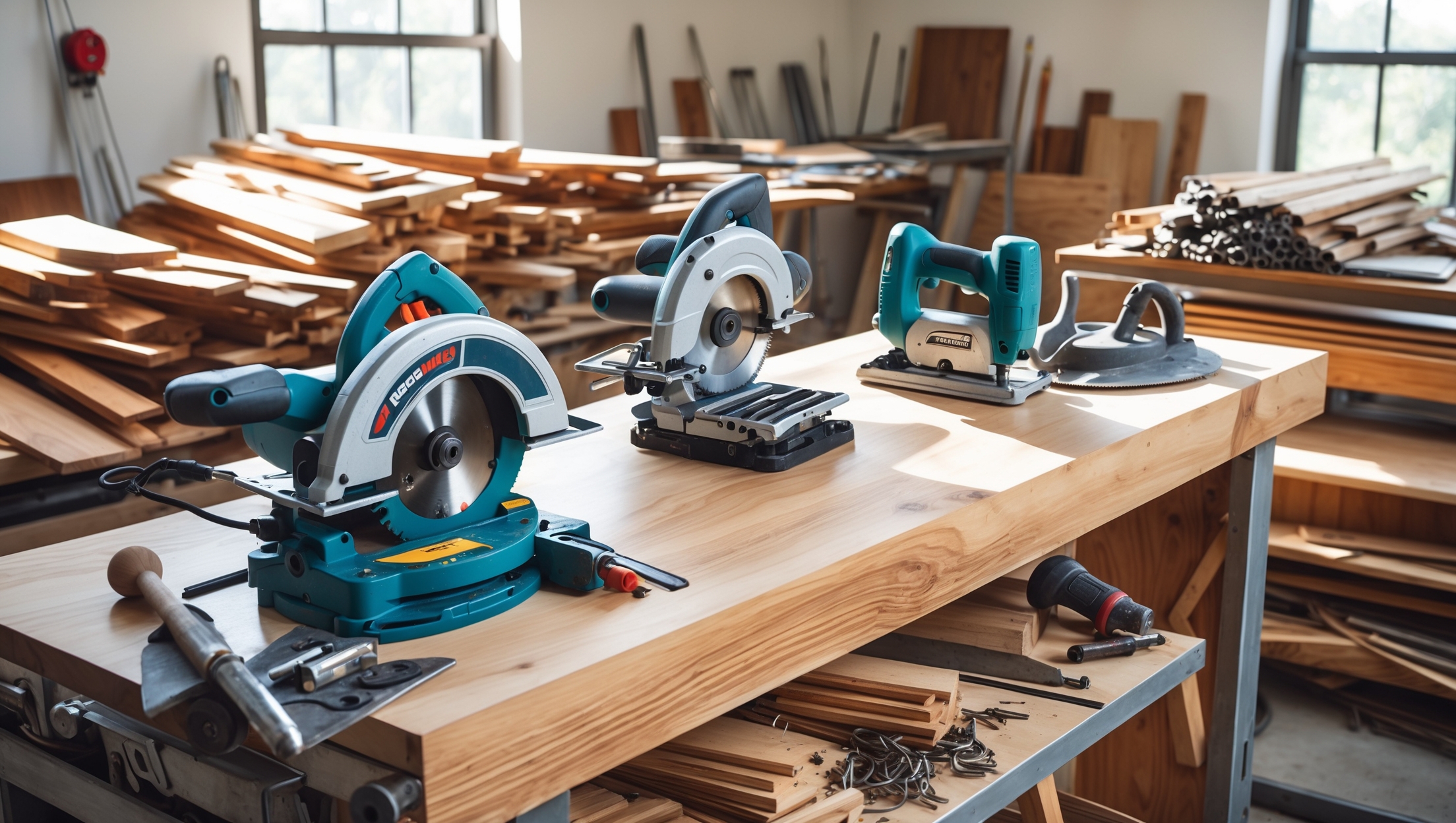
Building a creative salvage and upcycling workshop is an exciting step towards sustainable living. Whether you’re transforming discarded furniture, repurposing architectural elements, or giving new life to found materials, the right tools can make all the difference. While hand tools are essential for fine detail and finishing work, power tools dramatically expand your capabilities, efficiency, and the complexity of projects you can tackle. However, the world of power tools is vast, and investing wisely is key—especially for upcyclers who balance sustainability, budget, and safety.
This guide dives deep into the essential power tools for upcycling and creative salvage, focusing on smart investment, practical applications, and longevity. We’ll explore what tools truly matter, how to choose quality over quantity, maintenance tips, and how to avoid common pitfalls. Whether you’re setting up your first workshop or upgrading your equipment, these expert insights will help you make informed decisions and take your sustainable projects to the next level.
Why Power Tools Matter in Creative Salvage and Upcycling
Upcycling is all about transformation—turning what was once considered waste into functional, beautiful, and valuable items. Power tools empower you to:
- Process salvaged materials efficiently, especially when they’re thick, dense, or irregularly shaped.
- Make precise cuts, joints, and finishes not easily achieved by hand.
- Increase project speed, productivity, and professional results.
- Handle a wider range of materials: wood, metal, glass, plastics, and composites.
- Reduce physical strain, making upcycling accessible for all skill levels.
However, not all power tools are created equal. Selecting the right ones for your needs—and caring for them—ensures a safer, more enjoyable, and sustainable workshop experience.
Core Power Tools Every Upcycler Should Consider
While there are countless specialized tools, upcycling and creative salvage projects benefit most from a focused toolkit. Below are the essential categories, with buying tips and practical examples.
1. Cordless Drill/Driver
Why it matters: The cordless drill/driver is the backbone of any workshop. It drills holes, drives screws, mixes paint, sands with attachments, and even polishes surfaces.
- Look for: Lithium-ion batteries (longer life, lighter weight), variable speed settings, a comfortable grip, and a set of quality drill and driver bits.
- Upcycling uses: Assembling furniture, attaching hardware, drilling pilot holes in reclaimed wood, and prepping salvaged metal for fasteners.
2. Circular Saw
Why it matters: Salvaged wood often comes in odd sizes. A circular saw lets you rip and crosscut boards, panels, and even sheet metal with the right blade.
- Look for: Adjustable depth and bevel, blade guards, dust extraction port, and sturdy base plate. Cordless models offer mobility, but corded are often more powerful for workshop use.
- Upcycling uses: Cutting old floorboards for shelving, resizing doors for table projects, slicing reclaimed beams.
3. Jigsaw
Why it matters: The jigsaw excels at curved, intricate, or interior cuts. This is vital for creative projects where unusual shapes or openings are needed.
- Look for: Tool-free blade change, variable speed, orbital action, and an ergonomic handle.
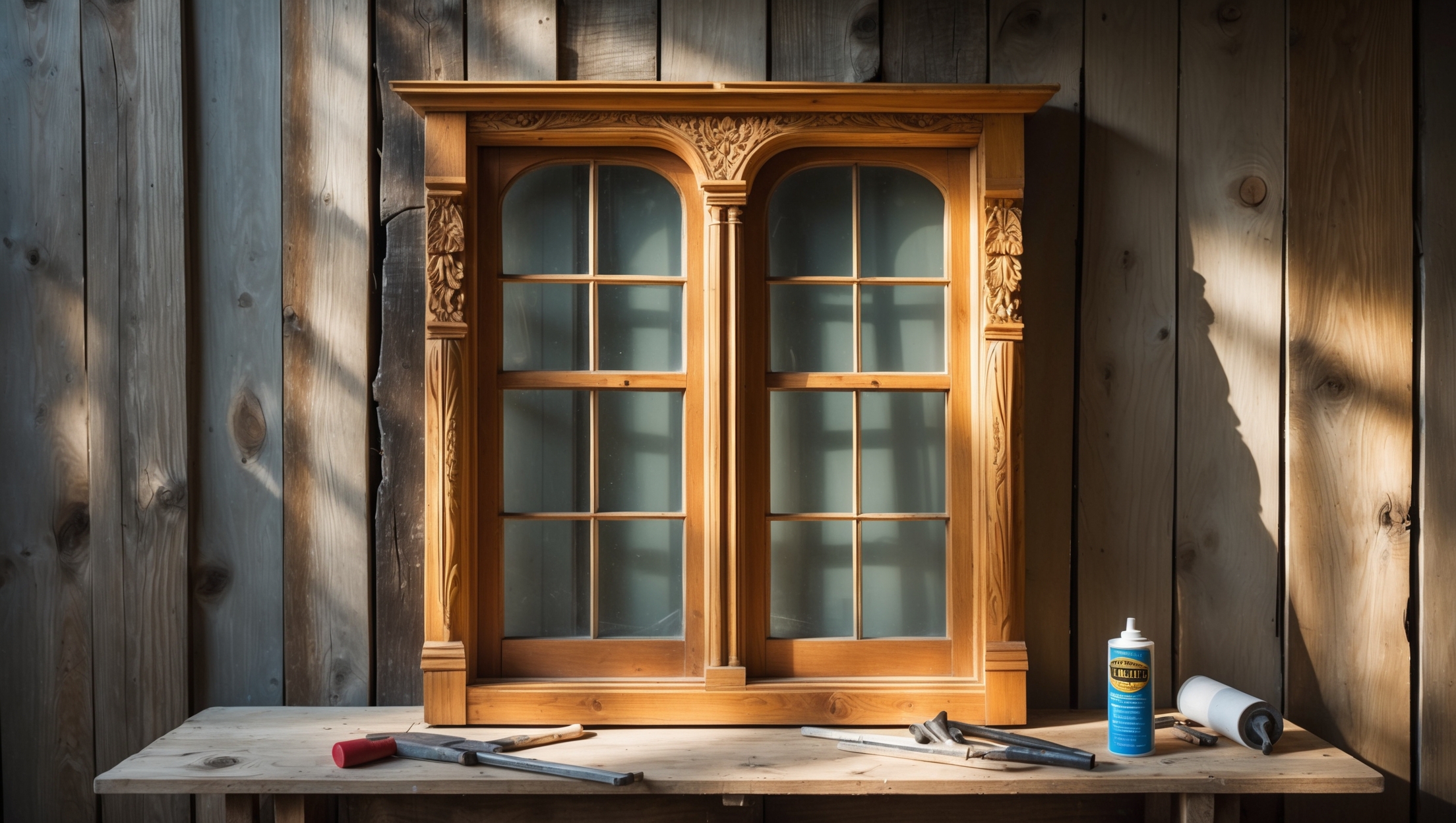
- Upcycling uses: Cutting curves for repurposed window frames, making openings in cabinet doors, shaping salvaged metal or plastic panels.
4. Orbital Sander
Why it matters: Salvaged materials often need significant surface prep. An orbital sander smooths rough wood, removes old paint, and preps metal for finishes.
- Look for: Random orbital action (for swirl-free finish), dust collection, variable speed, and easy pad replacement.
- Upcycling uses: Refinishing tabletops, prepping old doors, removing rust or paint from metal pieces.
5. Angle Grinder
Why it matters: For upcyclers working with metal, stone, or tough hardware, an angle grinder is indispensable. With the right disc, it cuts, grinds, polishes, and cleans.
- Look for: Adjustable guard, tool-less disc change, and a comfortable side handle. Consider variable speed for more control.
- Upcycling uses: Cutting bolts, grinding down welds, removing rust from salvaged cast iron, shaping stone or tile.
6. Multi-Tool/Oscillating Tool
Why it matters: This jack-of-all-trades can sand, cut, grind, scrape, and polish in tight spots. It’s perfect for detail work and awkward salvage tasks.
- Look for: Quick blade change, a variety of attachments, and variable speed.
- Upcycling uses: Removing grout from salvaged tiles, undercutting door jambs, scraping old adhesive, or making plunge cuts in tight spaces.
Choosing Wisely: Features, Brands, and Sustainability
With so many options, making smart choices is critical for a sustainable, effective workshop.
Prioritize Quality Over Quantity
It’s tempting to buy a full toolset, but investing in fewer, higher-quality tools pays off. Durable tools last years (or decades) with proper care, while cheap ones may fail quickly—wasting resources and money.
Research Reliable Brands
- Look for brands with established reputations for durability, parts availability, and repairability (such as Makita, DeWalt, Bosch, Milwaukee, or Festool).
- Check warranty terms, customer reviews, and the availability of service centers or authorized repair shops in your area.
Modular Battery Systems
If choosing cordless tools, consider sticking to one brand’s battery system. This allows you to share batteries across drills, saws, lights, and more—saving money and reducing electronic waste.
Consider Buying Used or Refurbished
Buying secondhand power tools from reputable sources (local tool shops, online marketplaces, or manufacturer refurbish programs) is a sustainable way to build your toolkit. Test tools before purchase when possible, and check for replacement parts availability.
Eco-Friendly Tool Choices
- Choose tools with low energy consumption and effective dust extraction to minimize workshop pollution.
- Consider tools with recyclable materials or eco-friendly packaging.
- Maintain and repair tools to extend their lifespan, reducing landfill waste.
Must-Have Accessories and Shop Setup Tips
Essential Accessories
- Variety of blades, sanding discs, and drill bits suitable for wood, metal, and masonry.
- Dust masks or respirators for sanding and grinding tasks.
- Hearing protection when using saws or grinders.
- Extension cords and surge protectors with proper amperage for your tools.
- Secure clamps and vises to hold irregular salvage materials safely.
Workshop Organization
- Designate separate areas for cutting, sanding, and assembly to reduce clutter and improve workflow.
- Use wall-mounted racks or pegboards for storing tools within easy reach.
- Invest in a sturdy workbench with a sacrificial top for cutting and assembly.
- Install effective dust extraction or air filtration—especially if working with vintage materials that may contain lead paint or other hazardous substances.
Maintenance and Longevity: Caring for Your Power Tools
Proper maintenance ensures your investment lasts, supports sustainability, and keeps your workshop safe.
Routine Cleaning
- After each project, remove dust and debris from vents, moving parts, and tool surfaces. Use compressed air or a soft brush.
- Clean blades and bits immediately after use to prevent rust or buildup.
Lubrication and Inspection
- Check owner’s manuals for lubrication schedules and recommended products.
- Inspect cords, batteries, and switches for wear. Replace damaged parts immediately to prevent accidents.
Proper Storage
- Store tools in dry, cool conditions to prevent rust and battery degradation.
- Keep power cords loosely coiled and off the floor to avoid tripping or damage.
Sharpening and Replacing Parts
- Sharpen blades, sanding pads, and bits regularly. Dull accessories are less effective and increase tool strain.
- Buy quality replacement parts—cheaper alternatives may reduce performance or safety.
Smart Budgeting for Your Power Tool Arsenal
Upcycling is about resourcefulness, but some tools are worth the investment. Here’s how to budget wisely:
- Start small: Buy only what you need for your first few projects. As skills and ambitions grow, so can your toolkit.
- Bundle deals: Many brands offer starter kits with a drill, saw, and batteries at a discount.
- Prioritize versatility: Tools that perform multiple functions (like oscillating tools) offer more value.
- Watch for sales: Off-season or holiday sales can yield significant savings.
- Join local makerspaces: Many offer access to professional-grade tools for a small membership fee—perfect for rare or high-cost tools.
Safety Essentials for Power Tool Use in Salvage Projects
Salvaged materials can be unpredictable—nails, hidden fasteners, old finishes, and even hazardous substances. Always:
- Inspect materials thoroughly before cutting or drilling.
- Wear safety glasses and gloves.
- Use dust collection with sanders and grinders, and wear a dust mask or respirator for older materials.
- Ensure proper lighting and clear workspaces to avoid accidents.
- Unplug or remove batteries from tools when changing blades or bits.
- Stay up to date with tool manuals and safety recalls.
Advanced Tools for Experienced Upcyclers
As your skills and ambitions grow, consider expanding your toolkit. Advanced tools include:
- Table saws: For high-precision wood projects and repeated cuts.
- Miter saws: Essential for angled cuts in frames and furniture.
- Band saws: Ideal for intricate curves in thick materials.
- Router: For decorative edges, joinery, and surface inlays.
- Planer/Thicknesser: Restoring salvaged wood to a uniform thickness.
Invest in these only as project complexity demands, and always evaluate space, power requirements, and safety needs.
Conclusion: Building a Power Tool Kit for Sustainable Upcycling
Establishing a creative salvage and upcycling workshop is about more than collecting tools—it’s about making thoughtful, sustainable choices that support your vision and values. Power tools are powerful allies in this journey, but their true value is unlocked when you invest wisely, prioritize quality, and maintain them for the long haul.
Start with the essentials: a reliable cordless drill, circular saw, jigsaw, orbital sander, angle grinder, and multi-tool. Choose reputable brands, consider secondhand options for sustainability, and stick to one battery system if going cordless. Accessories, safety gear, and a well-organized workspace amplify your efficiency and protect your investment.
Remember, skill and creativity matter more than the sheer number of tools. With a focused, well-maintained set of power tools, you can tackle a wide variety of upcycling projects—transforming salvaged materials into beautiful, functional pieces while reducing waste and supporting a more sustainable future.
As your experience grows, so can your toolkit. Always research, test, and evaluate new tools carefully, keeping sustainability and your unique project goals at the forefront. With the right approach, your creative salvage workshop will be a beacon of resourcefulness, craftsmanship, and environmental stewardship for years to come.
I’m just getting into upcycling and want to keep my setup budget-friendly. Out of all the essential power tools mentioned, which ones would you recommend prioritizing for someone mostly working with salvaged wood and old furniture? Also, are there any affordable brands that still hold up well over time?
For working mainly with salvaged wood and old furniture, I suggest prioritizing a cordless drill/driver and a jigsaw, as these two tools will handle most basic tasks like cutting, shaping, and assembling wood. If your budget allows, add a random orbital sander for smoother finishes. Look for reputable but affordable brands such as Ryobi or Black+Decker; both offer reliable tools at reasonable prices and are great for beginners.
You mention that choosing quality over quantity is important when investing in power tools for upcycling. For someone just starting out, are there specific reputable brands or specs you recommend that balance durability and affordability, especially for frequently used tools like drills and saws?
For beginners, brands like DeWalt, Makita, and Bosch are often recommended for their balance of durability, performance, and price. For drills, look for models with at least 18V battery power and variable speed settings. In saws, a corded circular saw or jigsaw with 5–7 amps is a reliable choice. These options provide quality results without breaking the bank, and they’re well-suited for regular upcycling work.
You mention the importance of maintenance for tool longevity, but I’m not sure what basic steps are necessary for beginners. Could you outline a straightforward maintenance routine for essential power tools commonly used in upcycling workshops?
Certainly! For essential power tools like drills, saws, and sanders, start by unplugging them after use and wiping them down to remove dust. Check cords and plugs regularly for wear. Clean or replace air filters if your tool has one. Lubricate moving parts as recommended by the manufacturer. Tighten any loose screws or bolts. Store tools in a dry place to prevent rust. Doing these simple steps will help keep your tools running smoothly and extend their life.
the mention of maintaining power tools for longevity. Are there specific maintenance routines you suggest for upcyclers who use their tools on a variety of materials like wood and metal, especially to keep them working safely and efficiently?
Yes, regular maintenance is key for both safety and long tool life, especially when working with wood and metal. Clean your tools after each use to remove dust and debris, paying special attention to vents and moving parts. Sharpen blades and bits regularly, check and replace worn brushes in electric motors, lubricate moving parts as recommended by the manufacturer, and inspect cords for wear. Always store tools in a dry place to prevent rust. This routine will help your power tools stay efficient and safe.
You mentioned the importance of maintaining power tools for longevity. Are there specific maintenance routines or tips you’d suggest for someone who’s completely new to power tools and wants to keep them working safely and efficiently in a home workshop?
Absolutely, taking care of your tools makes a big difference. For beginners, always unplug tools before cleaning or adjusting them. Wipe them down after use to remove dust, and check cords for wear. Lubricate moving parts as recommended in the manual, and keep blades and bits sharp. Store tools in a dry place to prevent rust, and test safety switches regularly. A little attention after each use goes a long way toward safe, reliable tools.