
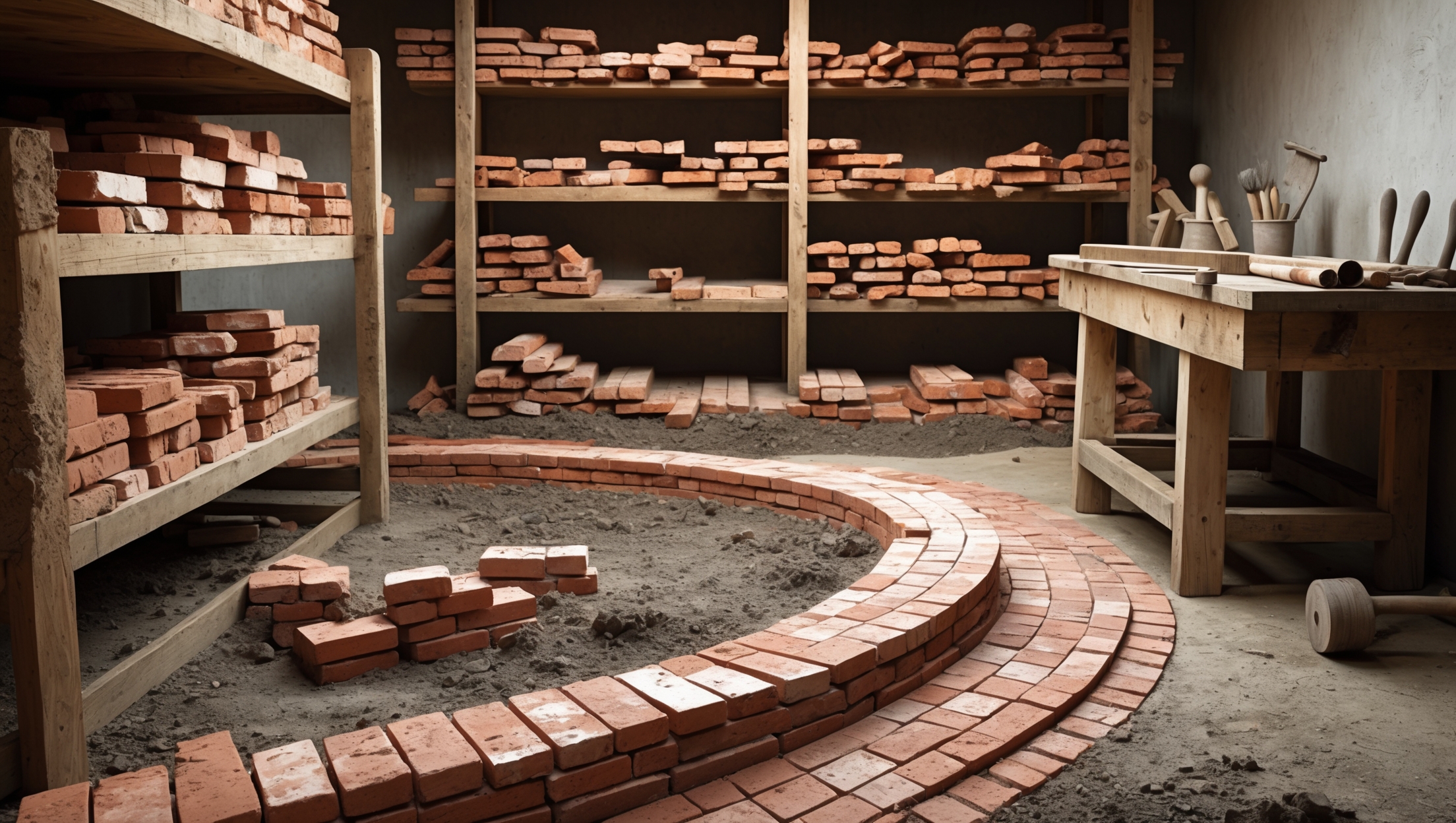
Introduction: The Timeless Appeal of Salvaged Bricks
Salvaged bricks offer a unique combination of history, durability, and sustainability that modern building materials often lack. Whether you’ve rescued bricks from a century-old structure or stumbled upon a hidden cache at a demolition site, each brick tells a story—through its weathered patina, subtle color variations, and even the remnants of old mortar. Upcycling salvaged bricks is a powerful way to infuse character and eco-consciousness into your living spaces, both indoors and out. In this guide, we’ll delve into restoration methods that reveal the hidden beauty of old bricks, explore creative upcycling projects for homeowners and makers of all skill levels, and share practical building tips to ensure your efforts are not only sustainable but also structurally sound. You’ll learn how to source, clean, and assess old bricks, how to plan and execute imaginative projects, and how to avoid common pitfalls. Let’s unlock the potential of salvaged bricks for your next sustainable living project.
Why Choose Salvaged Bricks?
Environmental Benefits
Reusing bricks diverts waste from landfills, reduces the demand for new clay extraction, and lowers the carbon footprint associated with brick manufacturing and transport. Each salvaged brick you use saves energy and resources, making your project significantly greener.
Character & Aesthetic Value
Salvaged bricks feature irregularities and patinas that new bricks lack. Their aged appearance adds charm and authenticity to any space, from rustic garden paths to industrial-chic interiors.
Durability & Quality
Bricks made before the mid-20th century often used higher-quality materials and firing techniques. Properly restored, these bricks can outlast many modern counterparts.
Sourcing Salvaged Bricks Responsibly
Where to Find Old Bricks
- Demolition sites: Seek permission and ensure safety before salvaging.
- Architectural salvage yards: Many specialize in reclaimed masonry.
- Online marketplaces: Look for local listings to minimize transport emissions.
- Construction waste recycling centers: Some allow public purchases.
What to Look For
- Solid vs. hollow: Older solid bricks are more versatile for upcycling.
- Condition: Avoid bricks with severe cracks, spalling, or crumbling edges.
- Origin: Provenance can add historical interest—ask for background when possible.
Ethical Salvage
Always obtain permission before removing bricks from any site. Verify that the bricks are not protected by local heritage laws. When buying, choose vendors who document the source for transparency and legality.
Restoring Salvaged Bricks: Cleaning & Preparation
Essential Tools & Supplies
- Wire brushes (handheld and drill-mounted)
- Cold chisels and masonry hammers
- Putty knife or brick bolster
- Stiff-bristled broom
- Bucket, sponge, and clean water
- Safety goggles and gloves
Step-by-Step Cleaning Process
- Dry Brushing: Remove loose debris with a broom and wire brush.
- Mortar Removal: Hold the brick securely. Use a cold chisel and hammer to gently chip away old mortar. Avoid striking too hard—old bricks can be brittle.
- Detail Cleaning: Use a putty knife for stubborn bits. For large batches, a drill-mounted wire brush speeds up the process.
- Washing: Dampen a sponge in clean water and wipe down each brick. Avoid soaking, as water can draw out salts (efflorescence).
- Drying: Lay bricks in a single layer to air dry thoroughly before use.
Dealing with Paint, Tar & Stains
- Paint: Use a paint scraper or eco-friendly paint remover. Avoid harsh chemicals that may degrade the brick.
- Tar/Grease: Apply a poultice of baking soda and water, let sit, then scrub gently.
- Moss/Algae: Scrub with a vinegar-water solution (1:4 ratio) and rinse.
Assessing Brick Quality
- Tap Test: A solid brick will ring when tapped with a metal tool. A dull thud may indicate internal weakness.
- Check for Spalling: Flaking or crumbling surfaces signal frost damage—set these bricks aside for non-structural uses.
Creative Upcycling Projects with Salvaged Bricks
1. Garden Edging & Raised Beds
Lay bricks lengthwise or on edge to create charming, long-lasting borders. For raised beds, stack bricks in a staggered (running bond) pattern, using reclaimed lime mortar for authenticity. Leave weep gaps for drainage.
2. Patios & Walkways
Design herringbone, basketweave, or random patterns for a unique look. Prepare a stable base of compacted gravel and sand. Dry-lay bricks for flexibility or use a permeable mortar if desired. Sweep sand into the joints to lock bricks in place.
3. Vertical Features: Walls, Planters & Fire Pits
- Accent Walls: Build a low garden wall or a feature wall inside a home. Reinforce with rebar and use breathable lime mortar to accommodate old brick movement.
- Planters: Form U-shapes or circles, ensuring proper drainage by leaving gaps or drilling holes. Line with landscape fabric if desired.
- Fire Pits: Only use fire-rated salvaged bricks. Stack in a ring, securing with refractory mortar. Add a gravel base and ensure appropriate clearances from combustible materials.
4. Furniture & Decorative Accents
- Benches: Stack bricks for supports and top with a reclaimed hardwood slab.
- Bookends & Doorstops: Clean, single bricks with unique markings make functional accents.
- Outdoor Shelves: Alternate stacking bricks and thick wood planks for rustic shelving.
5. Indoor Applications
- Exposed Brick Panels: Use thin-sawn salvaged bricks to create a feature wall (thin brick veneer) in kitchens or entryways.
- Fireplace Surrounds: Salvaged bricks add warmth and authenticity. Ensure bricks are structurally sound and mortar is heat-resistant.
Practical Building & Installation Tips
Choosing the Right Mortar
Modern Portland cement mortars can be too rigid for old bricks, leading to cracking. Opt for lime-based mortars, which are more flexible and allow bricks to “breathe.” For dry-stacked projects, use sand or fine gravel to fill joints.
Layout & Pattern Planning
- Dry-lay bricks first to experiment with patterns and ensure you have enough material.
- Mix bricks from different sources to blend slight color variations for a natural look.
- Use a string line and level for straight runs; for curves, lay out a garden hose as a flexible guide.
Cutting & Shaping Bricks
Score bricks with a brickset chisel and hammer, then snap cleanly. For more precise cuts, use a wet saw with a diamond blade. Always wear eye protection and a dust mask.
Safety Best Practices
- Wear gloves and steel-toed boots when handling heavy bricks.
- Lift with your legs, not your back, and use a wheelbarrow for larger quantities.
- Work in a well-ventilated area, especially when cutting or cleaning bricks.
Maintenance & Longevity of Upcycled Brick Features
Outdoor Structures
- Inspect annually for loose bricks or deteriorated mortar joints. Repoint as needed with matching lime mortar.
- For patios and paths, top up joint sand after heavy rains to prevent weed growth and shifting.
- Clean with a broom and occasional water rinses—avoid high-pressure washers that can erode the brick surface.
Indoor Brickwork
- Vacuum or dust regularly to prevent buildup.
- If sealing is desired, use a breathable masonry sealer to prevent moisture trapping.
- Monitor for efflorescence (white powdery deposits) and address moisture sources if noticed.
Budgeting for Salvaged Brick Projects
Cost Factors
- Purchase vs. Salvage: Free bricks can be found with effort, but labor and logistics add indirect costs. Purchased salvaged bricks may range from $0.50 to $2.00 per brick, depending on quality and provenance.
- Cleaning & Preparation: Budget time for labor-intensive cleaning (expect 10–15 minutes per brick if heavily soiled).
- Transport: Bricks are heavy—calculate fuel or delivery fees accordingly.
- Mortar & Tools: Lime mortar, masonry tools, and safety gear are essential investments.
Saving Strategies
- Salvage bricks in bulk when possible to reduce per-unit cost.
- Partner with local demolition crews or recycling centers for early access to materials.
- Repurpose damaged bricks for non-structural uses, such as garden fill or creative mosaic paths.
Legal Considerations & Compliance
Some municipalities restrict the reuse of building materials in structural applications for safety reasons. Always check local building codes before constructing load-bearing walls or permanent outdoor installations. For historic bricks, verify that removal and reuse are permissible—especially if the original site has heritage status.
Case Inspiration: Transforming a Demolition Find into a Sustainable Patio
When a local school was demolished, upcycler Alex Morgan obtained permission to salvage several hundred bricks. After a weekend of careful cleaning and sorting, Alex used the bricks to build a winding garden path and a small patio. By dry-laying the bricks over a bed of compacted sand, Alex not only saved money but also avoided concrete, making the installation permeable and eco-friendly. The result: a unique, story-filled gathering space that celebrates the past while minimizing environmental impact. Alex’s project demonstrates how patience and creativity can turn demolition waste into lasting beauty.
Conclusion: Building a Sustainable Future, One Brick at a Time
Upcycling salvaged bricks is more than a design choice—it’s a statement about valuing history, conserving resources, and fostering sustainable living. With thoughtful restoration, creative vision, and sound building practices, you can transform humble old bricks into remarkable features that enhance any space. Whether you’re edging a garden, crafting a fire pit, or building an accent wall, each brick you reclaim helps reduce waste, lower your carbon footprint, and preserve architectural heritage. As you embark on your next project, remember to source responsibly, clean meticulously, and build with care. The effort you invest will reward you with not only a beautiful, durable result but also the satisfaction of knowing you’ve contributed to a more sustainable world—one brick at a time.


I’m new to DIY and really interested in the idea of upcycling old bricks, but I’m not sure how to tell if the salvaged bricks I find are actually strong enough for a project. What are the easiest ways to check their durability and quality, especially if they have some old mortar stuck on them?
To check if salvaged bricks are still durable, first look for visible cracks, crumbling, or deep chips. Tap each brick lightly with a hammer or another brick—good bricks make a solid, ringing sound, while weak ones sound dull or break easily. If mortar is stuck on, try chipping it off gently; if the brick stays intact, that’s a good sign it’s sturdy enough for most DIY projects.
The article mentions that bricks made before the mid-20th century often have better quality and firing techniques. Are there any specific visual cues or quick tests you recommend to help differentiate these older, higher-quality bricks from more recent ones during the sourcing process?
Older, high-quality bricks often have deeper, richer colors and may show subtle surface irregularities from being hand-molded. You can also look for indented maker’s marks, which were more common in early bricks. Try tapping the brick—older, well-fired bricks produce a clear, ringing sound, while newer or lower-quality ones sound dull. Checking weight and density can also help, as older bricks tend to be heavier and denser.
When cleaning old bricks I found at a local demolition site, how do I know if I’ve removed enough of the old mortar to make them safe and secure for a new indoor project? Are there signs that tell me when a brick isn’t worth upcycling?
To make old bricks safe for reuse, check that most of the old mortar is chipped away, leaving a relatively smooth and even surface. The brick should fit well with others without large mortar lumps getting in the way. Avoid using bricks that are cracked, crumbly, or have deep mortar stains that can’t be removed—these may not be strong or safe enough for indoor projects.
When salvaging bricks from a demolition site, how do you tell if they are still structurally sound enough for use in load-bearing projects? Are there any quick tests or signs to check before bringing a whole batch home?
To check if salvaged bricks are still strong enough for load-bearing use, look for visible cracks, crumbling edges, and signs of major chipping—these are warning signs to avoid. Try tapping each brick; a solid, ringing sound usually means it’s in good shape, while a dull thud can indicate internal damage. You can also drop a brick from about waist height onto a hard surface—if it breaks or chips easily, it’s not suitable for structural use. Always avoid bricks with visible mortar still attached, as this can weaken their performance.
You mentioned that bricks from before the mid-20th century tend to be higher quality. If I’m buying from a salvage yard, are there particular features or markings I should look for to make sure I’m getting durable bricks for a patio project?
When looking for durable salvaged bricks for a patio, check for uniform, dense bricks with sharp edges and minimal cracks. Older high-quality bricks often feel heavier and ring when tapped together. Avoid bricks that crumble easily or show lots of surface wear. You might also find maker’s marks or stamps, which can indicate the brick’s age and origin, often a sign of older, well-fired bricks suitable for outdoor use.
I’m interested in using salvaged bricks for an outdoor project, but I’m concerned about their durability compared to new bricks, especially in harsher climates. Are there specific types of old bricks or restoration processes you would recommend to ensure long-lasting results?
Salvaged bricks can be very durable if you select the right ones. Look for dense, well-fired bricks, often known as ‘engineering bricks,’ which are less porous and withstand freeze-thaw cycles better. Avoid older, handmade bricks for harsh climates, as they may be softer. For restoration, clean bricks thoroughly and repoint with a strong mortar suited for exterior use. Applying a breathable sealant can also help protect against moisture while preserving appearance.