

Introduction: Why Safety Should Be Every Upcycler’s Top Priority
Upcycling and creative salvage offer inspiring ways to blend sustainability with artistry. But before you transform a curbside find into a showpiece or restore a timeworn cabinet, it’s crucial to prioritize safety at every stage. Salvaged materials often come with hidden risks—think old lead paint, unseen mold, sharp edges, or rusted fasteners. Add to this the use of power tools, chemical finishes, and heavy lifting, and it’s clear that every upcycler needs a robust safety protocol.
This comprehensive checklist is designed for both hobbyists and dedicated artisans. Whether you’re tackling your first small project or running a full-scale salvage workshop, these safety practices will help you avoid injuries, protect your workspace, and ensure your upcycling journey remains creative—and incident-free. We’ll cover protective gear, workspace setup, tool handling, chemical safety, inspection of salvaged materials, and emergency preparedness. Let’s create with confidence and make safety the foundation of sustainable living!
Personal Protective Equipment (PPE): Essential Gear for Every Project
Why PPE Matters in Creative Salvage
Personal protective equipment isn’t optional when working with salvaged materials. Old furniture, metal fixtures, and reclaimed timber can harbor splinters, toxic dust, or sharp fragments. PPE acts as your first line of defense.
Core PPE Checklist
- Safety Glasses or Goggles: Protect your eyes from dust, flying debris, and chemical splashes.
- Heavy-Duty Gloves: Use cut-resistant gloves for wood and metal; chemical-resistant gloves for solvents and paints.
- Respirator or Dust Mask: Essential when sanding, stripping paint, or working with unknown finishes. Use NIOSH-approved masks for lead or mold.
- Hearing Protection: Power tools can exceed safe decibel levels. Use earmuffs or plugs whenever tools are running.
- Steel-Toed Boots: Prevent foot injuries from dropped materials or heavy objects.
- Apron or Coveralls: Shield skin and clothing from splinters, stains, and chemicals.
PPE Pro Tips
- Inspect PPE before each use—replace worn or damaged items immediately.
- Store PPE in a clean, dry area to extend its lifespan.
- Keep an extra set of basic PPE for guests or workshop helpers.
Workspace Safety: Setting Up for Success
Organized Layout
Cluttered spaces are hazardous. Arrange tools, materials, and salvage finds so that walkways are clear and work surfaces are stable.
- Designate zones for cutting, sanding, finishing, and storage.
- Use sturdy shelves or bins for salvaged materials—never stack wood, metal, or glass precariously.
- Keep electrical cords and hoses neatly coiled to prevent tripping.
Ventilation and Lighting
- Ensure your workspace has strong ventilation, especially when working with paints, adhesives, or stripping agents.
- Use exhaust fans or open windows to reduce fumes and dust.
- Position task lighting directly over work areas for clear visibility. Avoid shadows that can obscure hazards.
Fire Safety
- Keep a Class ABC fire extinguisher within easy reach.
- Store flammable liquids in approved safety cans, away from heat or sparks.
- Dispose of oily rags in a metal container with a tight lid to prevent spontaneous combustion.
First Aid Readiness
- Stock a first aid kit with bandages, antiseptics, tweezers, and burn cream.
- Post emergency contact numbers and workshop address near the phone or exit.
Hazard Identification: Assessing Salvaged Materials
Spotting Hidden Dangers
- Lead Paint: Common in items built before 1978. Test with lead swabs before sanding or stripping.
- Asbestos: Found in some old insulation, flooring, or adhesives. Don’t disturb suspicious materials—consult a professional.
- Mold or Mildew: Inspect for black, green, or white fuzzy growth, especially on damp wood or upholstery. Wear a respirator and clean with appropriate fungicides.
- Sharp Edges and Rust: Run gloved hands along surfaces to feel for exposed nails, screws, or jagged metal.
- Pest Infestation: Look for insect holes, droppings, or webs—treat or discard infested materials.
Safe Handling Protocols
- Never sand, cut, or burn painted surfaces until you’ve ruled out lead and asbestos.
- Remove or hammer in protruding fasteners before moving large items.
- Clean all salvaged finds with mild detergent and water before bringing them into your workspace.
Tool Safety: Proper Use and Maintenance
Choosing the Right Tool for the Task
- Use hand tools for delicate disassembly; reserve power tools for heavy-duty cutting or shaping.
- Match blades, bits, and accessories to the material—never force the wrong tool.
Pre-Use Inspection
- Check cords for frays and plugs for damage on power tools.
- Inspect blades for sharpness and cracks.
- Test all safety features, such as guards and emergency stops.
Safe Operation Practices
- Unplug tools before changing blades or making adjustments.
- Clamp materials securely before cutting or drilling.
- Keep hands clear of moving parts and cutting paths.
- Let tools come to a complete stop before setting them down.
Post-Use Care
- Clean tools after each session to prevent rust and residue buildup.
- Store sharp or heavy tools in locked cabinets, out of reach of children.
Chemical Safety: Working with Finishes, Strippers, and Adhesives
Material Safety Data Sheets (MSDS)
Always read the MSDS for any chemical product you use. It provides crucial information on hazards, proper handling, and emergency response.
Safe Storage and Use
- Store chemicals in original containers with clear labels.
- Keep solvents, thinners, and paints away from heat sources and out of direct sunlight.
- Never mix chemicals unless directed by the manufacturer.
Application Tips
- Wear chemical-resistant gloves and eye protection.
- Work in well-ventilated areas or outdoors.
- Dispose of rags and brushes according to local hazardous waste regulations.
Lifting and Moving Salvaged Materials Safely
Proper Lifting Techniques
- Bend at the knees, not the waist, and keep the load close to your body.
- Lift with your legs—not your back—to prevent strain.
- Ask for help or use dollies/hand trucks for heavy or awkward pieces.
Transport and Storage
- Secure loads in vehicles to prevent shifting during transit.
- Stack materials safely, with heavier items on the bottom and fragile ones on top.
- Store large items upright and supported to avoid tipping.
Emergency Preparedness: Planning for the Unexpected
Essential Contacts and Procedures
- Post the phone numbers for poison control, emergency services, and your local hospital in a visible area.
- Train yourself and helpers in basic first aid and fire extinguisher use.
- Keep a charged cell phone in the workshop at all times.
Evacuation and Fire Drills
- Identify all exits and keep them clear of obstructions.
- Practice a quick evacuation route, especially if working with flammable or toxic materials.
Incident Reporting and Documentation
- Record any injuries, near-misses, or hazardous material exposures with time, date, and details.
- Review and update your safety procedures regularly to prevent repeat incidents.
Upcycling with Children or Guests: Extra Precautions
- Supervise children closely—never leave them unattended in the workspace.
- Assign age-appropriate tasks; restrict access to power tools and chemicals.
- Provide child-sized PPE and explain safety rules clearly.
- Designate a safe zone away from active work areas for guests or pets.
Regular Safety Audits: Keeping Your Workshop Incident-Free
Monthly Checklist
- Inspect all PPE, tools, and first aid supplies for wear or expiration.
- Test smoke detectors and replace batteries as needed.
- Review chemical storage and update inventory logs.
- Check for clutter, blocked exits, and tripping hazards.
Annual Safety Review
- Schedule professional inspections for electrical systems if using high-powered tools.
- Attend or organize a safety workshop to stay current on best practices.
Conclusion: Create Confidently—Make Safety Your Signature
Sustainable living through creative salvage is more than a trend—it’s a meaningful lifestyle that blends environmental responsibility with personal expression. But sustainability must include the safety of the creator. By adopting this comprehensive checklist, you’re not only protecting yourself, your helpers, and your workspace; you’re also ensuring that each upcycled masterpiece is crafted with care from start to finish.
Remember: accidents are almost always preventable with the right protocols in place. Regularly review and update your safety practices, invest in quality PPE, and treat every salvaged item with respect and caution. Over time, these habits become second nature, allowing your creativity to thrive without unnecessary risks. Share your safety knowledge with fellow upcyclers and help build a culture of mindful making throughout the creative salvage community. Let’s keep our workshops vibrant, our projects sustainable, and our passion for upcycling both inspired and secure.
Stay creative—and stay safe!


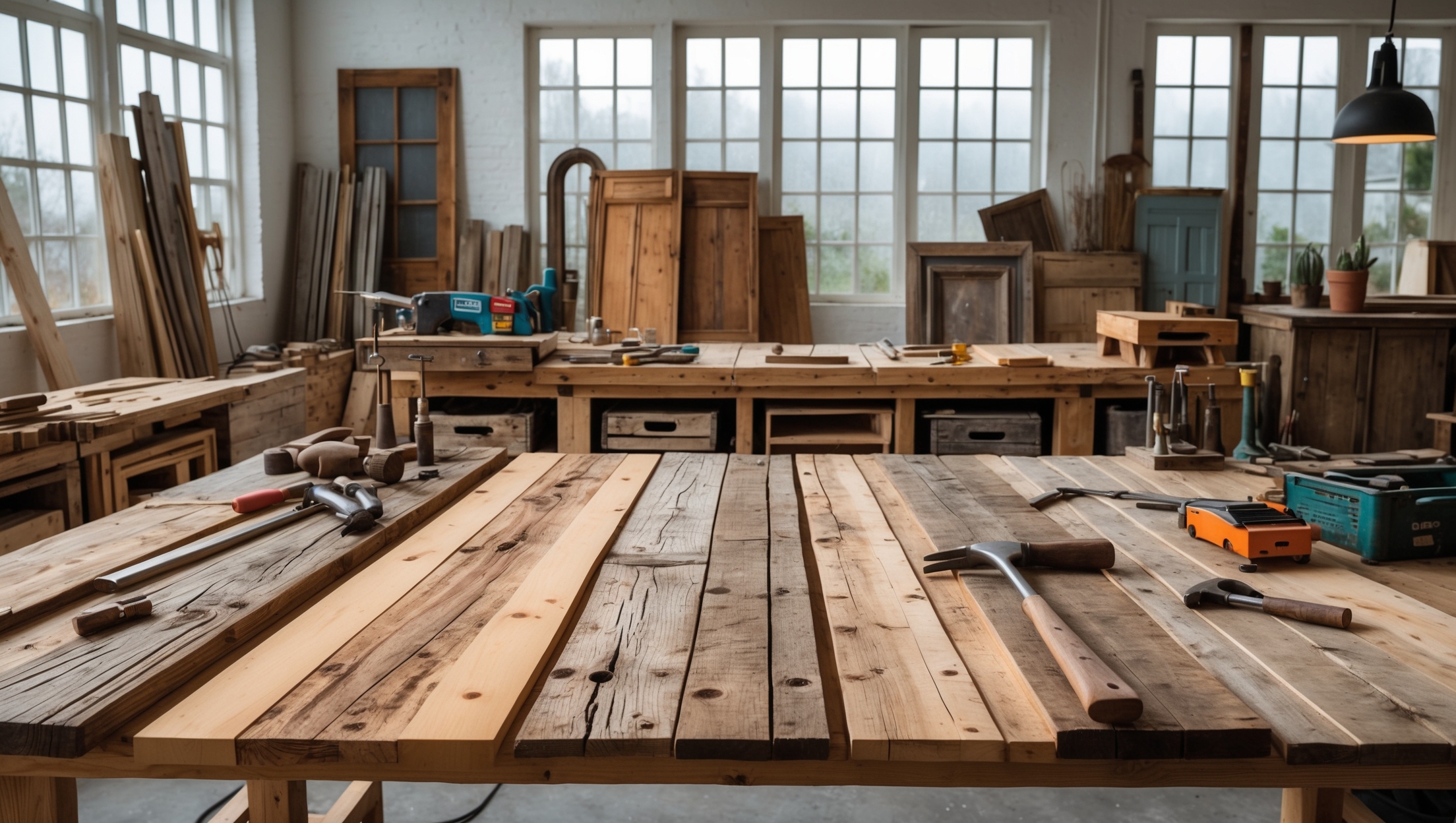
I noticed the article talks about using NIOSH-approved masks for dealing with lead or mold during upcycling. How do you know when a regular dust mask isn’t enough, and what’s the best way to identify if salvaged materials actually contain hazardous substances like lead paint before starting a project?
A regular dust mask mainly filters out nuisance dust but doesn’t protect against toxic particles like lead or mold spores. When working with old paint, stained wood, or materials from buildings built before 1978, it’s safer to assume hazards could be present. To check for lead paint, you can use a lead test kit available at hardware stores. For mold, look for visible growth or musty smells. If there’s any doubt, using a NIOSH-approved respirator is the safest choice.
I noticed you mentioned the importance of using NIOSH-approved respirators, especially for handling lead or mold. How can a beginner easily identify if a mask meets these standards, and are there budget-friendly options you’d recommend for occasional upcycling projects?
To check if a respirator is NIOSH-approved, look for ‘NIOSH’ printed on the mask or packaging, along with a specific approval number. This ensures it meets safety standards. For occasional use, disposable N95 respirators from reputable brands are both effective and budget-friendly. Just make sure they are labeled as NIOSH-approved and fit snugly for proper protection.
I’m just getting into upcycling and have noticed a lot of salvaged furniture around my neighborhood has chipping paint. How can I tell if the paint contains lead before starting a project, and do you have recommendations for safe removal if it does?
Chipping paint on old furniture can sometimes contain lead, especially if the piece was made before 1978. To check, you can use an at-home lead test kit from a hardware store—just follow the instructions on the package. If lead is present, wear a respirator, gloves, and work in a well-ventilated area. Wet-sanding or using a chemical paint stripper is safer than dry sanding, as it limits dust. Always clean up thoroughly after removal.
I noticed you recommend NIOSH-approved respirators for situations involving lead or mold. Are there specific models or ratings that work best for the kinds of upcycling projects most people do, especially if they’re only occasional hobbyists and not professionals?
For most hobbyist upcyclers dealing with occasional exposure to lead paint or mold, a NIOSH-approved N95 respirator is usually sufficient. If you expect heavier exposure or work in poorly ventilated spaces, a P100 respirator offers higher protection. Look for models labeled as N95 or P100 and make sure they fit well. For reusable options, half-face respirators with replaceable cartridges are a good investment if you upcycle regularly.
I noticed you mentioned using NIOSH-approved masks when working with lead or mold. How can I tell if the dust mask or respirator I find at a local store actually meets those standards, and are there any specific models you’d recommend for beginners?
To check if a mask or respirator is NIOSH-approved, look for ‘NIOSH’ printed on the device or packaging, along with a rating like N95, N100, P100, or similar. This labeling confirms it meets safety standards. For beginners, disposable N95 respirators from brands like 3M or Honeywell are widely available and effective for most upcycling projects involving dust, lead, or mold. Just make sure the seal fits snugly on your face for proper protection.
Is there a budget-friendly way to get all the essential personal protective equipment you listed, like steel-toed boots and cut-resistant gloves, or do you have tips on where students can find affordable yet safe gear for upcycling projects?
You can often find affordable personal protective equipment at local hardware stores, big-box retailers, or online marketplaces. Look for sales, clearance items, or starter kits that bundle essential gear. For students, checking with university shops or borrowing from community workshops can also help lower costs. Thrift stores sometimes carry steel-toed boots in good condition, and basic cut-resistant gloves are usually reasonably priced online.
I am just getting started with upcycling and I noticed the checklist mentions respirators or dust masks, especially for dealing with old paint or mold. What kind of respirator should a beginner look for on a budget, and how do I know if it will protect against lead or mold specifically?
For beginner upcyclers, a good starting point is a NIOSH-approved N95 or P100 respirator, as these offer protection against dust, mold spores, and some particles from old paint. Look for respirators that specifically mention lead or mold protection on the packaging, and always check that the fit is snug. Disposable N95 masks are budget-friendly, but for frequent use, a reusable half-face respirator with replaceable filters is a wise upgrade.
I noticed the checklist mentions using NIOSH-approved masks when dealing with lead or mold. Is there a specific type or rating of respirator you recommend for those situations, especially for people working on a budget?
For working with lead or mold, a NIOSH-approved respirator with a P100 filter is generally recommended, as it filters out at least 99.97% of airborne particles. Look for half-face respirators marked as N100, P100, or HEPA, which are widely available and effective. For those on a budget, reusable half-face respirators with replaceable P100 cartridges are a solid, cost-effective choice compared to disposable masks.
I have a small workspace at home, and sometimes my kids wander in while I’m working on upcycling projects. Based on your checklist, what extra steps should I take to make sure the area stays safe for them, especially if I’m in the middle of using chemicals or power tools?
To keep your kids safe, always store chemicals, sharp tools, and power tools out of reach immediately after use, even if you plan to return soon. Use childproof locks or cabinets if possible. When you’re working, keep the workspace door closed or use a safety gate to restrict access. Make sure to clean up spills right away and unplug equipment when not in use. Finally, never leave active projects unattended, especially if hazardous materials are involved.
I noticed the checklist mentions using different types of gloves depending on the materials, like cut-resistant for wood and metal and chemical-resistant for solvents. As a beginner, how can I tell which type I need if I’m not sure exactly what finishes or materials are on my salvage find?
When you’re unsure about the materials or finishes on your salvage find, it’s safest to start with chemical-resistant gloves, since they offer broad protection against unknown substances and solvents. Once you identify cuts or sharp edges, you can add cut-resistant gloves over or instead. If you’re dealing with unknowns, always air on the side of caution and prioritize gloves that protect against both chemicals and sharp objects until you’re certain.
The checklist suggests both cut-resistant and chemical-resistant gloves depending on the materials or chemicals used. Are there specific brands or glove materials that work well for upcyclers who frequently switch between wood, metal, and paint tasks?
For upcyclers moving between wood, metal, and paint tasks, look for gloves made from nitrile for chemical resistance (paints, solvents) and high-performance polyethylene (HPPE) or Kevlar for cut resistance (wood, metal). Some brands offer multi-purpose gloves with both features, like Ansell or Mechanix. You might want to keep separate pairs for painting and cutting, since paint can degrade cut-resistant materials over time.
I see that you recommend NIOSH-approved masks for dealing with lead or mold. How can I tell if a salvaged piece actually has lead paint or mold before I start my project, especially if the surface is already painted or stained?
Determining if a salvaged piece has lead paint or mold can be tricky. For lead, you can use a readily available lead test swab kit, which gives quick results when rubbed on the painted surface. Mold can sometimes be spotted as black, green, or white fuzzy patches, but if it’s hidden or you smell mustiness, it’s best to assume mold is present. When in doubt, use protective gear and work in a well-ventilated area, or consult a professional for testing.
I noticed you mention using both cut-resistant and chemical-resistant gloves. Is there ever a situation where one type of glove might be enough, or should upcyclers always have both kinds on hand for different project stages?
Cut-resistant and chemical-resistant gloves serve different purposes. If your project involves only sharp materials without exposure to chemicals, cut-resistant gloves are usually sufficient. Likewise, for handling only paints or solvents, chemical-resistant gloves should do the job. However, for many upcycling projects that involve both sharp edges and chemicals, it’s best to have both types on hand and switch as needed for proper protection.
Do you have any advice for telling the difference between regular dust and potentially hazardous substances like lead paint or mold on salvaged wood, especially when you’re working in an older building? I always worry about missing something dangerous during the initial inspection.
When inspecting salvaged wood, look for signs like cracked, alligator-textured paint, which can indicate lead, especially on pieces from before 1978. Mold may appear as fuzzy, discolored patches and often has a musty smell. If you’re uncertain, it’s safest to use lead test kits or mold testing swabs, which are available at hardware stores. Always wear a mask and gloves during inspection to minimize exposure.
When setting up a workspace for upcycling, do you have recommendations on how to handle ventilation if you’re working in a small apartment or garage, especially when using chemical finishes? I want to stay safe but have limited space.
In smaller spaces, it’s important to maximize airflow. Try to work near open windows and use a box fan to pull fumes outside. If that’s not possible, consider using a portable air purifier with a HEPA filter. Always use chemical finishes in the smallest quantities needed and store them tightly sealed. Wearing a respirator mask rated for chemical vapors is a good extra precaution. If possible, save the most fume-intensive steps for outdoors or a well-ventilated area.
I noticed the checklist includes both cut-resistant and chemical-resistant gloves. Is there a type of glove that works well for both, or do most upcyclers keep several options on hand for different tasks to stay safe?
Most upcyclers keep a few types of gloves on hand because it’s hard to find one glove that provides both excellent cut and chemical resistance. Some specialized gloves do offer both properties, but they may be less comfortable or more expensive. For versatility and maximum safety, switching gloves based on the task is usually the best approach.
I noticed you mention using a respirator or dust mask when sanding or dealing with unknown finishes. How do I know when a regular dust mask is enough, and when I really need to invest in a NIOSH-approved respirator, especially if I’m not sure what materials I’m working with?
If you’re unsure about the materials or finishes, it’s safest to use a NIOSH-approved respirator rather than just a regular dust mask. Dust masks are only effective against non-toxic dust, like plain wood. If there’s any chance of lead paint, old varnishes, or unknown chemicals, a respirator with appropriate filters provides much better protection for your lungs.
When it comes to PPE, are there affordable alternatives for respirators or steel-toed boots that still offer decent protection for beginners who don’t want to invest heavily right away? I’m just starting out and would like to stay safe without overspending.
For beginners, you can use disposable N95 masks as a budget-friendly alternative to full respirators for most dust and particulate protection. For footwear, look for sturdy work shoes or boots with reinforced toes; some non-steel options like composite or plastic toe caps can be more affordable while still offering good protection. Always make sure any gear you choose meets safety standards for the tasks you’re doing.
I’m setting up my first upcycling workspace at home and wondered what your top tips are for safely handling chemical finishes, especially in a small or less-ventilated area. Are there particular ventilation methods or additional safety steps I should focus on beyond just wearing a mask?
When working with chemical finishes in a small or less-ventilated area, good airflow is essential. Try to use a portable exhaust fan to direct fumes outside, and open windows and doors if possible. Use chemical-resistant gloves and eye protection, and store all chemicals in tightly sealed containers away from heat sources. Consider using water-based or low-VOC finishes for reduced fumes. Always read the product’s safety instructions and never eat or drink in the workspace to avoid accidental contamination.
The checklist talks about installing proper workspace setups for creative salvage. Can you suggest some budget-friendly ways to make a small apartment safer for occasional upcycling projects, especially if using power tools indoors?
Absolutely! For small apartments, start by designating a specific area—like a corner with a drop cloth or an inexpensive rubber mat to protect floors. Use a portable workbench or a sturdy folding table for projects. Always keep a small fire extinguisher and first aid kit nearby. Invest in a basic set of safety gear: goggles, gloves, dust mask, and ear protection. Open windows or use a fan for ventilation. Store power tools in a locked box or closet when not in use to keep things organized and safe.
When it comes to choosing PPE, is there a way to balance safety with comfort, particularly if I’ll be wearing it for several hours? I sometimes find heavy-duty gloves and respirators a bit restrictive during longer projects.
Absolutely, you can balance safety and comfort by selecting PPE designed for extended wear. Look for lightweight, breathable gloves with good dexterity, such as those made from flexible nitrile or coated fabric, while ensuring they still offer the required protection. For respirators, consider models labeled as low-resistance or ergonomic, and always check for adjustable straps and soft face seals. Taking short breaks to remove PPE safely can also help reduce discomfort during long sessions.
I’m planning to involve my kids in a small upcycling project. Are there any extra precautions or child-sized PPE you’d recommend for young helpers, especially when handling old wood or paint?
When involving kids in upcycling, ensure they wear child-sized gloves, safety goggles, and dust masks, especially when sanding or handling old wood or paint. Choose non-toxic, water-based paints and sealants. Always supervise closely and avoid letting them handle power tools or sharp objects. Before starting, check old paint for lead if your materials are vintage—if in doubt, avoid using those pieces with children.
Do you have any specific recommendations for inspecting salvaged materials for hidden hazards like lead paint or mold before starting a project? I worry about missing something during the assessment phase.
When inspecting salvaged materials, start by checking for peeling or cracking paint, which can indicate lead-based paint, especially on items from before 1978. Use a lead test kit for confirmation if unsure. For mold, look for discoloration, musty odors, or fuzzy growths, particularly on wood and fabric. Wear gloves and a mask during inspection, and if you spot potential hazards, consider professional testing or avoid using those materials. Careful lighting and magnification can help you spot less obvious issues.
For someone just starting out with upcycling, are there affordable options for essential PPE like respirators and heavy-duty gloves, or is it best to invest in higher-end equipment from the beginning?
If you’re just starting out with upcycling, there are definitely affordable options for essential PPE like respirators and heavy-duty gloves. Many hardware stores offer basic versions that provide good protection for beginners. As you gain experience or take on more complex projects, you can consider investing in higher-end equipment. The important thing is to make sure any PPE you use meets safety standards for the materials and tools you’ll be handling.
I’m about to start working on some old wooden furniture I found at an estate sale, and I’m not sure how to tell if the paint is lead-based or just regular paint. Do you have any practical tips for safely assessing and handling potentially hazardous finishes before I jump in with sanding or stripping?
Before you start working, it’s wise to test for lead paint, especially if the furniture looks older than the late 1970s. You can pick up a lead test kit from most hardware stores and follow the instructions to check the paint. Always wear gloves, a mask rated for lead dust, and work in a well-ventilated area. If you suspect lead, avoid dry sanding or scraping—use a chemical stripper designed for lead paint or consult a professional for safe removal.
I noticed the article mentions using NIOSH-approved respirators if dealing with lead or mold. How do I tell if something actually has lead paint or hidden mold before I start sanding or stripping it? Are there simple tests I can do at home?
To check for lead paint, you can use lead test kits available at hardware stores—just follow the instructions to swab the surface and see if it changes color. For hidden mold, look for musty smells or discoloration. You can try a simple tape test: press clear tape on a suspicious area, then check for mold spots under good lighting. If you’re unsure, consider a professional inspection for safety.
For someone upcycling older furniture in a home garage, how do you recommend testing for hidden risks like lead paint or mold before starting? Are there affordable methods or quick at-home tests you trust, or should I always call in a pro?
For lead paint, you can buy EPA-recognized lead test kits at most hardware stores—they’re affordable and give quick results. For mold, a thorough visual inspection and a sniff for musty odors are good first steps, but you can also find mold test kits for basic checks. If you get a positive result or feel unsure about safety, it’s best to consult a professional.
I see heavy-duty gloves are recommended for wood and metal, and chemical-resistant gloves for solvents. If you’re working on a single project that involves both types of hazards, is it better to swap gloves each time or look for a glove that covers multiple risks?
For projects that involve both wood or metal and solvents, it’s safest to choose gloves that meet multiple safety standards. There are multi-purpose gloves designed to be both cut-resistant and chemical-resistant, so you won’t have to keep swapping gloves. Just check the safety ratings to ensure they cover both hazards involved in your project.
You mention using both cut-resistant gloves for wood and metal and chemical-resistant gloves for solvents and paints. Are there any brands or glove types that work well for both tasks, or is it best to invest in separate pairs for different stages of upcycling?
It’s generally best to use separate gloves for different tasks. Cut-resistant gloves are designed to protect against sharp edges on wood and metal, while chemical-resistant gloves are made to withstand solvents and paints without degrading. Most gloves excel at one type of protection, not both. For the best safety and comfort, invest in dedicated pairs for each stage of your upcycling projects.
Your checklist covers both hobbyists and professionals, but do you have any suggestions for budget-friendly sources of reliable PPE, especially for beginners who might not want to invest heavily at first? Are there essential items that absolutely shouldn’t be compromised even on a tight budget?
For budget-friendly PPE, check local hardware stores, online marketplaces, or even community swap events—many offer starter kits or discounts on basic gear. No matter your budget, don’t compromise on items like safety goggles, sturdy gloves, and a good-quality dust mask or respirator if you’re sanding or working with chemicals. These essentials protect your eyes, hands, and lungs, which are always top priority.
I noticed you mentioned using NIOSH-approved masks for dealing with lead or mold. How can I tell if a respirator or dust mask I find at the hardware store meets that standard, and is it really necessary even for small projects or short exposures?
To check if a mask is NIOSH-approved, look for the NIOSH label and a specific filter rating like N95, N100, P100, or similar on the packaging or printed on the mask itself. Simple dust masks without these markings are not enough for lead or mold protection. Even for small or brief projects, exposure can be risky, so a proper NIOSH-approved respirator is recommended for your safety.
I’m setting up my first workspace for upcycling, and the checklist talks about chemical safety and PPE. Is there a specific order you recommend for buying these safety items if I’m on a tight budget, or are some pieces more important to get right away than others?
When setting up your upcycling workspace on a budget, prioritize items based on the risks you’ll face first. Start with safety goggles and gloves to protect your eyes and hands, especially if you’ll be cutting or sanding. Next, get a good-quality mask or respirator for dealing with dust and fumes. If you handle strong chemicals, chemical-resistant gloves and proper ventilation should come next. Focus on the basics first, then add more specialized PPE as needed for your specific projects.
The checklist mentions using different gloves for wood, metal, and chemicals. If I’m just starting out and can only get one type of glove, which would you consider the most versatile and effective for general upcycling projects?
If you need just one type of glove to start with, a pair of high-quality, cut-resistant work gloves made from materials like nitrile-coated fabric would be a good choice. These offer decent protection against splinters, sharp edges, and light chemical exposure, making them quite versatile for beginner upcycling projects. Just be cautious with strong chemicals, as specialized gloves are always safer for those tasks.
I work out of a pretty small workspace in my garage. The article mentions setting up the workspace for safety—do you have specific tips for organizing tools and materials in tight areas to avoid accidents, especially when dealing with salvaged wood or metal pieces?
Keeping a small workspace safe is all about smart organization. Store frequently used tools on wall-mounted racks or pegboards to free up surfaces. Use labeled bins or shelves for salvaged wood and metal, keeping heavy or sharp pieces at waist level to avoid lifting injuries. Always keep walkways clear and sweep up debris regularly to prevent trips or slips. Consider a dedicated container for scraps and sharp offcuts so they don’t mix with other materials.
I noticed the checklist mentions using NIOSH-approved masks for lead or mold. How can I tell if a respirator or dust mask is officially NIOSH-approved, and are there specific types or models you recommend for common upcycling projects?
To check if a respirator or dust mask is NIOSH-approved, look for the NIOSH label or logo either on the mask itself or its packaging. For most upcycling projects involving lead or mold, N95, P100, or N100 respirators are commonly recommended. Brands like 3M and Honeywell offer models with these ratings. Always make sure the mask style fits well and provides a tight seal for effective protection.
When working with salvaged materials that might have mold or lead paint, do you recommend any specific type or brand of respirator for home upcyclers, or are the disposable masks from hardware stores usually good enough?
For handling materials that might contain mold or lead paint, disposable masks from hardware stores are generally not enough protection. It’s best to use a NIOSH-approved respirator rated as N100, P100, or at least N95 for particulates. For lead paint, a half-face respirator with P100 filters is ideal. Mold exposure may also require cartridges for organic vapors. Brands like 3M and Honeywell make reliable models commonly available at home improvement stores.
I noticed you mentioned using a respirator or dust mask, especially for sanding or dealing with unknown finishes. As a beginner, how do I know which type of mask to pick if I’m not sure what’s on the salvaged wood I’m working with?
When working with salvaged wood of unknown origin, it’s safest to use a respirator with P100 (particulate) filters, as these protect against fine dust and many airborne particles from old paints or finishes. Simple dust masks provide minimal protection and aren’t effective against chemicals or very fine dust. If you suspect the presence of lead paint or harsh chemicals, consider a respirator with organic vapor cartridges for added safety.
When you talk about checking salvaged materials for hidden hazards like lead paint or mold, do you have any tips for identifying those risks if you don’t have access to professional testing kits? What should a beginner look out for before starting a project?
If you don’t have professional testing kits, there are a few things you can do to spot potential hazards. For lead paint, watch for thick, cracking, or alligator-like paint on items made before 1978. For mold, look for black or greenish patches, musty odors, or visible water damage. Always wear gloves and a mask when inspecting materials, and if you’re unsure, it’s safest to avoid using questionable items in your project.
I’m curious about respirators for sanding or dealing with mold—what features should I look for in a mask to ensure it’s suitable for both tasks? Are basic dust masks enough, or do I need to invest in a specific type?
For sanding and handling mold, a basic dust mask won’t provide enough protection. Look for a respirator rated N95 or higher; these filter out fine particles from sanding and some mold spores. If you’re dealing with heavy mold or using chemicals, consider a respirator with P100 filters and organic vapor cartridges. Make sure the mask fits snugly and has adjustable straps for a proper seal.
You mention using NIOSH-approved respirators for dealing with lead or mold during upcycling projects. Are there specific brands or models you recommend for beginners, or is any NIOSH certification sufficient for most salvage work?
Any respirator with a NIOSH certification is considered safe for most salvage work, as that means it meets strict safety standards. For beginners, popular brands like 3M and Honeywell offer user-friendly models such as the 3M 6200 or Honeywell North 7700 series. Be sure to select the proper filter for your specific hazard, like P100 for lead dust or mold. Fit and comfort are also important, so trying a few models can help you find the right one.
I noticed you mention using NIOSH-approved masks for working with lead or mold. As someone who sometimes salvages old painted furniture, how can I tell if I’m actually dealing with lead paint, and what’s the safest way to test for it before starting my project?
To check for lead paint on salvaged furniture, you can use an EPA-recognized lead test kit, which is widely available at hardware stores. These kits usually involve swabbing the painted surface and looking for a color change. Always wear gloves and a mask during testing. If the test indicates lead, take extra precautions like wet sanding and using protective gear, or consult a professional for removal.
I noticed you mentioned heavy-duty gloves and respirators for dealing with old paint and finishes. As a small business owner with limited storage space, do you have any recommendations for versatile PPE brands or products that can handle multiple hazards without breaking the bank?
For small businesses with limited space and budget, look for multi-purpose PPE like nitrile-coated gloves, which offer both chemical and cut resistance. Brands such as 3M and Honeywell offer reusable half-face respirators with interchangeable cartridges for dust, fumes, and organic vapors. These options are durable, compact, and often more cost-effective than buying single-use or specialized items for each hazard.
When it comes to protective gear, is there any affordable brand or specific type you’d recommend for beginners who are just trying a couple of small projects? I want to be safe, but I’m also working within a tight budget.
For beginners starting small upcycling projects, you don’t need to splurge on high-end gear. Look for basic safety goggles, dust masks, and nitrile gloves from brands like 3M or Honeywell, which are reliable and budget-friendly. Hardware store generic brands also offer good protection at a lower cost. Start with these essentials, and you can add more specialized gear later if needed.
I noticed the checklist mentions using NIOSH-approved masks when dealing with lead or mold. Are there specific models you recommend for someone who’s just starting out and might be on a tight budget, or is any NIOSH-approved mask sufficient for most upcycling projects?
Any NIOSH-approved mask is designed to meet specific safety standards, so even basic models provide effective protection. For most upcycling projects involving lead or mold, look for N95 respirators—these are widely available and usually more affordable. Well-known brands like 3M and Honeywell offer reliable options, but you don’t need to invest in higher-end models unless your projects become more intensive or frequent.
I’m looking to set up a dedicated workspace for my upcycling business, but I’m limited on space. Are there any particular tips you recommend from your checklist for making a small area both efficient and safe, especially when using power tools or handling heavy salvage items?
Absolutely, working in a small space requires some extra planning. From the checklist, focus on keeping pathways clear and storing tools and materials vertically to maximize your area. Use wall-mounted racks or pegboards for tools, and make sure heavy items are stored low to prevent injuries. Always keep safety gear within easy reach and maintain good ventilation, especially when using power tools. Lastly, establish designated zones for cutting, assembly, and storage to keep your workflow organized and safe.
I noticed the checklist talks about using NIOSH-approved masks when dealing with lead or mold. How can I tell if an old piece of furniture might actually have lead paint or hidden mold, and what’s the best way to test it before bringing it into my home workshop?
To identify lead paint, look for chipping, cracking, or alligatoring on furniture, especially if it’s from before 1978. For mold, check for musty odors, discoloration, or visible fuzzy patches, especially in hidden areas. You can buy lead test kits and mold test kits at hardware stores to check safely before bringing the item inside. Always wear gloves and a mask when inspecting suspicious pieces.
I noticed you recommend NIOSH-approved masks for dealing with lead or mold, but are there specific brands or models you’ve found work well for upcyclers on a budget? Also, how do you properly store respirators between projects to keep them effective?
For budget-friendly NIOSH-approved respirators, many upcyclers find the 3M 6000 or 3M 7500 series reusable half-face masks reliable and affordable, especially when paired with the correct cartridges for lead or mold. Honeywell North respirators are also a good option. To store your respirator between projects, clean it according to the manufacturer’s instructions, let it dry completely, and place it in a sealed plastic bag or container to keep out dust and contaminants. Store it in a cool, dry place away from direct sunlight.
I noticed you mentioned using respirators or dust masks when dealing with unknown finishes and materials, especially where lead paint or mold might be present. How do you determine which level of respirator is necessary if you’re unsure about the specific risks of a salvaged item?
When the risks are unclear, it’s best to choose a respirator that offers protection against both particulates and some chemicals. Look for one labeled N100 or P100, as these filter out most particles, including lead dust. If you suspect mold or chemical fumes, a respirator with organic vapor cartridges is safer. When in doubt, err on the side of greater protection, and always check the fit and seal before use.
When it comes to PPE for upcycling, do you have any recommendations for brands or specific products that balance good protection with affordability? I want solid safety gear but need to stay on budget as a small business starting out.
For upcycling on a budget, brands like 3M, Honeywell, and Dewalt offer reliable PPE that balances safety with affordability. Look for 3M respirators and Honeywell safety glasses, and consider Dewalt work gloves for durable hand protection. Buying multipacks or shopping at hardware stores during sales can further stretch your budget without compromising on quality.
Do you have any suggestions for setting up a safe workspace in a home that has kids or pets? I’m worried about keeping dangerous tools and chemicals out of reach while still having everything accessible for my upcycling projects.
Setting up a safe workspace at home with kids or pets around is definitely important. Consider using lockable storage cabinets or toolboxes for sharp tools and chemicals, and always return items to storage after use. Set up your workspace in a separate room if possible, or use baby gates to block off access when you’re not working. Wall-mounted shelves placed high up can also keep dangerous items safely out of reach while keeping them accessible for your projects.
I noticed you mentioned the importance of using a NIOSH-approved respirator or mask when dealing with potential lead or mold. Is there a particular type or brand you recommend for someone who’s just starting out and might be on a budget?
If you’re just starting out and watching your budget, a disposable N95 respirator is a solid choice for basic protection against lead dust and mold spores. Look for masks labeled NIOSH-approved N95, which are widely available at most hardware stores. Brands like 3M and Honeywell are reliable, but any mask with the proper NIOSH marking will do the job for entry-level upcycling projects.
For those just starting out with upcycling, do you have any recommendations for prioritizing which items of PPE to buy first if budget is tight? Are there any cost-effective options that still meet basic safety standards for beginners?
When starting out, focus first on PPE that protects your lungs, eyes, and hands. A basic dust mask or respirator, safety glasses, and sturdy gloves are essential for most upcycling projects and relatively affordable. Look for PPE labeled as meeting ANSI or EN safety standards, as many budget-friendly options still meet these requirements. You can also find starter kits at hardware stores that combine key PPE at a lower total cost.
When it comes to choosing respirators or dust masks for upcycling, how do I know if a mask is actually NIOSH-approved and safe enough for dealing with things like old paint or possible mold? Are there certain markings I should check for or places to buy them?
To ensure your mask is NIOSH-approved, check the packaging and the mask itself for the NIOSH logo and an approval number (like TC-84A-xxxx). For protection from old paint and mold, look for N95 or better respirators. Buy from hardware stores or reputable safety suppliers—avoid questionable online sellers. Always read the labels and documentation included with the product to verify authenticity.
You mention using different types of gloves depending on whether you’re handling wood, metal, or chemicals. Are there specific brands or materials you recommend that balance both safety and affordability for someone just starting out with upcycling?
For beginners, look for gloves made of nitrile for chemical work, leather or synthetic leather for metal, and sturdy cotton or latex-coated gloves for wood. Brands like Wells Lamont, Firm Grip, and Grease Monkey often offer reliable gloves at reasonable prices in hardware stores. You don’t have to spend much—just make sure the gloves fit well and are rated for the tasks you’ll do most often.
The checklist mentions needing both cut-resistant and chemical-resistant gloves depending on the project. For someone just getting started, is it better to invest in both types right away, or can one kind usually cover most beginner upcycling tasks?
For beginners, cut-resistant gloves are a great starting point because most early upcycling projects involve handling sharp tools or materials. Chemical-resistant gloves are important if you plan to use strong cleaners, paint strippers, or solvents. If your projects are mainly sanding, sawing, or assembling, cut-resistant gloves alone should be fine at first. As you expand into projects involving chemicals, consider getting chemical-resistant gloves then.
I noticed the checklist mentions using respirators or dust masks, especially for lead or mold. How can a beginner tell if salvaged wood or furniture actually has lead paint or hidden mold before starting work, and what’s the safest way to test for these at home?
Identifying lead paint and hidden mold on salvaged items can be tricky. For lead paint, you can purchase an EPA-approved lead test kit from a hardware store; these kits usually involve swabbing the surface and watching for a color change. Mold can sometimes be seen or smelled, but hidden mold may require wiping surfaces with a damp cloth or using a moisture meter. If in doubt or if results are unclear, it’s safest to assume the risk is present and use appropriate protective gear.
I noticed that both cut-resistant and chemical-resistant gloves are suggested in the checklist. For someone just starting out, is it better to invest in both types, or is one more versatile for general upcycling projects with salvaged wood and metal?
If you’re mainly working with salvaged wood and metal, cut-resistant gloves are generally more versatile for protecting your hands from splinters, sharp edges, and rough surfaces. Chemical-resistant gloves are essential if you plan to handle paints, solvents, or other harsh chemicals. For most beginners, starting with a good pair of cut-resistant gloves is often enough, and you can add chemical-resistant gloves later if your projects require them.
When checking salvaged materials for hazards like lead paint or mold, are there specific signs I should look for, or should I consider using any particular tests before starting my project?
When inspecting salvaged materials, look for peeling, cracking, or alligatoring paint—these can signal old lead paint. For mold, watch for musty odors, black or greenish spots, or fuzzy growth. To be sure, use lead test swabs for paint and a mold test kit if you suspect contamination. Always wear gloves and a mask during your initial inspection for added safety.
I’m starting to upcycle old furniture in my garage, and I’m worried about lead paint since my finds are often pretty old. How can I tell if something actually has lead paint, and what’s the safest way to handle it if I’m not sure?
Identifying lead paint can be tricky, especially on older furniture. You can buy lead test kits at hardware stores, which give quick results with a swab. If you aren’t sure, always work with caution—wear gloves, a mask rated for lead dust, and sand using wet methods or a vacuum with a HEPA filter to control dust. Avoid dry scraping or sanding, and always clean your workspace thoroughly after handling suspected lead-painted items.
Could you give more details on how to safely identify and deal with lead paint or mold in salvaged materials? I’m a bit unsure what visible signs to look for during inspections, especially since those risks are mentioned in the checklist.
When inspecting salvaged materials, lead paint often appears as thick, cracking, or alligator-like layers, typically on older wood or metal. Mold can show up as black, green, or white fuzzy patches with a musty smell, especially on porous surfaces. Always wear gloves and a mask. For lead, use a home test kit to confirm. For mold, if you see or smell it, isolate the item and clean small areas with detergent. If contamination is extensive, it’s safest to discard the material.
In your PPE checklist, you talk about cut-resistant gloves for wood and metal work. Is there a certain glove material you’ve found to be best for handling rusty fasteners without sacrificing dexterity? Sometimes I have trouble with bulkier gloves when doing detailed salvage work.
For handling rusty fasteners while maintaining dexterity, I recommend looking for cut-resistant gloves made from materials like HPPE (high-performance polyethylene) or thin Kevlar blends. These offer a good balance between protection and tactile sensitivity. Nitrile-coated gloves over a cut-resistant liner can also help with grip and prevent punctures without being too bulky. Try a few pairs to find one that fits snugly without restricting movement.
I’m curious about respirator or dust mask options. For someone just getting started with upcycling at home, is a regular dust mask enough for most projects, or should I invest in a NIOSH-approved respirator from the beginning, especially if I don’t know what kind of finishes are on old furniture?
For general sanding and low-risk projects, a basic dust mask can help with larger particles. However, if you’re unsure about the finishes or paints on old furniture, it’s safest to use a NIOSH-approved respirator with filters for organic vapors and particulates. Many old finishes can release harmful fumes. Investing in a good respirator early on is a wise choice for your health, especially when working indoors or with unknown materials.
I’m about to start my first upcycling project with some old wooden chairs from the curb, but I’m not sure how to tell if the paint is lead-based before sanding. What’s the safest way for a beginner to check for this hazard?
To check for lead paint on your old chairs, you can use a lead test kit, which is available at most hardware stores. Follow the kit instructions carefully; typically, you’ll rub a test swab on the paint’s surface, and it will change color if lead is present. Always wear gloves and a mask during testing, and if you find lead, avoid sanding and consider professional removal.
When it comes to inspecting salvaged materials for hidden dangers like old lead paint or mold, do you have tips for quickly identifying these risks on the spot, especially at thrift stores or yard sales where time and lighting might be limited?
When checking salvaged items quickly, bring a small flashlight to spot discoloration or fuzzy patches that could indicate mold. For potential lead paint, look for chipping, cracking, or an alligator-like texture, especially on items made before 1978. If in doubt, you can use disposable lead test swabs, which are compact and easy to carry. Always wear gloves when handling suspicious items, and if you notice a musty odor or visible damage, it’s best to pass on those pieces.
You mentioned using NIOSH-approved masks when working with materials that might contain lead or mold. How can someone tell if a salvaged piece actually has lead paint or hidden mold before starting a project?
To identify lead paint, you can use an at-home lead test kit, which is available at most hardware stores. For mold, look for visible spots, musty odors, or any signs of water damage. If you’re unsure, consider consulting a professional, especially if the item is old or has been in a damp environment. Always err on the side of caution and wear protective gear during inspection.
You mentioned using NIOSH-approved masks for dealing with lead or mold, but those can be pretty expensive for a student budget. Are there any affordable alternatives you’d recommend, or are they absolutely necessary for beginner upcyclers?
When dealing with hazards like lead or mold, NIOSH-approved masks are strongly recommended since they provide reliable protection that cheaper options often can’t guarantee. While the upfront cost may be higher, it’s important for your health and safety. If the price is an issue, consider checking local hardware stores for sales, buying in bulk with friends, or seeing if your school has a loaner program. Avoid using basic dust masks, as they aren’t effective against these hazards.
When you talk about inspecting salvaged materials for things like hidden mold or old lead paint, do you have any tips or quick tests for beginners to identify these hazards before getting started on a project? It would help to know what warning signs to look for.
To spot hidden mold, look for musty odors, dark or fuzzy spots, and any signs of water damage. For lead paint, surfaces painted before 1978 are suspect; check for thick, cracking, or alligator-like paint. There are inexpensive lead test kits at hardware stores, which can help confirm suspicions. When in doubt, use protective gear and consider professional testing for safety.
For hobbyists setting up their first workspace, are there cost-effective ways to get reliable personal protective equipment without compromising safety? I would love some guidance on balancing budget with getting quality gear from reputable sources.
You can find reliable personal protective equipment on a budget by prioritizing the essentials—gloves, safety glasses, dust masks, and ear protection. Look for multi-packs or starter kits from reputable safety brands, which are often more cost-effective. Hardware stores and online marketplaces frequently run sales or offer certified refurbished items. Always check for proper certification marks like ANSI or CE to ensure quality, even when purchasing from discount outlets or secondhand sources.
When inspecting salvaged materials for hidden hazards like lead paint or mold, do you have any quick tips or simple tests that upcyclers can use before bringing items into their main workspace?
Before bringing salvaged items into your workspace, check for peeling or chalky paint, which can suggest lead—avoid sanding or scraping it. For mold, look for musty smells, dark spots, or fuzzy patches. A simple test for mold is wiping the surface with a white cloth; discoloration or residue may indicate contamination. If in doubt, isolate suspect items and use proper protective gear.
I work from a small garage with limited ventilation and am worried about airborne hazards when sanding or stripping paint. Aside from using a respirator, do you have tips on improving air quality or setting up effective ventilation in a tight workspace?
Improving air quality in a small garage can make a big difference. If possible, use a box fan to pull air out through an open window or door—this helps exhaust dust and fumes. Work near the opening to maximize airflow. Keep the work area tidy, frequently vacuuming with a HEPA-filter vacuum. Consider using portable air purifiers and always store solvents or chemicals in airtight containers when not in use.
I’m often working on upcycling projects with my kids around. Is there specific PPE recommended for children if they want to help with simpler tasks, or are there certain materials I should never let them handle, like anything with old paint or unknown finishes?
For kids helping with upcycling, look for child-sized PPE such as safety goggles, gloves, and dust masks. Always supervise closely and keep them away from materials with old paint, especially if it could contain lead, as well as anything with unknown finishes, solvents, or sharp edges. Let them handle only clean, safe materials like new wood, fabric, or plastic, and make sure all their tasks are age-appropriate.
I run a small upcycling workshop out of my garage, and I’m curious about the best way to inspect salvaged wood for hidden mold or lead paint before bringing it into my workspace. Is there an affordable method or tool you’d recommend for small businesses like mine?
For checking salvaged wood, start by visually inspecting for mold—look for discoloration, fuzzy spots, or a musty smell. An affordable moisture meter can help spot damp areas that might harbor mold. For lead paint, inexpensive lead test swabs are available at most hardware stores and give quick results on painted surfaces. Always use gloves and a mask during inspection to protect yourself.
You mentioned the importance of heavy-duty PPE like steel-toed boots and respirators, but as a small business, the cost of outfitting my whole team can add up. Are there any reputable sources for affordable safety gear, or suggestions for prioritizing which PPE items are absolutely essential when starting out?
When starting out, focus first on the PPE most crucial for your specific salvage activities. Steel-toed boots and gloves are must-haves for protecting against sharp objects and heavy materials. Respirators are vital if you’re working with dust, paint, or chemicals. For affordable gear, check industrial supply outlets, local hardware stores, and surplus stores. Some suppliers offer bulk discounts or starter kits for small businesses. Prioritize the basics and upgrade as your budget allows.
I’m wondering how to tell if salvaged wood or furniture might have lead paint on it, especially since I have kids at home. Are there reliable at-home tests, or do you recommend having materials professionally checked before starting a project?
Older salvaged wood or furniture, especially pieces painted before 1978, could have lead paint. At-home lead test kits are available at hardware stores and can provide a quick indication, but their accuracy can vary. If you’re unsure or want extra peace of mind for your family’s safety, professional testing is the most reliable option. Always use protective equipment and work in a well-ventilated area if there’s any doubt about lead.
You mention heavy-duty gloves for wood and metal, plus separate chemical-resistant gloves. Is it okay to use one type of glove for everything if I’m on a tight budget, or is it really unsafe to skip getting both types?
Using just one type of glove is much better than going without any, but there are important differences. Heavy-duty gloves protect well against cuts and splinters from wood and metal, but they usually aren’t resistant to chemicals, which can soak through and cause skin irritation or injury. If you must pick one, prioritize the tasks you do most often. For occasional use, thoroughly washing your hands after handling chemicals can help, but separate gloves are safest.
I noticed you mentioned using NIOSH-approved masks when dealing with lead or mold during upcycling projects. Is there a way to tell if an old piece has hidden lead paint or mold before you start, or do you recommend always using a respirator just in case?
Detecting hidden lead paint or mold on old items can be tricky without testing. Lead paint is common in items painted before 1978, and mold can hide under surfaces or in damp wood. While there are lead test kits available at hardware stores and mold test kits for surfaces, results aren’t always immediate or obvious. If there’s any doubt or you can’t verify the item’s history, it’s safest to use a NIOSH-approved respirator as a precaution during sanding, scraping, or cleaning.