

In the world of creative salvage and upcycling, transforming discarded items into functional, beautiful pieces is both rewarding and eco-conscious. Yet, amidst the excitement of turning a curbside find into a statement piece, safety is too often overlooked. Whether you’re a hobbyist or running a full-fledged upcycling business, maintaining a safe, organized workshop is essential. Accidents involving power tools, hazardous materials, or improper ventilation can cause serious injury and halt your creative momentum. This guide delivers a comprehensive, practical safety checklist to help you establish and maintain a safe upcycling workshop—one that empowers creativity while protecting your well-being and investment.
Why Workshop Safety Matters in Creative Salvage
Unlike traditional woodworking or metalworking, creative salvage and upcycling involve unpredictable materials: old paints, unknown finishes, rusty fasteners, and sometimes hazardous substances like lead or asbestos. The excitement of discovery can sometimes lead to shortcuts or overlooked hazards. A proactive safety approach prevents injuries, protects your health, and ensures your creative projects remain a source of joy, not regret.
Setting Up Your Upcycling Workshop: Safety First
1. Choose the Right Location
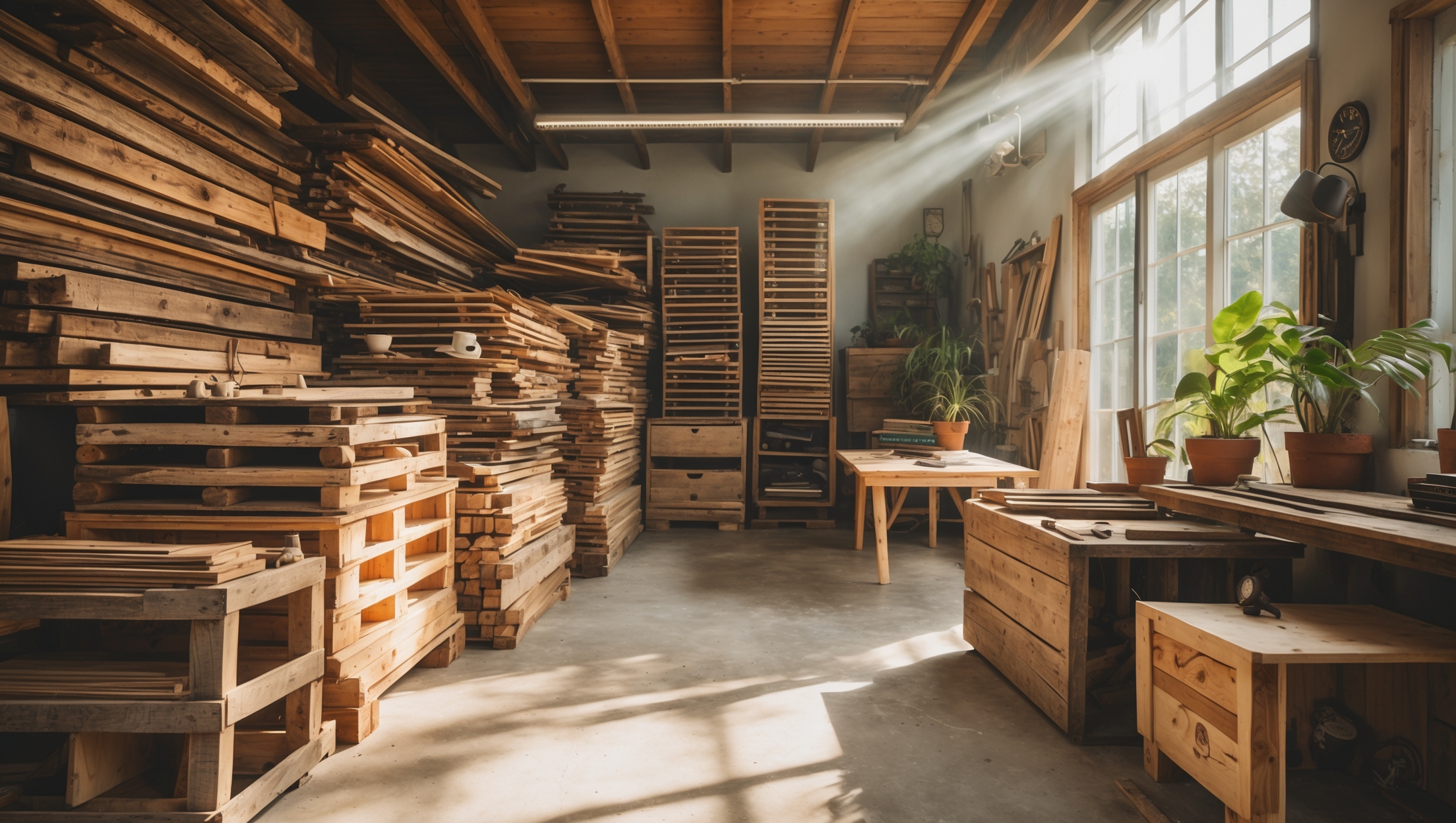
- Ventilation: Pick a space with windows, exhaust fans, or the ability to add a portable ventilation system. Many salvaged materials release fumes during cleaning or refinishing.
- Fire Safety: Avoid setting up near flammable materials. Maintain a clear path to exits.
- Lighting: Ensure bright, even lighting to reduce eye strain and spot hazards.
- Flooring: Non-slip mats and clear, uncluttered walkways minimize trip and fall risks.
2. Organizing Tools and Equipment
- Tool Storage: Use pegboards, magnetic strips, or tool chests. Store sharp and powered tools away from children and pets.
- Maintenance: Regularly inspect tools for frayed cords, loose handles, or dull blades.
- Cord Management: Use cable organizers or overhead reels to prevent tripping.
3. Emergency Preparedness
- First Aid Kit: Stock with bandages, antiseptic, burn cream, tweezers, and eye wash solution.
- Fire Extinguisher: Have a class ABC extinguisher within easy reach. Know how to use it.
- Emergency Exits: Keep exits unobstructed. Post a simple escape plan.
- Phone Access: Ensure a charged phone is nearby in case of emergency.
Personal Protective Equipment (PPE): What Every Upcycler Needs
PPE is your first line of defense against common workshop injuries. Here’s what you should always have on hand—and when to use it:
- Safety Glasses/Goggles: Protects eyes from flying debris, splinters, and dust during cutting, sanding, or drilling.
- Respirators & Dust Masks: Essential when sanding, stripping paint, or working with adhesives and solvents. Choose a respirator rated for organic vapors if dealing with chemicals.
- Gloves: Use cut-resistant gloves for handling metal or glass, and chemical-resistant gloves when working with strippers or paints.
- Hearing Protection: Earplugs or earmuffs for prolonged use of power tools.
- Protective Clothing: Sturdy, snug-fitting clothes; avoid loose sleeves or jewelry. Aprons add a layer of protection.
- Steel-Toe Boots: Prevent foot injuries from dropped objects or punctures from nails and screws.
Material Hazards: Salvage-Specific Safety Concerns
1. Old Paints and Finishes
- Test for lead-based paint on pre-1978 furniture or architectural elements using a lead test kit.
- If positive, follow EPA RRP (Renovation, Repair and Painting) guidelines or consult professionals for removal.
- Avoid sanding lead paint dry—always use wet methods and wear a certified respirator.
2. Rust and Corrosion
- Remove rust with a wire brush or rust remover, always wearing gloves and eye protection.
- Dispose of rust flakes and used chemical agents safely, as per product instructions.
3. Unknown Substances
- Be cautious of musty odors, oily residues, or crumbling insulation (possible asbestos in older homes).
- When in doubt, consult a hazardous materials specialist before disturbing the item.
4. Fasteners and Hardware
- Old screws, staples, and nails may be brittle or rusted—wear gloves and use proper prying tools to avoid injury.
- Keep a metal detector handy to scan wood before cutting or planing.
Tool Safety: Best Practices for Upcyclers
1. Hand Tools
- Keep blades sharp; dull tools slip and cause more injuries than sharp ones.
- Use the right tool for the job—improvised solutions (like using a screwdriver as a chisel) often lead to accidents.
- Store all sharp tools with blade guards or in dedicated slots.
2. Power Tools
- Read the manual for every new tool; familiarize yourself with safety features and maintenance routines.
- Unplug tools before changing blades or bits.
- Never bypass safety switches or guards.
- Secure workpieces with clamps rather than hands to keep fingers away from blades.
- Wear PPE and tie back long hair.
3. Specialty Tools for Salvage
- Heat guns (for paint removal): Always point away from yourself, use in well-ventilated spaces.
- Reciprocating saws (for demolition): Use both hands, start with a slow speed, and expect hidden nails or wires.
- Angle grinders: Wear a face shield in addition to goggles; sparks can ignite dust or shavings.
Chemical Safety: Dealing with Adhesives, Solvents, and Strippers
- Label Everything: Store all chemicals in original containers with labels intact.
- Ventilation: Use chemicals only with adequate airflow. Consider a portable fume extractor if windows aren’t an option.
- Spill Response: Keep kitty litter or sand nearby to absorb chemical spills.
- Disposal: Never pour solvents or finishes down the drain. Use local hazardous waste facilities.
- Storage: Lock chemicals away from children, pets, and food areas.
Dust Control and Air Quality
- Install a shop vacuum or dust collection system for saws and sanders.
- Wet sanding reduces airborne dust, especially important for older finishes.
- Open windows and use box fans to push dust outside, not into other living spaces.
- Clean filters on respirators and air systems regularly.
Electrical Safety: Salvaged Lighting & Appliances
- Test all wiring in vintage lamps or appliances with a voltage tester before plugging in.
- Replace old cords and sockets with modern, UL-listed components.
- Never work on live circuits; unplug before repair.
- Use GFCI (Ground Fault Circuit Interrupter) outlets in damp or garage workshops.
Fire Prevention in the Upcycling Workshop
- Store oily rags in a sealed metal container to prevent spontaneous combustion.
- Keep flammable liquids (paints, solvents) in a dedicated fireproof cabinet.
- Don’t overload electrical outlets or power strips.
- Practice good housekeeping—sweep up dust, shavings, and scraps daily.
Safe Handling and Lifting Techniques
- Lift with your legs, not your back; get help with heavy or awkward items.
- Use furniture dollies or hand trucks for large salvage pieces.
- Clear walkways before moving items to prevent trips and falls.
Child and Pet Safety in the Workshop
- Install safety gates or locks to keep curious hands and paws out of hazardous areas.
- Don’t leave tools, sharp objects, or chemicals unattended.
- Educate family members about workshop rules and emergency procedures.
Maintaining a Safe, Sustainable Workspace
Routine Safety Checks
- Schedule a monthly inspection for tool condition, fire extinguisher pressure, and chemical inventory.
- Replace expired safety gear (e.g., filters, gloves, first aid supplies).
- Confirm all exits, lighting, and ventilation systems are operational.
Documentation and Record-Keeping
- Keep user manuals and safety data sheets (SDS) for all chemicals and power tools in a dedicated folder.
- Log any incidents or near-misses to identify recurring hazards and improve safety protocols.
Continuous Learning
- Take a basic first aid course; many local organizations offer workshops tailored to DIYers and small business owners.
- Stay updated on recall alerts for tools or materials common in upcycling.
Conclusion: Creative Expression, Responsible Practice
Creative salvage and upcycling are more than artistic pursuits—they’re acts of environmental stewardship and personal empowerment. Yet, every project starts and ends with safety. By implementing the comprehensive checklist above, you’re not only protecting yourself and others, but also ensuring your workshop remains a place of inspiration, productivity, and sustainable progress. Remember: accidents are preventable, and a little preparation goes a long way toward making your upcycling journey both rewarding and risk-free.
Take time to review your workshop setup, invest in quality safety gear, and educate yourself on the unique hazards posed by salvaged materials. In doing so, you’ll gain the confidence to tackle complex restorations and innovative upcycling projects—knowing your health, your home, and your creative legacy are secure. Safe upcycling is smart upcycling, and it’s a foundation every sustainable maker should prioritize.
Ready to turn salvage into art? Start with safety, and let your creativity thrive.


I noticed you mentioned the importance of ventilation when working with salvaged materials that might give off fumes. For someone setting up a workshop in a basement or a garage without existing windows, what are some effective and practical ventilation solutions to consider?
In a basement or garage without windows, consider installing a powered exhaust fan that vents to the outside, such as through a wall or ceiling. You can also use portable air purifiers with HEPA and activated carbon filters to help reduce fumes. Using a combination of fans to create airflow and keeping doors open when possible will also help improve ventilation during your projects.
I’m pretty new to upcycling and I noticed you mentioned potential hazards like old paints or unknown finishes. How do I figure out if something has lead or asbestos, and what should I do if I suspect it does?
Identifying lead or asbestos in old materials can be tricky. If paint was applied before the 1980s, it may contain lead, and some older boards or tiles might have asbestos. If you’re unsure, avoid sanding or scraping the material and wear a mask and gloves. To be certain, you can buy home test kits for lead, and for asbestos, it’s best to consult a professional. If you suspect hazardous materials, handle them with care and consider disposing of them safely rather than upcycling.
You mention risks from old paints and unknown finishes in salvaged materials. How can I safely test for hazardous substances like lead or asbestos before starting a project, especially if I’m new to upcycling and don’t have specialized equipment?
If you suspect old paint may contain lead, you can buy affordable lead test kits at most hardware stores—these involve swabbing the surface and checking for a color change. For asbestos, it’s safest not to disturb materials you think could contain it, like old insulation or certain tiles. If you’re unsure, consider taking a small sample to a certified lab or consulting a professional before proceeding. Always wear gloves and a mask when handling unknown finishes just to be safe.
I noticed the article mentions that salvaged materials can sometimes contain hazardous substances like lead or asbestos. Do you have any recommendations for how to safely test or identify these dangers before bringing items into the workshop?
You’re right to be cautious about hazards like lead and asbestos in salvaged materials. To stay safe, consider using lead test kits, which are available at hardware stores, to screen for lead paint. For asbestos, it’s safest to avoid items from buildings constructed before the 1980s or those with crumbling insulation or tiles unless professionally tested. When in doubt, consult a certified professional before bringing questionable items into your workspace.
For someone just starting out, what would you consider the most important safety investment when setting up an upcycling workshop on a tight budget? Should I prioritize ventilation upgrades, fire safety equipment, or better lighting first?
If you’re just starting and need to prioritize, investing in adequate ventilation should come first, especially if you’ll be working with paints, adhesives, or anything that produces fumes or dust. Good airflow helps protect your health right away. After that, basic fire safety tools like a fire extinguisher are essential, followed by improving lighting as your budget allows.
Could you share more about how to identify and safely handle potentially hazardous substances like lead or asbestos when salvaging materials? I’m concerned about the risks since it’s not always obvious what might be present in older items.
Identifying hazardous substances like lead and asbestos can be tricky, especially in older items. Lead is often found in paints used before the 1980s, so if you’re working with painted wood or metal, assume lead may be present and use a lead test kit. Asbestos can be in insulation, tiles, or textured coatings from older buildings. If you see old, crumbling, or fibrous materials, avoid disturbing them and wear a mask and gloves. When in doubt, consult a professional before handling or renovating suspicious materials.
I’m setting up my first upcycling workspace in my garage, but since it’s not very well ventilated, I’m worried about fumes from old paints and finishes. Are portable ventilation systems effective enough, or should I be looking into something more permanent for safety?
Portable ventilation systems can be effective for smaller, short-term projects, especially if you’re using low-toxicity materials. However, if you plan to work regularly with old paints, finishes, or solvents, a more permanent ventilation solution is a safer choice. Consider installing an exhaust fan or a dedicated ventilation system to ensure consistent airflow and fume removal. Also, always use respirators and keep doors or windows open when possible to maximize safety.
The article mentions using proper ventilation when working with salvaged items that might release fumes. For someone setting up a small workshop in their garage, what are some affordable ventilation options that are still effective at keeping the air safe?
For a small garage workshop, you can use a combination of box fans placed in windows or doorways to draw fumes out and bring fresh air in. Adding a portable exhaust fan with a flexible duct aimed outside is another affordable option. Whenever possible, open doors and windows on opposite sides to encourage cross-ventilation, and avoid working with hazardous materials in a completely closed space.
I’m curious about the flooring suggestions—do you find non-slip mats are enough for areas where liquids like paint or solvents might spill, or is it better to upgrade the whole floor surface? Any budget-friendly tips for keeping walkways clear in a small garage setup?
Non-slip mats are a good start, especially in spots where spills are likely, but if you work with a lot of liquids, a sealed, easy-to-clean floor like epoxy can offer more protection and make cleanup easier. For budget-friendly walkway solutions, use clear storage bins and wall-mounted racks to keep items off the floor, and mark walkways with tape so everything has a spot and paths stay clear even in tight spaces.
You mention the risks of old paints and possibly hazardous materials like lead or asbestos. How can a small business owner like me test for these hazards before starting a project, and what are the safest ways to handle them if discovered?
Testing for hazards like lead or asbestos can be done using over-the-counter test kits, which are available at hardware stores. For more accuracy, you can hire a certified professional to inspect suspicious materials. If you discover lead paint or asbestos, avoid sanding or disturbing the material. Instead, seal it and contact specialized removal services. Always use gloves, masks, and work in well-ventilated areas when handling unknown or aged materials.
You mention the importance of ventilation, but for people setting up their workshop in a garage with only one small window, what are some effective but affordable ways to improve airflow and minimize exposure to fumes from salvaged materials?
In a garage with just one small window, you can boost ventilation by using a box fan placed in the window to pull fumes out. Consider adding a second fan at the door to draw in fresh air. If possible, open the garage door slightly for cross-ventilation. Also, work near the open window and take frequent fresh air breaks to further reduce fume exposure.
As a parent with young kids who love to watch me work, what’s the safest way to store power tools and hazardous materials in a garage workshop so little hands can’t get to them? I’m especially concerned about sharp objects and things like old paint or chemicals.
Lockable storage is your best defense—use secure cabinets or tool chests for all power tools, sharp objects, and chemicals. Make sure keys or combinations are kept out of reach or with you. Store hazardous materials like paint and solvents in high cabinets or lockboxes and ensure lids are tightly sealed. Always unplug power tools when not in use and keep cords coiled and out of sight. This way, your workshop stays a safe, kid-free zone even when you’re not watching closely.
When setting up ventilation in a home workshop, do you recommend any specific types of portable ventilation systems, or is simply working near an open window usually sufficient for most common upcycling projects?
For most common upcycling projects, working near an open window can help, but portable ventilation systems are a safer and more reliable option, especially when using paints, adhesives, or solvents. A portable exhaust fan or a box fan positioned to direct fumes outside is a solid choice. If you plan frequent or intensive work, consider a portable air purifier with a HEPA filter for added protection.
You mentioned the importance of proper ventilation, especially with old paints and unknown finishes. Is a window fan generally sufficient for a small garage workshop, or would you recommend investing in a more specialized ventilation system for dealing with fumes?
A window fan can help with basic air circulation in a small garage, but it may not be enough for removing fumes from old paints or unknown finishes, which can contain harmful chemicals. For better safety, consider using a box fan in the window to exhaust air out and opening another window or door for fresh air intake. For frequent or heavy work with fumes, a dedicated exhaust system or portable fume extractor is a safer investment.
I noticed the article mentions the risk of encountering hazardous substances like lead or asbestos when working with older materials. Can you suggest specific safety gear or best practices for identifying and handling these hazards safely in a home workshop setting?
When dealing with older materials that could contain lead or asbestos, it’s wise to use a certified respirator rated for particulates, disposable coveralls, chemical-resistant gloves, and safety goggles. Always work in a well-ventilated area, and avoid sanding or cutting until you’ve identified materials. Home test kits for lead and asbestos are available, but if you suspect contamination, it’s safest to consult a professional. Never use a regular vacuum for cleanup—use a HEPA-filtered one or damp cloths to minimize dust.
My kids are always curious and sometimes wander into the garage when I’m working on upcycling projects. You mention storing sharp and powered tools away from children—do you have any specific tips or products that work well for safely securing tools in a family environment?
To keep your workshop safe for curious kids, consider using a locked cabinet or wall-mounted tool chest for sharp and powered tools. Magnetic strips with safety covers can hold items out of reach. For extra security, look for lockable storage bins or cases. Always unplug and store power tools after use, and consider installing a simple door alarm or childproof lock on your garage door for added peace of mind.
You mention that some salvaged materials might contain hazardous substances like lead or asbestos. How can someone new to upcycling identify and safely handle materials that could have these risks, especially if they don’t have access to professional testing kits?
If you’re new to upcycling, it’s important to be cautious with older materials like painted wood, pipes, or insulation, as these can sometimes contain lead or asbestos. Look for clues such as flaking paint, an unusual smell, or materials that seem original to buildings pre-1980. Always wear gloves, a mask, and work in a well-ventilated area. If you’re unsure about a material, it’s safest not to sand, cut, or heat it, and consider choosing newer materials instead.
I see the checklist recommends proper ventilation and avoiding flammable materials, but my workshop is in our attached garage with limited window space. Are there affordable ventilation solutions that would still keep the area safe for upcycling, especially during colder months?
You can improve garage ventilation affordably by using a box fan in a window or door to help circulate air out, even if window space is limited. Consider installing a small, energy-efficient exhaust fan; these can be mounted in walls or existing vents. In colder months, work with the door slightly open and use a space heater if needed, being sure to pick a non-open-flame model for added safety. Always store flammable materials in sealed containers away from heat sources.
I’m new to upcycling and my workshop is in my basement, but I’m worried about poor ventilation when dealing with old paints or finishes. Do you have any specific recommendations for affordable ventilation systems or air purifiers that work well in a small, enclosed space?
Working with old paints and finishes does require good ventilation, especially in a basement. You might consider installing a window exhaust fan or a portable air extractor designed for small workshops. For air purification, look for HEPA filter air purifiers, which are effective at removing fumes and particles. Make sure to also open any windows or doors when possible, and use fans to direct airflow out of the space.
I noticed you mention the possibility of hazardous substances like lead or asbestos when working with salvaged materials. What are some practical ways to test for these dangers at home, especially if I’m just starting and don’t have specialized equipment?
Identifying hazards like lead or asbestos without specialized equipment can be challenging. For lead, inexpensive home test kits are available at most hardware stores—these use swabs to detect lead on surfaces. Asbestos is trickier; there aren’t reliable DIY tests, so it’s safer to avoid materials that are crumbly or very old (pre-1980s). When in doubt, it’s best to have samples checked by a professional lab before working with suspicious materials.
I’m curious about handling old paints and unknown finishes, since you pointed out the risks of hazardous substances like lead. Are there specific protective gear or testing kits you recommend for identifying and dealing with these materials safely before starting a project?
When working with old paints and unknown finishes, it’s wise to use protective gear like NIOSH-approved respirators, disposable gloves, and safety goggles to minimize exposure. For testing, lead test kits available at hardware stores can help you quickly check for lead in painted surfaces. If the test is positive or you’re unsure, consider consulting a professional before proceeding. Always work in a well-ventilated area and clean up thoroughly after handling any suspicious materials.
As someone with young kids at home, could you elaborate more on how to keep sharp or powered tools secure in a small workshop? Is there a best practice for tool storage that balances accessibility for adults but keeps them totally out of reach for children?
To keep sharp and powered tools secure in a small workshop, consider using lockable cabinets or wall-mounted lockers that only adults have keys or codes for. Pegboards with locking covers are also useful. Store tools high up, out of reach, and unplug power tools after each use. Always double-check that storage areas are locked when not in use to ensure children can’t access them.
When it comes to organizing tools, do you have any tips for keeping powered tools both accessible and out of reach of kids? The article mentioned using pegboards and tool chests, but I’m worried about safety since I share my workspace with family members.
You’re right to be cautious. For powered tools, consider locking storage solutions like cabinets with childproof locks or lockable tool chests. If you use a pegboard, install it higher on the wall, above children’s reach, or in a locked room. Always unplug tools and store batteries separately. This keeps tools accessible for adults but secure from curious kids.
I noticed you mentioned the risk of encountering lead or asbestos in salvaged materials. What are some practical steps or tools you recommend for identifying and safely handling these hazards in a home workshop setting?
Identifying lead and asbestos starts with knowing where they’re commonly found—lead paint is typical in items painted before 1978, and asbestos can be in old insulation, tiles, or adhesives. Use lead test kits for painted surfaces, and if you suspect asbestos, avoid disturbing the material and consult a professional for testing. Always wear gloves, masks rated for particulates (like N100 or P100 respirators), and work in well-ventilated areas to limit exposure.
I’d love to get more info on how to safely handle unknown paints and finishes when upcycling, especially since many curbside finds could have lead or other toxins. Are there specific tests or precautions you recommend before bringing these materials into the workshop?
When dealing with unknown paints and finishes, especially on older items, always assume they could contain lead or other hazardous substances. Use lead test kits (available at hardware stores) to check surfaces before sanding or stripping. Always wear gloves, a mask rated for fumes and particulates, and work in a well-ventilated area. If you confirm or suspect lead, avoid dry scraping or sanding, and consider professional removal or encapsulation methods for safety.
You mention the need for proper ventilation, especially when working with materials that might release fumes. For someone setting up a workshop in a small basement with limited windows, what are the most effective but budget-friendly options for improving ventilation?
For a small basement workshop, a simple but effective option is using a box fan in the window to draw fumes out. If windows are limited, consider installing a portable exhaust fan with a flexible duct that vents outside. Always work near the ventilation source, and if possible, keep the door open to improve airflow. Using fans rated for workshop or garage use will provide better durability and airflow.
I noticed you mention the importance of proper ventilation for dealing with fumes from salvaged materials. Do you have recommendations for affordable portable ventilation systems that work well in smaller garage workshops, especially if running a window fan isn’t always possible?
For small garage workshops where a window fan isn’t an option, consider using a portable air purifier with a HEPA filter and activated carbon to help reduce fumes and particulates. There are also compact fume extractors designed for soldering or crafts that can sit on your workbench and vent air through replaceable filters. Look for models with adjustable airflow and replaceable filters to ensure ongoing effectiveness and reasonable costs.
You mentioned that many salvaged items could have hazardous substances like lead or asbestos. Do you have suggestions for how to safely identify and handle these materials, especially for someone without specialized testing kits?
Identifying lead and asbestos without testing kits can be tricky, but some guidelines can help. Painted surfaces in homes built before 1978 often contain lead, and asbestos is common in insulation, tiles, and older adhesives. Avoid sanding or breaking materials if you suspect these hazards. Wear gloves, a mask (preferably N95 or better), and work in well-ventilated spaces. When in doubt, set aside questionable items and consult a professional for safe handling.
The article mentions being cautious about hazardous substances like lead or asbestos in salvaged materials. How can a beginner reliably identify and safely handle these risks before starting a new project, especially if I don’t have experience with older items?
Identifying lead or asbestos can be tricky, especially with older materials. For lead, test kits from hardware stores can help check painted surfaces. Asbestos is more difficult to confirm without lab testing. If you’re unsure about an item’s age or origin, it’s best to avoid sanding, cutting, or disturbing it. Wearing gloves and a mask adds an extra layer of safety. When in doubt, consult a professional before using questionable materials.
I’m curious about portable ventilation systems mentioned for workshops without built-in ventilation. Do you have any recommendations for effective yet budget-friendly options, and how can I tell if my setup is providing enough airflow for dealing with old paints and finishes?
For budget-friendly portable ventilation, look for box fans or window exhaust fans placed near a window or door to pull fumes out. Some people use HEPA air purifiers, but they’re more for dust than fumes. To check if you have enough airflow, notice if paint smells linger—if they do, more ventilation is needed. You can also use a smoke stick or incense: if smoke moves steadily toward the fan and out, airflow is good. Always work with doors or windows open, if possible.
I’m just starting out and my workspace is pretty small. Based on your checklist, which safety upgrades should I prioritize first if I’m on a tight budget? Are portable ventilation systems or proper tool storage more important in the early stages?
If you’re just starting and need to prioritize, focus first on proper tool storage. Storing tools safely reduces the risk of accidents and keeps your limited space organized. Portable ventilation is important, but for many simple upcycling projects, opening a window or using a fan can help temporarily. As your projects grow, investing in better ventilation should move up your list.
I’m just starting to set up a small upcycling workspace in my garage and noticed you mentioned ventilation as super important. Are there certain portable ventilation systems you’d recommend for beginners, especially ones that are affordable and easy to install?
For a beginner-friendly and affordable setup, consider using a portable box fan combined with a basic window exhaust fan to help move fumes and dust outside. There are also compact air purifiers with HEPA filters that can help improve air quality. Look for units labeled as easy to install and suitable for workshop use. Just make sure your fans vent directly outdoors for best results.
I’m setting up a small workshop in my garage and want to prioritize ventilation, as suggested. Are there affordable ways to improve airflow besides just opening windows, especially during winter when it’s too cold to keep them open?
Absolutely, you can improve ventilation in your garage workshop without sacrificing warmth. Consider installing a window exhaust fan or a portable air purifier with a HEPA filter—both are affordable and help remove fumes and dust. You might also use a box fan placed near a slightly opened window or door to push air out when you’re working. For added warmth, try running these fans intermittently so your space doesn’t get too cold.
You mentioned that some salvaged items might have hazardous substances like lead or asbestos. What are the recommended steps for identifying those materials before starting a project, and do you have any tips for safely handling or disposing of them if I do find them?
To identify hazardous materials like lead or asbestos, look for clues such as age (pre-1980s items often contain them), chipping paint, or insulation materials that appear fibrous. Use home test kits for lead, but for asbestos, it’s safest to get professional testing. If you suspect or confirm their presence, avoid sanding, cutting, or disturbing the materials, wear protective gear, and contact local hazardous waste disposal services for safe removal. Never dispose of these items in regular trash.
I noticed you mention dealing with old paints and possible hazardous substances like lead or asbestos in salvaged materials. Are there specific safety gear recommendations or disposal procedures you suggest for small-scale DIYers who might encounter these without industrial ventilation or equipment?
For old paints and materials that could contain lead or asbestos, use a P100 or N100 respirator, disposable coveralls, safety goggles, and heavy-duty gloves to protect yourself. Always work in a well-ventilated area, preferably outdoors. For disposal, contact your local waste authority about hazardous waste drop-off sites, as these substances should never go in regular trash. Never sand or dry-scrape suspect materials—this increases airborne risk.
The article mentions the importance of ventilation when setting up an upcycling workshop. If my workspace only has a small window and I can’t install an exhaust fan, are there any effective portable ventilation options you would recommend for controlling fumes from old paints or finishes?
If installing an exhaust fan isn’t possible, consider using a portable air purifier with a HEPA and activated carbon filter to reduce fumes and airborne particles. You can also use a box fan positioned in your small window to help push fumes outside. Whenever you work with paints or finishes, keep the window open and take regular breaks to step outside for fresh air. Always wear a mask rated for chemical fumes for extra protection.
You mentioned that a lot of salvaged materials could have hazards like lead or unknown finishes. How do you recommend testing for things like lead paint or asbestos before bringing materials into the workshop, and what should a small business owner budget for those tests?
To check for lead paint, you can buy lead test swabs at most hardware stores; they’re easy to use and cost about $10–$20 per pack. For asbestos, home test kits are available for $30–$50, but professional lab analysis is needed for certainty. For a small business, budgeting $50–$100 for initial tests makes sense, with extra set aside if you need a professional assessment for suspicious materials.
When setting up ventilation in my upcycling workshop, is a window fan usually enough to safely clear fumes from cleaning old finishes, or is it really necessary to invest in a more powerful exhaust system? Are there specific warning signs that my airflow isn’t adequate?
A window fan can help, but it may not be powerful enough for strong fumes from cleaning old finishes, especially if you’re using products with harsh chemicals. Warning signs of poor airflow include lingering odors, feeling lightheaded or dizzy, condensation on windows, or visible haze in the air. If you notice these, it’s best to upgrade to a dedicated exhaust system designed for workshops to ensure safe air quality.
I’m curious about the ventilation advice when working with old paints and finishes in a home garage workshop. Are there specific types of portable ventilation systems or air filters that work best for small spaces without built-in exhaust fans?
When working with old paints and finishes, it’s important to use a portable exhaust fan with a HEPA filter or an air scrubber designed for fumes and particulates. Look for models labeled for workshop use that can vent air outside through a window or door. Portable box fans aren’t enough on their own—choose units with activated carbon filters for chemical vapors. Always keep windows or doors open while working if possible.
The guide suggests using portable ventilation systems for workshops without proper airflow. Are there certain types or brands that you would recommend for a small home workspace, or budget-friendly solutions that still keep air quality safe while working with old finishes?
For a small home workspace, a compact air purifier with a HEPA filter is a good budget-friendly option to help with dust and odors. Box fans with furnace filters taped on the intake side can also help pull air out, improving ventilation. If you want a portable extractor, look for units designed for hobby or soldering use—they’re quieter and more affordable than industrial models. Always open windows when possible to increase airflow.
I’m just starting to set up my workshop in my garage, and I’m a bit confused about ventilation. Is opening the garage door and a window enough if I’m working with old paints and finishes, or do I really need to invest in a portable ventilation system?
Opening the garage door and a window does help, but it may not provide enough ventilation when working with old paints and finishes, as fumes can still build up. For your safety, it’s a good idea to invest in a portable ventilation system or at least use a fan to pull air out of the workspace. Always wear a mask rated for chemical fumes as well, especially with older or unknown products.
You emphasize the importance of ventilation in the workshop. If I’m setting up in a typical garage with just one window, what low-cost options would you recommend for improving airflow and minimizing fumes from paints or adhesives?
If you have only one window in your garage, you can improve ventilation by using a box fan to pull fumes out through the window. Position the fan so it blows air outside, creating a draft. You might also keep the door partly open to help with airflow. Consider working with paints and adhesives close to the window. Wearing a mask rated for chemical fumes adds extra protection.
You mention the risk of encountering hazardous substances like lead or asbestos in salvaged items. What are the best first steps to safely identify and handle these materials if I stumble upon them while working on a project?
If you suspect an item contains lead or asbestos, avoid sanding, cutting, or disturbing the material until it’s identified. Look for warning labels, manufacturing dates (pre-1980s items are higher risk), and unusual paint or insulation. Use protective gloves and a mask, and isolate the item from your workspace. For confirmation and safe removal, consult a certified professional, as proper handling and disposal are crucial for your safety.
You mentioned that some salvaged materials can contain hazardous substances like lead or asbestos. What are the recommended steps for identifying and safely handling these specific hazards in a home workshop setting?
To identify hazards like lead or asbestos in salvaged materials, check for labels, age, and origin—older paints, pipes, and insulation are common culprits. If you suspect lead or asbestos, avoid sanding or cutting them and wear a certified respirator, gloves, and protective clothing. Consider using home test kits, but for full safety, it’s best to consult a professional for testing and removal, as disturbing these materials can release harmful particles.
I’m curious about handling old paints and unknown finishes in upcycling projects. Do you have any tips on how to test for lead or other hazardous substances before working with salvaged pieces, especially for someone without a lot of specialized equipment?
When dealing with old paints or finishes, it’s wise to be cautious. Lead test swabs, which are affordable and easy to use, can help you quickly check for lead paint even if you don’t have special equipment. For other unknown substances, always wear gloves, a mask, and work in a well-ventilated area. If in doubt, consider stripping and refinishing the item to ensure safety.
I’m curious about identifying hazardous substances in old materials like paint or finishes. Are there specific signs or simple tests I can use in my workshop to spot things like lead or asbestos before I start working with them?
Old paints, especially those from before the 1980s, may contain lead and can appear very dense, chalky, or have a noticeably sweet smell when sanded. Asbestos was often used in textured coatings, insulation, or certain floor tiles. There aren’t reliable simple tests for these hazards at home, but hardware stores sell lead test kits you can use on paint. If you suspect asbestos, avoid disturbing the material and consider professional testing, as it’s difficult to identify visually and dangerous when airborne.
I’m setting up my own upcycling workspace in a small apartment, and ventilation is a challenge. Besides opening windows, are there affordable ventilation solutions you’d recommend, and how effective are portable fans or air purifiers at filtering out fumes from old finishes and paints?
In a small apartment, portable fans can help move air but don’t actually filter out fumes; they mostly just circulate them. Air purifiers with HEPA and activated carbon filters are better, as the carbon helps absorb VOCs from old paints and finishes. While not as effective as a dedicated exhaust system, a good air purifier placed near your work area can noticeably reduce odors and airborne particles. Always work with low-VOC products whenever possible for added safety.
You mention dealing with unknown finishes and potentially hazardous substances like lead or asbestos when upcycling. How do you recommend safely testing or identifying these risks when you bring new salvaged materials into your workshop?
When working with salvaged materials, use caution if the origin or finish is unknown. For lead paint, you can use commercially available lead test kits from hardware stores that give quick results. Asbestos detection is trickier; avoid sanding or breaking materials like old insulation or tiles until a professional test is done, as disturbing them can release fibers. Wear gloves, a mask, and eye protection as a precaution until materials are properly identified.
I noticed you mentioned the importance of ventilation, especially when working with salvaged materials that might have unknown finishes or fumes. How do you determine when a simple window is enough versus when you should invest in a full exhaust system for a home workshop?
A window can be enough for light projects involving sanding or painting with low-VOC materials, especially if you can create a good cross-breeze. However, if you regularly work with strong adhesives, solvents, or unknown finishes that might release hazardous fumes, it’s safer to invest in an exhaust system to actively remove contaminants. Always monitor for lingering odors or irritation—these are signs that your current ventilation may not be sufficient.
You mentioned unknown finishes and hazardous substances like lead or asbestos as potential risks in upcycling projects. What are some practical steps or tools to identify and safely handle these hazards, especially for beginners who might not know what to look for?
To identify unknown finishes or hazardous substances, start by wearing gloves and a mask when handling old items. Use lead test kits (available at hardware stores) to check for lead paint, and avoid sanding or scraping until you’ve tested. If you suspect asbestos (often found in old insulation or tiles), don’t disturb it; consult a professional. Always work in a well-ventilated area and wash your hands after handling salvaged materials. When unsure about a material’s safety, err on the side of caution and seek expert advice.
In the checklist, you recommend good ventilation for dealing with fumes from salvaged materials. Do you have any specific tips for setting up effective ventilation in a typical home garage workshop, particularly on a limited budget?
For a home garage workshop on a budget, consider using a combination of open windows and portable fans to create cross-ventilation, which helps push fumes outside. Position a box fan in a window facing out to exhaust air, and another fan at an opposite window or door to bring in fresh air. Also, work near the open garage door when possible, and avoid working with toxic materials in completely enclosed spaces.
The article points out the risks of lead or asbestos in salvaged materials. How can I quickly identify if something has these hazards before bringing it into my home, especially if I have kids around? Are there warning signs I should look for or tests I can do myself?
When dealing with salvaged materials, certain warning signs can help you spot risks: for lead, be cautious with items painted before 1978, especially if paint is chipping or peeling. For asbestos, watch out for insulation, old floor tiles, or textured coatings from before the 1980s. While there are lead test kits available at hardware stores, asbestos is trickier—home test kits exist, but professional testing is safest. If in doubt, avoid bringing suspect items into your home, especially with children present.
The checklist mentions the risk of hazardous substances like lead or asbestos in salvaged materials. What are some reliable ways to identify or test for these hazards before starting a project, especially if you are working from home?
Identifying hazardous substances like lead or asbestos at home can be tricky. For lead, you can get DIY lead test kits from hardware stores—these are swabs that change color if lead is present. Asbestos is harder to check yourself; if you suspect something (like old insulation or tiles), it’s safest to avoid disturbing it and contact a certified asbestos professional for testing. Always wear gloves, masks, and work in a well-ventilated area as a precaution.
You mentioned the importance of ventilation since many salvaged materials release fumes during cleaning or refinishing. Are there specific types of portable ventilation systems you recommend for smaller home workshops, especially when windows might not provide enough airflow?
For smaller home workshops with limited window airflow, consider using portable fume extractors or air scrubbers equipped with HEPA and activated carbon filters. Box fans paired with furnace filters can also help, though they’re less effective with strong fumes. When using solvent-based products, a dedicated fume extractor placed close to your work area offers the best protection. Always follow the manufacturer’s instructions for setup and maintenance.
I noticed you suggested ensuring good ventilation, but my workshop space only has a small window and no exhaust fan yet. Are there any affordable ways to improve air circulation for fumes from cleaning or refinishing salvaged items?
In a workshop with limited ventilation, you can improve air circulation by using a portable box fan in the window to pull fumes outside. Opening the door periodically helps increase airflow as well. Consider working with water-based or low-VOC products when possible to reduce harmful emissions. If budget allows, a basic window exhaust fan is an effective and affordable upgrade for better air exchange.
As a parent with young kids around, I’m especially worried about storing sharp or powered tools safely. Can you share more details on child-proofing tool storage or specific lockable storage solutions that work well in a busy home workshop?
For child-proofing tools in a busy home workshop, consider using lockable cabinets or heavy-duty tool chests with secure padlocks. Wall-mounted lockable tool cabinets are space-saving and keep sharp or powered tools out of reach. You might also try portable lockboxes for smaller items, and always unplug and lock power tools after use. Installing high shelves for extra storage helps keep hazardous items away from curious hands.
The article mentions the importance of proper ventilation when working with salvaged materials that might release fumes. Are there any specific filters or types of portable ventilation systems you would recommend for small home workshops, especially on a tight budget?
For small home workshops on a budget, a portable box fan placed in a window can help pull fumes out effectively. Pairing the fan with a furnace filter taped to the intake side can offer additional filtration. If you’re using materials that release stronger fumes, consider a portable air purifier with a HEPA filter and activated carbon. Always check that your chosen solution suits the types of fumes you’ll encounter.
I noticed you recommend having good ventilation because of fumes from salvaged materials. Do you have any suggestions for affordable portable ventilation systems that work well in a small garage workshop?
For a small garage workshop, portable box fans or window fans can be really effective and budget-friendly. Place a fan near an open window or door to help draw fumes out. You might also consider a compact air purifier with a HEPA and carbon filter to further reduce airborne particles and odors. Just make sure any system you use is rated for chemical fumes, not just dust.
You mention the potential hazards of old paints and unknown finishes in salvaged materials. How do you recommend testing for substances like lead or asbestos before starting an upcycling project, especially for someone working from a home workshop?
When dealing with old paints or materials, the safest approach is to use test kits available at most hardware stores—look for lead paint test swabs and asbestos test kits. Always wear gloves and a mask during testing. For accurate asbestos detection, consider sending a small sample to a certified lab. If you’re unsure or uncomfortable, it’s best to consult a professional before starting your project.
I noticed you mentioned the risk of encountering hazardous substances like lead or asbestos in salvaged materials. How do you recommend identifying these risks before starting a project, especially if I’m not familiar with what to look for?
If you’re unsure how to spot hazards like lead or asbestos, start by researching the age and origin of your materials. Painted items from before 1978 may contain lead paint, while insulation, tiles, and old adhesives could hide asbestos. When in doubt, use test kits from hardware stores or consult a professional before working. Always wear protective gear and work in a well-ventilated area to reduce exposure if you’re uncertain.
When setting up a workspace for upcycling, how important is it to invest in things like exhaust fans or special ventilation up front, or can I get by with just opening windows at first while sticking to smaller projects?
For smaller projects that use low-odor, non-toxic materials, opening windows and ensuring good airflow can often be enough in the beginning. However, if you plan to use paints, adhesives, or materials that create fumes or dust, investing in proper ventilation or exhaust fans becomes important for your health and safety. As your projects grow or become more complex, consider upgrading your workspace ventilation accordingly.
I noticed you mentioned the importance of proper ventilation, especially since many salvaged materials can release fumes during cleaning or refinishing. Are there specific types of portable ventilation systems you recommend for small home workshops where installing a full exhaust setup might not be feasible?
For small home workshops, a portable fume extractor or a high-quality box fan paired with a HEPA or activated carbon filter can be effective. There are compact, plug-in fume extractors designed for hobbyists, often used in soldering or painting, that work well for upcycling. Look for units with replaceable filters and adjustable airflow. Always position them to pull fumes away from your breathing zone and towards an open window if possible.
For someone just getting started with creative salvage, what are some affordable but effective ways to organize tools and manage cords, especially if I don’t have a lot of space? I’m trying to avoid clutter but also don’t want to overspend.
To keep things organized on a budget, try using pegboards or wall hooks for tools, which free up work surfaces and are easy to rearrange. Small bins or repurposed containers can hold screws and bits. For cords, inexpensive Velcro straps or twist ties work well for bundling, and a simple basket or shoe organizer can keep them in one spot. These solutions help you stay tidy without taking up much space or spending a lot.
You mention the risk of encountering hazardous substances like lead or asbestos when upcycling salvaged materials. What are the most effective ways to identify or test for these hazards before you start a project, especially for someone new to creative salvage?
Identifying hazards like lead or asbestos can be tricky, especially for beginners. For lead, home test kits are available at hardware stores and can quickly indicate its presence in paint or dust. Asbestos is harder to detect—if a material looks old (pre-1980s insulation, tiles, or siding), avoid disturbing it and consider sending a sample to a certified lab. When in doubt, always wear protective gear and consult a professional before proceeding.
You mention the risk of hazardous substances like lead and asbestos in salvaged materials. How can I safely identify and handle these materials if I’m not sure what’s in the stuff I bring into my workshop?
If you’re uncertain about the origins of salvaged materials, treat them with caution. Look for warning signs like chipping paint (which may contain lead) or fibrous, crumbly insulation (which could be asbestos). Always wear gloves, a dust mask, and safety glasses when handling unknown items. Avoid sanding or cutting suspect materials, and consult local waste authorities for advice on testing or safe disposal if you suspect hazardous substances.
You mention the risk of encountering hazardous substances like lead or asbestos in salvaged materials. How would I know if an item has these dangers, and are there affordable ways for someone new to upcycling to test for them?
Identifying hazards like lead or asbestos can be tricky, especially for beginners. Older painted surfaces or building materials may contain lead or asbestos, especially if made before the 1980s. Affordable lead test kits are available at hardware stores for quick checks on painted or metal items. For asbestos, it’s safest to avoid any old insulation, ceiling tiles, or textured coatings unless professionally tested, as home test kits aren’t always reliable for this. When in doubt, err on the side of caution and use protective equipment.
You mention the importance of ventilation when working with salvaged materials that might release fumes. In your experience, is a basic box fan in a window usually enough, or should I look into a more specialized ventilation setup for safety, especially when dealing with old paints?
A basic box fan in a window can help, but it may not be sufficient if you’re working with old paints or materials that could release hazardous fumes, especially lead-based or oil-based paints. For better safety, consider using a fan that exhausts air outside, combined with open windows for cross-ventilation. If you do frequent or heavy-duty work, a more specialized setup like a workshop exhaust fan or portable air purifier with a HEPA filter would offer greater protection.
I noticed you highlighted checking for unknown finishes and potential hazards like lead or asbestos. Could you provide more details on how to safely identify and handle these substances before starting an upcycling project, especially for someone new to creative salvage?
When dealing with old furniture or materials, look for clues like cracked or peeling paint, especially on items made before the 1980s, as they may contain lead. Asbestos was often used in insulation, adhesives, and some old floor tiles. If you’re unsure, it’s safest to use a home test kit for lead or consult a professional for asbestos. Always wear gloves, use a mask (preferably an N95 or better), and work in a well-ventilated area. Never sand or scrape unknown finishes until you’re sure they are safe.
You mentioned that old salvaged items could sometimes have hazardous stuff like lead or asbestos. How can a beginner safely identify these dangers before starting a project, and what should they do if they’re not sure about a material’s safety?
Identifying hazards like lead or asbestos can be tricky, especially for beginners. Painted items from before the 1980s often contain lead, and some old insulation, tiles, or textured coatings may have asbestos. If you’re unsure, avoid sanding or breaking the material. Wear gloves and a mask, and consider using test kits from hardware stores. When in doubt, it’s safest to ask a professional or choose materials that are clearly labeled and modern.
Can you recommend specific ways to test salvaged materials for things like lead paint or asbestos before bringing them into the workshop? I want to make sure I’m not exposing myself or my staff to hazardous substances without realizing it.
Absolutely, it’s smart to check salvaged materials before use. For lead paint, you can use over-the-counter lead test kits, which involve swabbing the surface and checking for a color change. For asbestos, it’s safest to avoid materials from older buildings unless you can confirm their history, as at-home kits aren’t always reliable; instead, send samples to a certified lab. Always use gloves and a mask when handling unknown materials, and discard anything you can’t verify as safe.
I usually work on upcycling projects in my garage, but the ventilation is not great, especially when using old paints or stripping finishes. Are there affordable ventilation solutions that work well for small spaces, or should I be looking at more significant upgrades to keep things safe?
For a garage workshop, improving ventilation is key when handling paints or stripping finishes. Affordable solutions include using a box fan in a window to draw fumes out and keeping the garage door slightly open for airflow. A portable exhaust fan with a flexible duct can also help in small spaces. If you use solvents regularly, you might eventually consider installing a dedicated exhaust vent or air purifier for safer long-term use.
I noticed you talked about the importance of having non-slip mats and uncluttered walkways. Do you have any recommendations for organizing a really small workspace where it’s tough to keep areas completely clear, or ways to make temporary setups safer?
In a small workspace, consider using vertical storage like pegboards or wall shelves to keep tools off the floor and surfaces clear. Rolling carts or bins that can be tucked away when not in use help reduce clutter. For temporary setups, always secure cords and materials before starting work, and use foldable mats for extra grip that can be stored easily. Keeping a routine of tidying up after each session also helps maintain safety.
When sorting through salvaged materials, what are some practical ways to quickly identify if something contains hazardous substances like lead paint or asbestos before bringing it into the workshop? I’m a bit nervous about accidentally working with dangerous materials without realizing.
It’s wise to be cautious. For lead paint, look for materials painted before 1978, especially with cracking, chipping, or alligator-like texture. Asbestos is common in old insulation, tiles, and cement, typically from before the 1980s. If unsure, wear gloves and a mask, and keep suspect items sealed. Consider buying inexpensive lead test swabs and asbestos test kits for instant checks before bringing suspect materials into your workspace.
You mention old paints and unknown finishes can sometimes contain hazardous substances, like lead or asbestos. How can I safely identify these risks if I’m working with vintage furniture from yard sales, especially if I have kids around?
When dealing with vintage furniture, it’s safest to assume old paints may contain lead, especially if the piece is from before the 1980s. For finishes, if you’re unsure, avoid sanding or stripping them without proper protective gear. Use lead test kits (available at hardware stores) to check paint, and always work in a well-ventilated area, keeping kids away until you’re certain it’s safe. When in doubt, consult a professional for testing before starting your project.
You mentioned the importance of ventilation and handling potentially hazardous substances like lead or asbestos in a creative salvage space. What type of affordable ventilation system would you suggest for someone working out of a small garage workshop?
For a small garage workshop, a good option is a window-mounted exhaust fan to pull fumes out directly. Pair this with a box fan at the opposite end to bring in fresh air. If you regularly work with hazardous substances, consider a portable HEPA air purifier as well. Always use personal protective equipment, and try to work near open doors or windows when possible.
The article talks about the importance of proper ventilation for working with old paints and finishes. How effective are portable ventilation systems compared to installing permanent exhaust fans if I am in a rented space and can’t make major changes?
Portable ventilation systems can be quite effective if you’re unable to install permanent exhaust fans in a rented space. They work well for removing fumes and dust when positioned close to your work area. Just be sure to choose a unit with a HEPA filter or activated carbon filter, and remember to vent it toward an open window or outside if possible for best results.
I’m just getting started with upcycling and my workshop space is in the basement with only one small window. How important is ventilation compared to other safety features, and are there affordable options for improving air flow in a spot like mine?
Ventilation is especially important in upcycling workshops, since many materials and finishes can release fumes or dust. In a basement with limited airflow, it’s a top priority—just as crucial as having safety goggles or gloves. Affordable ways to improve ventilation include using a box fan in the window to pull air out, running a portable air purifier, and working with low-VOC products whenever possible. Taking breaks outside can also help reduce exposure.
You mention organizing tools with pegboards, magnetic strips, or tool chests to keep things safe and out of reach from kids and pets. If I’m on a tight budget and just starting out, which storage method would be the most cost-effective but still reliable for keeping sharp tools secure?
If you’re on a budget, a pegboard is usually the most cost-effective and flexible option. You can buy a basic pegboard sheet at most hardware stores and customize it as your tool collection grows. Just be sure to mount it high enough on the wall so kids and pets can’t reach the tools. It keeps sharp items visible, organized, and safely out of the way.
I have two young kids at home, and my workshop is right off our laundry room, so sometimes they wander in. Besides keeping tools out of reach, do you have tips for making the whole workspace safer for curious kids but still functional for me?
Absolutely—kid safety around workshops is so important. Consider installing a door with a childproof lock or a safety gate to control access. Store all hazardous materials like paints, adhesives, and solvents high up or in locked cabinets. Use cord organizers to keep electrical cables tucked away, and cover outlets with safety plugs. A rule about not entering without an adult helps reinforce boundaries. This way, you keep your space functional but much safer for little ones.
You mentioned the importance of good ventilation, especially since salvaged materials can release fumes during cleaning or refinishing. Do you have any recommendations for affordable portable ventilation systems that work well in a small garage workshop?
For a small garage workshop, portable box fans or window exhaust fans are budget-friendly options that can help move fumes outside. You might also consider a compact air purifier with a HEPA and activated carbon filter to help with airborne particles and odors. Just make sure to position fans to draw air out of the space, and always work with the garage door or a window open for cross-ventilation.
I noticed you mention the risk of hazardous substances like lead or asbestos when working with salvaged materials. Can you recommend specific ways to safely identify and handle these hazards if you’re not sure what’s in an old piece before you start upcycling?
If you’re unsure about possible hazards like lead or asbestos, start by researching the item’s age and origin—older paints and insulation are more likely to contain them. Use home test kits for lead paint, which are widely available. For suspected asbestos, it’s safest not to disturb the material; consider having a professional inspect it. Always wear gloves, a mask rated for fine particles, and work in a well-ventilated space until you’re certain it’s safe to proceed.
I noticed you mention that old paints and finishes can sometimes contain hazardous substances like lead or asbestos. How can a beginner reliably test for these dangers before starting a project, and are there affordable testing kits available specifically for upcycled materials?
To check for hazards like lead in old paints, you can buy lead testing kits at most hardware stores—they’re easy to use and fairly affordable. For asbestos, it’s a bit trickier; home test kits exist, but sending a sample to a certified lab is safest. Always wear gloves and a mask when handling unknown finishes, and if you’re unsure, it’s best to avoid sanding or disturbing old surfaces.
I have a small garage, and ventilation is a big concern, especially since I often refinish furniture with old paint. Could you suggest some budget-friendly ventilation options that are effective and easy to install in a limited space?
For small garages, a simple window exhaust fan can be an effective and affordable way to boost ventilation—just fit it into a window or a vent opening to expel fumes. You might also consider a box fan placed in the doorway, blowing air outwards, combined with an open window for cross-ventilation. Always wear a mask rated for paint fumes, and try to work with the garage door partially open when possible for added airflow.
You mention that good ventilation is really important when working with salvaged materials. If my garage workshop only has one small window, what kind of portable ventilation systems would you recommend for a beginner on a budget?
If your garage has just a small window, a basic box fan placed in the window can help pull out fumes and bring in fresh air. You could also look into an affordable portable air purifier designed for workshops, or a small exhaust fan that can be temporarily mounted in the window. Remember to keep the window open while working, and take regular breaks to let the space air out.
I have young kids and pets at home, so I’m curious about the best ways to make sure tools and hazardous materials stay completely out of their reach in a home workshop. Do you have any specific tips for extra-safe storage options that are still convenient for adults to access?
To keep kids and pets safe, consider installing lockable cabinets or tool chests for all sharp tools and hazardous materials—choose models with key or combination locks. High shelving can also help, but locking is more secure. Wall-mounted racks with locking covers are another practical option. For convenience, label everything clearly and keep keys or codes accessible to adults but hidden from children. Always return items to their secure spots immediately after use.
I’m curious about the best way to test salvaged materials for substances like lead or asbestos before bringing them into the workshop. Do you recommend any specific kits or safety procedures to identify these hazards safely?
For lead, you can use EPA-recognized lead test kits such as 3M LeadCheck or D-Lead. Always follow instructions carefully and wear gloves. For asbestos, home testing kits are available, but it’s safest to send samples to a certified lab—never sand or break materials suspected of containing asbestos. If in doubt, consult a professional before handling suspicious items.
I’m wondering about ventilation since my garage only has one small window and no exhaust fan. Are there budget-friendly ways to improve airflow that still keep the space safe for kids and pets who sometimes wander in?
You can boost ventilation by using a basic box fan placed in the window to pull fumes out or draw fresh air in. Keep the fan out of kids’ reach, and secure window screens to prevent pets from escaping. Also, try to schedule projects involving fumes when kids and pets aren’t around, and always store chemicals safely out of their access.
You mention being cautious about unknown finishes and potential hazards like lead or asbestos in salvaged items. How can I safely identify these risks before starting a project, and are there particular test kits or procedures you would suggest for hobbyists working with secondhand materials?
It’s smart to check for hazards before upcycling. For lead paint, affordable lead test swabs are available at most hardware stores—simply rub them on the surface and watch for a color change. Asbestos is trickier; if an item looks old (pre-1980s) and contains insulation, textured coatings, or certain tiles, consider having a professional test it. Always wear gloves and a mask when handling unknown finishes, and if you’re unsure, it’s best not to sand or disturb the material.
You mention that some salvaged materials can have hazardous substances like lead or asbestos. What are some practical steps or affordable testing methods I can use to identify those risks before I start working with older items?
To identify hazards like lead or asbestos, start by checking the item’s age and origin—painted surfaces from before the 1980s may contain lead, and certain building materials may have asbestos. Affordable lead test kits are available at hardware stores for quick checks on painted or glazed surfaces. Asbestos is harder to detect; if you suspect it, avoid disturbing the material and consider sending a sample to a certified lab, which is usually an affordable option. Always wear gloves and a mask when handling unknown salvaged materials as a precaution.
The article talks about setting up good ventilation for fumes when working with salvaged materials. For someone who’s using part of their garage as a workshop, what are some affordable and effective ways to improve ventilation without making major renovations?
Using a box fan in a window is a simple and affordable way to pull fumes out of your garage while you work. Also, keeping the garage door partially open and setting up a second fan to bring in fresh air from outside can help create good airflow. For extra protection, consider a portable air purifier rated for chemical fumes. These options don’t require major renovations but can make your workspace much safer.
I’m curious about dealing with older paints on salvaged items. The article mentions hazardous substances like lead—do you have tips on how to identify and safely handle items that might have lead paint, especially for someone setting up a garage workspace?
Older paints, especially those used before 1978, often contain lead. To identify lead paint, look for cracked, alligator-like patterns or thick layers, but testing kits are the most reliable method. If you suspect lead, wear a certified mask, gloves, and goggles. Never sand or dry-scrape—use wet methods to minimize dust, and work in a well-ventilated space. Dispose of debris according to local hazardous waste rules to keep your workspace safe.
Your checklist mentions the importance of proper ventilation when working with salvaged materials that may give off fumes. For a small workshop where installing a big exhaust system isn’t practical, what are some effective, budget-friendly ventilation solutions you recommend?
For small workshops, good ventilation can be achieved with a few simple options. Use a box fan in a window to pull fumes out, paired with another fan drawing fresh air in from a different window or doorway. You can also use portable air purifiers with activated carbon filters to help capture fumes. Always work near open windows or doors when possible, and keep fans running during and after your projects to clear the air.
I noticed you mention the importance of ventilation because salvaged materials can release fumes. What kind of portable ventilation systems would you recommend for someone setting up a workshop in a small apartment or garage?
For a small apartment or garage workshop, look into portable air purifiers with HEPA and activated carbon filters, as these can help remove fumes and particles from the air. Additionally, a window exhaust fan is a simple and effective way to draw fumes outside. For more robust options, compact fume extractors designed for soldering or painting can also work well in limited spaces.
With kids and pets around, I worry about storing sharp tools and hazardous materials in my garage. Do you have tips for creating safe storage solutions that don’t require a huge budget or a lot of extra room?
Absolutely, you can keep your garage safe without spending much or needing extra space. Use wall-mounted racks or pegboards for sharp tools, keeping them out of reach of kids and pets. Lockable plastic bins or old cabinets can store hazardous materials securely—just add a simple padlock. High shelves also work well for both tools and chemicals. Clearly label everything and always return items to their spots to maintain safety.
Could you share any suggestions for creative but affordable ways to set up good ventilation in a garage workshop? I want to work with old furniture without having to invest in an expensive built-in system right away.
You can improve garage ventilation on a budget by using a combination of box fans in windows or doorways to create airflow, and opening doors or windows on opposite sides to encourage cross-ventilation. Portable air purifiers with HEPA filters can also help with dust. For fume-heavy projects, try a window exhaust fan to pull air out quickly. Remember to take breaks to let fresh air circulate if you’re working for long periods.
I have kids and pets who sometimes wander into the garage where I work on upcycling projects. The article mentions storing sharp and powered tools away from them, but do you have any advice on childproofing or setting up clear boundaries to keep everyone safe while I’m working?
Setting up a safe workspace is so important, especially with kids and pets around. Consider installing a lockable cabinet or toolbox for all sharp and powered tools. You could also use baby gates or temporary barriers to section off your work area. Make sure to unplug tools when not in use, and keep all small parts and hazardous materials out of reach. Clear rules about who can enter the workshop area can also help everyone stay safe.
I’m setting up my first upcycling workshop in my garage, and I’m a little worried about dealing with old finishes and possible lead paint. What’s the safest way to test for hazardous materials, and do I need special equipment for handling things like asbestos or lead?
It’s important to check old items for hazardous materials like lead paint or asbestos before starting any upcycling work. For lead, you can use lead testing swabs available at hardware stores. Asbestos is trickier and should not be disturbed—if you suspect it, have a professional test it. Always wear gloves, a certified respirator, and safety goggles when handling unknown finishes. If any hazardous material is detected, consult a professional for safe removal.
You mentioned the importance of workshop ventilation, especially since a lot of salvaged items release fumes during cleaning or refinishing. For those of us working out of a small garage, what specific ventilating setups are both effective and affordable?
In a small garage, a combination of solutions works best. Use a box fan in a window to blow fumes outside and, if possible, open another window or door on the opposite side for cross-ventilation. Consider a portable air purifier with a HEPA filter for added safety. Always wear a mask designed for fumes, and avoid working with doors completely closed.
I noticed you recommend having proper ventilation and avoiding flammable materials in the workshop. For someone working out of a small apartment, what are some practical ventilation solutions that won’t take up a lot of space or require major modifications?
For a small apartment workshop, you can use a portable window fan to draw fumes outside, or set up a small air purifier with a strong HEPA filter near your workspace. If possible, work near open windows or on a balcony with good airflow. Also, choosing water-based, low-VOC materials helps reduce the need for heavy ventilation.
I noticed you mentioned the risk of encountering hazardous substances like lead or asbestos when working with salvaged materials. Are there particular tests or inexpensive home kits you recommend for identifying these hazards before starting a project?
For lead, there are affordable home test kits available at hardware stores that use swabs to detect lead on painted surfaces—just follow the instructions closely for accurate results. Asbestos is trickier and not recommended for DIY testing due to health risks; if you suspect asbestos, it’s best to have a certified professional check it. Always use protective gear and work in well-ventilated areas when handling unknown materials.
I noticed you mentioned dealing with potentially hazardous materials like old paint or even asbestos during upcycling. What are some practical steps or protective gear you recommend for safely testing or handling these materials in a home workshop setting?
When handling old paint, especially if it might contain lead, wear gloves, a disposable coverall, and a respirator rated for particulates. Use a lead test kit to check painted surfaces. For any material you suspect contains asbestos, avoid sanding or breaking it—wear a P100 respirator, gloves, goggles, and work in a well-ventilated area. If you’re unsure, it’s safest to contact a professional for testing and removal. Always wash hands and tools thoroughly after working with these materials.
When setting up ventilation in a home workshop for upcycling, what are some cost-effective options if adding a window or full exhaust system isn’t possible? I’m working out of a basement space and want to safely handle any fumes from old finishes or paints.
If you can’t add a window or full exhaust system, consider using a portable air purifier with a HEPA and activated carbon filter to help capture fumes and particulates. Box fans placed near doorways can help move air out. Always use low-VOC or water-based products when possible, and take breaks to allow fresh air to circulate. Wearing a properly fitted respirator rated for chemical fumes adds extra protection in a basement workspace.
You mentioned the risk of encountering hazardous substances like lead or asbestos in salvaged materials. What are the best first steps to identify and safely handle these hazards, especially if you’re not sure about the material’s history?
If you’re unsure about a material’s history, start by researching typical sources of hazards like lead paint (often found in pre-1978 items) or asbestos (commonly in older insulation or tiles). Wear gloves, masks (preferably N95 or better), and eye protection when handling unknown materials. If you suspect lead or asbestos, avoid sanding or breaking the material and contact a local environmental health authority or professional for testing before proceeding.
You mention ventilation is important because salvaged materials can release fumes when being cleaned or refinished. Do you have any suggestions for affordable yet effective portable ventilation systems for a small home workshop?
For a small home workshop, a good option is a portable exhaust fan with flexible ducting that you can vent out a window. Box fans combined with open windows can also help improve airflow on a budget. There are compact air purifiers with HEPA and carbon filters that help capture airborne fumes, though they work best as a supplement to proper exhaust. Always check the specs for air changes per hour to make sure the system matches your workshop size.
I’m curious about handling unknown finishes or old paints, since they can sometimes contain hazardous substances like lead. Do you have any tips for identifying these risks before starting a project, or is testing always necessary?
Identifying old finishes or paints can be tricky, as hazards like lead aren’t always visible. If the item was painted before the late 1970s, there’s a higher chance of lead. Look for signs such as cracked or alligatoring paint, but these aren’t definitive. When in doubt, using a lead test kit on a small area is the safest approach. Always wear protective gear and work in a well-ventilated space just in case.
You talked about choosing a well-ventilated workspace for upcycling projects. For someone who works in a shared garage with limited window space, what are some effective yet affordable ventilation solutions to help deal with fumes from old paints and finishes?
In a shared garage with limited windows, you can improve ventilation by using a portable box fan to draw fumes out through an open door or small window. Position the fan facing outward to expel air. Consider using low-VOC or water-based products to reduce fumes. You might also try a window exhaust fan or an air purifier with a HEPA filter for added safety without a big investment.
I noticed you mentioned the risks of hazardous substances like lead or asbestos in salvaged materials. Do you have suggestions on how to safely identify or test for these materials before bringing them into the workshop?
Identifying hazardous substances like lead or asbestos can be tricky without professional help. For lead, you can use store-bought lead test kits on painted surfaces. Asbestos is harder to spot visually and is best left to certified professionals for testing. Always wear gloves and a mask when handling unknown materials, and if you suspect a material contains either hazard, isolate it and consult local authorities or environmental agencies for proper testing.
The checklist suggests keeping sharp and powered tools away from children and pets, but what storage solutions work best if you have a really small workshop? I’m curious if there are budget-friendly options that still maintain safety standards.
For small workshops, wall-mounted racks or magnetic strips are excellent for keeping sharp tools safely out of reach. Lockable plastic storage bins or toolboxes that can be tucked under a workbench are also budget-friendly and secure. If possible, install high shelves for powered tools, or use a lockable cabinet. These solutions help maximize space while ensuring tools stay safely stored away from children and pets.
You mention that upcycling projects can sometimes expose people to hazardous substances like lead or asbestos. Is there a recommended way to safely identify these materials when salvaging, especially if you’re not an expert, or should certain kinds of items be avoided altogether?
Identifying hazardous materials like lead or asbestos can be tricky without expert training. For safety, avoid salvaging items painted before 1978 (possible lead paint) or materials from buildings constructed before the 1980s (possible asbestos in insulation, tiles, or siding). If you suspect an item might contain these substances, the safest route is to skip it or consult a professional for testing.
I noticed you mentioned the importance of ventilation because some salvaged materials release fumes during cleaning or refinishing. If I only have access to a garage with one window, what are some affordable ways to improve ventilation so I can work safely?
With just one window, you can still boost ventilation by using a simple box fan facing outward in the window to pull fumes outside. Working with the garage door partially open can also help air circulation. Avoid working with harsh chemicals on very still days, and take regular breaks to step outside for fresh air. These steps can help keep your workspace safer and more comfortable.
You mention the importance of ventilation for handling salvaged materials that may release fumes. Can you suggest any affordable solutions for improving airflow in a small home workshop that doesn’t have built-in windows or exhaust fans?
If your workshop lacks windows or built-in exhaust fans, you can use a portable box fan positioned near the doorway to direct fumes out of the space. Adding a door draft stopper for air intake from another room can also help maintain circulation. For extra protection, consider an affordable air purifier rated for fumes or a window fan installed temporarily in a doorway or vent panel to further improve airflow.
I’m curious about how to safely deal with potential hazards like lead or asbestos in old materials. Are there specific signs to look out for, or should I test every salvaged item before starting a project?
Dealing with hazards like lead or asbestos is important when upcycling. Items like old paint (especially pre-1978), plumbing, or insulation may contain lead or asbestos. Look for chipping paint, old pipe wraps, or crumbly, fibrous insulation as warning signs. If you’re unsure, it’s safest to have the material tested before working with it. Always wear proper protective gear and avoid sanding or cutting suspicious materials until you know they are safe.
I’m curious about material safety—when working with salvaged items that might have old paint or finishes, are there specific tests or procedures you recommend for identifying hazards like lead or asbestos before starting a project?
When handling salvaged items with old paint or finishes, it’s wise to be cautious about lead and asbestos. For lead, you can use over-the-counter lead test swabs on painted surfaces. For asbestos (commonly found in older insulation, tiles, or textured coatings), it’s safest to avoid disturbing materials you suspect contain it. Professional lab testing is recommended for asbestos, as home tests aren’t reliable. Always wear gloves, masks, and work in a ventilated area when handling unknown materials.
I’m curious about dealing with hazardous substances like old paint or potential asbestos in salvaged materials. What specific protective gear do you recommend for hobbyists, and are there any signs we should look out for before starting cleanup or refinishing?
When working with salvaged materials, always use gloves, safety goggles, and a high-quality respirator, especially if paint or insulation is involved. For possible asbestos, look for brittle, fibrous materials, old pipe wrappings, or textured coatings from pre-1980s items. Avoid sanding or disturbing unknown materials until they’re identified. If something seems suspicious, it’s best to consult a professional before proceeding.
I noticed you mentioned the importance of ventilation, especially since salvaged materials can release fumes. If my workshop only has a small window and adding an exhaust fan would be a big project, are there any temporary or budget-friendly ventilation options you’d recommend for a beginner?
You can improve ventilation in your workshop by using a portable box fan placed in the window to help draw fumes outside. Opening the door when working and positioning another fan to increase airflow can also make a difference. Consider working with the most chemical-heavy materials outside when possible or taking frequent breaks to air out the room. These are inexpensive ways to make your space safer without major renovations.
You mentioned the importance of good ventilation for dealing with fumes from old materials. If I’m working in a small apartment or space with limited window access, are there specific ventilation solutions or portable systems you’d recommend on a student budget?
If you have limited window access, a portable air purifier with a HEPA filter can help reduce fumes and particulates. Small box fans, placed near any available window or door, can help push air out. You might also look into affordable window exhaust fans or even make a DIY ventilation setup using a fan and flexible ducting. Always work with the door open if possible, and take frequent breaks for fresh air.
You mention that old paints and finishes could have hazardous substances like lead or asbestos. How do you recommend safely testing for or identifying these materials before starting an upcycling project, especially if I’m new to working with salvage?
When working with older items, it’s best to assume paints from before the 1980s may contain lead, and some finishes or boards could have asbestos. For lead, you can buy lead testing swabs at hardware stores—just follow the instructions for a quick check. Asbestos is trickier; if you suspect it, avoid disturbing the material and consult a professional for testing. Always wear gloves, a mask, and work in a ventilated area just to be safe.
I’ve been running a home upcycling workshop in my garage, and I’m curious about effective ways to test for hazardous substances like lead or asbestos in salvaged materials before I start any projects. Do you recommend any specific testing kits, or is it better to consult a professional?
For home upcycling, using DIY test kits is a practical first step. There are affordable lead test swabs available at hardware stores for quick checks on painted surfaces, and asbestos test kits where you mail samples to a lab. However, if you’re unsure or dealing with older materials, especially insulation or textured coatings, consulting a professional is safest since asbestos can be dangerous when disturbed. Prioritize safety gear and proper ventilation regardless of your approach.
I’m trying to set up a dedicated upcycling space in my home garage. How do you balance having enough ventilation for fumes without letting in too much dust or cold air, especially during winter months?
Balancing ventilation and comfort in a garage workshop can be tricky. Try using a window exhaust fan with a filter to pull fumes out while blocking dust and cold drafts. Weatherstripping around doors and windows helps seal gaps. You could also use an air purifier with a HEPA filter inside to reduce airborne particles without needing to open windows fully, especially when it’s cold outside.
I usually work on upcycling projects in my garage, but I’m worried about the fumes from old paints and finishes. Do you have any tips for improving ventilation if installing a full exhaust fan system isn’t in the budget or possible for my space?
You can improve ventilation in your garage by opening doors and windows on opposite sides to create cross-ventilation, which helps move fumes out. Using a box fan in a window to pull air outside is a budget-friendly option. Also, try to work near open areas and take frequent breaks outdoors. Wearing a mask rated for chemical fumes is a smart added precaution.
With the emphasis on ventilation and fire safety, what would you recommend for someone trying to set up an upcycling workspace on a tight budget in their garage? Are there affordable ways to improve ventilation and reduce fire hazards without professional installation?
Setting up a safe upcycling workspace on a budget is doable. For ventilation, you can use box fans in windows or doors to encourage airflow, and open windows whenever possible. To reduce fire hazards, keep your area uncluttered, store flammable materials in metal containers with tight lids, and always have a basic fire extinguisher nearby. Avoid overloading electrical outlets and unplug tools when not in use. These steps can make your workspace much safer without requiring major investments or professional help.
When setting up ventilation for a small upcycling workspace, do you have recommendations on whether a window fan is sufficient, or should I consider investing in a more advanced portable ventilation system? I work with a lot of old painted materials and want to make sure I’m handling fumes safely.
Since you’re working with old painted materials, which may release harmful fumes, a window fan helps but might not be enough for safe, effective ventilation. It’s safer to invest in a portable ventilation system with proper filtration, like a HEPA or carbon filter, especially in a small space. This will better remove fumes and particles, providing stronger protection for your health.
I see you recommend setting up a workshop with proper ventilation, especially when dealing with old paints and finishes. If my only available space is a garage with no windows, what are some affordable ventilation solutions that actually work for small businesses?
If your garage has no windows, you can still improve ventilation affordably. Try installing a portable exhaust fan or box fan near the door to pull fumes out. You can also use a fume extractor or create a DIY ventilation system with flexible ducting leading outside. Always keep the main garage door partially open when working, if possible, to allow fresh air flow.
I’m planning to set up an upcycling workspace in my basement, but ventilation is a challenge since there are no windows. Do you have specific recommendations on portable ventilation systems that are effective for handling fumes from paints or old finishes?
For a windowless basement, a portable fume extractor or an air scrubber with HEPA and activated carbon filters is a strong choice. These devices are designed to capture paint fumes and VOCs from old finishes. Look for models rated for chemical fumes, not just dust, and position them close to your work area. You might also consider a ducted portable fan system that vents air to the outside through a dryer vent or similar outlet, if possible.
I’m curious about handling salvaged items that might have lead paint or asbestos, since you mentioned these hazards. Are there specific PPE recommendations or testing kits you’d suggest for a home workshop setting to identify and deal with these safely?
For lead paint, use an N100 or P100 respirator, disposable coveralls, and gloves when sanding or disturbing painted surfaces. Lead test kits are available at most hardware stores for quick screening. For asbestos, avoid disturbing materials that could contain it, like old insulation or tiles. If you suspect asbestos, don’t attempt removal yourself—contact a certified professional. Always ventilate your workspace well and wash up thoroughly after handling potentially hazardous materials.
For someone setting up a home upcycling workspace with a limited budget, what are the most essential safety measures to prioritize right away? Are there affordable ways to improve ventilation and fire safety without investing in expensive equipment?
When setting up a home upcycling space on a budget, start by ensuring good ventilation—open windows and use a simple box fan to move air outside. For fire safety, keep a basic fire extinguisher nearby and avoid clutter around electrical outlets. Wear protective gloves, goggles, and a dust mask when working. These basics are affordable and provide solid protection as you begin your projects.
You mention the risk of hazardous substances like lead or asbestos in salvaged materials. What are some practical steps I can take to identify these dangers before starting a project, especially if I do not have access to specialized testing kits?
When working with salvaged materials, look out for signs like chipped or peeling paint (which could indicate lead, especially in items made before 1978), and materials that are crumbly, fibrous, or used for insulation (possible asbestos). Always research the age and origin of your materials if possible. Wear gloves and masks, and avoid sanding or breaking unknown items until you’re sure they’re safe. If in doubt, it’s safest not to use questionable materials.
You talked about dealing with old paints and possible hazardous substances like lead or asbestos. As a beginner, how can I easily identify if a salvaged item has those risks before I start working on it?
To spot potential hazards in salvaged items, check for clues like peeling, cracking paint or labels indicating ‘lead’ or ‘asbestos.’ Items made before the late 1970s are more likely to have lead-based paint or asbestos components. If you’re unsure, use home test kits available at hardware stores or consult a professional before sanding or stripping finishes. Always wear gloves and a mask when handling old materials just to be safe.
I’m curious about dealing with old paints and finishes when salvaging materials, especially since some could have lead or other hazardous substances. Are there affordable ways to test for lead or other toxins at home before starting a project?
You can buy lead test kits at most hardware stores or online, and they’re usually inexpensive. These kits let you swab the surface and check for a color change that indicates lead. While these tests are helpful for lead, they’re less reliable for other toxins, so take precautions like wearing gloves and a mask when handling unknown finishes. If you suspect something dangerous, consider consulting a professional.
I’m setting up my first upcycling workspace in my garage, and I’m not sure how to check if the ventilation is good enough. Are there any warning signs or basic tests you recommend for making sure fumes from old paint or cleaners won’t build up?
To check if your garage ventilation is sufficient, look for lingering odors after using paints or cleaners—if smells don’t fade quickly, airflow may be inadequate. Try a simple test: open vents and doors, then use a fan to circulate air while working. Hold a tissue near vents or windows; if it barely moves, ventilation could be improved. Consider installing exhaust fans or using air purifiers for extra safety, especially when working with strong chemicals.
I noticed you stressed the importance of ventilation, especially with fumes from cleaning salvaged materials. For someone working in a garage without built-in exhaust fans, what practical ventilation solutions would you recommend that don’t blow the budget?
A simple way to improve ventilation in your garage is to keep windows and doors open while you work. You can also use a box fan placed near an open doorway or window to draw fumes out. If possible, position the fan so it pushes air outside. Regularly taking breaks outside and avoiding work on very still days can also help reduce exposure to fumes. These are all low-cost steps that offer better airflow without needing expensive installations.
When setting up ventilation for an upcycling workshop, do you have any recommendations for effective but affordable solutions, especially for smaller spaces where adding a full exhaust system isn’t possible?
For smaller workshops where a full exhaust system isn’t feasible, portable air purifiers with HEPA filters can help reduce airborne particles. Box fans placed in windows to pull air outward, combined with open windows or doors for incoming fresh air, are also effective. Make sure to work near these ventilation points and regularly maintain filters or clean fans to keep airflow efficient.