
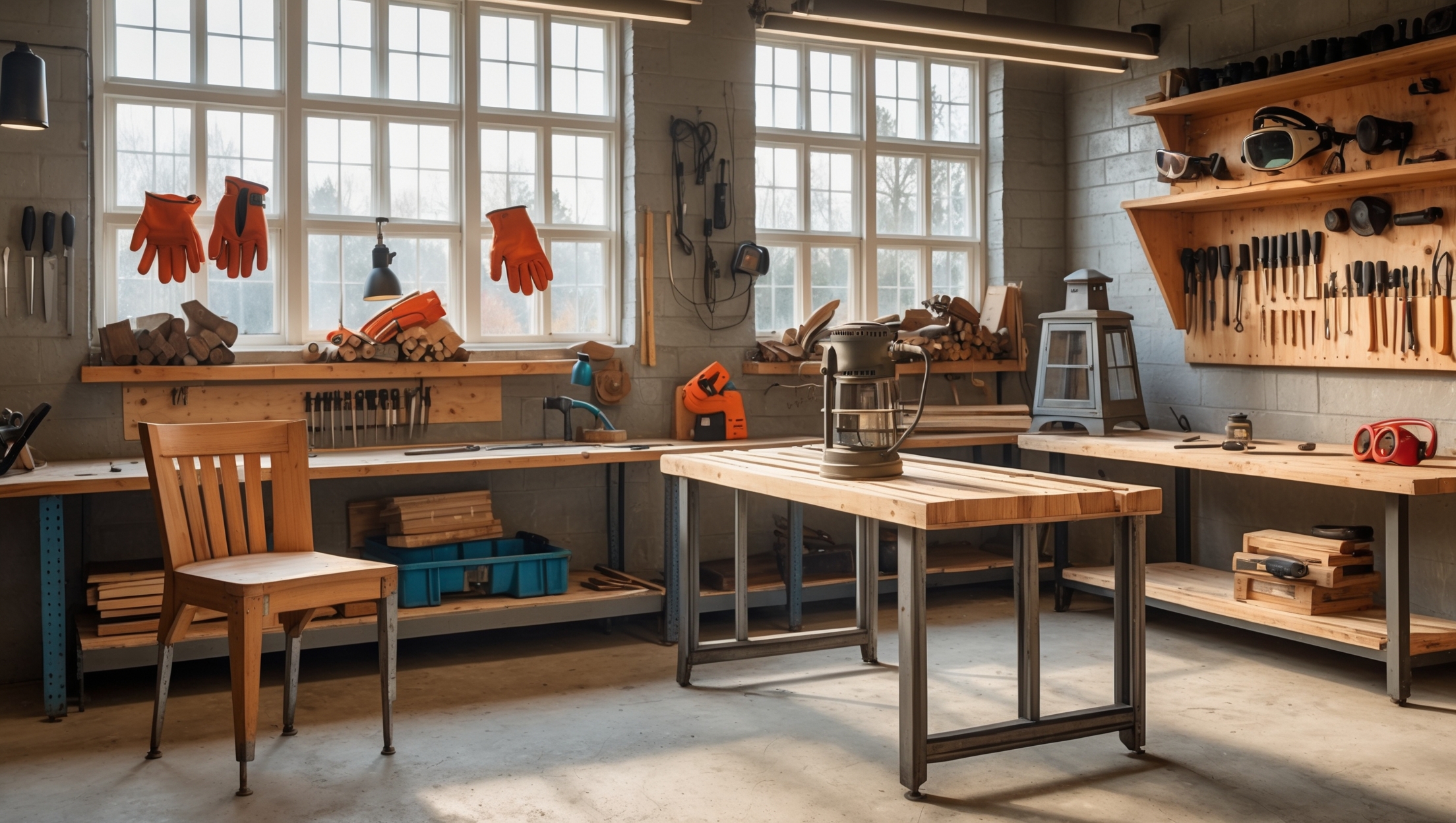
Introduction: Why Safety Matters in Creative Salvage and Upcycling
Salvage and upcycling projects are at the heart of sustainable living, giving new life to materials that might otherwise end up in the landfill. Whether you’re transforming reclaimed wood into bespoke furniture, reviving vintage fixtures, or piecing together a one-of-a-kind décor item from scrap metal, the rewards are substantial—creativity, environmental stewardship, and cost savings. However, these projects often involve sharp tools, dusty environments, and potentially hazardous materials. Despite their DIY appeal, upcycling and salvage work demand a strong commitment to safety. Too often, enthusiastic beginners overlook the serious risks posed by improper tool use, inadequate ventilation, or neglecting personal protective equipment (PPE). Even seasoned upcyclers can fall into complacency, skipping steps that could prevent injury or long-term health issues. This comprehensive safety checklist is designed to guide everyone from hobbyists to professionals in establishing—and maintaining—a safe, efficient, and inspiring workspace. Implementing these best practices not only protects your health but also ensures the longevity of your creative salvage journey.
Personal Protective Equipment (PPE): Your First Line of Defense
Head-to-Toe Protection Essentials
- Safety Glasses or Goggles: Always wear eye protection when cutting, sanding, grinding, or using power tools. Opt for goggles with side shields if working with metal, glass, or chemicals.
- Respirators and Dust Masks: Many salvage materials, especially older lumber, paint, and insulation, can release harmful dust or fumes. Use a NIOSH-approved respirator for sanding, spraying finishes, or stripping paint, and disposable dust masks for lighter work.
- Gloves: Select gloves based on the task: heavy-duty leather for handling sharp metal, nitrile for chemicals, and fabric or rubber for general work. Inspect gloves regularly for wear or punctures.
- Hearing Protection: Power tools, especially saws and grinders, can cause hearing loss over time. Use over-ear protectors or high-quality foam earplugs.
- Protective Clothing: Wear long sleeves, pants, and closed-toe shoes. Avoid loose clothing that could catch in machinery. Consider a heavy-duty apron for welding or grinding.
- Steel-Toe Boots: Essential when moving heavy salvage materials, these boots protect against crushing injuries from dropped objects.
Tips for Effective PPE Use
- Keep PPE clean and store it in a dust-free environment.
- Replace worn or damaged gear immediately.
- Train yourself (and team members) on when and how to use each item.
Workshop Organization: Preventing Accidents Before They Happen
Safe Layout and Storage
- Clear Walkways: Never allow cords, lumber, or tools to clutter pathways. Use cable covers or retractable reels for extension cords.
- Tool Storage: Store sharp tools in locked cabinets or on secure racks. Magnetic strips or pegboards keep hand tools accessible but safe.
- Material Stacking: Stack lumber, metal, and glass vertically with supports to prevent toppling. Heavy items should be on the bottom shelves.
- Waste Management: Use labeled bins for wood, metal, glass, and hazardous waste. Empty regularly to avoid buildup and tripping hazards.
Lighting and Visibility
- Ensure bright, even lighting throughout your workspace. Overhead LEDs and task lights at benches reduce shadows and help you spot hazards.
- Emergency exits and first aid stations should be well-lit and clearly marked.
Tool Safety: From Hand Tools to Heavy Machinery
Hand Tool Safety
- Inspect all tools before use. Look for cracks in handles, loose heads, or dull blades.
- Always use the right tool for the job—improvising can lead to slips or breakage.
- Return tools to their designated place after use. Don’t leave tools on ladders or unstable surfaces.
Power Tool Precautions
- Read and follow manufacturer instructions.
- Disconnect power tools before changing blades, bits, or performing maintenance.
- Use guards and safety features as intended—never disable them.
- Don’t wear gloves when using rotary power tools (like drills or lathes) to prevent entanglement.
- Keep hands clear of moving parts and cutting edges. Use push sticks or clamps when necessary.
Specialty Equipment: Saws, Sanders, and Welders
- Install dust extraction or vacuum systems for saws and sanders. Fine dust can be both a respiratory hazard and an explosion risk.
- For welding or cutting metal, use fire-resistant barriers and keep a fire extinguisher nearby.
- Keep workpieces firmly secured with clamps or vices.
Material-Specific Hazards: Know What You’re Working With
Salvaged Wood
- Check for nails, screws, or staples before cutting or planing. Use a metal detector if possible.
- Beware of old finishes—some paints and varnishes may contain lead or asbestos. Test suspected materials with a lead test kit and always wear a respirator when sanding unknown finishes.
- Clean wood thoroughly to remove mold, insect droppings, or chemical residues.
Metal, Glass, and Ceramics
- Wear heavy gloves when handling sharp or broken edges.
- Store glass upright and use suction cups or carriers for large panes.
- Handle ceramics carefully—old glazes may contain harmful substances like lead.
Salvaged Electrical and Plumbing Components
- Always assume wires and fixtures are live until tested with a voltage detector.
- Don’t reuse corroded, damaged, or outdated wiring. Consult a licensed electrician for electrical work.
- For plumbing, check for lead pipes or solder joints and replace as needed.
Air Quality and Ventilation
Dust and Fume Control
- Install exhaust fans or open windows to provide cross-ventilation when sanding, staining, or using adhesives.
- Use air purifiers with HEPA filters for fine dust particles.
- Never use spray paints or solvents indoors without a dedicated spray booth or external venting.
Mold and Chemical Hazards
- Inspect salvaged materials for mold growth. Remove affected areas outdoors with an N95 mask and dispose of them safely.
- Store chemicals in original containers with labels intact, in a cool, ventilated area.
- Keep a Material Safety Data Sheet (MSDS) binder for all chemicals and finishes you use.
Fire and Electrical Safety
Fire Prevention Measures
- Maintain at least one ABC-rated fire extinguisher, checking it quarterly.
- Store flammable liquids (paints, solvents) in metal safety cans away from heat sources.
- Dispose of oily rags in sealed, fireproof containers to prevent spontaneous combustion.
Electrical Safety Tips
- Inspect cords and plugs for damage before use. Replace frayed cords immediately.
- Don’t overload outlets or use daisy-chained extension cords.
- Install GFCI outlets in any workshop area exposed to moisture.
Ergonomics and Injury Prevention
Workstation Setup
- Adjust workbenches to a comfortable height to prevent back strain.
- Use anti-fatigue mats if standing for long periods.
- Alternate tasks to avoid repetitive motion injuries—switch between sawing, sanding, and assembly when possible.
Lifting and Moving Salvaged Materials
- Lift with your legs, not your back. Get help for heavy or awkward objects.
- Use dollies, carts, and lifting straps for large doors, beams, or appliances.
- Plan your route before moving items—clear obstacles and open doors in advance.
First Aid and Emergency Preparedness
First Aid Kit Essentials
- Keep a stocked first aid kit accessible and check it monthly.
- Include bandages, antiseptics, eye wash, burn cream, tweezers, and a cold pack.
Emergency Procedures
- Post emergency contact numbers and workshop address near the phone.
- Train yourself and team members in basic first aid and what to do in case of fire, electrical shock, or serious injury.
- Keep exits clear at all times and establish a meeting point outside the building.
Safety Culture: Building Good Habits for Sustainable Creativity
Routine Safety Checks
- Start each session with a five-minute safety walk—look for spills, loose tools, or hazards.
- Keep a log of incidents and near-misses to identify patterns and improve procedures.
Ongoing Education
- Stay up to date with tool manuals, online safety courses, and workshops.
- Share safety reminders and updates with anyone sharing your workshop.
Conclusion: Making Safety a Core Part of Sustainable Salvage
Creative salvage and upcycling are about more than turning trash into treasure—they’re an investment in a greener, more resourceful future. But no project is sustainable if it comes at the cost of your health or safety. By following this comprehensive safety checklist, you protect yourself, those around you, and your ability to keep creating for years to come. Every step—whether it’s donning the right PPE, organizing your workspace, respecting the hazards of salvaged materials, or maintaining emergency preparedness—adds up to a safer, more enjoyable workshop. Remember, safety isn’t a one-time task or a box to check. It’s a mindset, a set of daily habits, and an ongoing commitment. As you embark on your next upcycling adventure, make safety your foundation. The confidence and peace of mind that come from a well-prepared workspace will free your creativity, help you avoid costly setbacks, and ensure that your passion for sustainable living continues to thrive. Build safe, work smart, and let your creative salvage journey inspire others to value both innovation and well-being.


