
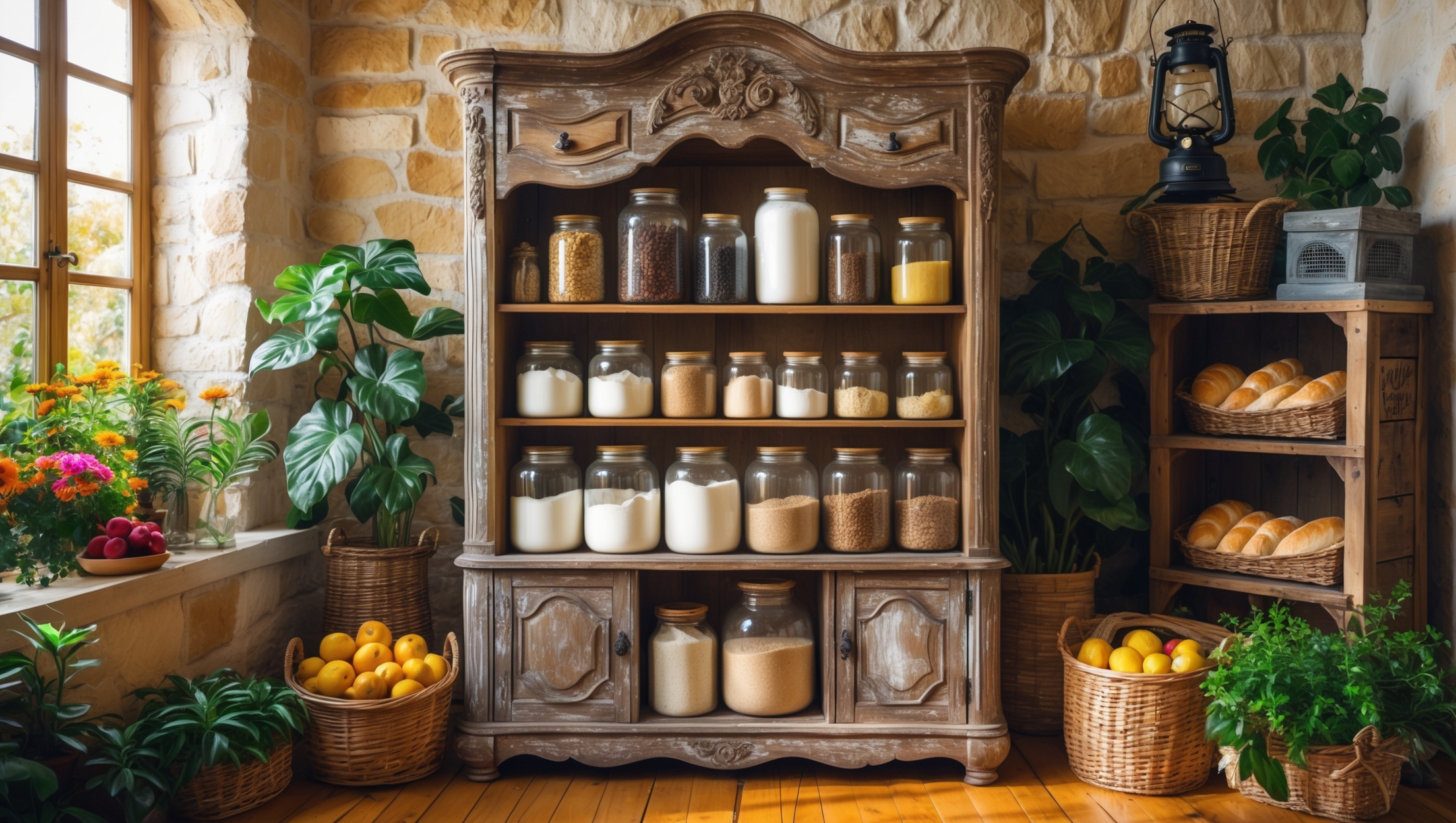
Upcycling isn’t only about breathing new life into objects—it’s about reshaping how we see value in the seemingly obsolete. Creative salvage goes beyond rescuing materials from landfill; it’s about transforming them into functional, meaningful pieces that tell a story. In this case study, we’ll walk step-by-step through the transformation of a vintage wardrobe, found on the curb, into a sustainable, organized, and beautiful kitchen pantry. This project highlights not just restoration techniques, but also practical design thinking, repair strategies, cost considerations, and maintenance tips. Whether you’re an upcycling novice or a seasoned DIY enthusiast, you’ll find actionable insights and inspiration for your next creative salvage adventure.
Finding the Right Piece: What Makes a Wardrobe Ideal for Upcycling?
The success of any upcycling project starts with sourcing the right salvage. For this pantry transformation, our starting point was a mid-century oak wardrobe—solid, with dovetail joints, but neglected and missing its back panel. Here’s what made it a smart pick:
- Solid wood construction: Particleboard or laminate often can’t withstand the rigors of a busy kitchen.
- Sturdy frame: The wardrobe’s joints were sound, even if cosmetic damage was present.
- Simple lines: Minimal ornamentation made adapting the piece to a new function easier.
- Ample interior space: Deep shelves and a tall profile offered plenty of storage potential.
When evaluating salvage candidates, inspect for excessive rot, mold, or structural damage. It’s fine if hardware is missing or the finish is worn—these are easily addressed. But a compromised frame or warped panels can turn restoration into a headache.
Planning: Pantry Functionality & Sustainable Design
Before grabbing your tools, plan your project’s end use:
- What will you store? List pantry staples—jars, cans, baskets, small appliances.
- Accessibility: Think about shelf heights, drawer locations, and door swings.
- Ventilation: Pantries need airflow to prevent mold—plan for vents or breathable back panels.
- Eco-friendly finishes: Choose low-VOC paints or natural oils for food-safe surfaces.
Sketch your new pantry layout. Consider adding adjustable shelves or pull-out trays for flexibility. Sustainable design isn’t just about materials—it’s also about creating a piece you’ll use and love for years.
Disassembly and Initial Cleaning
Tools & Supplies Needed
- Screwdrivers (flat and Phillips head)
- Pry bar or small crowbar
- Dust mask and gloves
- Mild detergent
- Bucket, soft sponges, and rags
- Vacuum with brush attachment
Step-by-Step Disassembly
- Remove all doors and hardware. Bag and label screws for later reuse.
- Detach shelves and hanging rods. Take photos as you go for reference.
- Use a pry bar gently if any pieces are stuck, working slowly to avoid splitting wood.
With all components separated, vacuum debris from joints and crevices. Wash all surfaces with diluted detergent and allow the wardrobe to dry completely—this prevents sealing in odors or mold.
Repairs: Addressing Structural and Cosmetic Damage
Common Issues Found in Salvaged Wardrobes
- Loose joints: Reglue and clamp using wood glue.
- Missing veneer: Patch with wood filler or replace with salvaged veneer if available.
- Surface scratches: Sand lightly, progressing from 120- to 220-grit sandpaper.
- Warped doors: Clamp and straighten, or replace if beyond salvage.
- Back panel missing: Replace with plywood or a lattice to aid ventilation.
For this project, the most significant repair was replacing the missing back. We chose 1/4″ plywood salvaged from another project, drilling decorative holes for airflow. Joints were glued and reinforced with salvaged corner brackets for extra rigidity.
Customizing for Kitchen Use
Interior Modifications
- Adjustable Shelving: Re-drill shelf pin holes at multiple heights using a jig for precision.
- Pull-out Drawers: Construct shallow drawers from reclaimed wood. Install salvaged ball-bearing slides for smooth action.
- Door Racks: Attach racks to inside of doors for spices or small jars. Use lightweight scrap wood or metal rails.
- Lighting: Add battery-powered LED strips for visibility, attaching with adhesive for easy removal.
All added components were finished with food-safe mineral oil. This not only preserves the wood but also ensures safe contact with pantry goods.
Finishing Touches
- Painting or Oil Finish: We used a zero-VOC, plant-based oil for rich color and protection, highlighting the wardrobe’s grain without sealing in toxins.
- Hardware Upgrade: Old brass knobs were cleaned and polished with a paste of lemon juice and baking soda. If hardware is missing, look for vintage replacements at salvage yards.
- Vent Grilles: Decorative metal grilles were added at the top and bottom of the back panel to encourage airflow and deter pests.
Cost Breakdown & Budgeting
Upcycling can be cost-effective, but it’s wise to track expenses and set a budget. Here’s a breakdown of this project’s actual costs (prices in USD):
- Vintage wardrobe (salvaged curbside): $0
- 1/4″ plywood back (salvaged): $0
- Wood glue, clamps (on-hand): $0
- Drawer slides (salvaged): $0
- LED strip light: $12
- Plant-based wood oil finish: $18
- Sandpaper, cleaning supplies: $7
- New shelf pins: $5
- Decorative vent grilles (salvaged): $0
- Total spent: $42
Compare this to the $400–$800 price tag for a new, solid-wood pantry cabinet. Upcycling not only saves money but also diverts waste and keeps your project’s carbon footprint low.
Step-by-Step Assembly & Installation
- Attach the new back panel: Align carefully and secure with small screws into the frame. Check for squareness before tightening.
- Install shelf pins and adjustable shelves: Place shelves at desired heights. Test for fit and stability.
- Add drawers and door racks: Ensure smooth operation and that nothing interferes with closing doors.
- Install LED lighting: Affix inside the frame, ensuring batteries are accessible.
- Rehang doors and hardware: Clean and polish before reinstalling.
- Final wipe-down: Remove dust and fingerprints with a soft, damp cloth.
- Secure to wall (if needed): For safety, use anti-tip brackets if the pantry is top-heavy.
Maintenance Best Practices for Upcycled Pantries
- Monthly: Check for moisture or mold; wipe interior with a vinegar-water solution.
- Quarterly: Inspect joints, tighten screws, and re-oil shelves if necessary.
- Annually: Empty and deep-clean, check for pest intrusion, and oil exterior surfaces.
- Ongoing: Avoid overloading shelves; distribute weight evenly.
Because salvaged wood can be more sensitive than modern manufactured panels, avoid placing the pantry in areas prone to humidity or direct sunlight. Keep a sachet of baking soda or charcoal on a shelf to absorb odors naturally.
Lessons Learned: Insights for Future Upcyclers
- Patience pays off: Rushing repairs can lead to misaligned doors or uneven shelves.
- Quality materials matter: Invest in eco-friendly finishes for durability and safety.
- Plan for maintenance: A little seasonal care extends the life of your upcycled piece.
- Embrace imperfections: Knots, old nail holes, and subtle scars add character and history.
- Document your process: Take photos and notes—helpful for future projects or sharing with the upcycling community.
Conclusion: More Than Just a Pantry
Transforming a vintage wardrobe into a kitchen pantry is more than a clever DIY—it’s a powerful statement about sustainability, creativity, and the hidden potential in everyday objects. By choosing salvage, you’re reducing waste, conserving resources, and crafting a piece that’s truly one-of-a-kind. This project demonstrates that with planning, a modest budget, and a bit of elbow grease, it’s possible to create functional, beautiful furniture that tells a story.
Upcycling isn’t just about saving money or the planet—it’s about developing practical skills, fostering a sense of pride, and building a living space that reflects your values. The finished pantry isn’t perfect, but its quirks and patina are a daily reminder of what’s possible when we look at the world with fresh eyes.
Whether you’re inspired to tackle your own salvage project or simply appreciate the art of restoration, remember: every upcycled piece keeps another item out of landfill and brings a unique, sustainable touch to your home. Let this case study spark your creativity and encourage you to see potential in the overlooked. Happy salvaging!