
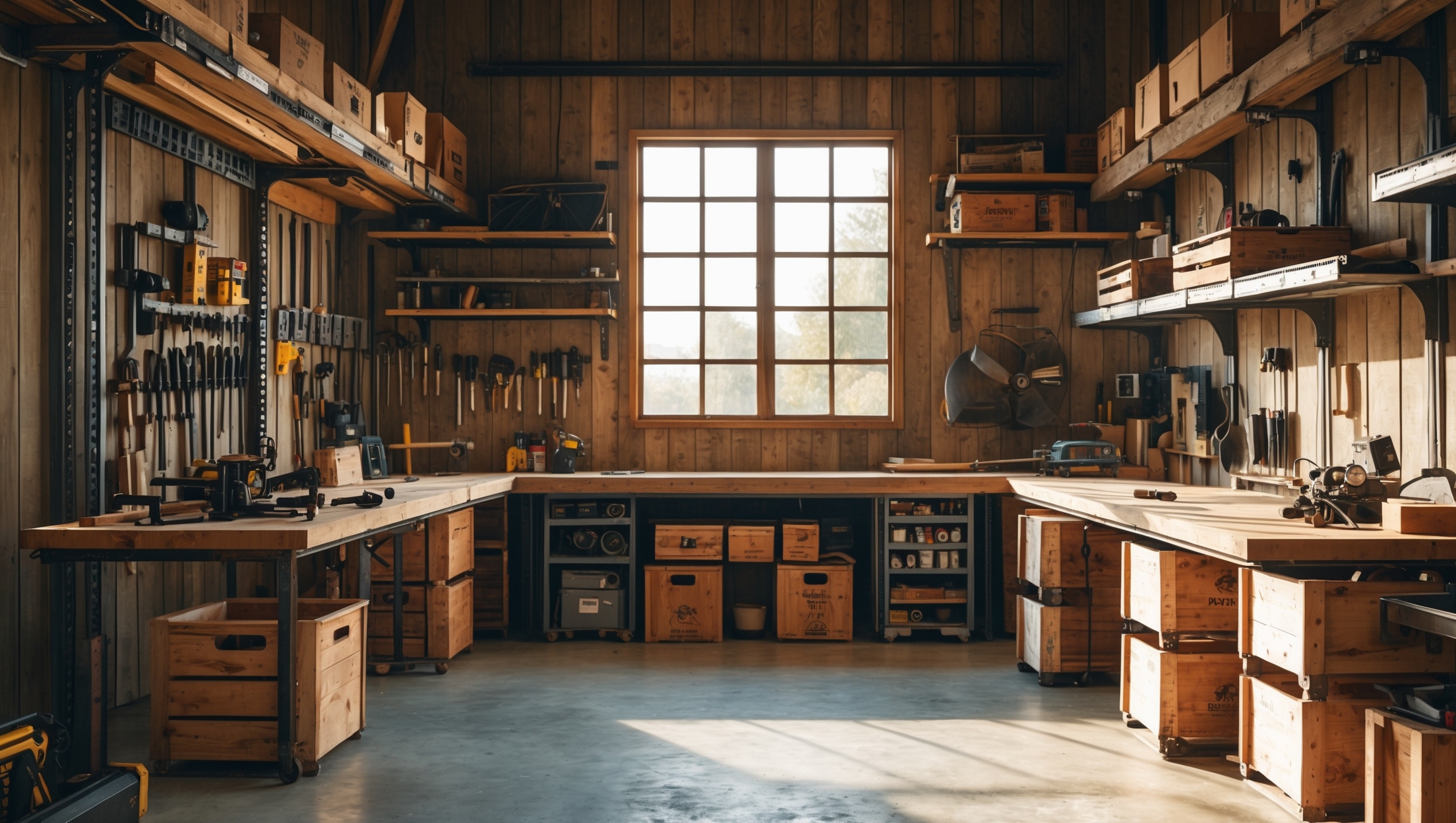
Introduction: The Art of Upcycled Tool Storage
For anyone passionate about creative salvage, upcycling, or sustainable living, an efficient and organized workshop is the cornerstone of productivity and safety. Yet, for many, workshop storage becomes a jumble of hand tools, power tools, fasteners, and salvaged materials, all fighting for space. What if your storage solutions could be as inventive and eco-conscious as the projects you create? Upcycling isn’t just about the finished pieces you sell or showcase—it’s also about optimizing your workspace with the same sustainable mindset. In this comprehensive guide, we’ll explore how to transform salvaged materials into practical, durable, and visually appealing tool storage solutions. Whether you’re an upcycling novice or a seasoned pro, you’ll find actionable ideas and detailed instructions to organize your tools, keep your workshop safe, and further minimize your ecological footprint. Let’s dive into the world of creative salvage tool storage and discover how organization can be both eco-friendly and inspiring.
Why Upcycled Tool Storage Matters
Sustainability in Every Detail
Traditional workshop storage often relies on new plastics and metals, which contribute to resource depletion and waste. By repurposing salvaged materials, you extend their lifecycle and reduce the demand for new products. This approach embodies the ethos of sustainable living—waste less, create more, and inspire others to see opportunity in the overlooked.
Customization for Your Workflow
Store-bought tool organizers rarely fit the unique mix of tools and materials found in a creative salvage workshop. Upcycled storage allows you to design bespoke solutions tailored to your needs, maximizing efficiency and minimizing clutter.
Cost Efficiency
Building storage from salvaged materials dramatically reduces costs. Instead of purchasing expensive cabinets or racks, you can redirect funds to essential tools or materials for your upcycling projects.
Assessing Your Storage Needs
Inventory and Workflow Analysis
Begin by taking stock of your tools and workshop supplies. Categorize them (e.g., hand tools, power tools, fasteners, paints, adhesives) and note how often you use each item. Map out your typical workflow—where do you use each tool? Which items must be within arm’s reach? Which can be stowed away?
Common Storage Challenges
- Limited floor space
- Small tools getting lost
- Heavy or awkwardly shaped equipment
- Need for mobile storage
- Dust and moisture protection
Identifying these challenges will help you design solutions that actually solve your workshop’s pain points.
Choosing Salvaged Materials for Tool Storage
Best Salvaged Materials for Workshop Use
- Wood Pallets: Ideal for shelving, racks, and wall-mounted tool holders.
- Metal Grates & Fencing: Great for pegboards, magnetic tool strips, and heavy-duty shelving.
- Old Drawers and Cabinets: Perfect for under-bench storage or mobile carts.
- Crates and Boxes: Stackable and versatile for small parts or portable kits.
- Pipes and Conduits: Useful for hanging clamps, storing dowels, or creating tool rails.
- Glass Jars and Tins: For fastener and small hardware storage.
Safety and Suitability Considerations
Always inspect salvaged materials for damage, sharp edges, rot, or hazardous residues. Sand rough surfaces and apply finishes if needed to prevent splinters or corrosion. Avoid materials previously exposed to chemicals unless you can guarantee safe cleaning.
Creative Upcycled Tool Storage Ideas
Wall-Mounted Pallet Racks
Turn reclaimed wood pallets into wall-mounted racks for hammers, screwdrivers, and pliers. Cut pallets to size and secure them to wall studs. Use the pallet slats to insert or hang tools. Add hooks or magnetic strips for extra organization.
Drawer-Based Under-Bench Storage
Repurpose old kitchen drawers or filing cabinet drawers as pull-out storage beneath your workbench. Secure drawers on runners or sturdy shelves. Use dividers made from scrap wood for organizing small tools and accessories.
Crate Stack Shelving
Stack wooden or metal crates vertically to create modular shelving units. Bolt or screw them together for stability. Use the open sides for larger tools or bins filled with hardware. Crates can also be fastened to the wall for elevated storage.
Pipe and Conduit Tool Rails
Mount salvaged pipes horizontally on the wall or under shelves to hang clamps, saws, or wrenches. Use S-hooks or custom-fabricated hangers from scrap wire. For frequently used items, install rails at convenient heights near your main work areas.
Glass Jar Hardware Storage
Attach the lids of glass jars to the underside of shelves or the bottom of cabinets. Fill jars with screws, nails, or other small hardware. Twist the jars onto their lids for easy, see-through storage that saves counter space.
Metal Grate Pegboards
Repurpose old metal grates, fencing, or refrigerator shelves as heavy-duty pegboards. Mount securely to the wall and use S-hooks or magnetic holders to organize tools. These are especially useful for hanging metal tools and accessories.
Mobile Salvaged Tool Carts
Combine an old cabinet, rolling cart, or large crate with salvaged casters to create a mobile tool station. Outfit the cart with dividers, hooks, and trays from other reclaimed materials. Keep your essential tools mobile and accessible as you move around the workshop.
Upcycled Bucket Tool Totes
Use sturdy, salvaged buckets or pails as portable tool totes. Add fabric or leather tool belts (from old bags or belts) around the rim for extra pockets. Ideal for quick grab-and-go projects or outdoor work.
Repurposed Ladder Shelves
Convert a wooden or metal ladder into a vertical storage rack. Mount it horizontally for open shelving or vertically for hanging tools using the rungs. Ladders are strong and add visual interest to workshop walls.
Magnetic Tool Bars from Salvaged Materials
Use strong salvaged magnets (from old speakers or appliances) embedded in wood offcuts or metal strips to create custom magnetic tool bars. Mount above your bench for quick access to metal hand tools.
Step-by-Step: Building a Pallet Tool Wall
Materials Needed
- 1–2 wooden pallets (cleaned and sanded)
- Drill and wood screws
- Stud finder
- Level
- Hooks or S-hooks (salvaged if possible)
- Optional: magnetic strips, cup hooks, scrap wood for shelves
Instructions
- Prepare the Pallet: Remove any protruding nails or staples. Sand all surfaces to prevent splinters.
- Plan Your Layout: Decide what tools you want to store and sketch a layout. Mark where to add hooks or shelves.
- Mount to Wall Studs: Use a stud finder to locate wall studs. Hold the pallet against the wall and use a level to ensure it’s straight. Drill and screw the pallet into the studs at multiple points for stability.
- Add Storage Features: Attach hooks, magnetic strips, or small shelves as planned. Customize for different tool sizes.
- Organize Tools: Hang or insert tools into the slats, hooks, and shelves. Group similar items together for efficiency.
Tips for Success
- Use a clear finish or natural oil to protect the wood and highlight its reclaimed character.
- Combine with other upcycled storage ideas for a cohesive, efficient system.
- Label sections or add color coding for even faster tool retrieval.
Maintenance and Safety Best Practices
Inspecting Upcycled Storage
Regularly check all upcycled storage installations for stability. Ensure heavy items haven’t caused sagging or loosened screws. Tighten fasteners and reinforce mounting points as needed.
Protecting Tools and Materials
Apply finishes to wood storage elements to resist moisture. Use rubber or felt lining in metal containers to prevent tool scratches. For outdoor or humid workshops, consider using marine-grade varnish or a dehumidifier.
Safety Checklist
- Secure all wall-mounted units to studs or solid supports.
- Ensure mobile carts have locking casters to prevent rolling accidents.
- Keep walkways clear—avoid placing storage units where they create tripping hazards.
- Label containers holding hazardous materials and store them out of reach of children or pets.
- Wear gloves and eye protection when cutting or modifying salvaged materials.
Case Studies: Real-World Upcycled Workshop Storage
The Modular Pallet Wall
One home upcycler transformed a single wooden pallet into a modular tool wall. By adding removable bins made from old food cans and adjustable hooks fashioned from bent rebar, they created a flexible system that adapts as their tool collection grows.
The Rolling Salvaged Drawer Cart
A small workshop owner repurposed mismatched drawers from discarded office furniture, mounting them on a reclaimed metal frame with wheels. Each drawer is sorted by tool type and labeled, allowing for quick access and easy cleanup.
The Ladder-Shelf Hybrid
An artist welded two metal ladders side-by-side and added wooden planks from a demolished barn, creating an industrial-style shelving unit. The open design ensures tools and supplies are visible and within reach, while the structure doubles as a drying rack for painted projects.
Budgeting and Sourcing Salvaged Storage Materials
Where to Find Salvaged Materials
- Construction site dumpsters (with permission)
- Architectural salvage yards
- Online classifieds (e.g., Freecycle, Craigslist, Facebook Marketplace)
- Local recycling centers
- Community swap events
Cost Breakdown Example
- Pallets: Often free from hardware stores or warehouses
- Old drawers/cabinets: $0–$20 each from curbside pickup or thrift shops
- Crates: $5–$15 each at flea markets
- Hardware: Salvaged or less than $10 for fasteners and hooks
Most upcycled storage projects can be completed for a fraction of the cost of new commercial storage systems, with the added benefit of sustainability and unique character.
Conclusion: Build a Sustainable, Efficient Workshop
Embracing upcycled tool storage isn’t simply about tidying up—it’s about reimagining your workshop as a model of sustainability, efficiency, and creativity. By leveraging salvaged materials, you reduce waste, save money, and craft a space that truly reflects your values as an upcycler. Each storage solution you build not only brings order to your tools but also stands as a testament to the resourcefulness and adaptability at the heart of sustainable living.
As you implement these ideas, remember that the best workshop is one that evolves with your needs. Start small with a pallet rack or crate shelving, and expand your system as your collection grows. Involve family, friends, or your upcycling community in brainstorming and building—collaborative problem-solving often yields the most innovative solutions. Share your successes online or at local maker events to inspire others to see the potential in what most people throw away.
Ultimately, creative salvage tool storage is about far more than where you keep your hammer or drill—it’s about shaping a workspace (and a lifestyle) that honors the planet, sparks your creativity, and supports your journey toward a more sustainable, organized, and joyful way of making. Begin transforming your workshop today, and let every salvaged shelf, bin, and hook tell a story of ingenuity and environmental stewardship.


