
Introduction: Why Workshop Maintenance Matters in Creative Salvage
Upcycling and creative salvage thrive on ingenuity, craftsmanship, and a deep respect for materials. But even the most creative minds need a well-maintained workspace to let their ideas come alive. A neglected workshop can quickly devolve into chaos—lost tools, hidden hazards, wasted materials, and even compromised project outcomes. Maintenance isn’t just about cleanliness; it’s the backbone of efficiency, safety, and sustainability. It protects your investment in tools, preserves salvaged treasures, supports a calm workflow, and ensures that your workshop aligns with your eco-conscious values. Whether you’re a solo upcycler or running a thriving creative salvage business, mastering workshop maintenance is key to sustainable success. This guide dives into the best practices for keeping your space organized, your equipment reliable, your materials accessible, and your environment safe—all tailored specifically for the unique needs of upcyclers and salvage enthusiasts.
1. Organizing Your Salvage Workshop for Maximum Efficiency
1.1 Designated Zones: The Heart of Order
Segment your workshop into clear zones based on activity and material. Common zones include:
- Receiving/Quarantine Area: For new, uncleaned salvage finds. Prevents contaminants from spreading.
- Cleaning & Decontamination: Equipped with brushes, solvents, and PPE for prepping materials.
- Processing & Demolition: Where stripping, cutting, or breaking down takes place—ideally near dust extraction systems.
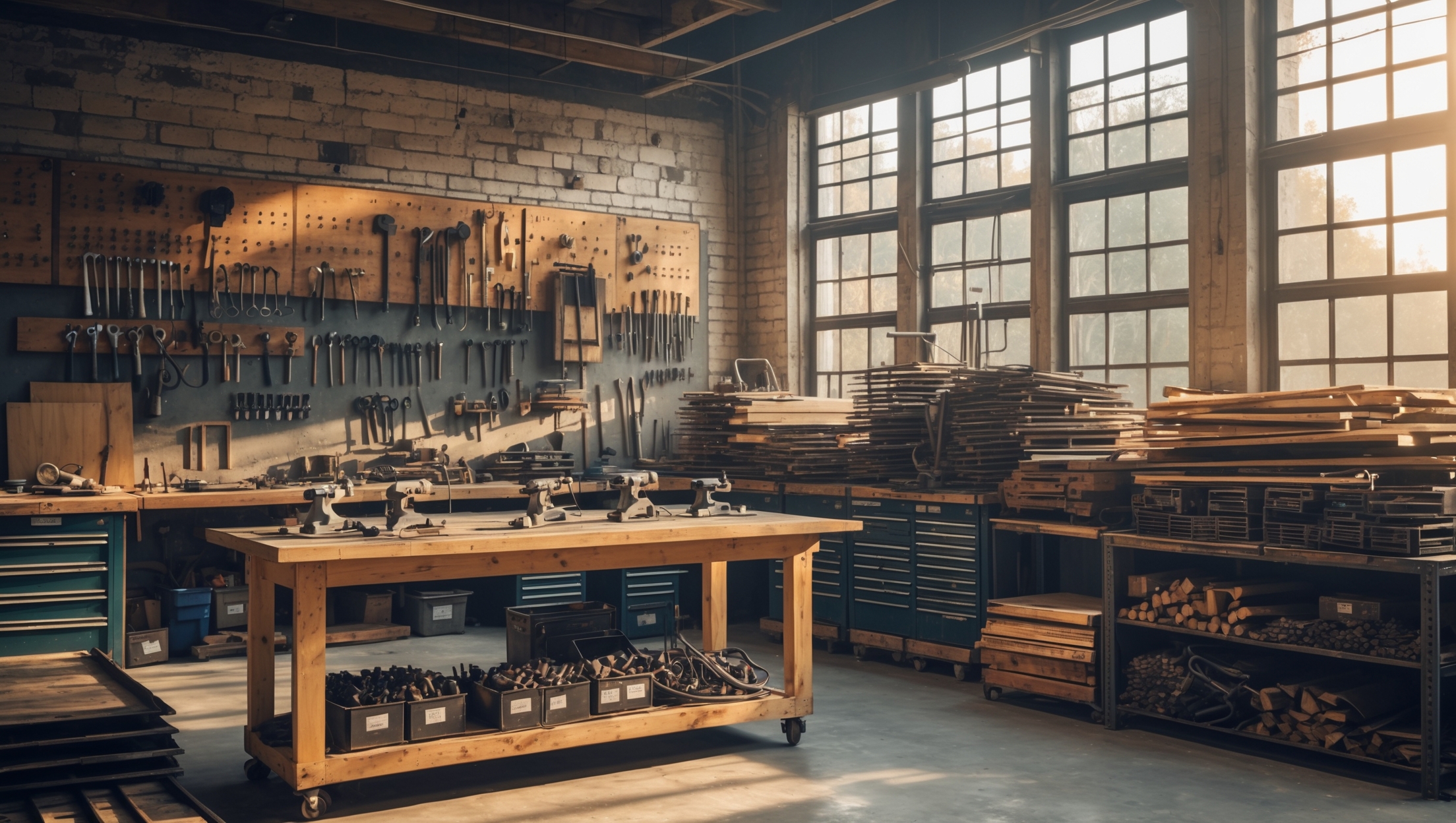
- Tool Storage: Wall-mounted racks, pegboards, and magnetic strips keep tools visible and accessible.
- Project Assembly: Spacious, well-lit benches for building and finishing work.
- Finished Goods & Staging: Shelves or racks to store completed projects ready for delivery or sale.
1.2 Smart Storage Solutions for Salvaged Materials
Unlike traditional workshops, upcyclers deal with a broad variety of shapes, sizes, and types of reclaimed items. To avoid clutter:
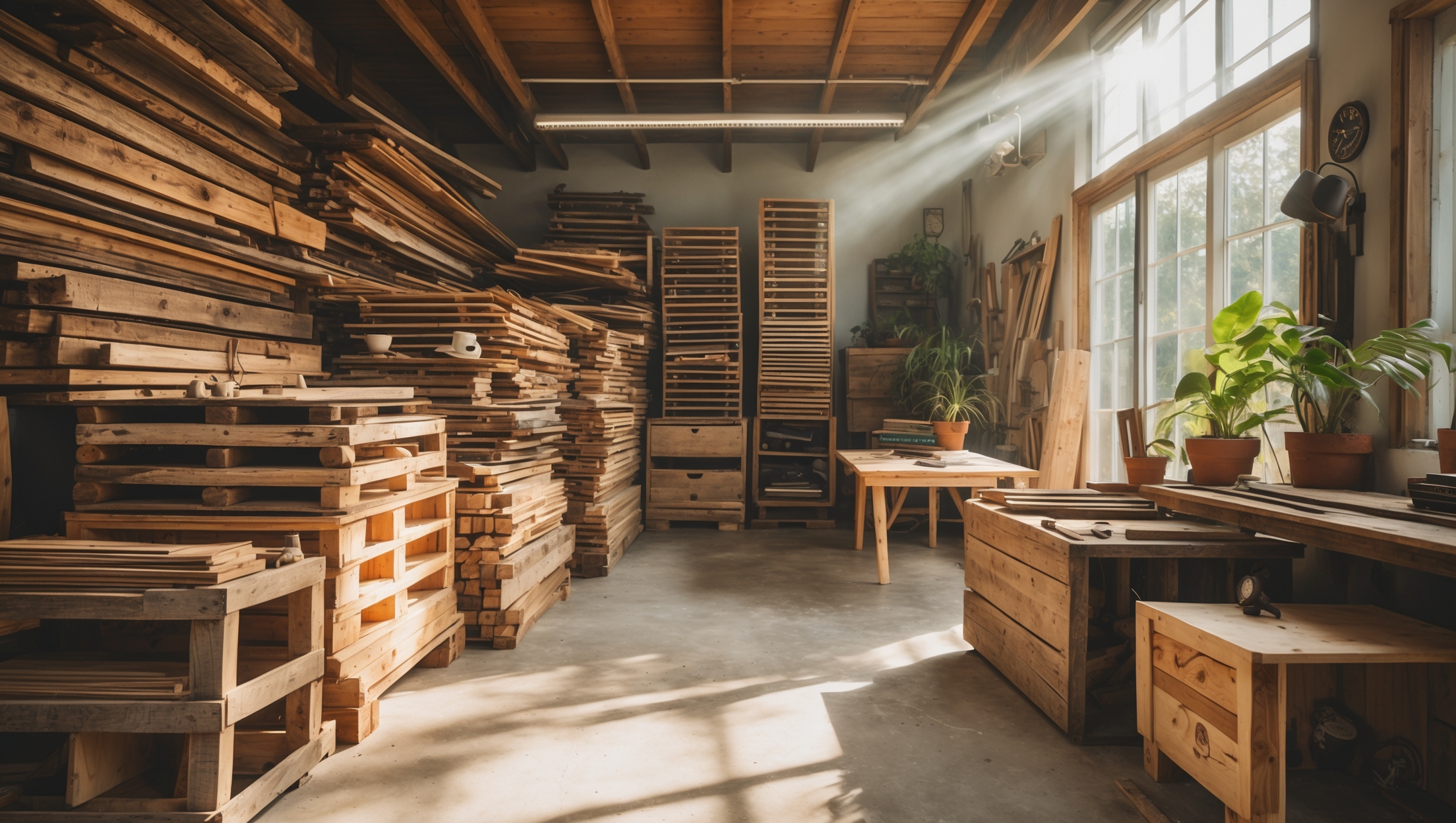
- Vertical Storage: Use tall shelving units and wall-mounted brackets for lumber, pipes, and sheet goods.
- Clear Bins & Labeling: Transparent, stackable bins let you see contents at a glance. Label by material type (e.g., “Brass Hardware”, “Old Window Glass”).
- Pallet Racking: Repurpose industrial racking for heavy or bulk salvage.
- Rolling Carts: Mobile bins or trolleys for frequently used tools and materials add flexibility and keep essentials within arm’s reach.
1.3 Daily and Weekly Reset Routines
Establish a habit of resetting your workshop at the end of each session:
- Return all tools to their proper places.
- Sweep work surfaces and floors to prevent dust buildup.
- Empty trash and recycling bins regularly.
- Do a quick inventory check—note supplies running low or damaged tools.
2. Tool and Equipment Care: Longevity for Your Investments
2.1 Regular Inspection and Maintenance Routines
Upcycling often requires both heavy-duty demolition tools and delicate restoration equipment. Each tool needs tailored care:
- Hand Tools: Wipe down after use, check for rust, sharpen edges, and oil moving parts monthly.
- Power Tools: Clean vents and blades, inspect cords for wear, test safety features, and lubricate as recommended by manufacturers.
- Battery Packs: Store at partial charge, avoid extreme temperatures, and cycle through all packs to prevent deep discharge.
2.2 Sharpening, Adjusting, and Calibrating
Blunt blades and misaligned tools lead to accidents and poor results. Schedule sharpening (especially for chisels, planes, saws) and calibrate measuring tools quarterly.
2.3 Dust and Debris Management for Tool Health
Salvaged materials can be especially gritty. Use vacuums or compressed air to clear dust from sensitive mechanisms and motors. Install dust collection attachments wherever possible to prolong tool life.
2.4 Spare Parts and Consumables Inventory
Keep a well-organized supply of common consumables: saw blades, sandpaper, drill bits, fasteners, filters, and lubricants. Store replacement parts for unique or vintage tools in labeled containers.
3. Salvaged Material Handling and Preservation
3.1 Cleaning and Preparing Salvage
Sort and clean all incoming materials before storage. Use wire brushes, scrapers, and safe cleaning agents to remove dirt, rust, or paint. Allow everything to dry thoroughly to prevent mold or corrosion in storage.
3.2 Protecting Against Pests and Moisture
Salvaged wood, upholstery, and paper-based materials are magnets for pests and mold. Use the following methods:
- Seal wood with natural oils or finishes if storing long-term.
- Store items off the ground and away from exterior walls.
- Use silica gel packs or dehumidifiers in storage areas.
- Inspect regularly for signs of infestation or moisture.
3.3 Material Rotation and Inventory Management
Practice first-in, first-out (FIFO) principles. Mark materials with acquisition dates and use older stock first to prevent waste. Conduct quarterly inventory reviews to re-sort, re-categorize, and purge unusable items.
4. Sustainable Waste Management in the Workshop
4.1 Sorting and Segregation Systems
Set up multiple clearly labeled bins for:
- Recyclables (metal, glass, certain plastics)
- Reusables (offcuts, hardware, fixtures)
- Compostables (sawdust, untreated wood shavings)
- Hazardous Waste (paint, solvents, batteries—ensure safe containment)
4.2 Responsible Disposal and Partnerships
Establish local contacts for recycling, hazardous waste disposal, and material donation. Partner with community repair cafes or schools that may use offcuts or surplus components.
4.3 Reducing Single-Use Items and Packaging
Buy consumables in bulk, choose suppliers with minimal packaging, and reuse shipping materials for organizing or protecting salvaged goods.
5. Air Quality and Ventilation: Health and Comfort in Salvage Spaces
5.1 Ventilation System Upkeep
Inspect and clean ventilation fans, ducts, and filters monthly. Replace filters as needed and keep intake/exhaust vents free from blockages—especially after heavy demolition work.
5.2 Managing Fumes and Particulates
When stripping paint or using solvents, work under extraction hoods or outdoors. Use air scrubbers and HEPA filters in enclosed workshops. Regularly monitor air quality with affordable sensors.
5.3 Simple Air Quality Improvements
- Open windows and doors when conditions permit.
- Use houseplants (like peace lilies or snake plants) to improve air quality.
- Sweep, mop, and vacuum dust-prone areas frequently.
6. Safety Maintenance: Preventing Accidents Before They Happen
6.1 Routine Safety Checks
- Test smoke and carbon monoxide detectors monthly.
- Inspect fire extinguishers for charge and accessibility.
- Check that first aid kits are stocked and visible.
- Review and update emergency exit plans.
- Test GFCI outlets and inspect extension cords for damage.
6.2 Slip, Trip, and Fall Prevention
Keep walkways and exits clear at all times. Coil hoses and cords, use anti-fatigue mats, and immediately clean up spills. Install adequate lighting, especially in storage corners and stairways.
6.3 PPE Storage and Upkeep
Assign a dedicated shelf or cabinet for personal protective equipment (PPE): gloves, goggles, respirators, and hearing protection. Inspect PPE monthly for wear and replace as needed.
7. Digital Tools for Workshop Maintenance
7.1 Inventory Apps and Spreadsheets
Use free or low-cost inventory applications to track tools, materials, and consumables. Create digital checklists for maintenance routines and schedule reminders for safety checks.
7.2 Maintenance Logs
Maintain logs for tool repairs, calibration dates, and cleaning schedules. Digital logs (Google Sheets, Trello boards) can be shared with team members and accessed remotely.
7.3 QR Codes and Smart Labels
Attach QR codes to toolboxes or bins—scanning links to maintenance records, instruction manuals, or safety datasheets simplifies tracking and improves accountability.
8. Preventive Maintenance Schedules: Templates for Success
8.1 Daily Tasks
- Clear workbenches and return tools.
- Sweep floors and wipe surfaces.
- Empty trash and recycling bins.
8.2 Weekly Tasks
- Inspect tool condition and battery charge levels.
- Check ventilation filters and clean as needed.
- Review and restock consumables.
8.3 Monthly/Quarterly Tasks
- Sharpen, calibrate, and lubricate tools.
- Conduct safety equipment tests.
- Rotate and re-inventory salvaged materials.
- Deep clean storage and hard-to-reach areas.
9. Cultivating a Maintenance Mindset: Training and Teamwork
9.1 Training for Team Members or Collaborators
If you work with others, develop a quick-start guide for maintenance routines. Hold brief monthly meetings to discuss improvements or address recurring issues.
9.2 Personal Accountability
Post checklists in visible locations and make it a point to complete and initial each task. Rotate responsibilities for shared spaces to prevent burnout and neglect.
9.3 Continuous Improvement
Encourage feedback on storage solutions, tool performance, and workflow bottlenecks. Periodically reorganize zones to adapt to changing project types or materials.
Conclusion: Sustaining Your Creative Salvage Workshop for the Long Haul
A thriving creative salvage workshop isn’t defined by its size, budget, or the rarity of its materials—it’s measured by how well it empowers you to work safely, efficiently, and sustainably. Maintenance is the quiet hero behind every successful upcycling project, ensuring that tools are ready, materials are preserved, hazards are minimized, and inspiration is never lost in the clutter. By embracing these best practices, you’ll increase productivity, extend the lifespan of your equipment, reduce waste, and foster a healthier environment for both yourself and the planet. Remember, the most inspiring upcycling spaces are those where innovation and order coexist. Commit to daily resets, schedule regular inspections, and adapt your routines as your collection evolves. Your workshop will become not just a place to build, but a sustainable engine for creativity that reflects your values and supports your vision—project after project, year after year.


For someone just starting to set up a creative salvage workshop with limited space, which of the zones you listed do you think are truly essential from the beginning, and which ones can be added later as the operation grows?
For a small, just-starting creative salvage workshop, it’s most important to set up a basic work zone (for building and repairs), a tool storage area, and a safe material storage spot. Zones like finishing, specialized machinery, and a dedicated cleanup area can definitely be added later as your projects and space needs grow.
Regarding organizing the workshop into designated zones, are there any tips for maintaining a clear separation between cleaning, processing, and assembly areas, especially in smaller spaces where overlap seems inevitable?
In smaller workshops, using visual cues like colored tape or signage on floors and walls can help define each zone clearly. Mobile storage units or carts assigned to each area can also minimize tool and material migration. Regularly returning items to their designated spots and scheduling periodic cleanups will help keep tasks and materials from overlapping, even if zones are close together.
I noticed you mentioned having a separate receiving or quarantine area for new salvage finds to prevent contaminants from spreading. Do you have any tips on what materials or physical barriers work best for setting up this kind of zone, especially in a smaller workshop?
For a smaller workshop, lightweight materials like plastic sheeting or heavy-duty tarps work well to create a temporary quarantine area. You can use PVC pipe frames or folding screens as barriers. Even marking off a specific corner with tape on the floor helps define the space. Make sure the area is easy to clean and ideally positioned near the entrance to minimize moving items through the rest of your workshop.
I saw you recommend having a receiving or quarantine area for new salvage finds to prevent contaminants from spreading. If my space is pretty limited, do you have any tips for setting up a small but effective quarantine zone without it getting in the way?
You can create a compact quarantine zone by using a sturdy plastic bin with a lid or a dedicated corner marked off with tape. Place a mat or tray underneath to catch debris. Stackable containers or shelves can help if you get multiple items. Just ensure the area is easy to clean and clearly labeled, so you always know where new finds go while keeping the rest of your space safe.
I noticed you mention creating a designated receiving or quarantine area for new salvage finds to prevent contaminants from spreading. Could you give some examples of effective practices or materials to use for setting up this zone, especially if my workshop space is limited?
For a small workshop, you can set up a quarantine zone using a heavy-duty plastic tarp or a large plastic storage container to contain new salvage finds. Consider using washable floor mats or trays underneath the area to catch debris. Keep basic cleaning supplies (brush, gloves, disinfectant spray) nearby so you can quickly clean items before moving them into the main workspace. Even a clearly marked corner separated by a folding screen or portable shelving unit works well to keep new materials isolated until they’re checked and cleaned.
I like the idea of having a designated quarantine area for new salvage finds to stop contaminants from spreading, but do you have suggestions for materials or surfaces that make cleaning this zone easier in a small garage workshop?
For a small garage workshop, consider using sealed concrete, vinyl flooring, or heavy-duty plastic mats for your quarantine area. These surfaces resist stains and are easy to wipe down with standard cleaners. Stainless steel tables or shelves work well, too, since they don’t absorb contaminants and can be disinfected quickly. Keeping the area uncluttered also helps make cleaning much simpler.
I noticed the article mentions setting up a designated cleaning and decontamination area with PPE and solvents. What recommendations do you have for ensuring proper ventilation and managing chemical safety when space is limited or when working in a garage workshop?
When space is tight, prioritize good airflow by using portable fans near open windows or doors to direct fumes outside. Store chemicals in sealed containers and only open them when necessary. Always wear appropriate PPE like gloves and masks. If possible, use low-VOC or less hazardous solvents. Keep a fire extinguisher and spill kit nearby, and make sure that all chemical safety data sheets are easily accessible in your workshop.
I like the idea of organizing by activity zones, but with so many different salvaged materials coming in, how do you decide what gets priority space or storage in a limited workshop? Do you recommend rotating materials out or just maximizing vertical storage?
When space is limited, prioritize storage for materials you use most often or that are hardest to replace. Less-used or seasonal items can be rotated out to secondary storage. Maximizing vertical storage is also smart—use sturdy shelving up to the ceiling, pegboards, or wall racks. Combining both strategies—rotation and vertical storage—usually gives the best results in a busy salvage workshop.
I noticed you recommend having a designated quarantine area for new salvage materials to prevent contaminants from spreading. Do you have suggestions for budget-friendly ways to set up this kind of area in a smaller garage workshop?
You can set up a simple quarantine area in a small garage by using low-cost materials like plastic storage bins or heavy-duty trash bags to keep new salvage items contained. If you have some spare shelving or even a designated corner with tape marking the boundaries, that works too. Just make sure the area is clearly labeled, easy to access, and separated from your main work surfaces until items are inspected and cleaned.
I noticed you mentioned using dust extraction systems near the processing area. For someone just starting out with a limited budget, what affordable dust control solutions would you recommend for workshops that do a lot of demolition or material breakdown?
For a tight budget, consider starting with a sturdy shop vacuum equipped with a HEPA filter and using it frequently during and after material breakdown. You can also create a simple dust collection hood near your work area and connect it to the vacuum. Wetting down materials before demolition can help minimize airborne dust, and wearing a quality dust mask is essential for personal safety.
You suggest organizing the workshop into specific zones like cleaning, processing, and assembly. For a business that handles a wide variety of salvaged materials of different sizes and levels of contamination, what strategies work best for preventing cross-contamination, especially during busy production periods?
To minimize cross-contamination, clearly separate zones for incoming, uncleaned, and processed materials. Use physical barriers or marked floor lines to keep these areas distinct. Provide dedicated tools and PPE for each zone, and ensure thorough cleaning of surfaces at shift changes. Scheduling regular deep cleans and limiting material movement between zones during busy times can also help maintain safe boundaries.
When organizing salvaged materials, do you have any suggestions for keeping odd-shaped or bulky items accessible but out of the way? My workspace tends to get crowded fast and I want to avoid tripping hazards while still being able to sort through unique finds easily.
For odd-shaped or bulky salvaged materials, consider using vertical storage solutions like heavy-duty wall hooks, pegboards, or sturdy shelving to keep items off the floor. Large bins or labeled crates can help group similar pieces while keeping them contained and accessible. Rolling carts or racks allow you to move items as needed and free up workspace. Always leave clear walkways to reduce trip hazards, and periodically reassess your setup to make sure it continues to suit your needs.