
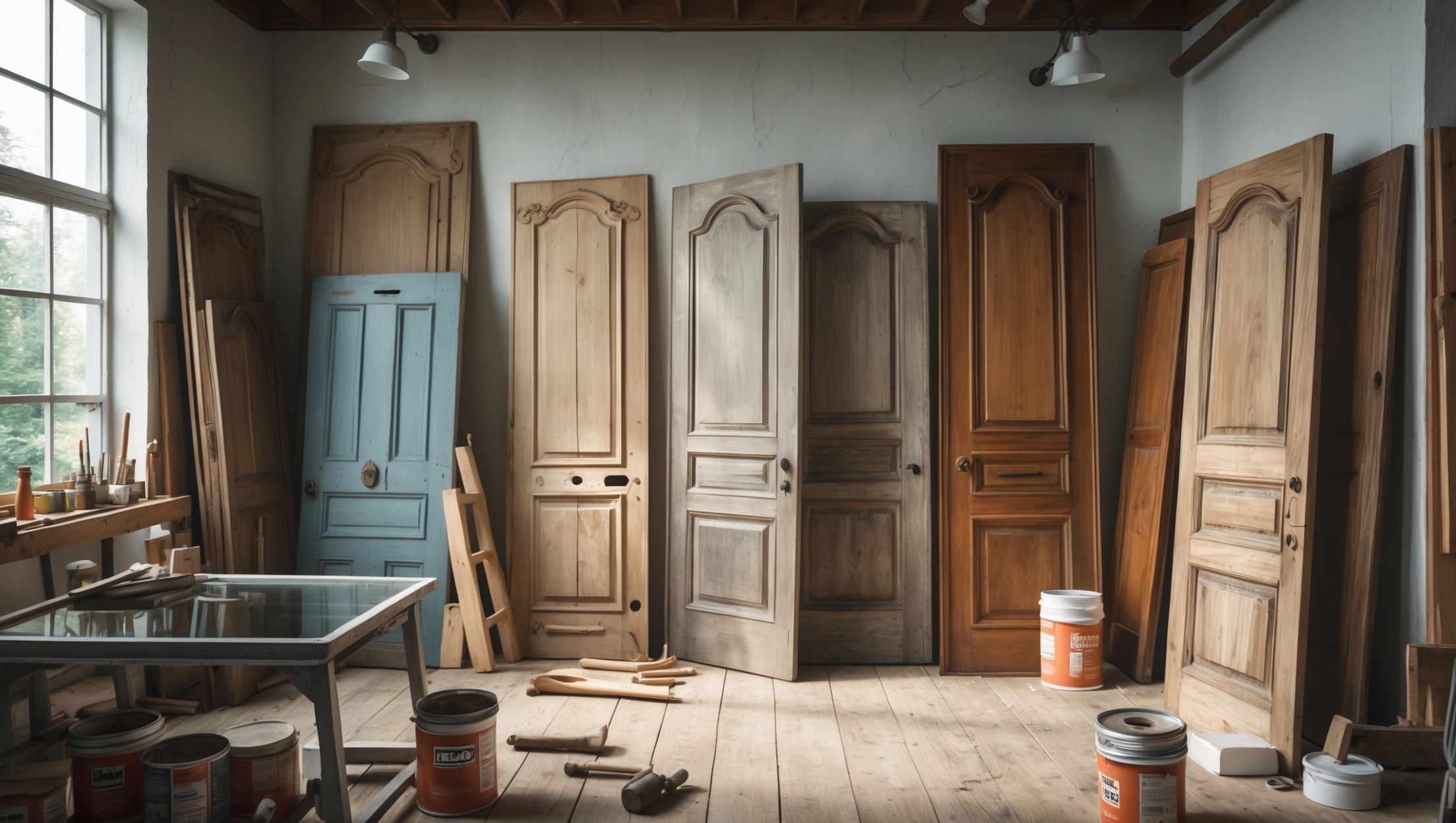
Introduction: Salvaged Doors as Sustainable Canvases
Old doors are more than just entryways—they are rich canvases for creativity and sustainability. Salvaged doors, whether plucked from demolition sites, flea markets, or curbside, carry character and untapped potential. Their robust construction, unique details, and aged patina make them ideal for upcycling into functional art, statement furniture, and architectural features. In today’s world, where sustainable living is more crucial than ever, reimagining and restoring these sturdy relics offers an opportunity to reduce waste, save resources, and infuse spaces with history and charm. This detailed guide will walk you through the practical steps of sourcing, restoring, and creatively upcycling salvaged doors, providing inspiration and actionable tips for both seasoned makers and passionate beginners.
Choosing the Right Salvaged Door
Where to Find Salvaged Doors
- Architectural Salvage Yards: These specialized businesses are treasure troves for old doors, often sorted by style, size, or era.
- Demolition and Renovation Sites: Contractors may allow you to reclaim doors prior to disposal; always get permission and follow safety guidelines.
- Online Marketplaces: Platforms like Craigslist, Facebook Marketplace, and eBay often list unwanted doors at low prices or for free.
- Flea Markets & Antique Shops: While prices may be higher, the selection is often curated and distinctive.
Assessing Quality and Suitability
- Material: Solid wood doors are preferable for most upcycling projects due to their strength and workability. Hollow-core doors are lighter but less durable.
- Condition: Check for rot, insect damage, warping, or major cracks. Minor dings and scratches are usually repairable but extensive rot can compromise structural integrity.
- Size & Style: Consider your intended project. Paneled doors suit tables and headboards, while flush doors are ideal for minimalist projects.
- Hardware: Salvaged doors sometimes come with vintage hinges or handles—these can be cleaned up and reused or sold separately.
Essential Tools and Supplies
Before starting your upcycling journey, gather the right tools for safe and effective restoration.
- PPE: Safety goggles, dust mask or respirator, gloves
- Hand Tools: Screwdrivers, pliers, pry bar, hammer, wood chisel
- Power Tools: Drill/driver, orbital sander, jigsaw (for custom cuts), circular saw (for resizing)
- Finishing Supplies: Wood filler, putty knife, sandpaper (varied grits), primer, paint or stain, clear sealer
- Cleaning Materials: Mild detergent, scrubbing brush, soft cloths
- Adhesives & Fasteners: Wood glue, screws, brackets, L-brackets for furniture projects
Restoration: Preparing Salvaged Doors for Upcycling
Cleaning and Basic Repairs
- Remove Hardware: Carefully unscrew handles, hinges, and locks. Soak rusty hardware in vinegar to restore it for reuse.
- Surface Cleaning: Wash the door with a mixture of mild detergent and water. Avoid soaking; use a damp cloth and dry thoroughly.
- Addressing Damage:
- Fill dents and gouges with wood filler; let dry and sand smooth.
- For small cracks, use wood glue and a clamp until set.
- For minor rot, cut out affected areas and patch with matching wood.
Surface Preparation
- Paint and Finish Removal: Use a chemical stripper or a heat gun and scraper for stubborn paint. Wear a mask—older doors may have lead paint.
- Sanding: Start with coarse (60-80 grit) sandpaper to remove roughness and finish with finer (120-220 grit) for smoothness.
- Priming: If painting, use a quality primer to ensure a durable, even finish.
Creative Upcycling Ideas for Salvaged Doors
1. Statement Dining Table
Old paneled or solid wood doors make dramatic dining or work tables. Reinforce the door with an underframe, add sturdy legs (metal or wood), and finish with a glass top for easy cleaning. Fill recessed panels with epoxy or tile for extra flair.
2. Sliding Barn-Style Doors
Convert wide, rustic doors into sliding barn doors for space-saving room dividers or closet enclosures. Use a barn door hardware kit and reinforce mounting points for safety. Paint or stain to match your décor, or celebrate original patina for vintage appeal.
3. Headboards with Character
Mount a salvaged door horizontally or vertically behind the bed for a unique, architectural headboard. Sand and finish to highlight the wood grain, or paint with bold colors. Add sconces or reading lamps for a functional touch.
4. Outdoor Garden Gates and Fences
Weathered doors bring instant character to gardens. Seal with exterior-grade varnish or paint, install with robust hinges and posts. For added charm, attach vintage hardware or upcycled glass panels as decorative accents.
5. Hallway Benches and Entryway Organizers
Cut doors to size and combine with salvaged wood or crates to create benches. Use panels for the seat and back, add hooks, shelves, or cubbies for storage. Ideal for mudrooms or porches—coat with durable paint or sealer for longevity.
6. Bookshelves and Display Units
Repurpose doors as the sides or backs of shelving units. Glass-paneled doors can form the front of display cabinets. Combine with reclaimed shelves for a cohesive, sustainable piece.
7. Coffee Tables and Console Tables
Trim doors to coffee table size, add hairpin or turned legs, and finish with a clear sealer. For console tables, split a door lengthwise and mount against the wall with brackets.
8. Wall Art and Message Boards
Paint, stencil, or decoupage panels to transform doors into large-scale wall art or family message centers. Chalkboard paint turns a door into a reusable memo board for kitchens or studios.
Step-by-Step: Upcycling a Salvaged Door into a Hallway Bench
Materials & Tools
- 1 solid or paneled door
- Saw (circular or jigsaw)
- Drill/driver and screws
- Wood glue
- Sandpaper (80, 120, 220 grit)
- Wood filler
- Paint or stain & sealer
- Bench legs (salvaged or new)
- L-brackets
Instructions
- Plan Your Cut: Decide the bench’s width and height. Mark the door for cuts—one section for the seat, one for the back, and optional side arms.
- Cut Door Sections: Use a circular saw to cut the door into three pieces: seat, back, and sides (if desired). Sand all edges smooth.
- Assemble Frame: Attach side arms to the seat using wood glue and screws. Secure the back panel with L-brackets and screws for stability.
- Attach Bench Legs: Position legs at each corner, screw into place. Reinforce with additional brackets if needed.
- Fill, Sand, and Finish: Fill screw holes and imperfections with wood filler, let dry, then sand all surfaces. Wipe clean with a damp cloth.
- Paint or Stain: Apply your chosen finish. For rustic charm, distress paint lightly with sandpaper before sealing.
- Final Assembly: Reattach any original hardware for decorative flair or add hooks above the bench for coats and bags.
Finishing Touches: Paints, Stains, and Protective Coatings
Choosing Eco-Friendly Finishes
- Low-VOC Paints and Stains: Choose brands with low or zero volatile organic compounds to minimize indoor air pollution.
- Natural Oils and Waxes: Linseed oil, tung oil, and beeswax bring out wood’s natural beauty with minimal environmental impact.
- Water-Based Polyurethane: Offers durable, clear protection for high-traffic surfaces without harsh fumes.
Application Tips
- Always sand between coats for a smooth, professional finish.
- Apply thin, even layers, letting each coat dry completely before the next.
- For exterior pieces, use weatherproof sealers to extend life and protect against moisture.
Creative Inspiration: Notable Salvaged Door Projects
- Vintage Door Greenhouse: Combine several salvaged glass-paneled doors to construct a compact greenhouse for urban gardens. This project maximizes light and reuses materials that would otherwise go to waste.
- Patio Bar: Upcycle a solid wood door as the top and base of an outdoor bar. Add reclaimed shelves and hooks for storage—a perfect blend of sustainability and functionality.
- Mirrored Hallway Accent: Fit a tall, narrow door with a custom-cut mirror. Paint or strip to match your décor and hang vertically for a dramatic entryway statement piece.
Upcycling Safely: Precautions with Salvaged Doors
Lead Paint and Hazardous Materials
Doors manufactured before 1978 may contain lead-based paint. Always test for lead using a home test kit before sanding or stripping. If lead is present, use wet sanding or a professional abatement service to avoid hazardous dust. Dispose of debris responsibly.
Structural Integrity
Before repurposing a door for load-bearing furniture, inspect for hidden cracks, soft spots, or major warping. Reinforce weak areas with hidden brackets or by laminating a plywood backing.
Maintenance Best Practices for Upcycled Door Projects
- Regular Inspection: Check joints, screws, and finishes annually, especially for outdoor pieces exposed to the elements.
- Touch-Up Finishes: Reapply sealer or paint as needed to protect wood from moisture and UV damage.
- Hardware Care: Lubricate hinges and handles with a light oil to prevent rust and squeaks.
Troubleshooting Common Issues
- Sticky Drawers or Doors: Sand edges lightly and apply a thin layer of wax for smoother operation.
- Paint Peeling: Ensure surfaces are thoroughly cleaned and primed before painting. Use quality exterior paints for outdoor projects.
- Loose Joints: Tighten screws or reinforce with additional brackets as needed.
Conclusion: Sustainable Living, One Door at a Time
Upcycling salvaged doors is more than a creative pursuit—it’s an investment in sustainable living, resourcefulness, and environmental stewardship. Each door tells a story and, when transformed with care, becomes a functional centerpiece that reduces landfill waste and conserves resources otherwise spent on new materials. By thoughtfully selecting, restoring, and reimagining these architectural gems, you can create durable furniture, functional décor, and even outdoor structures that stand the test of time. The process may require patience and elbow grease, but the rewards are tangible: unique pieces, a cleaner planet, and the satisfaction of breathing new life into something once destined for the scrap heap. Embrace creative salvage, experiment boldly, and let the humble old door unlock new possibilities in your sustainable home.



I’m curious about restoring salvaged doors that have a fair amount of old paint—do you have tips for safely removing lead-based paint, especially if you’re planning to use the door as an interior table or headboard? Are there safer products or techniques that work best?
If you suspect the old paint contains lead, safety is very important. Avoid sanding or dry scraping, as this releases harmful dust. Instead, use a chemical paint stripper labeled safe for lead removal, and always wear gloves, goggles, and a mask rated for lead dust. Work in a well-ventilated area, and carefully clean all surfaces afterward. For larger projects, considering a professional abatement service is the best option.
If I find a door with minor dings and scratches at a flea market, what are the basic tools or supplies I should have on hand to repair and prep it for a new project? I’m curious how much work is usually involved before the creative part can begin.
For minor dings and scratches, you’ll need basic supplies like sandpaper (medium and fine grit), wood filler or putty, a putty knife, a screwdriver (for removing hardware), and a clean cloth. The work usually involves sanding down rough areas, filling in dents with wood filler, letting it dry, and then sanding again for a smooth surface. This prep stage isn’t too time-consuming and gets your door ready for painting or other creative touches.
You list architectural salvage yards and online marketplaces as sources for finding doors, but do the prices typically differ a lot between these places? I’m trying to stick to a tight budget, so I’m wondering where people usually get the best deals on quality salvaged doors.
Prices can vary quite a bit between architectural salvage yards and online marketplaces. Salvage yards often offer lower prices, especially if you’re able to negotiate in person or are open to doors with minor imperfections. Online marketplaces might have a wider selection, but prices can be higher due to shipping fees or sellers targeting collectors. For the best deals, many people start with local salvage yards, flea markets, and garage sales, where you can inspect the doors directly and sometimes bargain.
When sourcing salvaged doors from architectural salvage yards versus online marketplaces, are there specific red flags or differences in quality I should look out for, especially if I’m planning to use the door structurally in furniture projects?
When sourcing salvaged doors from architectural salvage yards, you can often inspect them in person for warping, rot, pest damage, or structural cracks—crucial if you’ll use them in furniture. Online marketplaces might only offer photos, so always request detailed images of joints and edges, and ask about previous repairs or hidden damage. Authentic salvage yards may also better verify the door’s history and material, whereas online purchases can sometimes be misrepresented. Always prioritize sturdy, solid-core doors for structural uses.
When sourcing salvaged doors from online marketplaces like Craigslist or Facebook, how do you safely assess their condition for things like rot or insect damage if you can’t inspect them in person before purchase?
When buying salvaged doors online without seeing them firsthand, ask the seller for close-up photos of edges, bottom, and any weathered spots, as these areas often show rot or insect damage first. Request clear images in good lighting, and ask direct questions about any soft spots, crumbling wood, or visible holes. If possible, arrange a video call to have the seller tap or press on areas so you can check for softness or irregularities before committing.
If I find a cool solid wood door at an architectural salvage yard but it has some small areas of rot near the bottom, is there a reliable way to repair that before upcycling it, or is it better to avoid doors with any signs of rot altogether?
You don’t have to avoid doors with minor rot, especially if it’s just in small areas near the bottom. You can cut out the affected wood, treat the area with a wood hardener, and then fill the gap with an epoxy wood filler or a patch of new wood. Once sanded, primed, and painted or stained, the repair can be quite durable and almost invisible.
You mentioned solid wood doors are better for most upcycling projects. If I only have access to hollow-core doors, are there restoration techniques or creative project ideas where their lighter weight would actually be an advantage?
Absolutely, hollow-core doors can be great for projects where a lighter weight is useful. They work well as large wall-mounted art panels, lightweight sliding barn doors, or even as tabletops for craft tables or desks that need to be moved often. For restoration, you can reinforce edges with trim if needed, or fill in holes with wood filler. Their lighter construction makes handling, mounting, and hanging much easier than with solid wood doors.
When picking out a salvaged door from a flea market or an online marketplace, what are some quick ways to check if the wood is solid and not hollow-core? Are there any tricks for telling before buying if you can’t open it up or tap on it in person?
If you can’t tap or open the door in person, look closely at listing photos or ask the seller for details. Solid wood doors are usually heavier, so check if the seller mentions the weight. Also, solid doors often have visible wood grain at the edges, while hollow-core doors sometimes show a thin veneer or seams. You can also ask for side profile pictures to help spot the difference.