

Introduction: The Sustainable Charm of Salvaged Hardware
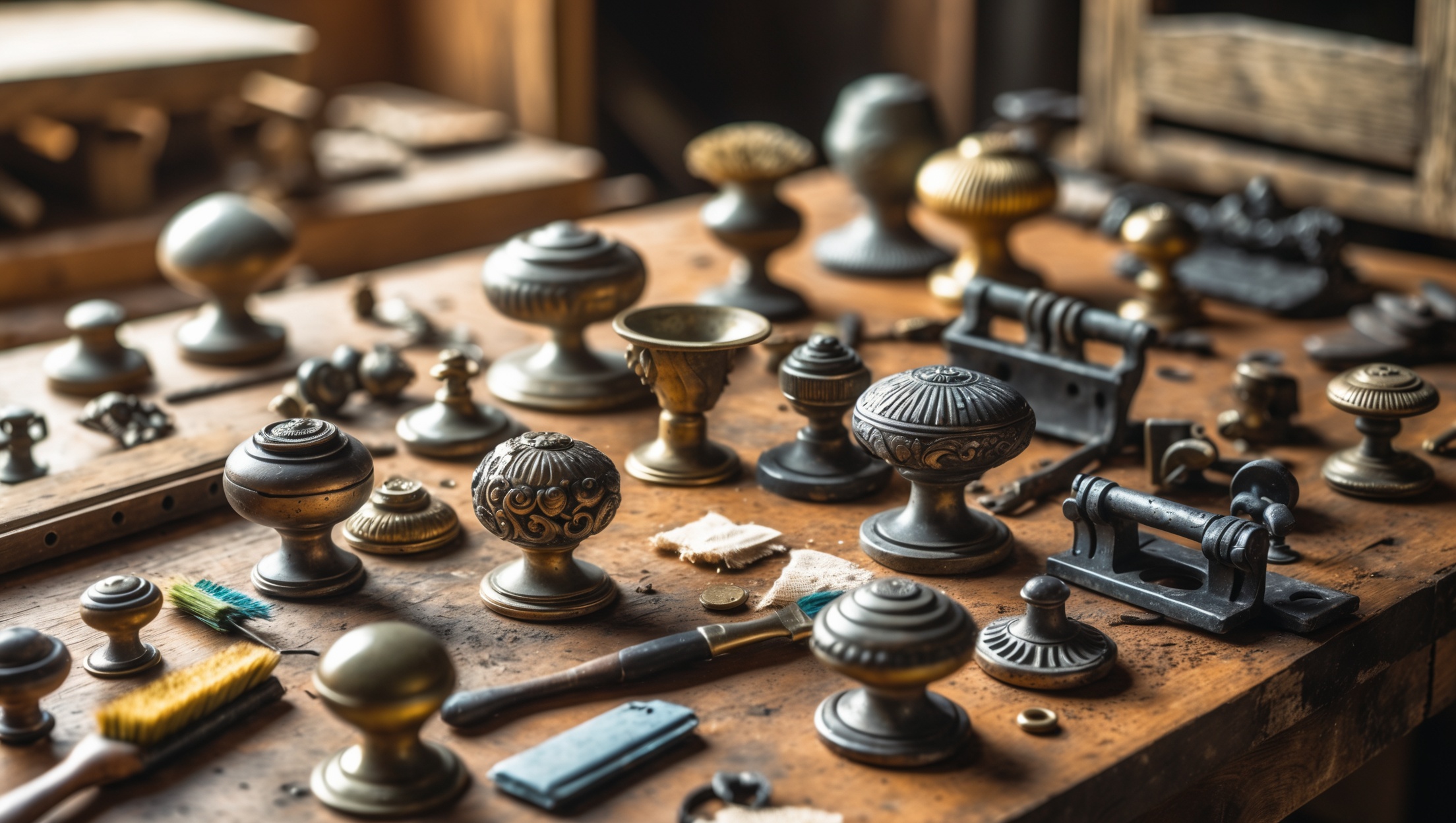
Salvaged hardware—knobs, hinges, and pulls—often languish in dusty bins at architectural salvage yards, flea markets, or even your own garage. Yet, these overlooked pieces can be the soul of a truly sustainable, character-filled interior. Restoring and upcycling vintage hardware not only diverts waste from landfills but also offers a unique opportunity to imbue your projects with history and craftsmanship rarely found in modern mass-produced fittings.
Whether you’re refreshing a salvaged dresser, reviving antique doors, or building custom cabinetry from reclaimed wood, the hardware you choose is the finishing touch that defines the project’s personality. But bringing these forgotten gems back to life requires more than a quick polish. From uncovering hidden beauty in tarnished brass pulls to repairing stubborn hinges and matching screws, restoration is both an art and a science.
This in-depth guide walks you through every step of restoring salvaged hardware for upcycling projects. We’ll cover assessment, safe cleaning techniques, repair methods, finishing options, and practical installation tips. With the right approach, you can transform overlooked scraps of metal and porcelain into functional, beautiful accents that tell a sustainable story in every room.
Sourcing Salvaged Hardware: Where to Find Hidden Treasures
Architectural Salvage Yards
Salvage yards are treasure troves for vintage hardware. Look for specialized stores in your region—many focus on architectural components from demolished or remodeled historic homes. Inventory often includes:
- Porcelain and glass knobs
- Brass, bronze, and cast iron pulls
- Decorative hinges and latches
- Unique escutcheons and keyhole covers
Flea Markets and Estate Sales
Frequent your local flea markets and estate sales, where you’ll find hardware mixed in with boxes of miscellaneous items. Bring a magnet (to check for ferrous metals), a tape measure, and photographs of your project for reference.
Online Marketplaces
Websites like eBay, Etsy, and Facebook Marketplace can yield a wide variety of salvaged hardware. Search for specific styles or periods, but beware of reproduction items if your aim is authenticity.
Demolition Sites and Renovation Leftovers
Network with contractors or local demolition companies—they often discard old hardware during renovations. Be sure to ask permission and exercise caution in active work zones.
Assessing Salvaged Hardware: Condition and Compatibility
Material Identification
First, identify what your hardware is made from. Common materials include:
- Brass: Heavy, yellowish, and non-magnetic.
- Bronze: Reddish-brown, heavier than brass, and non-magnetic.
- Cast iron: Black or rusted, magnetic, and very heavy.
- Porcelain/Glass: Smooth to the touch, often with metal fittings.
- Zinc/Steel: Lighter, magnetic, and prone to rust.
Checking for Damage
- Look for cracks, chips, or missing parts—especially set screws and mounting plates.
- Test moving parts (hinges, latches) for corrosion or stiffness.
- Check threads on screws and bolts for stripping or bending.
Size and Fitment
Measure hole spacing (center-to-center distance), overall hardware width/height, and projection to ensure compatibility with your furniture or doors. If matching existing holes, an exact fit is crucial.
Cleaning Salvaged Hardware: Safe, Effective Techniques
Precautions Before Cleaning
- Wear gloves and eye protection, especially when working with chemicals or rust removers.
- Test cleaning methods on a small, inconspicuous area to avoid damage.
Removing Dirt, Paint, and Old Finishes
- Soaking: Submerge hardware in warm, soapy water for 15–30 minutes to loosen grime. Use a soft brush to scrub gently.
- Paint Removal: For stubborn paint, simmer hardware in a pot of water with a few tablespoons of baking soda for 15–30 minutes. The softened paint can then be peeled away with a wooden stick or old toothbrush.
- Avoid harsh abrasives (like steel wool) on delicate finishes—use nylon brushes or brass-bristle brushes for metals.
Dealing with Rust and Corrosion
- Light Rust: Soak in vinegar or use a paste of baking soda and water. Scrub gently.
- Heavy Corrosion: Commercial rust removers (phosphoric acid-based) can be effective, but always read safety labels and rinse thoroughly.
- Electrolysis: For advanced restorers, electrolysis can remove rust from iron and steel without damaging original details.
Polishing and Preserving Patina
- Brass/Bronze: Use a commercial metal polish or a homemade paste of lemon juice and baking soda. Polish lightly to maintain some patina, which adds character and authenticity.
- Porcelain/Glass: Clean with mild soap and water. Avoid abrasive cleaners, which can scratch surfaces.
- Sealing: After cleaning, consider applying microcrystalline wax or a clear lacquer to protect the finish and slow future tarnish.
Repairing Salvaged Hardware: Making Old Pieces Work Like New
Reassembling and Replacing Missing Parts
- Set Screws: Lost or stripped set screws can be replaced at hardware stores. Bring the original or measure thread size for a match.
- Springs and Pins: Many vintage latches and handles use small springs or pins, which can be fabricated using modern equivalents.
- Porcelain/Glass Knobs: For loose or cracked shanks, epoxy adhesives can secure parts. Avoid over-tightening, which may cause breakage.
Fixing Bent or Misaligned Hardware
- Use padded pliers or a wooden block to gently straighten bent pulls or hinges.
- For warped hinges, clamp between two blocks of wood and apply gentle pressure.
Restoring Functionality to Hinges and Latches
- Clean out old grease and debris from moving parts.
- Lubricate with graphite powder or a dab of machine oil.
- Check for smooth motion—if parts bind, inspect for burrs or corrosion and file as needed.
Filling Pits and Chips
- Small pits in metal can often be filled with metal epoxy, then filed and sanded smooth.
- Porcelain chips may be repaired with two-part epoxy and touch-up paint, though results vary.
Finishing Options: To Polish, Paint, or Patina?
Preserving Original Patina
If you love the aged look, simply clean and wax your hardware to preserve the existing patina. This approach maintains historical value and tells the story of the piece.
Polished and Shiny
For a gleaming look, polish metal hardware with a soft cloth and apply a clear lacquer to seal the finish. Be aware that frequent handling may still result in future tarnish.
Painting Hardware
- Use high-quality metal primers and paints (spray or brush-on).
- Lightly sand hardware for better adhesion.
- Apply multiple thin coats, allowing each to dry completely.
Creating Faux Patinas
- Chemical patina solutions can age new or cleaned brass/bronze for a vintage look.
- Experiment on test pieces to achieve your desired effect.
Installation Tips: Making Salvaged Hardware Fit Your Project
Preparation
- Lay out all cleaned and repaired hardware with corresponding screws and plates.
- Mark drilling locations with a template or masking tape for accuracy.
Drilling and Mounting
- Use a drill bit sized to your screws—too small and wood may split, too large and hardware may loosen.
- For fragile or thin surfaces, pre-drill shallow pilot holes.
- Install hardware carefully, tightening screws by hand to avoid stripping threads.
Adapting Non-Standard Hardware
- If screw spacing doesn’t match existing holes, fill old holes with wood filler and drill new ones after sanding smooth.
- For doors or drawers with oversized holes, use backplates or escutcheons to cover gaps and add decorative flair.
Troubleshooting Common Issues
- If a knob or pull spins, check that the shank is tight and the screw is the correct length.
- Hinges that creak or bind may need additional lubrication or slight repositioning.
Maintenance Best Practices: Keeping Restored Hardware Beautiful
Regular Cleaning
- Wipe hardware periodically with a soft, dry cloth to remove dust and oils.
- Avoid harsh cleaners that can strip finishes or damage patina.
Touching Up Scratches and Wear
- Light scratches on metal can be buffed out with fine steel wool or a polishing cloth.
- For painted hardware, keep a small jar of matching paint for quick touch-ups.
Preventing Tarnish and Corrosion
- Apply a thin coat of wax or oil periodically to metal surfaces.
- Keep hardware dry and promptly wipe up any moisture to prevent rust.
Project Inspiration: Creative Uses for Restored Hardware
- Eclectic Gallery Walls: Mount a collection of antique knobs and pulls as wall hooks for keys, hats, or jewelry.
- Upcycled Furniture: Mix and match restored hardware on salvaged dressers, desks, or kitchen cabinets for a whimsical effect.
- Custom Coat Racks: Attach vintage pulls to a reclaimed wood board for a one-of-a-kind entryway organizer.
- Repurposed Door Hinges: Use ornate hinges as decorative brackets for shelves or small wall-mounted displays.
Conclusion: Embrace the Sustainable Legacy of Salvaged Hardware
Restoring salvaged knobs, hinges, and pulls is more than a cost-effective solution for your upcycling projects—it’s a meaningful practice that honors craftsmanship, preserves history, and reduces environmental impact. Every time you clean, repair, and reinstall a vintage piece of hardware, you’re participating in a legacy of sustainability and creativity, turning forgotten fragments into functional art.
By sourcing thoughtfully, assessing each piece’s potential, applying the right cleaning and repair techniques, and finishing with care, you’ll unlock a world of design possibilities that far surpass the ordinary. Restored hardware adds instant character and authenticity, transforming basic salvaged furniture and doors into statement pieces filled with personality and story.
As you experiment with salvaged hardware in your next project, remember that every scratch, patina, and quirk is a testament to its journey. With regular maintenance and a creative eye, you’ll keep these treasures shining for generations to come—proving that true style is both sustainable and enduring.
Start exploring your local salvage yard or dig through your own collection. The perfect piece of hardware is out there, just waiting for a second life in your hands.


When restoring tarnished brass pulls from an estate sale, do you recommend any specific cleaning solutions that are safe for the finish but still effective at removing years of grime? I want to avoid damaging any of the original patina.
For tarnished brass pulls where you want to keep the original patina, start with a gentle mix of warm water and mild dish soap. Use a soft cloth or a toothbrush to remove grime without being too abrasive. If more cleaning is needed, try a paste of baking soda and water, but avoid commercial metal polishes since they can strip the patina. Rinse thoroughly and dry to prevent water spots.
You mentioned using a magnet to identify ferrous metals at flea markets—does this impact which cleaning or restoration techniques you suggest later in the process, especially for dealing with rust or corrosion on different metal types?
Yes, identifying whether a metal is ferrous or non-ferrous with a magnet helps determine the best cleaning approach. Ferrous metals like iron or steel are prone to rust, so techniques like gentle wire brushing, rust removers, or vinegar soaks are often recommended. Non-ferrous metals such as brass or copper don’t rust but may tarnish, so milder polishes or lemon and baking soda work well for them. Knowing the type ensures you avoid harsh methods that might damage the piece.
You mentioned using a magnet to check for ferrous metals when shopping at flea markets and estate sales. Are certain metals more challenging to restore or maintain over time, especially for beginners? Any tips on what to avoid if you’re trying to keep the project budget-friendly?
Yes, some metals are trickier for beginners. Brass and solid bronze are great choices—they clean up nicely and resist rust. Heavily rusted iron or steel can be tough to restore and may need specialized products or tools. If you want to keep costs down, avoid items with deep corrosion or missing parts, and steer clear of painted-over hardware that might need a lot of stripping.
When you mention safe cleaning techniques for old brass or porcelain knobs, do you have recommendations for specific products or homemade solutions that won’t damage delicate finishes? I’ve accidentally removed patina before and don’t want to repeat that mistake.
For cleaning old brass or porcelain knobs without damaging their finish or removing the patina, gentle is key. For brass, use a mild dish soap diluted in warm water and a soft cloth—avoid abrasive cleaners or metal polishes. For porcelain, a paste of baking soda and water applied gently with a soft sponge works well. Always test a small spot first and dry thoroughly afterward.
When restoring old brass pulls or porcelain knobs from a salvage yard, do you have any tips for safely removing layers of old paint without damaging the original finish underneath? I often find pieces that are caked in paint and worry about ruining them during cleaning.
For brass pulls or porcelain knobs, try soaking them in a solution of warm water and mild dish soap overnight to soften old paint. You can then gently use a wooden or plastic scraper, not metal, to peel away softened paint. Avoid harsh chemicals or abrasives, as they can damage the original finish. For stubborn spots, a soft toothbrush helps. Always dry thoroughly after cleaning to prevent tarnish or rust.
I’d love to try restoring some salvaged hinges and pulls for our kitchen remodel, but as a busy parent it’s hard to know how much time to budget. On average, how long does it take to clean and restore a batch of vintage hardware for one room?
Restoring a typical batch of vintage hinges and pulls for one room usually takes about 4 to 8 hours total, depending on the level of grime and any repairs needed. Allow a couple of hours for cleaning and soaking, plus some extra time for removing old paint, polishing, and reassembling. You can break it into smaller sessions if your schedule is tight.
You mentioned bringing a magnet to flea markets to check for ferrous metals—does this affect how I should clean or restore different types of hardware? I have kids at home, so I want to be sure I’m using safe methods, especially with old paint or finishes.
Yes, knowing whether hardware is ferrous (magnetic) or non-ferrous helps you choose safe cleaning methods. For ferrous metals like iron or steel, avoid harsh chemicals and be careful with rust removers, as some contain strong acids. If you suspect old paint contains lead, always wear gloves and a mask, and avoid sanding—use a damp cloth or gentle soap instead. For non-ferrous metals like brass, mild soap and water are safest. Always keep strong cleaners away from kids and thoroughly rinse hardware before reinstalling.
If I find mismatched knobs or hinges at an estate sale, is it better to embrace the variety for character or are there methods for refinishing them so they match better in a modern room?
Both approaches can work beautifully depending on your style. Embracing mismatched hardware adds character and a unique, eclectic look. If you prefer a more uniform appearance, you can refinish the knobs or hinges by painting, spraying them with metallic finishes, or using chemical patinas to achieve a consistent color and texture. Light sanding and priming can help the new finish adhere better, giving your salvaged pieces a cohesive, modern look.
I’ve noticed that a lot of salvaged hinges I find at flea markets are missing screws or have mismatched ones. Do you have any tips for finding period-appropriate replacement screws or making modern ones blend in with older hardware?
Finding period-appropriate replacement screws can be a bit of a treasure hunt. Antique shops, architectural salvage stores, and online marketplaces sometimes have old screws for sale. If you use modern screws, try aging them by soaking in vinegar to dull the shine, or rubbing with steel wool. You can also paint the heads to match your hardware’s finish for a more authentic look.
I noticed you mentioned using magnets to identify ferrous metals at flea markets. For older hinges that are rusted but not seized, do you have any advice on loosening and repairing them without damaging their structure or original look?
For rusted but still moving hinges, try soaking them in a mixture of equal parts white vinegar and water. This gently loosens rust without harsh chemicals. After soaking, scrub lightly with fine steel wool to remove loose rust, then dry thoroughly. Apply a penetrating oil like WD-40 to keep them moving smoothly. Avoid wire brushes or heavy sanding to protect the original finish and structure.
I often find salvaged knobs and pulls at estate sales, but sometimes the screws are missing or mismatched. Do you have suggestions for sourcing period-appropriate screws or tips for making modern replacements look authentic with vintage hardware?
Finding period-appropriate screws can be tricky, but specialty hardware stores and architectural salvage shops often carry vintage or reproduction screws in common finishes. For a DIY approach, you can use new screws and age them with a little vinegar or by rubbing them with steel wool to dull the shine. Matching the slot style (like flathead) and finish to your hardware helps them blend in seamlessly.
If I’m looking for matching screws or missing components for vintage hinges found at a salvage yard, what strategies would you suggest for sourcing those, especially if the original hardware manufacturer is unknown or long out of business?
When tracking down matching screws or missing parts for vintage hinges, it’s helpful to bring one of the hinges or a sample screw with you to hardware stores, especially those specializing in older or reclaimed hardware. You might also try architectural salvage yards, antique shops, or online marketplaces where sellers often carry odd hardware pieces. If an exact match is hard to find, look for similar styles and finishes, or consider having parts custom-made by a local metalworker.
If some of the salvaged knobs I find are missing screws or have mismatched ones, what’s the best way to source or match replacement screws to keep the hardware secure and still preserve the vintage look?
To match vintage hardware screws, take one of the existing screws to a local hardware or specialty store. Staff can help you find screws with the same thread and length. For a more authentic look, look for slotted or antique-finish screws. You can also age new screws using vinegar or specialty patina solutions to match the original hardware’s appearance.
When restoring old brass pulls or porcelain knobs from salvage yards, how can you tell if a piece is too damaged or worn to be worth the effort of restoring? Are there certain signs that mean it just won’t hold up for daily use?
When evaluating salvaged brass pulls or porcelain knobs, check for structural cracks, missing pieces, or severe pitting in the metal—these are often signs the item won’t withstand daily use. For knobs, if the threaded insert is stripped or porcelain is deeply chipped or cracked, restoration may not be practical. Superficial tarnish or minor surface wear can usually be cleaned or polished, but extensive damage or weakened parts are best avoided.
When you find old brass pulls at a salvage yard that are really tarnished or have layers of paint, how do you know if cleaning will reveal a nice finish or if the metal is too damaged to restore? Any tips for figuring this out before buying?
When inspecting old brass pulls at a salvage yard, check if the underlying metal is brass—try using a small magnet; brass is non-magnetic. Look for dents, deep corrosion, or cracks, as these are harder to fix than tarnish or paint. Light scratches and surface grime usually clean up well, but pitting or metal loss may not. If possible, gently scratch a small hidden area to see the finish beneath.
When sourcing vintage hardware from salvage yards or flea markets, how do you know if a knob or hinge is structurally sound enough to be restored rather than just decorative? Are there specific signs of damage or wear that make a piece not worth salvaging?
When checking vintage hardware, look for cracks, deep corrosion, or missing essential components—these often mean a piece isn’t worth restoring. Test moving parts like hinges for smooth motion and check that knobs or pulls aren’t bent or weakened. Surface tarnish or light rust is usually fine and can be cleaned, but if a part feels flimsy, wobbly, or has structural fractures, it’s best to pass on it.
I noticed the article mentions using a magnet to check for ferrous metals at flea markets. If I find mixed metal hardware, is there a recommended cleaning method that won’t damage decorative porcelain or glass knobs attached to those pieces?
When cleaning mixed metal hardware with decorative porcelain or glass knobs, avoid harsh chemicals or abrasive scrubbing. Use a soft cloth dampened with mild soapy water to gently clean the surfaces. Be careful not to soak the knobs, especially around joints. For any tarnished metal parts, a gentle metal polish applied only to the metal (keeping it away from the porcelain or glass) works well. Dry thoroughly after cleaning to prevent moisture damage.
When you find a set of old brass pulls at a salvage yard that are really tarnished, how do you know if the underlying metal is good quality and worth restoring, versus something that will never look right even after cleaning?
To check the quality of old brass pulls, look for weight—they should feel solid and not flimsy. Inspect for cracks or deep pitting, which may mean the metal is weakened. You can also gently scratch an inconspicuous spot; real brass is gold-toned underneath, while brass-plated items may reveal a different metal. If they’re solid brass and structurally sound, they’ll usually clean up beautifully with some polishing.
When picking salvaged hardware at flea markets or estate sales, how do you tell if old brass pulls are solid brass versus brass-plated, especially if they are heavily tarnished? Are there any quick in-person tests you recommend before committing to restoration?
To tell solid brass from brass-plated hardware, try holding a magnet to the piece—solid brass isn’t magnetic, but a magnetic pull suggests a plated item. Also, scratch a small, inconspicuous spot with a file; solid brass shows a consistent gold color underneath, while brass-plated pieces reveal a different base metal. Heavily tarnished solid brass will usually polish up beautifully, while plating may flake or show wear.
If a vintage hinge or knob is missing matching screws, do you recommend sourcing period-appropriate screws from salvage yards as well, or are new replicas a practical alternative for both aesthetics and function?
Sourcing period-appropriate screws from salvage yards is ideal for achieving an authentic vintage look, especially if the details matter for your project. However, new replica screws can also work well, offering reliable function and a similar appearance. If you choose replicas, try to match the finish and head style to maintain the overall aesthetic.