
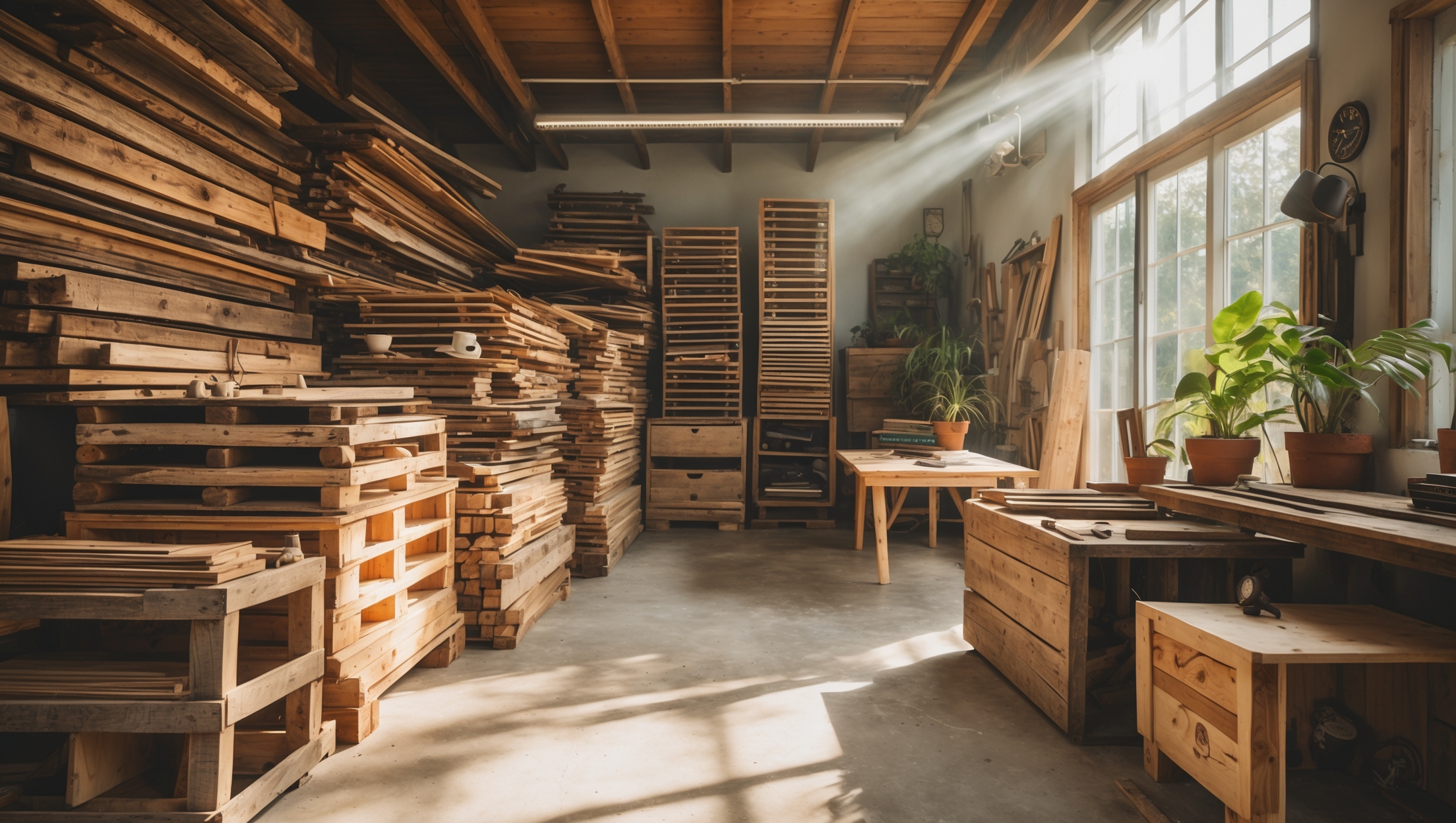
Introduction: Turning Passion for Creative Salvage into a Home-Based Business
Upcycling isn’t just a satisfying way to breathe new life into discarded items—it’s fast becoming a rewarding side hustle for creatives who care about sustainability. Whether you’re already transforming curbside finds into conversation pieces or just considering your first restoration project, this guide will show you how to take your love for creative salvage and systematically turn it into a profitable home-based business. We’ll cover the nuts and bolts of setting up shop: legal considerations, workspace setup, sourcing materials, budgeting, pricing, marketing, and best practices for growth. With practical tips, real-world examples, and a focus on responsible, eco-friendly operations, you’ll learn how to launch your own creative salvage venture without overwhelming your space, your budget, or your schedule. Ready to transform your upcycling skills into a meaningful income stream? Let’s dig in.
Finding Your Niche: What to Salvage, Restore, and Sell
Assessing Your Skills and Passion
The best upcycling side hustles are built on genuine interest and existing skills. Are you drawn to woodworking, metalwork, or textiles? Do you have a knack for furniture restoration, lighting rewiring, or transforming industrial remnants into art? Take stock of your strengths and the types of salvage projects you most enjoy.
Market Demand and Trends
Research local and online markets to see what sells. Vintage industrial lighting, mid-century modern furniture, rustic farmhouse décor, and functional art pieces are perennial favorites. Seasonality also matters: garden planters and outdoor pieces sell well in spring, while cozy indoor items spike in autumn and winter.
- Start Small: Test demand with a few items before committing to a niche.
- Stand Out: Look for unique salvage materials others overlook—think architectural fragments, old signage, or unusual hardware.
- Stay Flexible: Market trends shift; remain open to adapting your offerings.
Setting Up Your Home Workshop
Optimizing Space for Safety and Efficiency
You don’t need a sprawling workshop to get started. Even a spare room, garage corner, or balcony can become a productive upcycling space if organized wisely. Prioritize:
- Good ventilation: Especially for painting, sanding, or using adhesives.
- Sturdy work surfaces: Repurpose old doors or tables for workbenches.
- Tool storage: Wall-mounted pegboards or upcycled tool chests keep essentials accessible.
- Material zones: Designate areas for raw salvage, works-in-progress, and finished goods to avoid clutter.
Essential Equipment for the Home-Based Upcycler
Your toolkit will depend on your focus, but most creative salvage side hustlers benefit from:
- Cordless drill/driver
- Hand saws (wood and metal)
- Orbital sander and sanding blocks
- Paint brushes, rollers, and eco-friendly finishes
- Pliers, screwdrivers, and wrenches
- Clamps and measuring tools
- Personal protective equipment (PPE): gloves, masks, eye protection
Sourcing Materials Sustainably (and Legally)
Where to Find Salvage Gold
Start with what you have—family hand-me-downs, attic finds, or garage clear-outs. Then expand your search to:
- Curb alerts and neighborhood bulk trash days
- Construction site offcuts (with permission)
- Architectural salvage yards
- Thrift stores and charity shops
- Online classifieds and local social media groups
Ethical and Legal Considerations
Never take items from private property or construction sites without explicit permission. Build relationships with contractors, realtors, or thrift shop staff for first dibs on interesting discards. Always ask about the history of items that could contain hazardous materials (lead paint, asbestos, etc.).
Budgeting and Start-Up Costs
Realistic Cost Breakdown
Starting a creative salvage side hustle is refreshingly affordable, but costs vary based on your niche and scale. Typical initial expenses include:
- Basic tools and PPE: $150–$500
- Workshop upgrades (lighting, storage): $50–$300
- First batch of salvage materials: $0–$200 (often free!)
- Safety gear and eco-friendly finishes: $50–$150
- Business setup (optional): $0–$200 (licenses, insurance)
Budget-Smart Tips
- Start with hand tools; upgrade only as your business grows.
- Reinvest profits into better equipment or workspace improvements.
- Source free or low-cost materials whenever possible to maximize margins.
Pricing Your Upcycled Creations
Valuing Time, Materials, and Creativity
Pricing is a common hurdle for new upcyclers. Factor in:
- Material costs (including finishes and hardware)
- Time spent sourcing, restoring, and marketing
- Overhead (tools, workspace, utilities)
- Your creative expertise—unique designs can command a premium
Use a simple formula: (Material Cost + Hourly Rate x Hours) x 1.2–2.0 Markup, adjusting for market demand and uniqueness.
Legal Steps: Business Registration and Compliance
Do You Need to Register?
If you’re selling occasionally or as a hobby, formal registration may not be required. For regular sales or if you want liability protection, consider registering as a sole proprietor or LLC. Check your state or country’s rules for home-based businesses.
Permits and Insurance Basics
- Some cities require home business permits—check local regulations.
- Product liability insurance protects against claims (especially for furniture and lighting).
- Keep records for taxes, especially if selling online.
Photographing and Listing Your Upcycled Products
DIY Product Photography Tips
Great photos sell upcycled goods. Use natural light, neutral backdrops, and multiple angles. Clean, stage, and style your pieces to show scale and function—add a plant or book to a restored table, for example.
Writing Effective Listings
- Describe the item’s story—where it was salvaged, its transformation, and any unique features.
- Note dimensions, materials, and care instructions.
- Use keywords buyers might search (e.g., “vintage upcycled dresser,” “reclaimed wood coffee table”).
Choosing Where to Sell: Online and Local Options
Online Marketplaces
- Etsy: Ideal for handmade and one-of-a-kind items.
- eBay: Good for vintage and collectible pieces.
- Facebook Marketplace and local buy/sell groups: Quick, fee-free local sales.
- Shopify or WooCommerce: For building your own branded store.
Local Sales Channels
- Pop-up markets and craft fairs
- Consignment shops and antiques stores
- Home décor boutiques (pitch your unique story and eco-friendly angle)
Marketing Your Creative Salvage Side Hustle
Building a Brand Story
Upcycled goods stand out when you share their journey. Highlight the environmental impact (materials saved from landfill), your creative process, and local roots. Use before-and-after photos to emphasize transformation.
Leveraging Social Media
- Instagram: Visual storytelling, behind-the-scenes, and finished pieces
- Pinterest: Pin tutorials, mood boards, and product shots
- Facebook: Engage with local buyers and groups
Post consistently, use relevant hashtags (e.g., #upcycledfurniture, #creativesalvage), and interact with followers to build community and trust.
Encouraging Word-of-Mouth
- Offer referral discounts for customers who send friends your way.
- Include business cards or care instructions with each piece you sell.
- Ask satisfied buyers for reviews and permission to share their photos.
Managing Orders, Shipping, and Customer Service
Handling Orders Efficiently
Stay organized with a simple spreadsheet or free inventory app. Log materials, time, costs, and buyer info. Promptly confirm orders and provide realistic turnaround times.
Shipping and Delivery Options
- For small items: Use recycled packaging and offer flat-rate shipping.
- For furniture: Offer local delivery, partner with a courier, or use freight services for long-distance buyers.
- Communicate clearly about delivery times, costs, and any assembly required.
Customer Service Best Practices
- Respond to inquiries promptly—within 24 hours is ideal.
- Offer clear care instructions for your upcycled pieces.
- Handle returns or complaints professionally and fairly; your reputation is your best marketing tool.
Scaling Up: From Side Hustle to Small Business
Streamlining Production
- Batch similar projects (e.g., painting several items together) to save time.
- Develop templates or repeatable designs for efficiency, while keeping each piece unique.
Expanding Your Reach
- Collaborate with local artisans or interior designers for custom commissions.
- Host open studio days or workshops to attract new fans.
- Document your projects as tutorials or process videos to build authority—and create new revenue streams.
Tracking Finances and Growth
- Set monthly sales and profit targets.
- Review which items sell best and adjust your focus accordingly.
- Consider reinvesting profits into upgraded tools, workspace expansion, or marketing.
Conclusion: Building a Sustainable, Fulfilling Upcycling Business from Home
Launching a creative salvage side hustle from home is more than a way to earn extra income—it’s an opportunity to champion sustainability, exercise your creativity, and connect with a growing community of eco-conscious makers and buyers. By starting small, focusing on unique and high-demand upcycled projects, and paying careful attention to workspace organization and safety, you can transform overlooked materials into sought-after pieces that tell a story and make a difference.
Remember: success in upcycling for profit is about much more than quick sales. It’s about building a reputation for quality, authenticity, and environmental responsibility. Every salvaged chair, repurposed lamp, or custom art piece you create saves resources and inspires others to rethink waste. Whether you keep your business as a rewarding side hustle or scale it into a full-time operation, your efforts help shape a more sustainable future—one project at a time. So gather your tools, scout your next salvage find, and take the first step toward a profitable and purpose-driven upcycling business from the comfort of your own home.

I’m interested in starting small as you suggest, but how do you recommend handling storage and workspace organization when working out of a typical American garage or apartment? Are there certain types of upcycling projects that are more space-efficient for beginners?
For tight spaces like garages or apartments, focus on smaller upcycling projects such as jewelry, home decor, or small furniture pieces like stools and shelves. Use vertical storage solutions—shelves, pegboards, and clear bins help keep materials organized and visible. Labeling containers makes it easy to find supplies quickly. Folding tables or portable work surfaces can provide flexible workspace and can be tucked away when not in use.
You mention that legal considerations are important when setting up a home-based creative salvage business. For someone in the US just starting out, what are the most essential permits or licenses to look into, especially if I plan to sell both online and locally?
For a home-based creative salvage business in the US, you’ll likely need a general business license from your city or county. If you use a name different from your own, a DBA (Doing Business As) registration is often required. For selling online and locally, you may also need a sales tax permit or reseller’s certificate. Always check zoning laws, especially if clients will visit your home, and review any HOA rules if you live in a community with one.
When starting out with a creative salvage side hustle from home, how do you recommend finding reliable sources for unique materials like architectural fragments or old signage? Are there any particular platforms or strategies you’ve found most effective for sourcing in the US?
To find unique materials like architectural fragments or old signage, try visiting local salvage yards, estate sales, and flea markets—they often have hidden gems. Many people also have luck with platforms like Facebook Marketplace, Craigslist, and eBay. Joining local online groups or community boards can alert you to demolition projects or businesses clearing out old inventory. Networking with local contractors and keeping an eye on building renovations in your area can also lead to great finds.
I noticed the article mentions legal considerations when starting an upcycling business from home. What are some of the specific legal steps or permits I might need to look into before I start selling my restored pieces, especially if I’m just beginning on a small scale?
When starting an upcycling business from home, even on a small scale, it’s important to check local zoning laws to ensure home-based businesses are allowed. You may need a basic business license from your city or county, and some areas require a sales tax permit if you’re selling goods. If you use specific materials, check for regulations around their use, disposal, or transport. Keeping records of your purchases and sales will also help you stay compliant with tax requirements.
You mention legal considerations for setting up a home-based upcycling business, but could you clarify what specific permits or licenses someone should look into when starting out, especially if they are just flipping smaller items online from home?
If you’re flipping smaller upcycled items online from home, you might need a local business license, even for a home-based operation. Some areas require a home occupation permit. Check if sales tax registration is necessary in your state, since you may be selling taxable goods. If you use specific materials (like chemicals for refinishing), additional permits could apply. Always verify requirements with your city or county government, as rules can vary by location.
I’m interested in starting with furniture restoration like the article mentions, but my space at home is pretty limited. Do you have any tips for setting up a functional workspace that won’t take over my entire living room?
You can definitely start furniture restoration in a small space with a few adjustments. Focus on working with smaller items at first, like stools or chairs, instead of large pieces. Choose a dedicated corner or use a foldable table that can be packed away when not in use. Store tools and supplies in stackable bins or rolling carts to keep things tidy. Good ventilation and a drop cloth will also help protect your living area.
When figuring out legal considerations for starting a home-based upcycling side hustle here in the US, what are the most important steps to cover first? Are there zoning or insurance issues that usually catch new upcyclers by surprise?
When starting a home-based upcycling business in the US, check your local zoning laws—some areas restrict business activities at home or limit customer visits. You’ll also need to register your business, possibly get a resale permit, and look at liability insurance to protect yourself in case of accidents or property damage. Many new upcyclers overlook zoning rules or the need for specific insurance, so address these early.
Could you share some ideas on how to balance limited workspace at home with starting an upcycling side hustle, especially if you need to keep materials and finished pieces separate from regular family living areas?
To manage limited workspace, consider using vertical storage like shelves or wall hooks to keep materials organized and off the floor. Designate clear zones for work and storage, even if it’s just a corner or closet. Use stackable bins or labeled containers to separate raw materials from finished pieces. Portable work surfaces, like foldable tables, can be set up and packed away as needed, ensuring family areas stay uncluttered.
Could you share a bit more about how to set fair prices for upcycled pieces, especially when starting with small batches to test demand? I’m trying to figure out the best way to factor in my time and materials versus what buyers are willing to pay in my area.
When pricing your upcycled pieces, start by tracking all material costs and estimating the hours you spend on each item. Set an hourly wage for yourself, and add that to your material expenses. Check local online marketplaces to see what similar items sell for, and adjust your price if needed to stay competitive. Since you’re testing demand, it’s fine to start on the lower end, then gradually increase prices as your pieces gain interest or you refine your process.
You mentioned testing demand with a few items before committing to a niche. Could you share some practical ways to gauge what’s selling locally versus online, and how much inventory is reasonable to create at the start?
To gauge what’s selling locally, check out local flea markets, craft fairs, and thrift stores to see what upcycled items are moving quickly. Online, browse platforms like Etsy, Facebook Marketplace, and eBay for trending products in your category. Start with a small batch—maybe 3 to 5 pieces per design—so you can test demand without overcommitting. Adjust your inventory based on feedback and sales patterns.
I’m interested in the part about testing demand before settling on a niche. In your experience, what are some practical ways to gauge market interest for upcycled items beyond just listing a few pieces online? Are pop-up markets or local events worthwhile when starting out?
Pop-up markets and local events are definitely worthwhile for testing demand, as you get direct feedback from real customers and can observe which pieces attract the most interest. You might also consider joining local maker fairs, collaborating with small shops for consignment, or hosting a workshop to showcase your process. These approaches help you understand what resonates with your audience before committing to a specific niche.
You mention starting small to test demand before committing to a niche. How much of an initial investment is typically needed for supplies and tools to get going, and is it possible to keep start-up costs really low?
You can definitely keep your start-up costs quite low when beginning an upcycling side hustle. Many people get started with basic hand tools and free or inexpensive salvaged materials. An initial investment of $50–$150 is often enough for essential supplies like sandpaper, paint, basic tools, and adhesives. Thrift stores, garage sales, and even community giveaways are great sources for low-cost materials, helping you test ideas without a big financial commitment.
When setting up a home workspace for upcycling, especially if you’re dealing with bigger furniture projects, what are some tips for keeping things organized and compliant with local zoning or safety regulations? Does working out of a garage or basement usually require special permits in the US?
For larger upcycling projects, designate zones in your workspace for cutting, painting, and storage to keep things tidy and efficient. Store tools and paints safely, especially if you use flammable or hazardous materials. In the US, using a garage or basement for a business can sometimes require permits, depending on your city’s zoning rules and the level of activity. It’s best to check with your local zoning office about any home-based business regulations, safety codes, or fire requirements before starting.
I noticed you mention legal considerations and workspace setup as part of starting a home-based upcycling business. For someone in a suburban area, what are some common zoning or permit issues to watch out for when working from home and selling locally?
In suburban areas, check your local zoning laws to ensure home-based businesses are allowed, especially if you plan to have regular pickups or deliveries. Pay attention to noise, parking, and signage restrictions, as well as limits on the number of customers visiting your home. You may also need a home occupation permit or business license. Contact your local city or county office to clarify any specific requirements before starting.
Could you elaborate on what the legal considerations might look like when turning a creative salvage hobby into a business from home, especially regarding resale laws or permits in the US?
When turning your creative salvage hobby into a business, you’ll want to check your local zoning laws to ensure home-based businesses are allowed. In the US, you may need a resale license or sales tax permit to sell upcycled goods, depending on your state. It’s also important to verify where you’re sourcing items, as some materials may have restrictions. Consulting your city or state’s small business resources can help clarify the specific permits you’ll need.
I’m interested in starting an upcycling project from home, but my space is pretty limited. Do you have suggestions for organizing a small workspace so it doesn’t get too cluttered as I try out different salvage projects?
Absolutely! For a small workspace, focus on vertical storage like shelves or pegboards to keep tools and supplies off your work surface. Use clear bins or labeled boxes to organize materials, and dedicate a specific area—like a foldable table—for active projects. Keeping only the essentials within reach and regularly clearing out unused items will help you stay tidy as you experiment with your upcycling ideas.
I’m interested in starting small with upcycling, but I’m not sure how to price my first few items when I don’t have a sense of market value yet. Do you have any tips for figuring out fair pricing for salvage pieces as a beginner?
To set fair prices for your upcycled pieces, research similar items on platforms like Etsy or Facebook Marketplace to see what others charge. Factor in your material costs, time spent, and any unique value you add. Start with modest pricing to attract buyers and gather feedback, then adjust as you learn what sells and what people are willing to pay.
I’m interested in testing out a few upcycled items before committing to a niche as the article suggests. Do you have tips on setting an initial budget for tools and supplies, and how to avoid overspending when just starting out?
Start by deciding on a small range of items you want to upcycle, and list out only the essential tools and supplies for those projects. Set a modest budget, such as $50 to $100, and try to source materials secondhand or use what you already have at home. Track every expense, and avoid buying specialty tools until you’re sure you’ll continue with those specific projects. This way, you can experiment without a big upfront investment.
I’m curious about the legal considerations part—are there specific permits or licenses required for selling upcycled furniture or art online, and how do these requirements differ from selling locally at markets or pop-up events?
When selling upcycled furniture or art online, you typically need a basic business license, and some platforms may require you to collect and remit sales tax, depending on your location. For local markets or pop-up events, you might also need a vendor or temporary event permit, and sometimes liability insurance is recommended or required by event organizers. Requirements can vary by state and city, so it’s wise to check with your local government offices for specifics.
I noticed you mention legal considerations for setting up an upcycling side hustle. If I’m mainly selling locally at flea markets or through social media, what kinds of permits or licenses should I look into first in the US?
If you’re selling upcycled goods locally, you’ll typically need a basic business license from your city or county, and possibly a sales tax permit if your state collects sales tax. Flea markets may also require a vendor permit or proof of registration. It’s a good idea to check with your local city hall or small business office to confirm exactly what’s needed in your area.
I’m curious about the legal considerations mentioned for starting a home-based upcycling business. For someone just testing the waters with a few small projects, are there specific permits or zoning restrictions to keep in mind right away, or do those typically apply only after the business grows?
If you’re just starting out with a few small upcycling projects from home, serious legal requirements like business permits or zoning restrictions usually come into play as your operations grow and become more public or frequent. However, it’s wise to check local regulations, as some areas may have rules about running any kind of business from a residential address. Keeping things small and quiet at first generally keeps you under the radar, but double-check your local ordinances just to be safe.
You mention starting small and testing demand with a few items first. How do you recommend finding those first buyers without spending a lot on marketing, and are there specific online platforms or local markets that tend to work best for beginners in the US?
To find your first buyers without much marketing spend, start by listing your upcycled items on popular platforms like Facebook Marketplace, Craigslist, and OfferUp. These are free and have lots of local shoppers. You can also join local buy/sell groups on Facebook or Nextdoor. For in-person sales, check out neighborhood garage sales or weekend flea markets—these are beginner-friendly and often low-cost to join.
When you mention budgeting and pricing for upcycled items, do you have any advice on how to accurately factor in time and material costs, especially when using salvaged or reclaimed materials that might not have a fixed price?
To accurately budget and price your upcycled items, track the time you spend on each project and give yourself an hourly wage you feel is fair. For salvaged materials, estimate their value by considering what similar items would cost if bought new or secondhand. Also, factor in any expenses for tools, finishes, or transportation. Keeping a spreadsheet for each project can help you see all your costs clearly before setting a price.
I noticed you mention legal considerations when setting up a home-based creative salvage business. Are there specific permits or zoning laws in the US I should be aware of before starting to sell upcycled items from my garage or online?
Yes, you may need certain permits and should check local zoning laws. Many cities require a home occupation permit for running a business from your residence, and some neighborhoods restrict business activities in residential areas. If you’re selling items online, you might need a sales tax permit from your state. It’s a good idea to contact your city or county office to get details specific to your location.
You mentioned market trends can shift quickly, like demand for garden planters in spring or cozy decor in autumn. How do you recommend staying ahead of these trends as a small home-based upcycler without overcommitting time or supplies?
One way to stay ahead of trends is to follow social media groups and online marketplaces to see what items are gaining attention each season. Set aside a bit of time each week to check for rising interests. You can also keep a small batch of versatile materials ready, allowing you to pivot quickly if a trend emerges, rather than overstocking on supplies.
For someone just getting started and working out of a small apartment, what are your top tips for setting up a functional workspace that won’t overwhelm the living area? I’m worried about clutter and keeping projects manageable.
Start by designating a specific corner or area for your upcycling projects, even if it’s just a small table or sturdy cart. Use stackable bins or clear containers to keep materials organized and easy to access. Work on one project at a time and tidy up after each session to prevent clutter from spreading. Pegboards or wall-mounted shelves can also help maximize vertical space without encroaching on your living area.
Could you share more on how to budget for sourcing quality salvage materials when you’re just starting out? I’m trying to figure out how much I should invest up front without overcommitting financially.
When starting out, set a small initial budget—perhaps $50 to $100—until you get a feel for demand and sourcing options. Focus on free or low-cost sources like curbside finds, garage sales, or online marketplaces. Track each purchase and prioritize versatile, high-quality materials. As you make sales and gain confidence, gradually reinvest profits into your sourcing budget to grow sustainably without risking too much up front.
I’m interested in starting out by upcycling vintage industrial lighting pieces, but I’m not sure how to handle rewiring for safety and compliance. Are there particular certifications or guidelines I should follow if I want to sell these items legally from home?
When upcycling vintage industrial lighting, it’s important to follow local electrical codes and safety standards. In many areas, you’ll need to use UL-listed parts and ensure all wiring meets national or regional electrical codes. For selling, check if your country or state requires products to be tested or certified for electrical safety. Consulting with a licensed electrician can help ensure your rewired pieces are compliant and safe for buyers.
When starting out with a creative salvage side hustle, how much should I budget for tools and supplies before I know which niche will sell best in my area? I’m worried about spending too much up front.
It’s wise to start small when you’re unsure about your niche. Consider budgeting $50 to $150 for basic tools and initial supplies, focusing on versatile items like screwdrivers, glue guns, and sandpaper. Look for secondhand tools or borrow from friends to save money. As you learn which items sell best, you can gradually invest more in specialized tools and materials.
You mention testing demand with a few items before choosing a niche. What’s the best way to get honest feedback or gauge interest without spending a lot on materials up front, especially if I want to try out several different upcycling styles?
You can start by using inexpensive or even free materials, like items you already have or things you find secondhand. Create a few sample pieces in each style and share photos on local community groups or social media. Ask for opinions or even run simple polls to see which style generates the most interest, helping you gauge demand without a big upfront investment.
You mention the importance of setting up a workspace at home for upcycling projects. Can you give some advice on organizing a small space so it stays functional and safe, especially when working with tools or larger salvaged items?
When organizing a small workspace for upcycling, use vertical storage like shelves or pegboards for tools and supplies to keep surfaces clear. Designate zones for cutting, painting, and assembly, even if they’re compact. Store larger salvaged items under workbenches or stack them safely against a wall. Keep electrical cords tidy and always have good ventilation, especially for paints or adhesives. Safety gear like gloves and goggles should be within easy reach.
You mentioned setting up a home workspace for creative salvage projects. How do you balance having enough tools and materials on hand with not overcrowding your living area, especially if your budget is limited at the start?
Start by dedicating a small, defined area—like a corner or a storage shelf—for your tools and materials. Prioritize versatile tools that can handle multiple tasks, and only keep project-specific materials you plan to use soon. Use stackable bins or wall organizers to save space. As your business grows and you have more funds, you can gradually expand your workspace and inventory.
I’m interested in starting small like you suggest, but I’m not sure how to balance testing different salvage items without making my home too cluttered. Do you have any tips for managing space efficiently when you’re still figuring out your niche?
To keep things manageable, try designating a specific area—like a shelf, closet, or corner—for your salvage finds. Limit your collection to what fits in that space, and rotate items often: if something isn’t working or inspiring after a set period, sell, donate, or recycle it. This way, you can experiment without letting clutter build up, and you’ll have a clearer sense of what works for your niche.
The section about market trends says to test demand with a few items before settling on a niche. What platforms or local outlets have you found most effective in the US for getting initial feedback on your upcycled products without spending a lot on marketing?
For quick and cost-effective feedback in the US, many creators have success using Facebook Marketplace, Craigslist, and local buy/sell groups to list a few upcycled items and gauge interest. Community events like flea markets or pop-up markets can also be great for real-world reactions. These options let you interact with potential buyers directly, learn which items attract attention, and adjust your niche accordingly without heavy marketing expenses.
When you suggest testing demand with just a few items before committing to a niche, do you have any tips for tracking which styles or types of upcycled products are getting the best response without investing heavily in materials upfront?
Absolutely! Start by making small batches using materials you already have or inexpensive supplies, then list your items on local marketplaces or social media. Pay attention to which ones get the most likes, comments, or inquiries—these are good early indicators of interest. You can also note which items sell the quickest. Keeping a simple spreadsheet to log each product, its style, and the response it gets will help you spot trends without a big upfront investment.
I’m just starting to explore upcycling and am a bit concerned about budgeting for tools and workspace setup. Do you have any tips on keeping initial costs low or suggestions for which equipment is absolutely essential versus what can wait until the business grows?
To keep your initial costs low, start by sourcing basic tools secondhand—local classifieds or thrift stores often have good deals. For most upcycling projects, essentials include a screwdriver set, hammer, measuring tape, and sandpaper. Larger items like power tools or specialty equipment can be added later as your projects grow. For workspace, a clean, well-lit corner of a garage or spare room is usually enough to get started. Focus on small, manageable projects at first to avoid overspending.
When testing demand for upcycled products, how do you recommend pricing those first few items if I’m not sure what people will pay? Should I prioritize covering material costs or aim for a competitive price right from the start?
When testing demand, it’s smart to start by covering your material costs so you don’t operate at a loss. You can then set your initial prices a bit lower than established competitors to attract early buyers and gauge interest. As you get feedback and see what sells, gradually adjust your prices to find a balance between profitability and market demand.
When it comes to legal considerations for starting an upcycling side hustle from home, what are the key permits or business licenses someone should look into? Are there any specific requirements if you plan to sell both locally and online?
For an upcycling side hustle from home, you’ll typically need a general business license from your city or county. If you’re selling locally, check for any home-based business permits or zoning rules. Selling online may require registering your business and collecting sales tax, depending on your location. If you use certain materials, special permits might be required. It’s smart to contact your local small business office for specific requirements.
For someone just starting out with upcycling at home, how much space do you realistically need to safely store materials and work on projects without things getting out of hand? Any specific tips for keeping a small workspace organized?
You don’t need a huge space to start upcycling—many people begin with just a spare corner, part of a garage, or a dedicated table. The key is to limit the amount of material you keep on hand and only store what you’re sure you’ll use soon. Use shelves, clear bins, and hooks to keep supplies sorted and off the floor. Label everything, set regular clean-ups, and design your workflow so tools are within reach but not cluttering your workspace.
You mentioned that vintage industrial lighting and mid-century modern furniture are always popular. How do you decide whether to focus on what sells well locally versus online trends, and do you have advice for balancing both markets when just getting started?
When starting out, check local demand by visiting flea markets or browsing local online classifieds. If vintage industrial lighting sells quickly nearby, that’s a good starting point. For online trends, monitor platforms like Etsy or Instagram to see what styles are getting attention. Begin with items that appeal to both markets, then gradually specialize as you learn what moves fastest locally versus online. Keep track of your sales to refine your focus over time.
I noticed you mentioned legal considerations when setting up a home-based upcycling business. Could you elaborate on what specific permits or licenses I might need to sell restored furniture online versus at local markets in the US?
When selling restored furniture online, you’ll typically need a sales tax permit from your state, and possibly a local business license. For local markets, you may need a vendor permit, and the market itself might require proof of insurance. Always check city and county regulations, as requirements can vary by location. It’s also wise to keep records for tax purposes and ensure your products meet safety standards.
When you talk about setting up a workspace at home for upcycling projects, do you have any tips for managing sawdust, fumes, or noise if I live in an apartment? I’m new to woodworking and worried about keeping things safe and neighbor-friendly.
Managing sawdust, fumes, and noise in an apartment is definitely doable with a few precautions. Try using hand tools or quieter power tools to reduce noise. Work near open windows or use a small fan for ventilation. A dust mask and a portable air filter can help with sawdust and fumes. Lay down a drop cloth and vacuum often to keep things tidy. Always check your building’s guidelines to ensure you’re following the rules.
I’m interested in starting with furniture restoration, but my workshop space is really limited. Do you have any advice on setting up an efficient workspace at home without overwhelming the area with salvaged materials?
You can create an efficient furniture restoration workspace even in a small area by keeping only a few projects on hand at once and using vertical storage like shelves or wall hooks for tools and supplies. Foldable tables or mobile workbenches help maximize your space, and clear bins make it easy to keep materials organized and out of the way. Rotating stock regularly ensures your workspace stays manageable.
You talk about starting small to test demand before picking a niche. How did you determine how many products to launch with, and is there a minimum inventory you’d recommend for someone just starting out in upcycling?
When testing demand, it’s best to start with a handful of unique items—typically 3 to 5 upcycled products. This lets you gauge interest without investing heavily in materials or time. There’s no strict minimum inventory, but having at least one or two of each initial product ready to sell helps you respond quickly to early interest. Focus on variety and quality over quantity at first.
You mention that mid-century modern furniture and industrial lighting are favorites in the market, but I’m wondering how to gauge if my local community is interested in those or prefers something different. What are the most effective ways to research local demand before I pick a niche to focus on?
To understand your local market’s preferences, start by browsing local buy-and-sell platforms like Facebook Marketplace and Craigslist to see what styles are most listed and sold. Visit thrift stores, flea markets, and antique shops to observe what moves quickly. Talking with shop owners and attending community events or yard sales can also provide insights. Consider running a short survey in local social media groups to gather direct feedback on what people are looking for.
When it comes to sourcing salvage materials, do you have any tips for finding reliable sources beyond curbside finds or thrift stores? I’m wondering how to balance affordability with the need for unique materials, especially when starting out from home.
You can try connecting with local contractors or renovation companies—they often have leftover materials they’re happy to give away or sell cheaply. Online classifieds and community groups can also be goldmines for unique items people want to clear out. Estate sales and auctions sometimes offer bulk deals. Let friends and family know what you’re looking for, too—they may spot great finds or donate materials to help you get started.
You talk about testing demand with a few items before picking a niche. In your own experience, how much should someone budget for sourcing initial salvage materials and basic tools, especially if they want to keep the risk low?
If you’re aiming to minimize risk, starting with a budget of $50 to $150 is reasonable for sourcing initial salvage materials and basic tools. You can often find tools secondhand or borrow essentials to save money. Focus on small, manageable projects at first—this way, you keep costs down while gauging demand and refining your niche.
You mention that market trends in upcycled goods can shift and it’s important to stay flexible. How often should I reassess what materials or products are in demand, and what is the best way to keep up with changing local or online trends?
It’s wise to reassess demand for upcycled goods every couple of months, especially if you’re just starting out. Check local craft fairs, online marketplaces, and social media groups regularly to spot trending materials or styles. Engaging with potential customers and other creators can give you direct feedback and new ideas, helping you stay ahead of market shifts.
I’m really interested in upcycling but worried about setting up a workspace at home, especially since my space is limited. Do you have any tips for organizing materials or projects without it taking over my living area?
Absolutely—maximizing a small space for upcycling is totally doable. Consider using vertical storage like wall shelves or pegboards for tools and supplies. Clear bins or stackable containers help keep materials tidy and easy to find. You might also dedicate a foldable table or a rolling cart as your project station, so you can set up and pack away easily when needed. Keeping things organized makes it much easier to enjoy your creative work without clutter taking over.
How do you figure out which items to focus on salvaging if you have several interests, like metalwork and reclaimed wood furniture? Do you recommend testing both in local markets first, or is it better to pick one niche from the start to avoid spreading yourself too thin?
If you enjoy both metalwork and reclaimed wood furniture, it’s wise to experiment with small batches of each and see what resonates in your local market. Testing both lets you gauge demand and discover what you prefer making. Once you see which items sell better or feel more rewarding, you can consider focusing your efforts to build a stronger brand and streamline your workflow.
You mentioned starting small and testing demand with a few upcycled items before choosing a niche. How long should I usually test the market before committing, and what signs should I look for to know if my chosen style is worth focusing on?
Testing the market usually takes about 1 to 3 months, depending on how often you can produce and list new upcycled items. Watch for consistent interest, such as sales, repeat inquiries, or positive feedback for a particular style or product. If you see increasing engagement and sales with a certain look or category, that’s a strong sign it’s worth focusing on.
When you mention sourcing unique salvage materials like architectural fragments or old signage, do you have any tips on where to actually find these items without spending a lot? I’m worried about running into high costs before making any profit.
Absolutely, finding affordable salvage materials is key when starting out. Try checking local demolition sites or contacting small contractors—they sometimes give away old fixtures or materials. Estate sales, flea markets, and community recycling centers can also yield hidden gems at low prices. Don’t overlook online classifieds or neighborhood free groups where people might post unwanted items for pickup. Building relationships with these sources can help you score unique pieces without a big upfront investment.
You mention the importance of researching local and online markets to see what sells best. How do you recommend balancing trends with more personal creative interests when choosing a niche for upcycling, especially if market demand seems to change seasonally?
Balancing trends with your own creative interests can actually work in your favor. Consider incorporating your personal style into items that are currently in demand, so your work stands out but still appeals to buyers. Also, keep your core style consistent, but adjust specific pieces or materials seasonally based on trends. This way, you stay true to your interests while remaining flexible to shifts in market demand.
You mentioned legal considerations for setting up a home-based upcycling business. Could you clarify what specific licenses or permits I should look into if I’m planning to sell restored furniture locally and online from my garage?
If you’re selling restored furniture from home, you may need a local business license, especially if customers will visit your garage. Check if your city or county requires a home occupation permit. For online sales, a sales tax permit might be necessary to collect and remit state taxes. Also, confirm zoning laws allow commercial activity in your neighborhood. It’s a good idea to consult your local small business office for specific requirements in your area.
How do you suggest balancing workspace setup at home with the need to keep projects from overwhelming your living space, especially if you want to try out a few different types of upcycling before settling on a specific niche?
Start by designating a specific area, like a corner of a room or a garage, just for upcycling projects. Use shelves or storage bins to keep materials and tools organized. If you’re experimenting with different upcycling types, limit yourself to a couple of small projects at a time to avoid clutter. Regularly clear out unused supplies so your living space stays comfortable and tidy.
I noticed you mentioned legal considerations when setting up a home-based creative salvage business. Could you elaborate on what specific permits or regulations someone in the US should look out for when selling upcycled items, especially if working from their own garage or basement?
When selling upcycled items from home in the US, you’ll likely need a local business license, and possibly a home occupation permit from your city or county. Check if your area has zoning restrictions about running a business from your garage or basement. If you’re selling online, you may need a sales tax permit. Also, be mindful of product safety laws, especially if upcycling furniture or children’s items. It’s best to contact your local city hall or small business office for specific requirements.
Could you elaborate on how to legally set up a creative salvage side hustle from home? Specifically, are there particular permits or zoning issues to watch out for when working with tools and materials in a residential space?
To legally set up a creative salvage side hustle from home, check with your local city or county government about home business permits, as requirements vary widely. Zoning laws are important—some neighborhoods restrict business activities, especially those involving tools, noise, or materials storage. You might need a home occupation permit and should ensure your activities don’t violate noise or safety ordinances. Contact your local zoning office for specifics, and consider liability insurance if you’re handling potentially hazardous materials or equipment.
When you mention setting up a workspace at home for upcycling projects, do you have any practical advice for people with limited space, like apartment dwellers? I’m curious how much room you realistically need to start with smaller salvage pieces.
You don’t need a huge space to start upcycling smaller items, especially in an apartment. A sturdy table or even a foldable workbench can work well. Choose an area that’s easy to keep clean, like near a window for ventilation. Storage bins or shelves help keep supplies organized. Starting with small items like picture frames, small furniture, or decor pieces means you won’t need more than a few feet of dedicated space.
The article mentions testing demand before settling on a niche. How would you recommend finding out what sells best in my area—are there specific online groups, markets, or platforms that work well for upcycled items in the US?
To see what upcycled items are popular in your area, start by browsing local Facebook Marketplace, Craigslist, and OfferUp for similar products and note what gets sold quickly or receives lots of comments. Joining local Facebook groups or community groups focused on crafts or resale can also give insight into trends. Attending or even visiting neighborhood flea markets, craft fairs, and farmers markets can help you observe what’s in demand and gather direct feedback from shoppers.
I’m just starting to get into furniture restoration, but my apartment doesn’t have much space. Do you have any tips from your experience on setting up a workable upcycling area at home without taking over my whole living space?
Absolutely, small spaces can work well for upcycling with some planning. Focus on a foldable worktable or use a sturdy drop cloth on your floor. Store tools and supplies in stackable bins under your bed or in a closet. Choose smaller furniture pieces to start, and try setting clear zones for working and drying so your living area stays organized. Good lighting is also really helpful in tight spaces.
When it comes to setting up a workspace at home for upcycling, do you have any tips for organizing materials and tools so they don’t take over your living area? I’m especially interested in solutions for small apartments where space is tight.
For small apartments, vertical storage is a game changer—use wall-mounted shelves or pegboards to keep tools and materials off the floor. Clear bins or stackable containers help categorize items and slide easily under furniture. Try to limit your workspace to a specific nook or corner and store larger tools in multi-purpose furniture like ottomans with storage. Regularly sorting and purging unused items will keep things manageable.
When setting up a workspace at home for upcycling projects, what are some practical strategies to keep materials and tools organized, especially if space is limited? I’m wondering how to balance efficiency with safety when working in smaller apartments.
Consider using vertical storage like wall-mounted shelves or pegboards to keep tools and materials within reach but off the floor. Clear bins or stackable containers can help sort supplies by type, making them easy to find and put away. A foldable workbench or drop-leaf table saves space when not in use. Always store sharp tools in secure containers and keep pathways clear to minimize tripping hazards, ensuring safety even in a compact apartment.
When you mention researching local and online markets for upcycling trends, do you have any advice on specific platforms or methods to figure out what types of items are actually in demand, especially if I want to avoid over-saturating my niche?
To identify in-demand upcycled items and avoid oversaturated niches, check platforms like Etsy and eBay for trending products and note which upcycled items have consistent sales or high ratings. Social media groups focused on upcycling and DIY (such as Facebook Marketplace and Pinterest) can also reveal popular styles and materials. Pay attention to what gets frequent shares or comments—these are usually hot items. Watching local craft fairs and community pages can give you a sense of what’s unique in your area, too.
I’m interested in working with lighting rewiring and vintage industrial pieces like you mentioned, but are there any safety certifications or special tools I should know about before getting started with those types of upcycling projects?
When working with lighting rewiring or vintage industrial items, it’s wise to have basic electrical knowledge and follow local safety codes. Considering a short certification or course in electrical safety can be very helpful. For tools, a voltage tester, wire strippers, screwdrivers, and proper insulation materials are essential. Always ensure your rewired products meet safety standards if you plan to sell them, and consider consulting a licensed electrician for complex projects.
You mention researching local and online markets to see what sells, but I am not sure how to figure out which products have steady demand beyond just checking what’s popular right now. Could you share any methods or tools for tracking long-term trends in upcycled pieces?
To spot long-term trends in upcycled products, try using tools like Google Trends to see how interest in certain styles or materials has changed over time. Reviewing sales histories on platforms like Etsy or eBay can also reveal which items consistently sell well. Joining online maker communities or forums can help you observe ongoing demand for specific types of upcycled goods.
When starting out with limited space at home, how do you recommend organizing tools and salvage materials so things don’t get overwhelming or cluttered? Any tips for keeping a small upcycling workspace manageable while staying productive?
Start by dedicating a specific area, even just a corner or a closet, solely for your upcycling work. Use vertical shelving or wall hooks to store tools and keep frequently used items within easy reach. Clear storage bins or labeled boxes are helpful for sorting salvage materials by type or project. Set a regular schedule to tidy up and only keep materials you have a plan to use soon. This way, your space stays organized and you can work more efficiently.
I am just getting started with upcycling and still figuring out what niche feels right for me. When testing out a few items to see what sells, how do you recommend balancing my time and budget without getting overwhelmed by too many projects at once?
To avoid overwhelm, start by selecting just one or two small projects that genuinely interest you. Set a modest budget for these initial items and keep track of how much time each takes. This approach lets you experiment without stretching yourself too thin or overspending. As you see what sells and what you enjoy most, you can gradually take on more projects or refine your niche.
The article mentions legal considerations when setting up a creative salvage business from home. Can you give more details about things like permits, zoning, or liability insurance for a side hustle like this in the US?
When starting a salvage side hustle from home in the US, check local zoning laws to confirm your business is allowed in your area. You may need a home occupation permit or business license. Liability insurance is wise to protect against accidents or damage, especially if customers visit your home or if you sell products online. It’s also a good idea to document your work process and maintain clear records for tax purposes.
You mentioned researching market demand before choosing a niche—do you have any suggestions for online platforms or local avenues where I can test-sell my first upcycled items without spending too much on fees or overhead?
You might want to try listing your upcycled items on local Facebook Marketplace groups or neighborhood apps like Nextdoor, as these usually have no seller fees and connect you directly with buyers nearby. For online selling, consider platforms like eBay or Depop, which offer low listing fees and allow you to test the waters without much upfront cost. Local craft fairs or flea markets are also good, especially if you can share a stall to minimize expenses.
I like the idea of starting small and testing demand, but how much space should I actually set aside in my home for a first batch of projects? I don’t want to overwhelm our living area, so any tips on balancing workspace with family life?
For your first batch, try designating a small, specific area—like a corner of the garage, a spare room, or even a sectioned-off part of a larger room. Limit your initial projects to what comfortably fits in that space. Use storage bins or shelves to keep things organized, and set clear boundaries so your creative work doesn’t spill over into shared family areas.
When you talk about finding unique salvage materials like architectural fragments or old signage, where do beginners usually look for those kinds of items? Are there affordable sources you’d recommend, or is it mostly about keeping an eye out at garage sales and flea markets?
Beginners often start at garage sales, flea markets, and local thrift stores, since these places can offer unique salvage materials at low prices. Estate sales and auctions are also good sources. Some people check classified ads or online marketplaces for inexpensive finds. Networking with local contractors or salvage yards might also uncover affordable architectural fragments or old signage that would otherwise be discarded.
I’m just starting out and my workspace is pretty limited. Do you have any tips for setting up a small, efficient area at home for upcycling projects, especially when dealing with dust or paint fumes?
A small area can work well if you keep things organized. Use shelves or clear storage bins to save space and keep tools handy. For dust and fumes, set up near a window or use a fan to ventilate the space. Consider a portable workbench that you can fold away when not in use, and lay down a tarp or old sheet to protect floors and make cleanup easier.
Can you share more about sourcing salvage materials when just starting out? The article mentions looking for unique architectural fragments and hardware—are there specific places or platforms you recommend for beginners, or is it mostly about hunting around locally?
When just starting out, local sources like thrift stores, demolition sales, and flea markets can be great for finding unique salvage materials. Estate sales and garage sales often have old hardware or fixtures, too. Online platforms like Facebook Marketplace and Craigslist are also useful, especially if you search for items marked as free or for parts. Many beginners have luck by combining both local hunting and online browsing to build their inventory.
I’m just starting out and a bit unsure about how to estimate a realistic budget for my first few upcycling projects, especially when sourcing salvage materials. Do you have any tips for keeping initial costs low but still finding quality items to work with?
Start by setting a clear maximum spend for each project—think in small amounts, like $20–$50, until you get more comfortable. Source materials from neighborhood clean-up days, garage sales, or free online listings, which often yield quality items at little or no cost. Visit thrift stores and keep an eye out for sales or bulk deals. Focus on simple projects at first to avoid overspending, and always factor in the cost of basic supplies like paint or tools.
When researching local demand, how can I tell if there’s too much competition in a particular niche, like vintage lighting or farmhouse décor, before investing time and money into sourcing materials?
To gauge competition, start by checking local online marketplaces and social media groups for similar items—note both the number of sellers and how quickly items are selling. Visit local flea markets or craft fairs to see how many booths offer your niche. If you notice many established sellers and stagnant listings, it may signal a crowded market. Consider what unique twist you could offer to stand out before committing resources.
I like the suggestion about choosing a salvage niche based on skills and market demand. How much should I budget for basic tools and workspace setup if I want to start with furniture restoration from home?
For starting furniture restoration at home, you can budget around $200 to $500 for basic tools like sanders, paintbrushes, screwdrivers, clamps, and protective gear. If you don’t already have a suitable workspace, setting up a small area in your garage or spare room may require another $100 to $300 for tables, lighting, and storage. Start small, and expand your tool collection as your business grows.
When you mention legal considerations for starting a home-based upcycling business, what specific steps should I take to make sure I’m complying with local regulations and zoning laws, especially if I’m working with larger salvage items?
To comply with local regulations and zoning laws when running a home-based upcycling business, especially with larger salvage items, start by checking if your city or county allows home businesses in your area. Contact your local zoning office to confirm any restrictions on the type or volume of materials you can store or process at home. You may need a home occupation permit or business license. Also, be mindful of noise, waste disposal, and parking rules to avoid complaints from neighbors.
I’m just starting out with upcycling and not sure how to set up a workspace at home, especially since I don’t have a garage. Do you have any tips for organizing a small work area indoors without making a mess or taking over my living space?
You can create a compact upcycling workspace by using a sturdy folding table that you can set up and take down as needed. Store your tools and materials in clear bins or stackable containers to keep things tidy. A washable drop cloth will protect your floor, and using a small shelf or pegboard nearby can help with organization. Choose a well-ventilated spot, like near a window, especially if you’re using paints or adhesives.
When sourcing unique salvage materials like architectural fragments or old signage, do you have recommendations for legal considerations or permits I should be aware of if I plan to sell the finished pieces online or at local markets?
When sourcing architectural fragments or old signage, make sure the materials are obtained legally—avoid anything from protected buildings or without proper ownership. For selling, some areas require a resale permit or business license, even for side hustles. At markets, organizers may ask for proof of compliance with local regulations. It’s smart to check with your city or county about required permits and always keep documentation of where your materials came from.
For someone starting this as a side hustle from a small apartment, do you have advice on organizing a workspace for upcycling projects without clutter taking over? I’d love to hear tips on storage and managing supplies, especially when space is limited.
Absolutely, organizing a small space for upcycling can be a challenge, but it’s doable. Try using stackable bins or clear containers to keep supplies sorted and visible. Wall-mounted shelves or pegboards can help utilize vertical space for tools and materials. Designate one area, like a corner or closet, specifically for your projects to contain mess. Clean up regularly and only keep materials you know you’ll use soon. Rotating out unused items keeps clutter down and frees up workspace.
I’m really interested in starting a creative salvage business from home, but I’m not sure how to source unique materials without spending a lot upfront. Do you have any practical advice on finding affordable salvage items or negotiating with local sellers?
You can find unique salvage materials affordably by checking local classifieds, garage sales, thrift stores, and even curbside discard days. Reach out to small businesses or contractors who might have leftover items. When negotiating, explain your business idea and ask about bulk deals or discounted prices for items they might otherwise toss. Building friendly relationships with sellers often leads to better deals over time.
When you talk about starting small and testing demand before finding a niche, how much should I budget for my first few projects to keep initial costs low while still making pieces that can actually sell?
For your first few upcycling projects, consider budgeting between $50 and $150. Focus on sourcing inexpensive or free materials, like items from thrift stores, garage sales, or even curbside finds. Start with a handful of projects—maybe three to five—so you can refine your style and gauge market interest without overspending. Keep costs low by using basic tools and supplies at first, then reinvest profits as you discover what sells best.
I’m interested in upcycling lighting fixtures but feel unsure about the regulations you hinted at in the legal considerations. Are there specific certifications or safety standards to follow if I want to sell rewired lamps or lighting pieces online?
When selling rewired lamps or lighting fixtures, safety is crucial. In the US, your products should comply with UL (Underwriters Laboratories) or ETL safety standards. If you rewire a lamp, using UL-listed components is key, and some marketplaces may require proof of compliance. In the UK and EU, look for CE marking and PAT testing. Check your local regulations and consider having an electrician inspect your work to ensure everything meets legal requirements before selling online.
I’m interested in starting an upcycling side hustle from home, but I’m concerned about workspace limitations. Do you have any suggestions for organizing tools and salvaged materials efficiently in a small apartment without risking clutter or safety issues?
Making the most of a small apartment for upcycling is definitely possible with some smart organization. Use vertical storage like wall-mounted shelves or pegboards for tools to free up floor space. Stackable bins or clear containers can help keep salvaged materials sorted and visible. Choose a dedicated corner or closet for your projects, and always clean up after each session to avoid clutter and maintain safety.
When the article mentions legal considerations for starting an upcycling side hustle, what are some specific permits or licenses someone in the US should look into before selling restored or repurposed items from home?
If you’re starting an upcycling side hustle from home in the US, you’ll likely need a general business license from your city or county. You may also need a home occupation permit if you’re operating out of your residence. Sales tax permits are important too if you’re selling items directly to customers. Always check your local and state regulations, as requirements can vary depending on your location and the type of products you’re selling.
I’m just starting to look into upcycling as a possible side business, and I’m a little confused about how to handle the legal side you mentioned. For someone working out of their garage in the US, what’s the simplest way to stay compliant at first? Do I need to register as a business right away?
If you’re just getting started with upcycling from your garage in the US, you can often begin as a sole proprietor without registering a formal business immediately. However, check your local city or county for any required permits or home business licenses. Also, keep records of your income and expenses for tax purposes. Once your side hustle grows, you might consider registering as an LLC or another business entity for added protection.
I’m curious about how you suggest sourcing unique salvage materials, especially if you live in an area without a lot of architectural fragments or unusual hardware. Are there any tips for finding materials beyond thrift stores and curbside finds?
If local options are limited, try connecting with contractors, builders, or demolition crews who may have leftover materials. You can also check online community boards, estate sales, or auction sites for unique items. Sometimes creative swaps with other upcyclers or joining local maker groups can help you access interesting materials that aren’t available through traditional sources.
When it comes to testing demand for upcycled products, do you recommend starting with online marketplaces, local craft fairs, or social media sales? I’m trying to gauge the most effective initial step without overcommitting resources.
Starting with online marketplaces like Etsy or eBay is often the most resource-efficient way to test demand, since you can list a few items with minimal upfront cost. Social media is also useful for gauging interest with your network before investing more time or money. Try both in small doses, then consider craft fairs if you see promising results.
I love the idea of starting small and testing demand, but I’m worried about how much space these projects might take up in my house. Do you have tips on organizing materials and finished pieces when you don’t have a garage or dedicated workshop?
If space is tight, consider using stackable storage bins or clear containers to keep materials organized and visible. Shelving units or over-the-door organizers can help maximize vertical space. Try designating a specific corner or closet for your projects, and rotate items by priority—keep only active projects easily accessible, and store finished pieces in labeled boxes under beds or in unused nooks. Regularly declutter so your collection doesn’t outgrow your space.
When it comes to setting up a workspace for upcycling projects at home, do you have tips for keeping things organized without taking over shared family space? I want to avoid clutter but still have room for tools and materials.
To keep your upcycling workspace organized without overtaking shared areas, consider using portable storage solutions like rolling carts, stackable bins, or shelves that can be closed or moved when not in use. Designate a specific corner or part of a room as your work zone, and use foldable tables or work surfaces that can be put away. Label containers for different materials and tools so everything has a dedicated spot, making cleanup quick and easy.
I noticed the article mentioned testing out different items before settling on a specific niche. Can you offer any advice on how many pieces to make or sell when trying to figure out what works best in my local market without overspending on materials?
When experimenting with different upcycled items, start small by creating 3 to 5 pieces of each type you want to test. This keeps your material costs low and allows you to gauge interest at local markets or online. Pay attention to feedback and which items sell fastest before investing in more supplies or scaling up production.
You mentioned that market trends for upcycled items can shift and it’s important to stay flexible. How often should I reassess which products to focus on, and what are some reliable ways to keep up with changing trends in the upcycling market?
Reassessing your product focus every three to six months is a good routine for staying current with upcycling trends. To track changes, regularly browse popular online marketplaces, follow upcycling influencers on social media, and join relevant online groups or forums. Keeping an eye on seasonal demand and customer feedback can also help you spot emerging trends early and adjust your offerings accordingly.
When setting up a small upcycling workspace at home, do you have tips for organizing tools and salvaged materials so the space doesn’t get too cluttered? I’m concerned about overwhelming my limited garage area if I start collecting too many items.
To keep your small upcycling workspace organized, try using clear storage bins or labeled shelves for materials so you can see what you have at a glance. Hang tools on pegboards or wall hooks to free up floor space. Set limits for how much salvaged material you collect and schedule regular clean-outs to avoid clutter. Staying selective about what you bring in will really help keep your garage manageable.
When you mention setting up a workspace for a home-based creative salvage business, do you have any advice for people working with limited indoor space or shared living areas? Are there any specific tools or equipment that are both compact and versatile enough to get started safely?
Absolutely, making the most of limited space is very doable. Consider using foldable tables or stackable bins to keep supplies organized and easy to store when not in use. Multi-purpose tools, like a cordless rotary tool or a compact jigsaw, save space but can handle a variety of tasks. Always prioritize safety by having a small fire extinguisher and using protective gear, even in shared or small spaces.
I noticed you mentioned testing demand with a few items before committing to a niche. How long should I try this out before deciding what to focus on, and what are some signs that a particular type of upcycled product has real potential in the market?
A good timeframe to test demand is about 4 to 6 weeks. This gives you enough time to promote your items, gather feedback, and notice any trends. Signs that a product has real potential include consistent sales, positive customer feedback, repeat buyers, and social media interest. Also, if people ask for custom versions or similar items, that’s a strong indicator of demand.
I noticed you mentioned legal considerations when setting up a creative salvage business from home. Could you share which specific permits or regulations someone in the US should look out for, especially if they’re working out of a garage or shed?
If you’re starting a creative salvage business from home in the US, check for local zoning laws that permit running a business in residential areas. You’ll likely need a home occupation permit and possibly a resale certificate if you’re selling items. If you use tools or materials that produce fumes, noise, or waste, there may be environmental or safety codes to follow. Always check with your city or county offices to confirm specific requirements for your location.
The article mentions legal considerations when setting up an upcycling business from home. Could you clarify what specific permits or licenses I might need if I’m just selling salvaged and restored furniture locally and occasionally online?
If you’re selling salvaged and restored furniture locally and online from home, you may need a basic business license, and in some areas, a home occupation permit. Check if your local council or city requires a resale permit for collecting sales tax. Also, be aware of any zoning rules that limit commercial activity from your home. Requirements can vary, so it’s a good idea to contact your local government office for specifics.
You mentioned testing demand with a few items before choosing a niche. What’s the best way to gauge interest locally—should I focus on flea markets, Facebook Marketplace, or other options first when just starting out in the US?
When starting out, listing your upcycled items on Facebook Marketplace and local buy/sell groups is a quick and low-cost way to gauge local interest. You can also visit flea markets to talk to potential customers and see what types of pieces attract attention. Trying both approaches will give you a better sense of which platform draws more interest in your area before committing further.
When it comes to budgeting for an upcycling side hustle, how much should I plan to invest upfront in tools and materials before I know what niche or product will sell best? Are there affordable ways to test different ideas without overspending?
It’s smart to keep your initial investment low while exploring what sells best. Consider starting with basic, versatile tools—like a hammer, screwdriver set, and paint supplies—and source materials for free or cheaply from local classifieds, thrift stores, or curbside finds. Set a modest budget, perhaps $50–$100, and focus on small projects. This lets you experiment with different ideas without a large upfront cost.
The article mentions starting small to test demand—is there a recommended amount of initial investment or a good number of pieces to start with so I can gauge what will actually sell in my local market?
Starting with a manageable batch of 5 to 10 upcycled pieces is a practical way to test the waters. This keeps your initial investment low—usually around $50 to $200, depending on materials and tools you already have. Track which items sell fastest or attract the most interest at local markets or online, then adjust your approach based on that feedback.
You mention market trends like mid-century modern furniture and industrial lighting doing well—do you have any suggestions for how someone can find reliable sources for these materials, especially if they’re just starting out and don’t have a big budget?
To find affordable materials for upcycling mid-century modern furniture and industrial lighting, start by checking local thrift stores, garage sales, estate sales, and flea markets. Online platforms like Facebook Marketplace and Craigslist can also be good sources for bargains. If you’re on a tight budget, try networking with local businesses or neighbors to see if they have items they’re willing to give away or sell cheaply.
I’m just starting out and my woodworking skills are pretty basic. Do you think it makes more sense to specialize in something simple, like small décor items, or should I try to learn furniture restoration right away to meet that market demand mentioned in the article?
Focusing on simple décor items is a smart way to start, especially since your woodworking skills are basic right now. This allows you to practice, build confidence, and create sellable products without feeling overwhelmed. As you gain experience, you can gradually learn furniture restoration and expand your offerings to meet that market demand. It’s perfectly fine to grow your skills step by step.
When you talk about starting small and testing demand with a few items, do you have any tips for setting realistic prices in the beginning, especially if you’re not sure what the local market is willing to pay for upcycled pieces?
A good strategy is to check online marketplaces and local selling groups for similar upcycled items to see what prices they fetch. Start slightly lower to attract early buyers and get feedback. Don’t forget to factor in your materials and time. You can always adjust prices as you learn more about what sells well in your area.
You mention seasonality for certain upcycled products like garden planters and indoor décor. How far in advance should I start preparing inventory for those peak times, and do you have tips for storing finished items so my house doesn’t get too cluttered?
For seasonal items like garden planters, aim to start preparing inventory at least 2-3 months before peak demand (usually early spring). For indoor décor tied to holidays, begin production 1-2 months ahead. To avoid clutter, use stackable bins, label everything clearly, and consider shelving in a garage or spare room. Rotating your storage by season can also help keep things organized and accessible.
The article mentions that seasonality can affect which items sell best. If you want to keep your side hustle profitable year-round, do you have any tips on how to balance making outdoor versus indoor pieces, especially when space at home is limited?
Balancing outdoor and indoor projects can definitely help smooth out sales throughout the year. Consider focusing on smaller indoor pieces or decor during colder months since these require less space and tend to sell better when people are indoors. For warmer seasons, you can shift to outdoor items like planters or garden furniture. Planning ahead and creating some pieces off-season for storage, even in small batches, can also help keep your inventory diverse without overwhelming your space.
I’m curious about the legal considerations you mentioned for a home-based upcycling business. Are there specific permits or insurance types I should definitely look into when working out of my garage, especially if I start selling restored furniture?
When running a home-based upcycling business, it’s important to check your local zoning laws to ensure you can legally operate from your garage. You may need a home occupation permit, especially if customers visit your property. For insurance, consider liability insurance in case someone gets injured by your products, and look into property insurance to cover tools and inventory. Also, if you use flammable materials, some areas require special permits or storage guidelines. It’s a good idea to consult your local city or county government for specifics.
When it comes to sourcing unique salvage materials like architectural fragments or old signage, are there any legal or logistical issues to keep in mind, especially if I’m just starting out from home? I want to make sure I’m not overlooking any permits or restrictions.
It’s wise to consider a few things. Make sure you only source materials from places that have clear permission to sell or discard them—never take items from abandoned properties without consent. Some salvage materials, like old signs or fixtures, might be protected by local regulations or require provenance. Also, check your local zoning laws to see if running this type of business from home is allowed, and if any permits are required for storage or sales. Starting small and doing your research will help you avoid legal snags.
I’m curious about the workspace setup for this kind of side hustle. If you have a small apartment and limited tools, how would you recommend starting out with upcycling projects without overwhelming your living space?
Starting an upcycling side hustle in a small apartment is definitely doable. Focus on projects that use smaller items like picture frames, jars, or small pieces of furniture. Use a folding table or a corner of a room as your workspace, and store supplies in stackable bins or under-bed containers. Invest in a few versatile hand tools rather than bulky equipment. Keeping your projects small and organized will help avoid clutter and make things manageable.
Could you share more about how to navigate legal considerations for selling upcycled items from home? I’m particularly curious about any insurance or permit requirements I might need to handle before launching.
When selling upcycled items from home, check your local zoning laws and home business regulations, as some areas require permits or registration. You may need a business license, especially if you regularly sell or advertise. For insurance, consider home-based business insurance or adding a rider to your homeowner’s policy to cover liability and product-related risks. Consult your local government office or a legal advisor to ensure you meet all requirements before starting.
I’m really interested in the idea of sourcing unique salvage materials like architectural fragments or old signage, but I’m not sure where to actually find these items in my area. Do you have any tips for locating less common salvage materials, especially for someone just starting out?
Exploring local salvage yards, architectural reclamation stores, and flea markets can often reveal unique items like old signage or architectural fragments. Estate sales and online classifieds are also worth checking regularly. Don’t hesitate to network with local contractors or demolition companies—they sometimes have leads on materials about to be discarded. Starting out, visiting these spots in person helps you get a feel for what’s available in your area.
I noticed you mention budgeting and pricing as important steps when starting a creative salvage business from home. Could you share some tips on how to estimate costs for materials and set prices for upcycled items, especially when just beginning and testing demand?
When estimating costs for materials, start by tracking what you pay for salvaged items, supplies, and any tools needed. Keep a simple spreadsheet to log each purchase. For pricing, factor in your total material costs, the time spent creating each piece, and any overhead like packaging. When testing demand, consider starting with lower prices to attract early buyers, then adjust as you gauge what customers are willing to pay. Don’t forget to include a small profit margin, even at the beginning.
For someone just starting out with very limited space at home, what are some practical ways to set up a functional workspace for upcycling projects without making a mess or disrupting the household?
You can make upcycling work in limited space by using foldable tables or a dedicated corner with a protective mat for projects. Store tools and materials in stackable bins or portable caddies that tuck away when not in use. Try focusing on smaller items at first to keep things manageable, and always clean up right after each session to prevent clutter or mess from spreading around the home.
When starting out with upcycling as a side hustle, do you recommend focusing on just one material like wood or metal, or is it better to experiment with different types of projects until you find what sells? I’m interested in several areas but not sure how narrow my niche should be.
Since you’re interested in several areas, it’s perfectly fine to experiment at first with different materials and projects. This allows you to discover what you enjoy most and see what attracts buyers. As you gain experience and notice what sells well, you can gradually narrow your focus to build a recognizable niche and streamline your process.
I noticed you mentioned the importance of not overwhelming your schedule or space when starting an upcycling side hustle. For someone who only has a small garage and can dedicate just a few hours a week, what are some realistic first steps to set up a workable workspace and routine?
Start by clearing a small, dedicated corner in your garage just for upcycling supplies and tools. Use shelves or storage bins to keep materials organized and easy to access. Stick to one or two simple projects at a time to prevent clutter. Set aside the same few hours each week for your side hustle, so it becomes a regular, manageable routine.
For someone just starting out with upcycling as a business, what advice do you have for staying organized and compliant with legal considerations when running everything from a small home workspace?
Start by keeping detailed records of your materials, expenses, and sales—simple spreadsheets or accounting apps work well. Make sure your workspace is tidy and safe to avoid hazards. Check local regulations about running a business from home, including zoning laws and any permits you might need. Register your business officially if required, and consider basic insurance to protect your work and assets.
The article talks about balancing workspace, budget, and schedule when launching an upcycling side hustle from home. Could you share tips for organizing a small workspace to avoid clutter, especially if your home has limited storage?
To make the most of a small workspace, focus on vertical storage like wall shelves or pegboards for tools and supplies. Use stackable bins or clear containers to keep materials sorted and visible. Designate specific zones for different tasks, such as cleaning, painting, and assembly, to avoid mixing projects. Regularly declutter by keeping only current materials on hand and storing extras elsewhere or donating what you don’t use.
Could you elaborate on what kinds of legal considerations someone just starting out from home should be aware of for an upcycling side hustle, especially if they’re selling items online versus locally?
When starting an upcycling side hustle from home, consider zoning or HOA rules about running a home business. For selling locally, check if you need a business license or permit in your area. For selling online, be aware of collecting sales tax and platform rules (like Etsy or eBay). Also, make sure your upcycled items don’t infringe on trademarks or safety standards, especially if you alter branded products or make items for children.
I’m just starting to get into furniture restoration, and I don’t have a big workspace at home. Can you share any tips for setting up a small, efficient area to upcycle pieces without making a mess or taking over the whole house?
Absolutely, you can create an efficient upcycling space even in a small area. Try to use a corner of a garage, basement, or a well-ventilated room with a drop cloth or tarp to protect floors. Invest in storage bins or shelves to keep supplies organized and out of the way. Choose foldable tables or rolling carts for flexibility, and clean up after each session to minimize mess and clutter.
You mentioned the importance of researching local and online markets when choosing what to salvage and sell. Do you have recommendations for specific online platforms or marketplaces that are especially effective for selling upcycled home décor or furniture in the US?
Absolutely! For upcycled home décor and furniture in the US, Etsy is a top choice because buyers there specifically look for unique, handcrafted, or vintage pieces. Facebook Marketplace is also excellent for local sales with minimal shipping hassle. Chairish and AptDeco are worth considering for higher-end or designer items. eBay can be useful as well, especially if you want to reach a broad national audience.
I’m interested in starting small like you recommend, but I’m worried about how much initial investment is typically needed for basic tools and supplies to upcycle furniture or lighting. Do you have any advice on budgeting for someone just starting out, especially if I want to avoid overspending before I know what sells?
It’s smart to start with a modest budget until you see what sells. For upcycling, you can often begin with basic hand tools like a screwdriver, hammer, sandpaper, brushes, and some paint or varnish—many people spend $50–$150 to get going. Try sourcing secondhand tools, and only buy specialty items once you know what projects are popular. Focus on free or cheap salvage pieces at first to keep your costs low.
When starting out with upcycling as a side hustle, how do you recommend budgeting for tools and workspace setup without overspending, especially if my available space is really limited?
Start by identifying the core tools you absolutely need for your first few projects, rather than buying everything at once. Look for secondhand options, borrow from friends, or rent tools when possible. For workspace, keep things compact—use foldable tables or repurpose a corner of a room. As you earn from early sales, gradually invest in upgrades. This approach keeps costs low and prevents clutter in limited spaces.
When setting up a home-based creative salvage business, how do you recommend beginners handle zoning or legal requirements if they live in a rental or HOA community? I’m curious about any common restrictions people run into when using their garage or spare room for upcycling projects.
If you live in a rental or HOA community, it’s important to check your lease or HOA rules first, as many have specific guidelines about running a business from home, especially if it involves noise, odors, or increased traffic. Common restrictions include prohibitions on commercial use, limits on signage, and requirements for keeping materials indoors. It’s a good idea to contact your landlord or HOA board for written approval, and look into any local business licenses or permits you might need.
I see you recommend testing demand before committing to a niche. How many items would you suggest starting with, and what’s a good way to gauge real interest online versus just casual likes or shares?
Starting with about 5 to 10 upcycled items lets you experiment without a big commitment. To truly gauge interest, try listing your items for sale on platforms like Etsy, eBay, or Facebook Marketplace. Pay attention to actual purchase inquiries or sales, not just likes or shares, as those indicate real buying intent.