
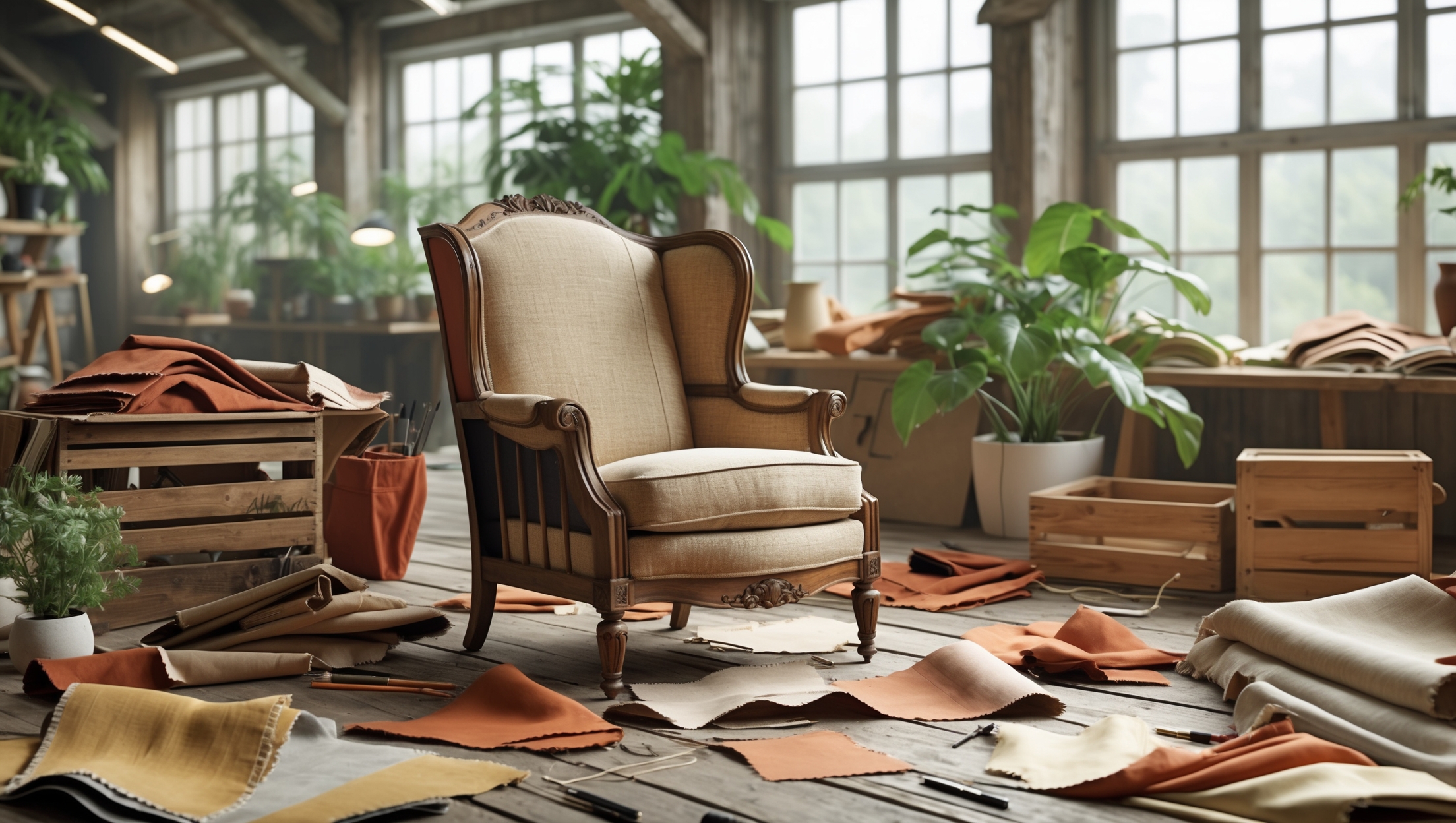
Introduction: The Sustainable Art of Upholstery Upcycling
In a world where furniture turnover has become alarmingly frequent, upcycling upholstery stands out as a creative, sustainable antidote to throwaway culture. Salvaged seating—whether it’s a curbside armchair, a flea market settee, or a family heirloom with worn-out fabric—offers a canvas for both environmental impact and personal expression. Rather than relegating these pieces to landfill, upcycling gives them new life through restoration and reimagined design, reducing waste and carbon footprints while preserving craftsmanship.
Yet, many aspiring upcyclers are daunted by the perceived complexity of upholstery work. Concerns about specialized tools, fabric selection, and handling structural repairs often deter beginners. In reality, upcycling upholstery is accessible with the right guidance, and it presents opportunities to learn invaluable skills, customize your living space, and contribute meaningfully to sustainable living. This guide dives deeply into the process of restoring salvaged seating—from sourcing materials ethically to mastering tools and techniques—so you can confidently transform discarded chairs, sofas, and benches into comfortable, environmentally friendly treasures.
Why Restore Rather Than Replace? The Environmental Case for Upholstery Upcycling
The environmental benefits of upcycling upholstered furniture are significant. The production and disposal of new furniture consume vast amounts of energy, water, and raw materials, while also releasing pollutants. Discarded sofas and chairs are notoriously difficult to recycle due to mixed materials and chemical treatments, filling up landfills for decades. By salvaging and restoring existing pieces, you:
- Reduce waste: Keep bulky items out of landfills.
- Conserve resources: Lower demand for virgin materials like wood, metal, and synthetic foams.
- Minimize carbon footprint: Avoid emissions from manufacturing and long-haul shipping.
- Preserve craftsmanship: Many older pieces feature superior joinery and materials compared to mass-produced modern alternatives.
Assessing Salvaged Seating: What’s Worth Restoring?
Structural Integrity: The First Test
Before investing time and resources, thoroughly inspect the frame and joints of your potential project. Prioritize pieces with solid wood frames, tight joints, and minimal warping or rot. Avoid furniture with extensive water damage, severe pest infestation, or irreparable breaks in the frame. If you’re unsure, gently wiggle arms and legs—excessive movement signals loose joints that may require advanced repairs.
Springs, Padding, and Webbing
Check the condition of internal supports by pressing down on the seat. Squeaking, sagging, or unevenness indicate that springs or webbing may need replacement. While re-webbing and replacing springs is feasible for dedicated DIYers, beginners may prefer starting with pieces where inner supports are intact or only slightly worn.
Fabric and Foam
Old upholstery fabric can be stained, torn, or faded, but that’s expected. Focus on the underlying foam or padding—crumbly or dusty foam should be replaced, as it often harbors allergens or pests. If the padding feels firm and even, you might save effort by reusing it.
Ethical Sourcing: Finding Salvaged Upholstery Gems
- Curbside Finds: Urban neighborhoods often yield discarded chairs and sofas. Check local regulations for legal curbside collection.
- Online Marketplaces: Platforms like Craigslist, Facebook Marketplace, and Freecycle are treasure troves for free or low-cost pieces.
- Charity Shops and Thrift Stores: These often receive quality donations. Ask staff about upcoming furniture arrivals.
- Demolition Sales: Historic buildings being renovated or demolished can offer unique, well-made seating.
- Family and Friends: Let your network know you’re seeking furniture to upcycle; many are happy to pass along unused items.
Always transport salvaged seating in a covered vehicle and inspect for pests before bringing it indoors.
Essential Tools and Supplies for Upholstery Upcycling
- Staple Remover and Pliers: For extracting old staples and tacks without damaging the frame.
- Upholstery Staple Gun: Pneumatic or manual, for attaching new fabric securely.
- Fabric Scissors: Heavy-duty shears for clean, precise cuts.
- Webbing Stretcher: Needed if replacing seat webbing.
- Needle Nose Pliers: Helpful for removing stubborn fasteners.
- Upholstery Needles: For hand-sewing corners, buttons, and piping.
- Measuring Tape and Chalk: For accurate patterning and marking fabric.
- Hammer and Mallet: For tacks, nails, or gently adjusting frames.
- Foam Cutter or Electric Knife: If replacing seat foam.
- Dust Mask and Gloves: Essential for safety, especially with older materials.
Optional but useful: pneumatic staple gun (for larger projects), tack lifter, sewing machine (for custom covers), and a vacuum with HEPA filter.
Choosing Sustainable Materials: Fabrics, Fillings, and Finishes
Eco-Friendly Fabrics
- Organic Cotton and Hemp: Durable, naturally grown, and biodegradable.
- Linen: Strong, breathable, and requires fewer pesticides.
- Recycled Polyester: Made from post-consumer plastics, reducing landfill waste.
- Wool: Renewable, flame-resistant, and naturally stain-repellent.
- Vintage Textiles: Repurposing curtains, blankets, or old clothing for unique patterns.
Look for fabrics certified by GOTS (Global Organic Textile Standard) or OEKO-TEX for assurance of sustainable practices and non-toxic finishes.
Foam and Filling Alternatives
- Natural Latex Foam: Biodegradable and supportive, ideal for replacing synthetic foam.
- Coconut Coir and Wool Batting: Breathable, compostable alternatives for padding.
- Recycled Foam: Available from specialty suppliers; diverts waste from landfill.
Non-Toxic Finishes
If refinishing wooden arms or legs, choose water-based stains, natural oils (like tung or linseed), or plant-based waxes to limit VOC emissions.
Step-by-Step: Restoring and Reupholstering a Salvaged Chair
1. Remove Old Upholstery
Start by photographing the piece from all angles. As you remove the fabric, foam, and fasteners, label and save each layer as a template for your new materials. Use staple/tack removers and pliers; work slowly to avoid damaging the frame.
2. Inspect and Repair the Frame
With the upholstery stripped, check for loose joints, cracks, or woodworm holes. Tighten screws, re-glue wobbly joints with wood glue and clamps, and fill small holes with wood filler. For deep cracks, drill pilot holes and use wood screws for reinforcement.
3. Refresh or Replace Webbing and Springs
If the seat sags, remove old webbing or springs. Attach new jute webbing tightly, using a webbing stretcher, and secure with staples. Re-tie or replace springs as needed, following original patterns observed during disassembly.
4. Replace or Restore Padding
Assess foam and batting. If replacement is needed, cut new foam to fit using the old pieces as a guide. Layer with wool or cotton batting for softness. Ensure all padding is evenly distributed and secured.
5. Cut and Attach New Fabric
- Lay out new fabric, using old pieces as patterns. Add extra allowance for stapling and folding.
- Start with the seat, stretching fabric tight and securing with staples from the center outward.
- Repeat for backrest, arms, and any additional panels, always smoothing fabric to prevent wrinkles.
- Fold corners neatly and trim excess material.
6. Add Finishing Touches
- Reattach any decorative trim, piping, or buttons, using upholstery needles and thread.
- Replace or polish legs and arms, applying non-toxic finishes as needed.
- Secure dust covers to the underside using lightweight fabric.
Restoration Best Practices: Tips for Sustainable Success
- Work in a Well-Ventilated Area: Especially when using adhesives or finishes.
- Reuse Where Possible: Salvage springs, tacks, and foam if they’re in good condition.
- Document Your Process: Photos and notes help with reassembly and future projects.
- Minimize Waste: Use fabric scraps for pillows, patchwork, or small accessories.
- Share Knowledge: Teaching friends or community members compounds your impact.
Maintenance for Long-Lasting Comfort and Style
- Vacuum Regularly: Use an upholstery attachment to remove dust and debris.
- Spot Clean: Address spills promptly with gentle, eco-friendly cleaners.
- Rotate Cushions: If detachable, to ensure even wear.
- Protect from Sunlight: Prolong fabric life by keeping seating away from direct sun.
- Inspect Annually: Check for loose joints, wobbly legs, or worn fabric, addressing issues early.
Creative Ideas for Upcycled Upholstery Projects
- Mismatched Dining Chairs: Collect single chairs and upholster each with a different sustainable fabric for an eclectic set.
- Patchwork Benches: Use fabric remnants to create colorful, one-of-a-kind bench seating.
- Ottomans from Salvaged Drawers: Add padding and fabric to old drawers for unique, portable seating.
- Modern Vintage Armchairs: Combine classic shapes with bold, contemporary fabrics for a statement piece.
- Outdoor Lounge Revival: Reupholster weathered patio chairs with recycled outdoor fabrics for sustainable alfresco comfort.
Conclusion: Upholstery Upcycling for a Greener, More Personal Home
Upholstery upcycling is more than just a sustainable craft—it’s a philosophy that values resourcefulness, creativity, and environmental stewardship. By restoring salvaged seating, you directly reduce landfill waste and the environmental impact of new furniture production. Each chair, sofa, or bench you rescue becomes a testament to sustainable living and personal style, transforming overlooked materials into cherished, functional art.
The process, while requiring patience and care, is immensely rewarding. Not only do you develop hands-on skills and deepen your understanding of furniture construction, but you also gain the satisfaction of creating something unique and enduring. Whether you choose organic linens, recycled fabrics, or innovative fillings, every decision can reflect your commitment to a healthier planet.
Best of all, upcycled upholstery projects foster a greater appreciation for the stories behind our possessions. With every restored seat, you preserve history and craftsmanship while adding your own chapter. So, gather your tools, source your next salvage find, and enjoy the journey of turning castoffs into comfort—with sustainability stitched into every seam.


I’m really interested in trying to upcycle an old armchair I found at a flea market, but the idea of structural repairs seems overwhelming since I have no experience. What are some basic repairs a beginner could safely attempt before needing professional help?
For a beginner, you can safely start with tightening loose screws or bolts and gluing any joints that have come apart using wood glue and clamps. Replacing or adding new padding, as well as stapling on fresh fabric, are also manageable tasks. If the frame is broken, wobbly, or requires replacement parts, it’s best to consult a professional to ensure safety and durability.
You talk about sourcing materials ethically for restoring salvaged seating. Could you give some advice on where to find sustainable or secondhand fabrics and supplies, especially for someone on a college budget?
For budget-friendly and ethical sourcing, try local thrift stores, charity shops, and estate sales for secondhand fabrics. Many fabric outlets have remnant sections with discounted materials. Online marketplaces and community groups often list surplus fabric or upholstery supplies at low cost, sometimes even free. Also, check with upholsterers or furniture workshops for leftover materials. Repurposing curtains, tablecloths, or large garments can also be an affordable way to find unique and sustainable fabric.
I’m new to upholstery upcycling and I’m a little overwhelmed by the idea of handling structural repairs on old chairs. Are there beginner-friendly ways to check if a salvaged seat is safe to reuse, or should I always consult a professional before starting restoration?
It’s understandable to feel overwhelmed at first. For beginners, start by checking if the frame is sturdy: gently wiggle the chair, listen for creaks, and look for obvious cracks or loose joints. If the chair feels unstable, has broken parts, or if you’re unsure about its safety, consulting a professional is a good idea. Otherwise, many simple fixes, like tightening screws or adding wood glue, can be done yourself with a little research.
I really like the idea of reducing landfill waste by restoring old chairs and sofas. Can you recommend some beginner-friendly upholstery tools or materials that are both sustainable and affordable here in the US?
It’s wonderful that you’re interested in sustainable upcycling! For beginners, basic upholstery tools like a staple gun (look for manual versions with recycled materials), a tack remover, and fabric scissors are handy. For sustainable materials, consider natural fiber fabrics such as organic cotton or hemp, and try to use batting made from recycled polyester or wool. Many craft and hardware stores in the US stock eco-friendly supplies at reasonable prices, making it easy to get started.
If I find a salvaged chair with a damaged frame, how do I know if it’s worth restoring or if the repairs required are too complex for a beginner? Any tips on assessing structural issues before starting the upholstery process would be really helpful.
Check the chair for obvious signs of damage like broken joints, severe cracks, wobbling, or missing parts. If the frame feels sturdy when you gently shake it, that’s a good start. Minor scratches or loose screws are usually easy fixes, but extensive wood rot, split frames, or complex joinery repairs might be challenging for beginners. Before starting upholstery, try sitting on the chair; if it creaks or feels unstable, more advanced repairs may be needed.
I run a small furniture resale shop and often come across upholstered chairs that need serious structural repairs, not just fabric updates. Does your guide cover basic tips for fixing frames or springs, or is it mainly focused on the upholstery part?
The guide primarily concentrates on upholstery techniques like fabric selection, padding, and surface restoration. It offers a few brief pointers for spotting common frame or spring issues, but it doesn’t go into detailed structural repair methods. For more in-depth fixes to frames or springs, you may want to consult specialized furniture repair resources in addition to this article.
I’m interested in upcycling an old flea market armchair, but I’m on a tight student budget. Are there affordable ways to source sustainable fabrics or materials, and how can I tell if a salvaged piece is worth the effort to restore versus replacing it?
You can find affordable, sustainable fabrics by checking local thrift stores, fabric remnant sales, or online marketplaces where people often sell leftover upholstery material. Look for natural fibers like cotton or linen, or even repurpose old curtains or blankets. To decide if a salvaged chair is worth restoring, check for a solid frame (real wood, not particle board), sturdy joints, and minimal damage from pests or mold. Avoid pieces with significant structural damage, as repairs can be costly.
When you mentioned sourcing materials ethically for upholstery upcycling, do you have recommendations for finding planet-friendly but affordable fabrics here in the US? Are there specific suppliers you trust, or strategies for avoiding synthetic foams and treatments?
For planet-friendly and affordable fabrics in the US, consider looking at thrift stores, estate sales, or fabric outlets for secondhand natural materials like cotton, linen, or wool. Some upholstery shops also sell remnants at a discount. To avoid synthetic foams, try using natural latex, coconut coir, or wool batting. Always ask suppliers about the sourcing and content of their materials to steer clear of chemical treatments and synthetics.
I’m interested in upcycling an old family armchair, but I’m not sure how to choose fabrics that are both sustainable and durable. Does the guide offer any tips on finding ethical upholstery materials that also hold up to everyday use?
The guide does offer advice on selecting sustainable and durable fabrics for upholstery. It suggests looking for materials like organic cotton, recycled polyester, hemp, or linen, which are both eco-friendly and sturdy. The article also recommends checking certifications such as GOTS or OEKO-TEX to ensure ethical production. These options balance sustainability with the durability needed for everyday use.
You mentioned ethically sourcing materials for upcycling. Are there common places or ways in the US where beginners can find affordable, sustainable upholstery fabrics or replacement padding, especially if you want to keep the project eco-friendly and on a budget?
You can often find affordable, sustainable upholstery fabrics and padding at local thrift stores, Habitat for Humanity ReStores, and sometimes at fabric outlet stores that carry remnants. Many cities also have creative reuse centers, which specialize in salvaged materials. For padding, consider recycled cotton batting or natural latex, which some eco-friendly suppliers offer online. Checking local classified ads or community groups can also turn up surplus or leftover materials.
I love the environmental angle you mention, but as someone who’s new to upcycling, I’m a little overwhelmed by all the tools and steps involved. Which part of the reupholstering process would you say is the most beginner-friendly, and are there any shortcuts for someone trying this for the first time with minimal investment?
Starting with simple seat cushions or dining chairs is often the most beginner-friendly way to try reupholstering. These projects usually need just a staple gun, scissors, and fabric—no sewing machine required. You can often reuse the existing padding if it’s in good shape, which keeps costs low and the process straightforward. Take your time removing the old fabric so you can use it as a template for cutting the new material.
Could you share more details about how to ethically source upcycling materials, especially when it comes to fabrics and replacement padding? I want to make sure my restoration projects are sustainable from start to finish.
To ethically source upcycling materials, look for fabrics and padding at local thrift stores, fabric recycling centers, or from businesses discarding unused stock. Choose natural fibers like organic cotton, linen, or wool when possible, as they’re more sustainable and biodegradable. For padding, consider natural latex or coconut coir instead of synthetic foam. Always ask suppliers about the origin of their materials and prioritize those who are transparent about their sourcing practices.
I’m interested in trying upholstery upcycling for the first time, but I’m a bit concerned about handling structural repairs on older chairs. Does your guide give tips on assessing whether a salvaged piece is worth fixing, or when it’s best to pass on something that’s too damaged?
Yes, the guide covers how to assess the condition of salvaged seating before you begin any upcycling work. It explains what to look for in the frame, joints, and overall sturdiness, helping you decide if a piece is worth repairing or might be too far gone. There are also pointers on common structural issues and how to judge if they’re manageable for a beginner or best left to professionals.
If I want to upcycle an old family armchair but I have no experience with upholstery, what kind of specialized tools will I absolutely need to get started, and are there any affordable alternatives for beginners worried about budget?
To start upcycling your armchair, you’ll need some basic tools: a staple remover or flathead screwdriver for taking off old fabric, pliers, a heavy-duty staple gun, and fabric scissors. For beginners on a budget, you can use regular pliers and scissors from around the house. Manual staple guns are affordable and work well for small projects. If you want a smoother finish, consider getting a rubber mallet and a tack hammer, but they’re optional for your first try.
With the environmental benefits you mentioned, I wonder what’s the best way to source materials ethically, especially the fabric and foam, without driving up the cost too much? Are there specific places or strategies recommended for finding reasonably priced, sustainable materials for beginners?
To find affordable, sustainable upholstery materials, consider checking local thrift stores, fabric remnant shops, or online marketplaces where people sell leftover fabric and foam. Community swap events and upholstery recycling centers can also be good sources. Look for options labeled organic, recycled, or upcycled. Building relationships with local upholsterers or furniture makers might help you access surplus materials at lower costs.
I am interested in upcycling some old chairs for my office, but I am worried about the time and skill involved in structural repairs. For a beginner, which types of seating are usually easiest to restore without specialized tools?
For beginners, dining chairs with simple wooden frames and removable seat cushions are often the easiest to restore. They usually require minimal structural repairs—sometimes just tightening screws or re-gluing joints. Avoid complex recliners or upholstered armchairs at first, as those often need specialized tools and skills. Start with chairs that feel sturdy when you wiggle them, so most of your work can focus on the upholstery rather than the structure.
You mention sourcing materials ethically for salvaged seating—do you have specific tips for finding eco-friendly fabrics or secondhand supplies in the US? I want to make sure I’m really lowering my environmental impact through this process.
To find eco-friendly fabrics in the US, check local thrift stores, estate sales, and community reuse centers for secondhand textiles. For new but sustainable options, look for fabrics made from organic cotton, hemp, or recycled polyester—some companies even specialize in upholstery remnants or deadstock fabric. You might also connect with local upholstery shops, as they sometimes have leftover materials available. These steps help minimize your project’s environmental impact.
You mention sourcing materials ethically for upholstery upcycling. Do you have tips on where to find sustainable or secondhand fabrics, especially for someone on a tight budget? Are there certain types of fabric to avoid when trying to keep things eco-friendly?
For affordable, sustainable fabrics, try checking local thrift stores, charity shops, or online marketplaces where people sell or donate leftover materials. Fabric remnant bins at upholstery stores can also offer discounted pieces. When aiming for eco-friendliness, look for natural fibers like cotton, linen, hemp, or wool, and avoid synthetic fabrics such as polyester or acrylic, as these are less biodegradable and can shed microplastics.
I’m new to upholstery upcycling and wondering about sourcing materials ethically, as mentioned in the article. Do you have recommendations for finding used or sustainable fabrics and foam that are safe and durable enough for restoring old chairs?
Ethical sourcing can make a big difference in upcycling. Try checking local thrift stores, estate sales, or fabric recycling centers for quality used materials. Some upholstery shops may sell surplus or remnant fabric. For sustainable or non-toxic foam, look for suppliers offering natural latex or CertiPUR-US certified foam. Always inspect the fabric and foam for cleanliness, durability, and safety before use.
When tackling a salvaged armchair with both worn fabric and potential structural problems, do you suggest addressing repairs to the frame before choosing new materials, or is there a more efficient order of steps to ensure the restoration is both sturdy and sustainable?
It’s best to start with the structural repairs before selecting or attaching any new upholstery materials. Fixing the frame first ensures the chair is stable and safe, and allows you to address any hidden issues that might affect fabric fit later. Once the frame is solid, you can confidently choose sustainable fabrics and padding, knowing your work will last.
When considering upcycling a piece of furniture I found on the curb, how can I tell if the structural repairs needed are within the abilities of a beginner, or if it’s safer to leave it for someone more experienced?
To decide if a curbside find is beginner-friendly, check for signs like loose joints, minor wobbles, or simple fabric tears—these are often manageable with basic tools and tutorials. If you notice deep cracks in the frame, broken springs, severe wood rot, or missing structural parts, those repairs require advanced skills and tools. When in doubt, start with pieces that feel sturdy and only need cosmetic updates.
I noticed you mentioned that beginners often feel intimidated by the perceived need for specialized tools in upholstery upcycling. In your experience, what are the absolute essential tools for someone just starting out, and are there any common household alternatives you’d recommend to avoid a big upfront investment?
For beginners, the essentials are a sturdy staple remover or flathead screwdriver, a staple gun, and sharp fabric scissors. A regular hammer and pliers can substitute for pricier upholstery tools. If you don’t have a staple gun yet, you can sometimes use upholstery tacks with a hammer. Measuring tape, a butter knife for tucking fabric, and a basic sewing kit are also handy and commonly found at home.
You mention the environmental impact of new furniture versus upcycling, but I’m wondering how to responsibly source upholstery fabrics and foams for restoration, especially if I want to avoid synthetic materials altogether. Do you have any tips for finding affordable, sustainable options in the US?
For sustainable and natural upholstery materials in the US, try seeking out fabrics like organic cotton, linen, hemp, or wool from local fabric stores or online retailers specializing in eco-friendly textiles. Check thrift stores and architectural salvage shops for secondhand fabrics. For foam alternatives, look into natural latex or coconut coir padding. Buying remnants or off-cuts can help reduce costs, and some companies even offer refurbished or reclaimed foam and batting.
When you’re salvaging an old chair or sofa, how do you determine if the frame is structurally sound enough for upcycling, or if it’s a lost cause? I always worry about hidden damage that might make restoration unsafe or not worth the effort.
To check if a chair or sofa frame is worth upcycling, remove the upholstery so you can inspect the wood or metal underneath. Look for cracks, loose joints, rot, or rust. Gently shake the frame; it should feel sturdy, not wobbly. If major parts are broken, infested, or rotten, restoration may not be safe or practical. Minor issues like loose joints can often be fixed with glue or screws.
The article mentions sourcing materials ethically for upholstery upcycling. Could you suggest affordable and sustainable places or methods in the US to find quality upholstery fabrics or foam that fit this approach?
Thrift stores, Habitat for Humanity ReStores, and local reuse centers are great places to find affordable upholstery fabric and foam remnants. You might also check community swap events or online platforms like Freecycle or Craigslist for secondhand materials. Some upholstery shops sell leftover fabric or foam scraps at discounted prices, which helps reduce waste and supports sustainable sourcing.
You mention that upcycling restores comfort and preserves craftsmanship, but how do you balance choosing sustainable fabrics with keeping costs reasonable when sourcing materials for a big project like a family-sized sofa?
When working on a large piece like a family-sized sofa, I recommend looking for high-quality remnant fabrics or surplus textiles from local upholstery shops or online marketplaces. These materials are often discounted, yet still durable and sustainable. Balancing cost and eco-friendliness often means being flexible with colors or patterns, but you can find excellent, sustainable options by searching creatively and comparing different sources before purchasing.
You mention that the process is accessible with the right guidance, but how much should someone expect to spend upfront on basic upholstery tools and sustainably sourced fabrics if they’re just starting out?
If you’re just starting out, you can expect to spend around $50 to $150 on basic upholstery tools like staple guns, pliers, scissors, and a tack remover. For sustainably sourced fabrics, prices can vary widely, but budgeting $15 to $30 per yard is typical. For a simple chair project, plan on needing 2 to 3 yards. Overall, a starter project could cost between $100 and $250.
When restoring older seating for customers, how do you deal with unusual fabric sizes or structural damage that goes beyond just reupholstering? Are there budget-friendly solutions for handling these challenges without sacrificing quality or sustainability?
When faced with unusual fabric sizes, we often piece together remnants in creative ways or use complementary fabrics for panels or backs, which adds character while minimizing waste. For structural damage, simple repairs like reinforcing joints, replacing broken springs, or adding support boards can be quite effective. We prioritize using reclaimed materials when possible, keeping costs low and maintaining sustainability without compromising on durability or style.
You mention that upcycling upholstery is more accessible than people think, but I have never tried any furniture repairs before. What are some of the most basic tools or beginner-friendly techniques I should learn first if I want to try restoring a curbside armchair?
Starting out, you’ll need a few basic tools: a staple remover or flathead screwdriver for taking off old fabric, a staple gun for attaching new fabric, scissors, and a set of pliers. For your first project, try simply re-covering the seat cushion, as it usually requires just removing the old fabric and stapling on the new one. Watching a few beginner tutorials can also help you gain confidence before you start.
When sourcing salvaged seating for upcycling, do you have any tips on identifying pieces that are structurally sound versus those that might be more trouble than they’re worth? Especially with older chairs, how do you know when a frame can be saved?
When choosing salvaged seating, check for sturdy joinery and make sure the frame doesn’t wobble or creak excessively. Look for solid wood frames rather than particleboard, and inspect for rot, large cracks, or warping—these issues are often more trouble to repair. With older chairs, if joints are loose but the wood is in good condition, regluing may be all that’s needed. If you see severe damage or signs of extensive insect activity, it’s usually best to pass.
You mention choosing fabrics and sourcing materials ethically for upholstery projects. Could you give some tips on where to find sustainable or secondhand fabric that still holds up well, especially if I’m trying to keep costs low?
For sustainable or secondhand fabric, check local thrift stores, estate sales, or charity shops—they often have curtains, tablecloths, or even unused fabric at a fraction of the price. Online marketplaces and fabric swaps can also be great sources for leftover or vintage textiles. Look for tightly woven materials like canvas or denim, which are durable and ideal for upholstery. Don’t forget to inspect for wear or stains, and always wash or clean the fabric before use to ensure it’s in good condition.
I’m interested in upcycling an old family armchair, but the frame feels a bit wobbly. Does the article provide advice on handling structural repairs, or is it better to leave this part to a professional?
The article does touch on basic structural repairs, like tightening screws and checking for loose joints, which can often be handled at home with some simple tools. However, if your armchair’s frame feels quite wobbly or shows signs of serious damage, it may be safer and more effective to consult a professional to ensure the chair remains sturdy and safe after upcycling.
I run a small furniture repair shop and sometimes worry about sourcing ethical materials for upholstery. The article mentions sourcing materials ethically—do you have recommendations on where to find sustainable fabrics and padding suitable for small businesses?
For small furniture repair shops, consider local fabric stores that specialize in eco-friendly textiles or look for suppliers who offer organic cotton, hemp, or recycled polyester fabrics. Some upholstery supply companies now carry padding made from natural latex, coconut fiber, or recycled materials. Building relationships with local textile mills or reclaimed fabric sellers can also provide unique options while supporting sustainability.
Could you share some advice on how a small business might ethically source high-quality salvaged seating for upcycling, especially in areas where flea markets or curbside finds are limited?
For small businesses in areas with fewer flea markets or curbside finds, try connecting with local hotels, offices, or restaurants that may be updating their furniture—they often have sturdy pieces to give away or sell. You can also reach out to property management companies, estate sale organizers, or use online classifieds focused on your region. Be sure to ask about the furniture’s history to ensure ethical sourcing and good quality.
the focus on reducing landfill waste by restoring old seating. When it comes to sourcing ethical materials for reupholstering—like eco-friendly fabrics or responsible foam replacements—what are some budget-friendly options you recommend, and are there retailers in the US that specifically cater to sustainable upcyclers?
For budget-friendly, eco-friendly upholstery, consider natural fabrics like organic cotton, hemp, or linen, which are often found at reasonable prices. Recycled polyester blends can also be cost-effective and sustainable. For foam, look for CertiPUR-US certified products or natural latex, which are safer for both you and the environment. In the US, retailers like Fabricworm, The Rag Company, and FoamOrder offer sustainable materials and often have sales or remnants suitable for upcycling projects.
The article mentions concerns about specialized tools and fabric selection for beginners. For someone on a tight college budget, are there any affordable alternatives for tools or fabric sources that still support ethical and sustainable practices?
If you’re on a college budget, you can often find affordable tools like staple guns, scissors, and pliers at thrift stores or borrow them from campus makerspaces. For fabric, consider repurposing old curtains, sheets, or clothing from thrift shops, which supports sustainability and keeps costs low. Look for natural fibers like cotton or linen, and check local online marketplaces for surplus upholstery materials.
You mention the environmental impact of materials like synthetic foams and treated woods, but I’m not sure how to identify and safely remove older materials during upcycling. Do you have advice for safely dealing with potentially hazardous components in secondhand upholstered furniture?
When working with secondhand upholstered furniture, it’s wise to wear gloves and a mask in case old foam or fabrics contain dust, mold, or chemicals. Check for manufacturer tags or labels to identify materials. If you suspect the presence of asbestos, lead paint, or crumbling foam, avoid disturbing these areas and consult local disposal guidelines. Carefully remove staples and tacks with the right tools, keeping pieces contained to minimize spreading dust or fibers. Ventilate your workspace and clean up thoroughly after removal.
When you talk about ethically sourcing materials for upholstery upcycling, what should I be looking out for as a small business? Are there affordable suppliers of sustainable fabrics and padding you’d recommend that won’t eat up my profit margin?
When ethically sourcing materials for upholstery upcycling, focus on suppliers who provide certifications for sustainability, like GOTS for fabrics or CertiPUR-US for foam. Look for reclaimed, deadstock, or post-consumer textiles as affordable options. Some wholesalers and local fabric shops also offer surplus or discontinued eco-friendly materials at lower prices. Building relationships with local upholsterers or textile recyclers can help you access sustainable padding and fabrics without significantly increasing your costs.
When sourcing fabric and other materials ethically for restoring chairs or couches, what are some practical tips for finding affordable options in the US? Are there specific types of fabric or stores you’d recommend that balance sustainability with durability for daily use?
For affordable, ethical upholstery materials in the US, check local thrift shops, estate sales, or online marketplaces for secondhand fabric and supplies. Fabric outlet stores and remnant bins often carry high-quality options at reduced prices. For sustainable durability, look for natural fibers like organic cotton, hemp, or recycled polyester blends. Some national chains and specialty stores offer eco-friendly lines—just check for certifications like GOTS or OEKO-TEX for added assurance.
The article mentions sourcing materials ethically for upcycling projects. Are there budget-friendly options for finding sustainable or secondhand upholstery fabric, and do you have any tips for making sure the materials I choose are actually eco-friendly?
Yes, there are several budget-friendly ways to find sustainable or secondhand upholstery fabric. Thrift stores, local reuse centers, online marketplaces, and fabric outlets often carry quality remnants or pre-owned textiles at low prices. To ensure materials are eco-friendly, look for natural fibers like organic cotton, linen, or wool, and check for certifications such as GOTS or OEKO-TEX. Also, ask sellers about the fabric’s origin if possible and avoid synthetic blends when aiming for maximum sustainability.
As a small business that wants to incorporate upcycled seating in our cafe, what are some practical ways to source salvageable chairs and sofas ethically, as mentioned in your guide? Are there particular suppliers or organizations you recommend starting with?
You can source salvageable chairs and sofas by connecting with local thrift stores, charity shops, and community reuse centers, as they often have furniture in need of a second life. Habitat for Humanity ReStores and nonprofit furniture banks are good starting points. You might also reach out to hotels, offices, or schools upgrading their furnishings, as they sometimes donate or sell used items. Always confirm the furniture’s origin and condition to ensure ethical sourcing.
I’ve got a couple of old chairs with torn fabric and dingy foam in my garage. For someone brand new to upholstery upcycling, which tools are truly essential to get started, and are there particular fabrics or supplies that are both affordable and eco-friendly?
For a beginner, start with basic tools: a staple gun, pliers, scissors, a flathead screwdriver, and a seam ripper. If you want to add or replace foam, an electric carving knife works well for cutting it. For materials, look for natural fabrics like cotton canvas or linen, which are affordable and eco-friendly. You can also reuse fabric from old curtains or sheets. When buying foam, check for recycled or bio-based options to keep your project sustainable.
When sourcing salvaged seating for upcycling, are there specific types of damage or construction methods that beginners should avoid because they might significantly complicate the restoration process?
When starting out, it’s best to avoid pieces with extensive structural damage like broken frames, missing parts, or severe wood rot, as these can be challenging to repair. Also, steer clear of seating with complex construction methods such as deep button tufting or intricate spring systems. Simple, sturdy frames and basic upholstery are much easier for beginners to restore successfully.
You mention the environmental benefits of restoring old seating rather than buying new, but I’m wondering how to find ethically sourced materials for the restoration part. Are there sources or certifications I should look for to make the whole process as sustainable as possible?
To ensure your restoration is as sustainable as possible, look for upholstery fabrics made from organic fibers, recycled materials, or certified by organizations like GOTS (Global Organic Textile Standard) or OEKO-TEX. For padding and stuffing, natural latex or recycled foam are good options. You might also check local thrift stores, fabric recycling centers, or businesses specializing in eco-friendly upholstery supplies to source materials with a lower environmental impact.
You mention that beginners can learn to master tools and techniques for upholstery upcycling. For someone with limited experience and a busy schedule, about how much time does it typically take to restore something like a simple armchair from start to finish?
For someone new to upholstery, restoring a simple armchair usually takes around 8 to 12 hours from start to finish. This timeframe includes removing old fabric, making repairs, cutting and attaching new materials, and finishing details. You can spread the work over several evenings or weekends to fit a busy schedule. As you gain experience, the process tends to go faster.
When it comes to sourcing ethical materials for reupholstery, do you have suggestions for where to find sustainable fabrics or foam in the US? I want to avoid synthetic materials, but I’m not sure where to start shopping.
For sustainable reupholstery, try searching for natural fabrics like organic cotton, hemp, or linen, which are often available at specialty fabric stores or eco-focused businesses. Many local upholstery shops now carry eco-friendly options as well. For foam alternatives, consider natural latex or wool batting, which provide comfort without synthetics. Farmers’ markets, online retailers specializing in green products, or even reclaimed materials from thrift stores can be good places to start.
The article touches on the intimidation that comes with structural repairs. What are some practical ways to tell if a worn-out chair or sofa is actually worth restoring, especially if you have little experience with tools or woodworking?
A good starting point is to check the frame by gently wiggling the arms and back—if the structure feels solid and doesn’t creak excessively, it’s a positive sign. Look for signs of rot, major cracks, or broken joints—these issues can be tougher for beginners to fix. If the piece mainly needs new fabric or minor tightening, it’s usually worth restoring even with little experience.
I’m interested in the ethical sourcing aspect you mentioned—could you explain what to look for when choosing salvaged seats or upholstery materials to make sure they’re truly sustainable and free from harmful chemical treatments?
When sourcing salvaged seats or upholstery materials, check for details about their origins—look for pieces from reputable reuse centers or companies with transparent sourcing policies. Avoid items with strong chemical odors, which can indicate treatments like flame retardants or toxic finishes. Opt for natural fibers (like wool, cotton, or linen) and ask sellers about previous use and any applied treatments. Certifications such as OEKO-TEX or GOTS for fabrics can also signal safer and more sustainable options.
You mention sourcing materials ethically when restoring salvaged seating. Are there certain types of fabric or filling you recommend for both comfort and sustainability, especially if I’m on a tight budget? How do I know if secondhand materials are safe to use?
For sustainable and budget-friendly upholstery, consider using natural fabrics like cotton, linen, or wool, which are comfortable and biodegradable. Recycled polyester is another affordable option with good durability. For filling, natural latex, coconut fiber, or reused foam from older furniture can work well. When choosing secondhand materials, check for musty smells, stains, or signs of mold. If possible, wash fabrics thoroughly and air them out before use. For fillings, inspect for pests or crumbling. Try to source from reputable thrift stores or specialized reuse centers for added peace of mind.
When it comes to sourcing materials ethically for upcycling upholstery, what are some reliable ways small businesses can find quality salvaged seating without spending too much time or money tracking them down?
Small businesses can source quality salvaged seating by building relationships with local thrift stores, estate sale organizers, and furniture donation centers, as these often have sturdy pieces at low prices. Networking with moving companies or property managers can also lead to regular finds. Setting up alerts on online marketplaces can save time by notifying you when suitable items are listed nearby.
The article mentions that people are often intimidated by the specialized tools and skills needed for upholstery upcycling. What are the absolute essentials a beginner should invest in to start restoring furniture, and are there any common household tools that can substitute for the more expensive equipment?
For beginners, the essential tools for upholstery upcycling are a staple remover, a staple gun (manual or electric), scissors, a screwdriver, and some sturdy pliers. Many people substitute a flathead screwdriver for a staple remover and use regular household scissors, though sharper, heavy-duty ones work best. While specialized upholstery tools are helpful, you can definitely start with these basics and upgrade your toolkit as you gain experience.
I’m interested in restoring an old family armchair but worried about not having specialized tools or repair experience. Are there certain basic tools you recommend for beginners, and what common mistakes should I avoid on my first upholstery project?
For beginners, a staple remover, a basic staple gun, sharp scissors, pliers, and a flat-head screwdriver are usually enough to start an upholstery project. Make sure to take lots of photos as you remove old fabric to guide you during reassembly. Common mistakes to avoid include rushing through staple removal, forgetting to label fabric pieces, or stretching new fabric unevenly. Take your time, work patiently, and double-check your progress as you go.
For someone who’s never tackled structural repairs on salvaged seating before, what would you say are the absolute essential tools to start with? I like the idea of upcycling but want to avoid overinvesting in equipment until I know I’ll use it.
For beginners, you only need a handful of essential tools to get started with structural repairs on salvaged seating. A sturdy screwdriver set, a hammer, a staple gun, pliers, and some wood glue will cover most basic repairs. If the frame needs tightening, a simple adjustable wrench can help. Start with these basics, and you can add more specialized tools later if you decide to take on more complex projects.
The guide talks about the environmental benefits of restoring old chairs and sofas, but I’m wondering how to tell if a salvaged piece is actually worth the effort. Are there signs of damage or materials I should look for that make a chair too difficult or costly for a beginner to upcycle?
When evaluating a chair or sofa for upcycling, check for key issues like extensive wood rot, severe frame damage, or widespread mold—these can make restoration much more challenging and costly. Also, avoid pieces with broken springs or insect infestations. Solid wood frames are a good sign, while particle board or crumbling foam may not be worth the effort for beginners. Look for sturdy structure and manageable upholstery needs.
You mention that upcycling upholstery can be accessible for beginners, but what are some realistic starter projects for someone who has never worked with specialized tools before? Are there certain types of seating or repairs that are easier to tackle first?
If you’re new to upcycling, try starting with simple, flat-seated chairs or stools—these usually have a removable seat pad that just needs unscrewing. Dining chairs without arms or complex shapes are great first projects. For repairs, basic fabric replacement and fresh padding are manageable with just a screwdriver, staple gun, and scissors—no need for specialized tools. Avoid sofas or pieces with springs at first, as those are more complex.
You mention that salvaged sofas and chairs can be tough to recycle because of mixed materials and chemical treatments. When restoring a piece you find at a flea market or on the curb, are there certain signs or red flags to look out for that might make a chair unsafe or too complicated to upcycle?
Absolutely, there are some important things to check before committing to upcycling a salvaged chair. Look for strong odors (like mold or chemicals), visible mold or mildew, extensive water damage, or crumbling foam. If the frame is cracked, heavily rusted, or infested with pests, it might not be worth the effort. Also, older furniture may contain flame retardants or lead-based finishes, which can be risky to work with.
When sourcing fabric and materials ethically for a restoration project, do you have tips on finding sustainable options that are also budget-friendly? I want to avoid synthetic foams and new resources but keep the project affordable.
For budget-friendly and ethical sourcing, consider checking local thrift stores, charity shops, or community reuse centers for secondhand fabrics and natural fiber materials. You might also find affordable remnants or off-cuts at upholstery shops. For padding, look for used wool blankets, cotton batting, or even repurposed natural-fiber cushions—often available at lower prices than new materials and with a smaller environmental footprint.
I notice you mention concerns about handling structural repairs when upcycling upholstery. For someone with limited woodworking experience, how do you recommend assessing if a salvaged chair or sofa frame is worth saving, and what simple fixes are realistic to try at home?
When checking a salvaged chair or sofa, look for solid, sturdy joints—lift one corner gently and see if the whole piece moves or just that section. Major cracks or rotten wood are usually best left to professionals. At home, you can tighten loose screws, add wood glue to wobbly joints, or replace missing dowels. If the frame feels stable and doesn’t creak excessively, it’s likely a good candidate for upcycling.
I’m interested in trying upholstery upcycling for the first time, but I’m concerned about choosing the right fabric, especially for pieces that kids and pets will use. Are there specific sustainable fabric types you recommend that can handle a lot of wear and tear?
For high-traffic areas with kids and pets, look for fabrics like recycled polyester, upcycled denim, or hemp blends. These materials are not only sustainable but also durable and often easy to clean. You might also consider organic cotton canvas or tightly woven linen, which can be surprisingly tough. Avoid delicate or loosely woven fabrics, as they may wear out quickly under daily use.
You mention sourcing materials ethically for upholstery upcycling. Are there reliable suppliers or methods for finding sustainable fabrics and foam in bulk for a small business, and do these options tend to cost more than traditional materials?
For sustainable fabrics and foam, check with wholesalers specializing in eco-friendly textiles, like those offering organic cotton, recycled polyester, or natural latex foam. Local upholstery shops sometimes have surplus materials to sell as well. Sustainable options can cost more upfront than conventional ones, but bulk purchasing and building relationships with suppliers may help reduce costs. Many small businesses find that marketing the sustainability aspect helps justify slightly higher prices to customers.
I’m curious about sourcing materials ethically for upholstery projects, as you mention in the article. Do you have tips for finding sustainable or secondhand fabrics that are still durable and safe for use, especially if I want to avoid synthetic materials?
To find sustainable or secondhand upholstery fabrics, try local thrift stores, estate sales, or online marketplaces focused on reuse. Look for natural fibers like cotton, linen, hemp, or wool, and inspect the fabric closely for wear, stains, or odors. Some charity shops receive fabric offcuts from designers. You can also check architectural salvage stores for drapes or old blankets that can be repurposed. Always wash or professionally clean any secondhand material before use to ensure it’s safe and fresh.
The article talks about beginners being intimidated by things like specialized tools and structural repairs. What are some basic tools or skills you absolutely need before attempting your first upholstery upcycling project, and which ones can you learn as you go?
For your first upholstery upcycling project, you’ll definitely need a staple remover, a staple gun, basic screwdrivers, pliers, and fabric scissors. Being comfortable with removing old fabric and padding is helpful, but you can pick up skills like precise stapling or fabric smoothing as you go. More advanced tools, like sewing machines or webbing stretchers, aren’t necessary for simple beginner projects and can be learned later if you decide to tackle more complex repairs.
When restoring a salvaged chair, how do you know if the structure is still good enough to upcycle safely, or if it’s better to keep looking for another piece? Are there any signs that a beginner should watch out for before investing time and materials?
When checking a salvaged chair, look for signs like cracked or broken frames, wobbling joints, or visible wood rot—these can indicate structural problems that are hard to fix. If the chair feels sturdy when you sit or gently rock it, that’s promising. Avoid pieces with heavy rust on metal parts or severe splitting in wood, as repairs may not last. For beginners, start with a chair that’s solid, even if the surface looks worn.
The article mentions sourcing materials ethically for upholstery upcycling. Are there affordable ways to find eco-friendly fabrics and padding, especially if you’re on a tight budget and want to avoid synthetic options?
You can find affordable, eco-friendly fabrics by checking local thrift stores, estate sales, or online marketplaces for gently used curtains, tablecloths, or even blankets that can be repurposed. For natural padding, consider using organic cotton batting, wool, or even clean layers of old natural-fiber clothing. Community groups or fabric swaps can also be a great source of sustainable materials without high costs.
I’ve got an old armchair from the thrift store that looks pretty beat up. Before I start trying to reupholster it, how do I know if the internal frame or springs are worth saving or if it’s beyond repair? Any tips for what to check first so I don’t waste time or materials?
Start by removing the fabric and inspecting the frame for any signs of rot, cracks, or broken joints—solid hardwood frames are preferable. Next, press down and sit on the chair to check if the springs sag excessively, make noise, or feel uneven. If the frame is sturdy and the springs are mostly intact (not rusted or broken), it’s usually worth restoring. Severe frame damage, rusted or missing springs may mean the chair isn’t a good candidate for reupholstery.
I noticed you mentioned concerns about needing specialized tools for upholstery upcycling. For a small business on a budget, what are the minimum essential tools needed to get started with restoring salvaged seating without compromising quality?
For a small upholstery upcycling business, you can start with some essential, budget-friendly tools: a staple gun (manual or electric), quality fabric scissors, pliers for removing old staples, a flathead screwdriver, a rubber mallet, measuring tape, and a sewing kit for minor repairs. These basics will cover most restoration tasks without compromising your results. As your business grows, you can gradually invest in more specialized equipment.
I’m interested in starting to upcycle some old chairs for my shop’s waiting area, but I’m not sure how to source ethical or sustainable materials locally without driving up costs. Could you suggest practical tips for finding affordable, eco-friendly fabrics or supplies?
You can often find affordable, eco-friendly upholstery materials by checking local thrift stores, reuse centers, or architectural salvage shops. Community groups and online marketplaces sometimes offer fabric remnants or gently used materials at low prices. Also, look for businesses that recycle textiles or offer seconds—these are new but imperfect items sold at a discount. Connecting with local upholsterers or interior designers can sometimes lead to leftover supplies they’re willing to part with. This way, you keep costs down and support sustainability in your area.
As a small business owner looking to offer upcycled seating, how do you handle situations where the structural repairs are more complex than expected? Are there certain types of chairs or sofas that are generally easier (or harder) for beginners to restore?
When facing unexpectedly complex structural repairs, it often helps to consult with or partner alongside a skilled carpenter or upholsterer, especially for issues with frames or springs. Beginners usually find dining chairs and simple wooden chairs easier to restore, since their structure is straightforward. Overstuffed sofas, recliners, and antiques with intricate carving or mechanisms can be challenging. Starting with simpler pieces builds your confidence before tackling more complicated projects.
I’m new to upholstery and the idea of having to do structural repairs before changing out the fabric sounds intimidating. Are there basic techniques or common tools you’d recommend for someone just starting out with salvaged chairs from thrift stores?
Starting with salvaged chairs can feel overwhelming, but basic repairs are often manageable with a few common tools. For most structural fixes, a staple remover, pliers, screwdriver, wood glue, clamps, and a hammer are essential. Tighten any loose joints with glue and clamps, and replace missing screws or nails. Always check for stability before reupholstering. Practice on inexpensive finds first—this builds confidence and skill as you learn.
The article mentions sourcing materials ethically for restoring salvaged seating. Could you share some tips on where to find sustainable or secondhand upholstery fabrics that are still sturdy enough for everyday use?
You can find sustainable or secondhand upholstery fabrics by checking out local thrift stores, estate sales, and online marketplaces that specialize in reclaimed materials. Fabric stores sometimes carry remnants or discontinued lines at a discount, which can be both sturdy and eco-friendly. Additionally, look into textile recycling centers or community swap events, as these often have high-quality fabrics suitable for upholstery.
You mention that beginners are often concerned about needing specialized tools for upholstery upcycling. For someone who is just starting out, what are the absolute essential tools I’d need to tackle a simple chair restoration project?
For a simple chair restoration project, you’ll only need a few basic tools to get started. These include a staple remover or flathead screwdriver to take off old fabric, a staple gun for attaching new fabric, sharp scissors, and a measuring tape. Optional but helpful tools are pliers, a small hammer, and a hand-held upholstery tack remover. Most of these are inexpensive and easy to find at hardware stores.
When restoring a flea market settee, do you recommend sourcing new eco-friendly foam or is there a sustainable way to reuse or refurbish the existing cushions? I’m interested in minimizing waste, but I also want to make sure the finished piece is comfortable and safe to use.
Reusing existing cushions is sustainable if the foam remains supportive and free from mold or strong odors. To refurbish, try airing out or steam-cleaning the foam, and consider adding a layer of natural wool batting for extra comfort. If the foam is degraded, replacing it with new eco-friendly alternatives like natural latex or recycled-content foam is best for comfort and safety while still reducing environmental impact.
When restoring older upholstered chairs, what should I watch out for in terms of structural repairs? The article talks about dealing with complex repairs—are there warning signs that a piece might be too difficult or costly for a beginner to tackle?
When restoring older chairs, check for issues like cracked or broken frames, loose joints, missing support springs, or extensive wood rot. These can be complex and may need advanced skills or special tools. If the chair wobbles, creaks excessively, or you can see large splits in the wood, it might be too costly or challenging for a beginner to repair successfully. Simpler projects usually just require re-gluing joints or tightening screws.
I’m interested in trying upholstery upcycling, but I’m a little overwhelmed by where to source quality salvaged seating. Do you have tips for ethically finding pieces that are still structurally sound and not just destined for the landfill because they’re beyond saving?
Start by checking local thrift stores, estate sales, and community reuse centers, as they often carry furniture that’s still in good condition. You can also ask friends or neighbors if they have unused pieces. When inspecting, look for chairs or sofas with solid frames—typically hardwood, with no wobbling or major cracks. Avoid pieces with visible mold, severe water damage, or extensive pest issues, as these can be difficult to repair safely.
You mention sourcing materials ethically for upcycling projects. What are some practical tips for finding sustainable upholstery fabrics or foam, especially for someone on a tighter budget who still wants to avoid contributing to waste?
To source sustainable upholstery materials affordably, consider checking local thrift stores, reuse centers, or online marketplaces for gently used fabrics and foam. Community groups sometimes offer free or low-cost materials. You can also repurpose textiles like curtains, blankets, or denim for upholstery projects. When buying new, look for remnants or offcuts at fabric stores or seek out eco-friendly brands with clearance sections. These approaches let you upcycle without generating extra waste or straining your budget.
I’m interested in starting upcycling for my small furniture resale business, but I’m worried about sourcing ethical materials, as the article mentions. What are some practical tips or suppliers to find eco-friendly fabrics and fillings that won’t break the bank for a small operation?
For small businesses, check out local thrift stores, fabric outlets, or community recycling centers for affordable reclaimed materials. You can also look for fabric remnants and end-of-roll discounts from upholstery shops. Some suppliers specialize in organic or recycled fabrics at wholesale rates; asking for sample swatches or offcuts can help keep costs low. Networking with local upholsterers or furniture makers might uncover bulk deals on surplus eco-friendly supplies.
As a small business owner, I’m interested in using upcycled seating for my shop, but I’m concerned about finding ethically sourced materials, especially foam and fabric. Are there tips for locating reliable suppliers or standards I should look for when sourcing sustainable materials for upholstery?
When sourcing foam and fabric for upcycled seating, look for suppliers who are transparent about their sourcing and manufacturing processes. Certifications like GOTS (Global Organic Textile Standard) for fabric and CertiPUR-US for foam can help ensure ethical and sustainable practices. You might also seek local upholstery shops or reclaimed material centers, which often have information on their materials’ origins. Building relationships with reputable suppliers and asking for traceability or certification can help you feel confident in your choices.
You mention sourcing materials ethically for upholstery projects. Do you have tips on where beginners like me can find affordable and sustainable fabric or foam in the US without compromising on quality?
For affordable and sustainable upholstery materials in the US, check local thrift stores or Habitat for Humanity ReStores for fabric remnants and gently used foam. Many cities have textile recycling centers where you can find unique fabric at low prices. Online, consider searching for eco-friendly retailers or marketplaces that sell deadstock fabric. You can also reach out to local upholstery shops, as they sometimes have leftover high-quality materials available for purchase at a discount.
I’m interested in upcycling a family heirloom armchair with worn-out fabric, but I’m worried about handling structural repairs since I have no woodworking experience. Does your guide suggest simple ways beginners can check for and fix basic frame issues safely before tackling the upholstery?
The guide does cover beginner-friendly tips for assessing your armchair’s frame. It suggests starting by gently wiggling the arms and legs to check for looseness, looking for visible cracks, and tightening screws or bolts if needed. For minor fixes, wood glue and clamps can help secure loose joints. If you’re unsure or find major damage, consulting a professional is always safest before moving ahead with upholstery.
I noticed you mentioned sourcing materials ethically for upcycling projects. Could you share some practical tips or resources for finding sustainable upholstery fabrics or foam, especially for someone on a budget in the US?
For budget-friendly sustainable upholstery materials in the US, consider checking local thrift stores or online platforms like Craigslist and Freecycle for fabric remnants or secondhand foam. Some cities have creative reuse centers that offer discounted materials. For new, eco-friendly options, look for fabrics made of organic cotton, hemp, or recycled polyester, and check manufacturers that certify their foam as CertiPUR-US. Buying remnants or discontinued stock from upholstery shops can also save you money.
I’m interested in trying my hand at upcycling an old armchair, but I’m worried about choosing the right fabric, especially in terms of durability and environmental impact. Are there specific eco-friendly fabric options you recommend for beginners that also hold up well to daily use?
Choosing the right fabric is important for both the look and longevity of your upcycled armchair. For eco-friendly and durable options, consider organic cotton canvas, hemp, or recycled polyester blends. These materials are beginner-friendly, easy to work with, and designed to withstand regular use. Hemp, in particular, is very tough and naturally resistant to mold and mildew. Make sure the fabric is upholstery-grade to ensure it holds up well over time.
I have a couple of old family armchairs with torn upholstery, but I’m not sure how to tell if their frame or inside structure is actually worth restoring. Are there specific signs to look for so I don’t invest time and money into something that cannot be salvaged?
To check if your armchairs are worth restoring, look for solid, hardwood frames that don’t wobble or creak. Examine the joints; they should be tight and not separating. Avoid frames with significant wood rot, cracks, or insect damage. For the inside, sagging springs, broken webbing, or crumbling foam can be replaced, but if the entire structure feels unstable or brittle, restoration might not be practical. A local upholsterer can help with a quick assessment if you’re unsure.
I love the idea of giving old chairs new life for sustainability, but how do you know if a salvaged seat is actually worth restoring? Are there specific signs of damage or types of wear that should make a DIYer walk away instead of upcycling?
When evaluating a salvaged seat, look for sturdy frames—solid wood or metal without major cracks is ideal. Be cautious of severe structural damage, such as broken joints or extensive rot, as these can be costly and complex to repair. Light surface scratches, worn fabric, or sagging cushions are usually fixable, but avoid seats with deep mold, infestations, or a musty odor that lingers. Trust your judgement: if repairs seem beyond your skills or budget, it’s okay to pass.
The article mentions the environmental benefits of sourcing materials ethically when upcycling furniture. Could you elaborate on how to find sustainable upholstery fabrics or padding locally in the US, and are there specific certifications or materials to look for?
To find sustainable upholstery fabrics or padding in the US, check out local fabric stores that specialize in eco-friendly or reclaimed materials. Look for certifications like GOTS (Global Organic Textile Standard) or OEKO-TEX, which ensure minimal chemical use and responsible sourcing. Fabrics made from organic cotton, hemp, linen, or recycled fibers are great choices. For padding, consider natural latex, wool, or recycled foam, and always ask suppliers about their sourcing and certifications.
I’m interested in trying upholstery upcycling on a vintage armchair I found, but I’m unsure how to tell if its structure is still sound or needs repair before starting. Are there specific signs or tests I should look for with older, salvaged seating?
Absolutely, checking the structure of your vintage armchair is important before you begin upcycling. Look for wobbling, creaking noises, or movement in the joints, as these can signal loose or weakened frames. Press gently on the arms and back—there shouldn’t be any give or cracking sounds. Also, inspect for visible cracks in the wood, rusted springs, or missing screws. If you notice any of these issues, it’s a good idea to repair them first to ensure your finished piece is both comfortable and durable.
You mentioned conserving resources by salvaging upholstered furniture, but how do you ethically source good quality pieces to upcycle? Are thrift stores and curbside finds reliable, or are there better places to look for sturdy frames that are worth restoring?
Finding quality pieces to upcycle often starts with thrift stores and curbside finds, which can be surprisingly reliable if you carefully inspect each item for solid frames and minimal structural damage. Estate sales, online marketplaces, and architectural salvage shops are also great sources for sturdy furniture. Look for hardwood frames, tight joints, and avoid anything with significant pest damage or odors. Always ask about the furniture’s history when possible to make more ethical and informed choices.
As someone running a small furniture store, I’m curious about sourcing materials ethically for upholstery upcycling. Are there specific suppliers or types of fabric you recommend that balance sustainability with affordability for small businesses?
For small businesses, consider sourcing upholstery fabric from textile recycling centers, surplus stores, or certified sustainable suppliers that offer remnants or reclaimed materials. Fabrics like organic cotton, linen, recycled polyester, and hemp tend to be both eco-friendly and cost-effective. Some companies specialize in upcycled or deadstock fabrics, which can help you balance sustainability and affordability without committing to large minimum orders.
You mention that beginners can get started with upcycling upholstery with the right guidance, but I’m still unsure about which tools are absolutely essential for a basic project. Could you share a practical starter list of tools and supplies that won’t break the bank?
For beginners, a practical starter kit for upcycling upholstery includes a staple gun with staples, a flathead screwdriver for removing old staples, needle-nose pliers, fabric scissors, a measuring tape, chalk or fabric marker, and a basic upholstery fabric. Optional but helpful items are a rubber mallet and a seam ripper. These basics should cover most simple projects without being expensive.
I like the idea of sourcing salvaged seating ethically, as you discussed. How do you find reliable places for picking up quality yet affordable used furniture, and are there any tips for making sure the frames are still sturdy enough to restore?
You can often find quality used furniture at thrift stores, estate sales, local online marketplaces, and architectural salvage yards. When checking for sturdy frames, look for solid hardwood construction rather than particleboard, test for wobbling or creaks, and inspect joints and corners for cracks or repairs. Bringing a small flashlight can help you see inside tight spaces to check for hidden damage before committing to a piece.
The article talks about reducing waste by upcycling upholstered furniture, but I’m wondering how to ethically source materials, especially fabrics and padding, without accidentally supporting unsustainable practices. Do you have any tips for finding secondhand or eco-friendly supplies locally?
To ethically source fabrics and padding, consider checking local thrift stores, Habitat for Humanity ReStores, or upholstery shops for remnants and salvaged materials. Community swap events, online platforms like Freecycle, or neighborhood groups can also be good sources. Look for certifications like GOTS or OEKO-TEX on new fabrics if you need to buy new, and always ask sellers about the origin of their supplies to ensure ethical and sustainable practices.
I’m pretty interested in the environmental side you mention, but sometimes salvaged seating I find is pretty beaten up structurally. Are there sustainable options for replacing internal parts like springs or foam without relying on new synthetic materials, or does that kind of defeat the upcycling purpose?
You can definitely maintain the upcycling spirit by choosing sustainable replacements for internal parts. Consider using natural latex foam, coconut coir, wool batting, or organic cotton instead of synthetic foam. For springs, salvaged springs from other discarded furniture or even recycled steel options work well. These alternatives not only reduce waste but also minimize reliance on new synthetic materials, supporting both your project and the environment.
I’m interested in starting to upcycle upholstered chairs for my small business, but sourcing ethical and sustainable materials locally has been a challenge. Can you suggest practical ways to find suitable fabrics or foam without blowing my budget or relying on big retailers?
Connecting with local thrift stores, upholstery shops, or furniture refinishers can be a great way to find leftover fabric and foam at reasonable prices. Community groups, online marketplaces, and swap meets sometimes offer fabric remnants or gently used materials. You might also check with hotels or theaters for discarded seating materials. These options help keep costs down and support the reuse of materials in your area.
I’m interested in upcycling a vintage armchair I found at a flea market, but I’m not sure how to source ethical and sustainable materials for the project. Do you have tips on where to find eco-friendly fabrics and fillings that are also reasonably priced?
Absolutely, sourcing sustainable materials can make your upcycling project even more rewarding. For eco-friendly fabrics, consider checking out local thrift shops or fabric recycling centers for reclaimed materials. Many online retailers also offer organic cotton, hemp, or linen upholstery fabrics at competitive prices. For fillings, look for natural latex, organic wool, or recycled polyester, which are often available through specialty upholstery suppliers. Don’t forget to ask vendors about their sourcing practices to ensure materials are truly sustainable.
I’m curious about fabric selection for upcycling projects. Does restoring older seating require specific types of fabric for durability or environmental reasons, or can most modern fabrics be used effectively?
When upcycling older seating, fabric choice matters for both durability and sustainability. Heavier, tightly woven fabrics like canvas, denim, or upholstery-grade cotton are ideal for long-lasting results. For environmental benefits, consider organic, recycled, or natural fibers. While many modern fabrics work, avoid delicate or stretchy materials, as they may not withstand frequent use. Balancing durability with eco-friendly options gives the best outcome.
When salvaging seating from places like flea markets or the curb, how can I tell if a chair or sofa is structurally worth restoring, especially if I’m worried about hidden damage inside? Are there any warning signs that would make a piece unsuitable for upcycling?
When checking salvaged seating, start by gently rocking the piece to see if the frame feels loose or wobbly. Listen for creaking sounds, which can mean weakening joints. Lift cushions and inspect the frame for visible cracks, splintering, or wood rot. Avoid pieces with a musty odor, active pest infestations, or severe water damage, as these issues are hard to fix and may make upcycling unsafe or impractical.
Could you share any tips for sourcing ethical and affordable materials, especially when it comes to padding or foam replacements? I want to avoid synthetic options if possible but not sure where to find alternatives that fit a small business budget.
For natural padding alternatives, consider materials like natural latex foam, coconut coir, wool batting, or even cotton felt. These can be sourced from upholstery supply shops that specialize in eco-friendly products or from local farms and textile producers. Buying in bulk or remnants can help manage costs. Also, check out community groups or online marketplaces for surplus materials—sometimes upholsterers or furniture makers sell off-cuts at a discount.
The environmental impact part caught my attention. How can I be sure that the fabric or foam I use for upcycling is actually more sustainable than buying a new-ready made chair? Are there any certifications or sources you recommend for ethical materials?
To be confident that your upcycled materials are sustainable, look for certifications like GOTS (Global Organic Textile Standard) for fabrics or CertiPUR-US for foams, which ensure ethical and environmental standards. Also, sourcing reclaimed or secondhand materials reduces demand for new resources. Local upholstery shops or reuse centers can be good sources, and you can always ask suppliers about the material’s origin and production practices.
I’m curious about sourcing materials ethically as discussed in the article. Do you have tips on where to find high-quality but affordable secondhand fabrics or foam for restoring older chairs, especially in smaller towns where thrift options might be limited?
If local thrift stores are limited, try checking out nearby estate sales, garage sales, or even online community groups like Buy Nothing or Facebook Marketplace for upholstery materials. Sometimes furniture repair shops or upholsterers have leftover fabric or foam scraps they’re willing to sell. Also, look into regional reuse centers or Habitat for Humanity ReStores, which can carry surplus building and home materials at low prices.
I’m interested in sourcing eco-friendly materials for upholstery, as highlighted in your article. Do you have recommendations on where to find ethically produced fabrics or sustainable alternatives to traditional synthetic foams, especially for someone trying to keep costs reasonable?
For eco-friendly upholstery, consider looking for fabrics made from organic cotton, hemp, linen, or recycled polyester, which are often available through fabric stores that specialize in sustainable materials. For foam alternatives, natural latex and coconut coir are great options and can sometimes be sourced from mattress supply stores or eco-friendly furniture suppliers. Checking local craft or upholstery shops for remnants can also help keep costs down while supporting sustainable choices.
You mention that upcycling upholstery can help reduce environmental impact compared to buying new furniture. Could you elaborate on ethical ways to source materials, especially when it comes to finding sustainable fabrics or fillings for restoration projects?
When sourcing materials for upcycling, consider checking local thrift stores, fabric recycling centers, or online platforms where people give away or sell leftover textiles. Look for sustainable fabrics like organic cotton, linen, hemp, or recycled polyester. For fillings, natural options such as wool, kapok, or shredded latex are more eco-friendly than synthetic foams. Also, some upholstery suppliers now offer certified sustainable materials, so it’s worth asking about their sourcing practices.
You mentioned sourcing materials ethically for upcycling projects. I’m interested in keeping my restoration as sustainable as possible—are there specific types of fabric or stuffing materials you recommend that have a lower environmental impact but are still affordable and durable for someone on a budget?
For sustainable and budget-friendly upholstery projects, consider using organic cotton, linen, or hemp fabrics—they’re durable and have a lower environmental footprint than synthetics. Recycled polyester made from plastic bottles is another option. For stuffing, natural latex foam, recycled denim, or wool are eco-friendly and long-lasting. You can often find these materials at fabric remnant stores, thrift shops, or by repurposing old textiles, which helps keep costs down.
The article mentions that upcycling upholstery is more accessible than it seems, but what are some affordable ways for college students to source ethical materials or repair tools without spending a lot? Are there any tips for finding deals or local resources?
College students can often find affordable materials by checking local thrift stores, yard sales, or university surplus sales for fabric and old furniture. Community groups or online marketplaces frequently offer giveaways or low-cost supplies. For repair tools, consider borrowing from campus workshops, tool libraries, or friends. Some universities even host free repair days or skill-sharing events, which can be great for learning and sourcing what you need inexpensively.
The article talks about the environmental impact of restoring old furniture, but I’m curious—how do you make sure the fabrics and materials you’re using to reupholster are also sustainable? Are there certifications or sources you trust when upcycling seating?
When selecting fabrics and materials for upcycling, it’s important to look for certifications like OEKO-TEX, GOTS (Global Organic Textile Standard), or FSC for wood components. These ensure that the materials meet environmental and ethical standards. Many upholstery suppliers now offer recycled or organic fabrics, so sourcing from reputable eco-focused retailers can help maintain sustainability throughout your project.
You talk about conserving resources by upcycling, but how do you make sure the materials you source for restoration, like new fabrics or stuffing, are also sustainably produced? Are there certifications or tips you recommend for ethical sourcing on a college student budget?
To ensure your restoration materials are sustainably produced, look for certifications like GOTS (Global Organic Textile Standard) for fabrics or OEKO-TEX for textiles free of harmful chemicals. For stuffing, consider recycled polyester or natural latex, which are more eco-friendly. Thrift stores, fabric scraps, or sustainably minded brands often have affordable options, especially if you’re on a college budget. Always ask sellers about the origins of their materials for added peace of mind.
Could you give more guidance on choosing upholstery fabrics that are both sustainable and durable for homes with kids or pets? I want to upcycle a thrifted armchair, but I’m not sure what materials hold up best without compromising on eco-friendliness.
For upcycling an armchair in a busy home, look for fabrics like organic cotton canvas, hemp, or recycled polyester blends. These materials are both eco-friendly and strong enough to withstand daily use from kids and pets. Tightly woven fabrics resist stains and snagging, while darker or patterned shades help mask wear. Also, consider machine-washable covers for easy cleaning. Check for certifications like GOTS or OEKO-TEX to ensure sustainability.
You mentioned that upcycling upholstery can seem intimidating because of specialized tools and structural repairs. For someone with zero experience, what are the absolute basic tools and skills needed to get started without feeling overwhelmed?
To start upcycling upholstery with no experience, you only need a few basic tools: a staple remover or flathead screwdriver, pliers, a staple gun, sharp scissors, and a tape measure. As for skills, get comfortable removing fabric, measuring and cutting new fabric, and stapling it securely. Begin with simple dining chairs or stools to build confidence before tackling more complex projects.
When it comes to sourcing upholstery fabric in a sustainable way, do you recommend using only secondhand materials, or are there specific eco-friendly new fabrics that make sense for restoration projects? I’m curious how you balance environmental impact with durability and style for pieces that see everyday use.
Using secondhand fabric is a great sustainable choice, but there are also eco-friendly new options like organic cotton, linen, hemp, and recycled polyester that can be just as responsible. Balancing impact with durability and style often means assessing how much wear the piece will get—sometimes, new eco fabrics offer better longevity for daily-use items while still minimizing environmental harm.
You mentioned sourcing materials ethically when upcycling upholstery. Do you have tips for finding affordable, high-quality fabric or foam replacements in the US, especially for someone who wants to avoid new synthetics?
For affordable, high-quality fabric or foam replacements without new synthetics, check out thrift stores, estate sales, and online marketplaces for secondhand materials. Local upholstery shops sometimes have surplus natural fabrics or remnants. Look for wool, cotton, linen, or hemp options. Some cities host fabric swaps or creative reuse centers that stock reclaimed textiles and foam. Always ask about the material content to ensure you’re avoiding synthetics.
Could you share some tips on finding ethically sourced materials for reupholstering, especially for someone on a budget? I want to ensure I am making sustainable choices from start to finish but am not sure where to look for eco-friendly supplies.
For budget-friendly, ethically sourced upholstery materials, check out local thrift stores or online marketplaces for secondhand fabrics. Community swap events and fabric recycling centers can also have hidden gems. Look for natural fibers like organic cotton, hemp, or linen, and ask about their sourcing when possible. Some upholstery shops sell offcuts or discontinued sustainable fabrics at a discount. Upcycling old curtains, tablecloths, or even clothing can be creative and reduce waste, too.
You mention sourcing materials ethically as part of the process. Are there particular places or tips for finding secondhand or eco-friendly upholstery supplies in the US, especially for someone trying to keep costs low while still being sustainable?
To find affordable and eco-friendly upholstery supplies in the US, try checking local thrift stores, Habitat for Humanity ReStores, or architectural salvage businesses for fabric and materials. Online marketplaces like Craigslist, Facebook Marketplace, and Freecycle often have secondhand items at low or no cost. Additionally, some upholstery shops sell surplus or discontinued fabric remnants, which can be both budget-friendly and sustainable.
I’m interested in trying my hand at restoring a thrift store armchair, but I’m worried about accidentally making structural repairs worse, especially since the article mentioned that as a common concern. Are there specific signs I should look for that indicate a piece might be too damaged for a beginner to safely upcycle?
When checking a thrift store armchair, look for serious issues like broken or cracked frames, visible rot, or loose joints that won’t tighten with basic tools. If the chair wobbles significantly, has extensive water damage, or creaks loudly under weight, it may require advanced repairs. Beginners often get the best results with chairs that have cosmetic flaws like faded fabric, rather than major structural problems.
If I find a chair on the curb with fabric that looks pretty worn out, is it usually okay to just clean and reupholster it, or do I need to worry about hidden structural damage or mold? Are there specific things I should check before starting to upcycle a used piece like that?
When picking up a curbside chair, it’s important to check for structural issues before cleaning or reupholstering. Examine the frame for cracks, loose joints, or wobbly legs, and look for any signs of mold or strong odors, which could indicate deeper problems. Remove the old fabric to check the padding and springs, as these may also need replacing. A thorough inspection helps ensure the piece is safe and worth restoring.
You mention sourcing materials ethically—could you share some tips or resources for finding sustainable upholstery fabrics or padding? I want to make sure that in trying to be eco-friendly, I am not accidentally buying something with a big environmental impact.
When choosing sustainable upholstery fabrics and padding, look for materials with certifications like GOTS (for organic textiles), OEKO-TEX, or those made from recycled fibers. Natural fibers such as organic cotton, hemp, and linen are good options. For padding, consider natural latex or recycled foam. You might also check with local fabric stores for remnant or deadstock fabrics, which are leftovers from production runs and help reduce waste.
Could you expand a bit on how to ethically source secondhand upholstery materials here in the US? I sometimes worry about possible contaminants or allergens in salvaged foam and fabrics, so any tips for finding safe, quality supplies would be really helpful.
To ethically source secondhand upholstery in the US, look for reputable thrift stores, architectural salvage yards, or non-profits that clearly state how items are cleaned and processed. Ask about the item’s origin and cleaning history, and favor materials from smoke-free, pet-free homes. When possible, choose materials with labels indicating flame retardant compliance and hypoallergenic properties. For foam, avoid visibly damaged or crumbly pieces. You can also sanitize fabrics at home by washing with hot water or using a steam cleaner to reduce allergens.
You talked about the environmental benefits of upcycling, but I’m wondering how much time it typically takes to restore a salvaged chair or sofa if you’re new to this. Is this something that can realistically be done over a weekend, or does it usually turn into a much longer project?
For someone new to upcycling, restoring a simple chair can often be completed over a weekend, especially if the frame is in good condition and you’re just reupholstering the seat. A larger or more complex sofa, or pieces needing repairs to the structure, will likely take longer—possibly several weekends. Planning ahead, gathering all materials beforehand, and starting with a straightforward piece can make the process much smoother.
I’m interested in trying to upcycle an old armchair I found at a thrift store, but I’m confused about where to ethically source good-quality upholstery fabric. Are there specific places or types of secondhand materials that work best for beginners?
Sourcing ethical and beginner-friendly upholstery fabric can be fun. Thrift stores and charity shops often carry curtains, tablecloths, or heavyweight clothing that can be repurposed for upholstery. Estate sales and flea markets are also great spots for finding unique fabric remnants. If you’re starting out, look for thick cotton, denim, or canvas since they’re easier to work with than slippery or stretchy materials. Always check for durability and cleanliness before buying.