
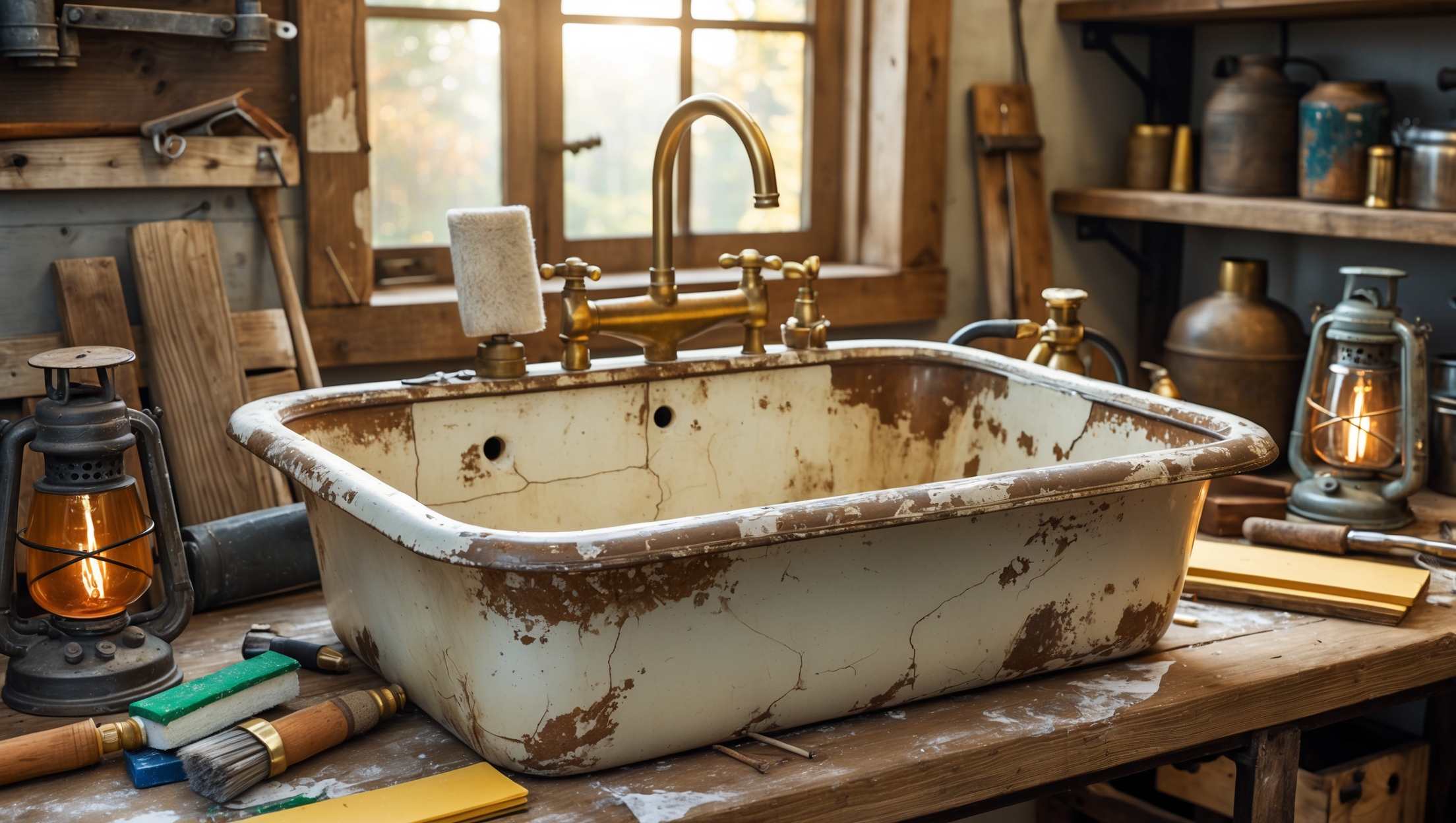
Introduction: The Unexpected Potential of Salvaged Sinks
Salvaged sinks are often overlooked treasures in the world of creative salvage and upcycling. Whether plucked from a renovation site, a demolition project, or a salvage yard, old sinks—be they porcelain, cast iron, stainless steel, or even stone—carry history, character, and surprising utility. Many upcyclers focus on furniture or building materials, missing the endless possibilities these plumbing fixtures offer. From transforming a battered farmhouse basin into a garden planter, to restoring a mid-century sink for a retro bathroom, or even repurposing a stainless steel sink as an outdoor beverage cooler, salvaged sinks can be the foundation of uniquely sustainable projects.
This comprehensive guide explores how to source, assess, restore, and creatively repurpose salvaged sinks. We’ll dive into restoration techniques for various sink materials, highlight creative project inspiration for both indoor and outdoor use, and provide sustainable plumbing tips—so your upcycled sink project is as functional as it is eye-catching. Whether you’re a seasoned upcycler or new to the salvage world, you’ll find practical advice, troubleshooting tips, and expert insights to help you unlock the sustainable potential of every rescued sink.
Sourcing Salvaged Sinks: Where and What to Look For
Best Places to Find Salvaged Sinks
- Architectural Salvage Yards: Often have a wide selection, from farmhouse porcelain to retro steel basins. Staff can advise on age and condition.
- Demolition and Renovation Sites: Network with contractors or homeowners to rescue sinks before they’re scrapped.
- Online Marketplaces: Platforms like Craigslist, Facebook Marketplace, and eBay frequently list vintage and used sinks.
- Habitat for Humanity ReStores: These nonprofit shops feature gently used fixtures, often at a fraction of retail pricing.
- Local Recycling Centers: Some centers set aside reusable fixtures before crushing or melting scrap.
What to Check Before You Buy
- Material: Porcelain, cast iron, stainless steel, and stone each have unique restoration requirements.
- Condition: Assess for chips, cracks, rust, stains, or missing hardware. Minor blemishes can be restored; structural damage may require professional repair.
- Size and Weight: Measure your intended space and ensure you can transport and install the sink safely.
- Mounting Style: Wall-mount, pedestal, drop-in, and undermount sinks each have different installation and upcycling potential.
- Drain and Faucet Compatibility: Check for standard sizes, or plan for adapters and creative plumbing solutions.
Assessing and Preparing the Salvaged Sink
Initial Cleaning and Inspection
Start with a thorough cleaning using mild detergent and a non-abrasive sponge. For stubborn mineral deposits or stains, try a paste of baking soda and vinegar or a commercial lime remover. Carefully inspect the sink for hairline cracks, deep rust, or hidden damage—shine a flashlight from different angles and check mounting holes and seams. Document any issues for your restoration plan.
Deciding Between Restoration and Repurposing
- Restoration: If the sink is structurally sound and retains unique character, consider restoring for use as a sink.
- Repurposing: Severely damaged or unusually shaped sinks are perfect candidates for creative, non-plumbing projects.
Restoration Techniques for Different Sink Materials
Porcelain and Enameled Cast Iron Sinks
- Minor Chip Repair: Use an epoxy-based porcelain repair kit. Clean, sand, apply filler, and blend with color-matched paint.
- Refinishing: For extensive wear or discoloration, consider professional reglazing. DIY kits exist but require excellent ventilation and prep.
- Rust Removal: Scrub with a baking soda paste or use a rust remover for small spots. Deep rust on cast iron may require wire brushing and touch-up paint.
Stainless Steel Sinks
- Scratch Removal: Use fine steel wool or a commercial stainless polish, always working in the direction of the grain.
- Dent Repair: Some small dents can be tapped out from the underside with a rubber mallet.
- Descaling: White vinegar removes calcium buildup—rinse thoroughly and buff dry.
Stone and Concrete Sinks
- Surface Cleaning: Use a pH-neutral stone cleaner to avoid etching.
- Crack and Chip Repair: Fill with color-matched epoxy or stone filler, then sand and polish.
- Sealing: Always reseal after restoration to prevent water damage and stains.
Creative Upcycling Ideas for Salvaged Sinks
Indoor Projects
- Bathroom Vanity: Pair a vintage sink with a salvaged dresser or cabinet for an eclectic, functional statement piece.
- Laundry Room Upgrade: Install a deep, restored utility sink for heavy-duty washing tasks.
- Wet Bar or Potting Station: Use a stainless steel or compact sink for a beverage station, craft area, or indoor garden setup.
Outdoor and Garden Projects
- Garden Planter: Fill a cracked or leaky sink with soil and use for succulents, herbs, or annuals. Drill extra drainage holes if needed.
- Bird Bath or Water Feature: Mount a shallow basin on a pedestal or stump; add a solar-powered bubbler for wildlife.
- Outdoor Beverage Cooler: Set a metal or stone sink into a potting bench or patio table. Fill with ice for parties.
- Handwashing Station: Hook up to a rain barrel or garden hose for sustainable outdoor sanitation.
Unconventional Uses
- Pet Washing Station: Repurpose a utility sink in a mudroom or garage for easy pet baths.
- Workshop Cleaning Sink: Use for cleaning tools, paintbrushes, or hands after messy projects.
- Compost Collector: Use a deep sink to hold compost scraps while prepping veggies—easy to rinse and clean.
Sustainable Plumbing Tips for Upcycled Sink Installations
Choosing Eco-Friendly Fixtures
- Water-Saving Faucets: Install aerators or low-flow fixtures to reduce consumption.
- Reclaimed Plumbing Fixtures: Source vintage or upcycled taps, spouts, and drain assemblies to maintain character and reduce waste.
Greywater Reuse
Consider connecting your upcycled sink to a greywater system for irrigation or flushing toilets (where legal). Use biodegradable soaps and ensure proper filtration. Always research local codes before diverting wastewater.
Leak Prevention and Sustainable Materials
- Quality Gaskets and Seals: Invest in durable, non-toxic gaskets to prevent leaks and extend the life of your installation.
- Lead-Free Solder and Pipes: Whenever updating or replacing plumbing, use certified lead-free materials for health and sustainability.
Efficient Installation Tips
- Support for Heavy Sinks: Reinforce cabinetry or wall mounts as needed, especially for stone or cast iron sinks.
- Reusing Old Hardware: Clean and reuse original mounting brackets and screws wherever safe; otherwise, source reclaimed replacements.
- Sealant Choices: Use low-VOC caulks and adhesives to reduce indoor air pollution.
Budgeting and Cost Considerations
Typical Expenses
- Salvaged Sink: $0 (rescued) to $300+ for rare vintage models
- Restoration Supplies: $20–$70 for cleaners, sealants, and repair kits
- Plumbing Parts: $25–$150 depending on project complexity
- Professional Services (Optional): Reglazing, stonework, or plumbing can add $100–$500+
Budget-Smart Tips
- DIY Where Possible: Many repairs and installations can be done with basic tools and online tutorials.
- Buy in Bulk: If you upcycle multiple sinks, purchase cleaning and restoration products in larger quantities.
- Trade or Barter: Connect with other upcyclers to swap fixtures, tools, or labor.
Common Salvaged Sink Restoration Mistakes (and How to Avoid Them)
- Skipping Initial Inspection: Overlooking cracks or hidden rust can lead to leaks or failure after installation.
- Using Harsh Cleaners: Abrasive pads or harsh chemicals can permanently damage porcelain and metal finishes.
- Poor Surface Prep: Failing to sand, clean, or degrease surfaces before repair compromises adhesion and longevity.
- Improper Mounting: Not reinforcing supports for heavy sinks risks collapse or injury.
- Ignoring Local Codes: Always check plumbing regulations before installing graywater systems or outdoor sinks.
Tools and Equipment Guide for Sink Upcycling
- Basic Tools: Adjustable wrench, channel-lock pliers, flat and Phillips screwdrivers, putty knife.
- Restoration Supplies: Fine steel wool, non-abrasive sponges, epoxy repair kits, porcelain touch-up paint, rust remover, stone filler.
- Plumbing Tools: Pipe wrench, plumber’s putty, Teflon tape, PVC saw, basin wrench.
- Safety Gear: Gloves, safety glasses, dust mask (especially when sanding or using chemicals).
- Optional Power Tools: Drill with hole saws (for mounting or adding drainage), orbital sander (for stone or concrete sinks).
Maintenance and Longevity of Upcycled Sinks
Routine Care
- Clean regularly with non-abrasive cleaners and soft cloths.
- Check for leaks or loose hardware every few months, especially on outdoor installations.
- Reseal stone and concrete sinks annually.
- Touch up chips or scratches promptly to prevent further damage.
Troubleshooting Common Issues
- Persistent Stains: Soak with a baking soda paste or use a targeted cleaner for the specific sink material.
- Slow Drains: Clear with a plunger or hand auger—avoid harsh chemical drain openers.
- Corrosion: Address rust or tarnish early; keep metal surfaces dry when not in use.
Conclusion: Bringing New Life to Old Sinks for Sustainable Living
Upcycling salvaged sinks is a rewarding way to add distinctive character and sustainability to any living space. Whether you’re restoring a vintage porcelain basin for a guest bathroom, transforming a damaged sink into a lush garden planter, or inventing a new outdoor utility area, the process combines creativity, craftsmanship, and environmental responsibility. Each salvaged sink you rescue diverts waste from landfills, preserves a piece of design history, and becomes a functional or decorative highlight in your home or garden.
With the right tools, materials, and a thoughtful approach, nearly any sink can be reborn—sometimes in ways its original makers never imagined. By choosing eco-friendly plumbing fixtures, reusing as much as possible, and learning to troubleshoot common restoration pitfalls, you ensure your upcycled projects stand the test of time. Let salvaged sinks become your canvas for sustainable innovation, whether you’re crafting a bold centerpiece, a practical workspace, or a whimsical garden feature. Every project is an opportunity to tell a story, minimize your environmental footprint, and inspire others to see discarded materials as the beginnings of something beautiful and useful.
Ready to get started? Head to your local salvage yard, keep an eye out during renovations, or browse online listings—your next upcycling adventure could start with a sink that’s waiting for a second life.

I noticed the article mentions restoring different materials like porcelain and cast iron sinks. Are there any specific restoration techniques or products I should avoid using on vintage porcelain so I don’t accidentally damage it, especially if I want to use it outside as a planter?
When restoring vintage porcelain sinks for outdoor use, avoid abrasive cleaners, steel wool, or harsh chemicals like bleach, as these can scratch or dull the glaze. Stick to gentle, non-abrasive cleaners and use a soft cloth or sponge. If you need to seal chips or cracks, choose products specifically labeled safe for porcelain. For outdoor planters, ensure drainage holes and consider adding a weather-resistant clear sealant to help protect the finish from the elements.
You mention that Habitat for Humanity ReStores and architectural salvage yards are good sources for used sinks. In your experience, which option usually offers better-condition sinks for a reasonable price, and are there any signs of hidden damage I should look out for before buying?
Architectural salvage yards often have a wider range of vintage or unique sinks, sometimes in better condition, but prices can vary. Habitat for Humanity ReStores typically offer gently used sinks at lower prices and tend to check for obvious damage. Before buying, inspect for cracks, chips, rust, and check under the rim for hidden corrosion or repairs. Always check the drain area and mounting points for signs of excessive wear or patching.
When sourcing salvaged sinks from demolition or renovation sites, what should I look out for in terms of signs of damage or wear that could complicate restoration, especially with older porcelain or cast iron models?
When checking salvaged porcelain or cast iron sinks, inspect carefully for deep cracks, chips, or pitting, especially around the basin and rim. Look for signs of rust, particularly on cast iron, as extensive rust under the enamel can weaken the structure. Pay attention to drain and faucet openings for warping or breakage. Minor surface stains and light scratches are usually restorable, but severe damage may require professional repair or could make restoration impractical.
I noticed you mentioned using salvaged sinks as outdoor garden planters and beverage coolers. Are there certain sink materials, like cast iron versus stainless steel, that hold up better to weather conditions if left outside year-round? Any maintenance tips to make them last longer outdoors?
Stainless steel sinks generally hold up better outdoors than cast iron, as they resist rust and corrosion. Cast iron sinks can weather nicely if they have a good enamel coating, but over time, chipping can lead to rust. To extend their lifespan, apply a rust-resistant sealant, clean them regularly to prevent buildup, and consider placing them in shaded areas to minimize sun damage. For both types, check for drainage holes to avoid water pooling, which can accelerate wear.
How practical is it to use a salvaged stainless steel sink as an outdoor beverage cooler in terms of durability and insulation? Would you recommend any modifications or tips to help it retain cold longer during summer gatherings?
Using a salvaged stainless steel sink as an outdoor beverage cooler is quite practical in terms of durability, as stainless steel resists rust and weathering. However, its insulation is minimal, so the ice will melt more quickly. To improve cold retention, consider lining the sink with a layer of insulation—such as foam or bubble wrap—underneath or around the sides, and place a lid or towel over the top when not in use. Draining melted ice promptly also helps keep drinks colder.