
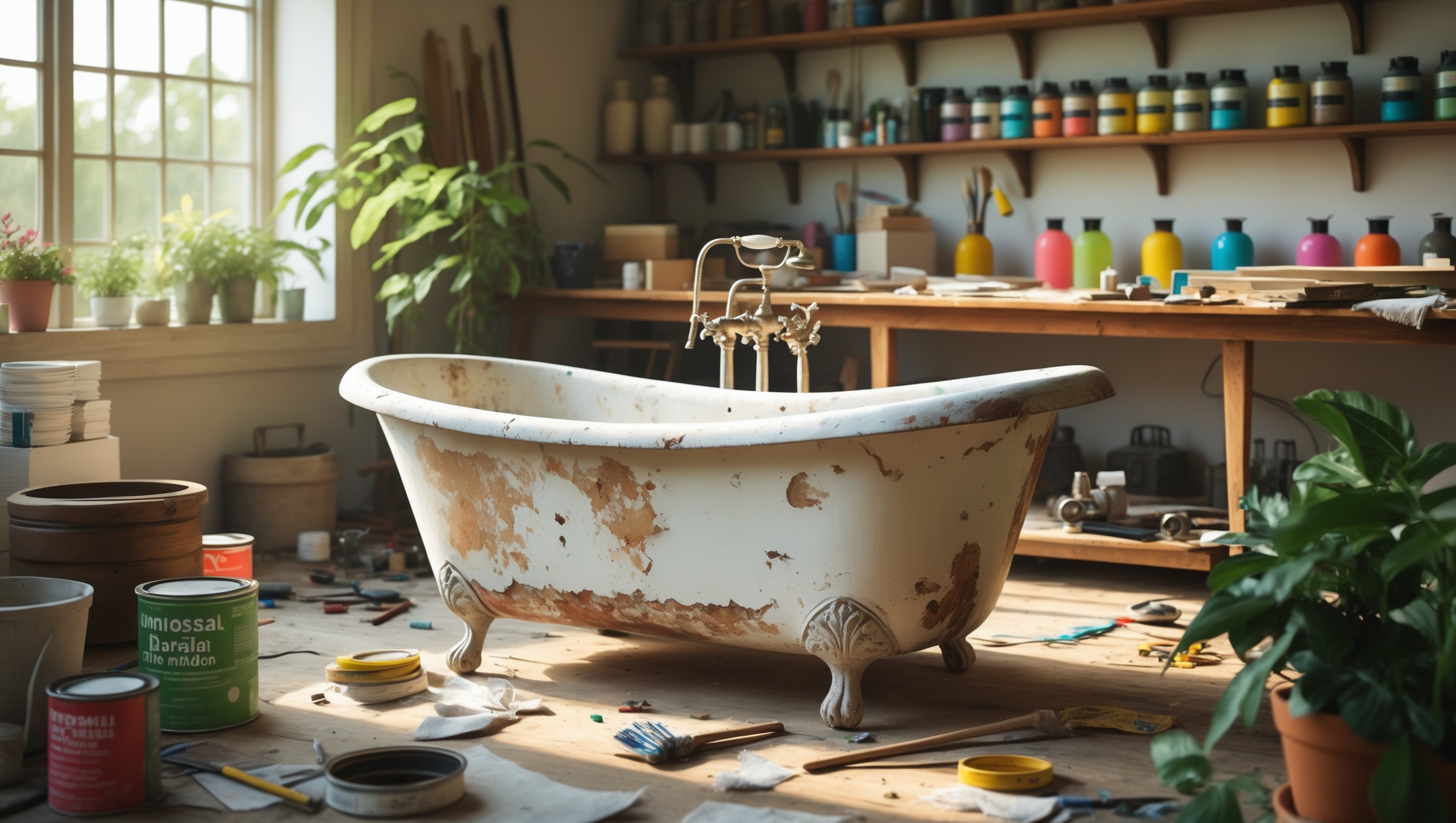
Repurposing and restoring salvaged bathtubs isn’t just about saving money—it’s an opportunity to create a stunning, sustainable bathroom centerpiece with a unique story. From clawfoot classics to mid-century enameled steel tubs, these fixtures offer a distinctive charm and a tangible way to reduce construction waste. However, turning a salvaged bathtub into a functional, beautiful showpiece requires careful assessment, the right restoration techniques, and thoughtful finishing choices that balance durability with eco-friendliness. In this guide, you’ll learn how to select, restore, and upcycle vintage bathtubs for lasting function and style, including detailed prep and repair methods, eco-conscious finishing options, and inspiring ways to integrate your upcycled tub into a sustainable bathroom design. Whether you’re a seasoned restorer or tackling your first salvage project, this comprehensive walkthrough will help you avoid common pitfalls and achieve professional results.
Choosing the Right Salvaged Bathtub
Types of Salvaged Bathtubs
- Cast Iron Clawfoot Tubs: Heavy, durable, and often coated with porcelain enamel. Periods range from Victorian to Art Deco.
- Porcelain-Enameled Steel Tubs: Lighter than cast iron, mid-century favorite, but more prone to chips and rust.
- Solid Surface & Acrylic Tubs: More recent, easier to move and refinish, but less historically significant.
- Copper or Tin Tubs: Rare, instantly striking, but require specialized care and restoration.
Where to Source Quality Salvaged Bathtubs
- Architectural salvage yards
- Building material reuse centers
- Online marketplaces: Craigslist, Facebook Marketplace, eBay
- Demolition sales and estate auctions
Look for tubs with minimal rust-through, intact feet, and original hardware. Avoid bathtubs with large structural cracks or severe pitting, as these issues can be costly or impossible to repair.
Inspecting and Evaluating Salvaged Bathtubs
Key Inspection Points
- Surface Condition: Check for chips, cracks, and enamel wear. Minor surface flaws are repairable, but deep structural cracks may not be.
- Rust and Corrosion: Inspect the exterior and around the drain/overflow holes. Surface rust is manageable; deep rust-through often isn’t.
- Feet and Mounts: Ensure clawfoot or pedestal feet are present and intact. Missing or mismatched feet can be replaced but add to costs.
- Plumbing Connections: Verify that the drain and overflow holes aren’t excessively enlarged or damaged.
Bring a flashlight and a magnet: a magnet won’t stick to acrylic or solid surface tubs, which can help you quickly identify materials. Photograph any defects for reference during repairs.
Safe Handling and Transport
Vintage bathtubs are extremely heavy and awkward to move. Use proper lifting techniques, sturdy dollies, and thick blankets to prevent chips or injuries. Never attempt to move a cast iron tub alone—recruit help or hire professionals if needed. Always wear gloves and steel-toed boots during handling.
Step-by-Step Bathtub Restoration Process
1. Initial Cleaning and Degreasing
- Scrub with a non-abrasive cleaner and warm water to remove dirt and grime.
- Use a degreaser (like TSP substitute) to cut through old soap scum and oils.
- Rinse thoroughly and allow the tub to dry completely.
2. Rust and Stain Removal
- Remove surface rust with fine steel wool (0000 grade) or a wire brush attachment on a drill.
- For stubborn stains, apply a paste of baking soda and vinegar or use a commercial rust remover, following safety precautions.
- For deep rust, sand down to bare metal, then neutralize with a rust converter.
3. Repairing Chips, Cracks, and Holes
- For small chips: Use a porcelain repair kit or two-part epoxy filler. Sand smooth after curing.
- Hairline cracks: Open up with a Dremel, fill with waterproof epoxy, and sand flush.
- Drain and overflow areas: Fill any gaps with marine-grade epoxy; reinforce from beneath if needed.
- For steel tubs with pinholes: Use fiberglass mesh and epoxy for patching.
4. Surface Preparation for Refinishing
- Sand the entire surface with 220-grit sandpaper to create a key for primer and topcoat.
- Thoroughly vacuum and wipe down to remove all dust.
- Mask off feet, drains, and overflow holes with painter’s tape and plastic sheeting.
5. Priming and Refinishing
- For Cast Iron and Steel: Apply a high-adhesion epoxy primer suitable for wet areas.
- For Acrylic/Solid Surface: Use a bonding primer specifically for plastics.
- Let the primer cure fully as per manufacturer’s instructions.
- Apply topcoat: Two-part epoxy or polyurethane tub paint provides the most durable, water-resistant finish. Use a high-density foam roller or spray gun for a smooth surface.
- Allow each coat to dry thoroughly before recoating (usually 12–24 hours between coats).
6. Polishing and Detailing
- After the final coat cures, wet-sand with 600-grit sandpaper for a glassy finish.
- Polish with a high-quality automotive or marine polish for extra shine and protection.
Eco-Friendly Finishing Options
- Low-VOC or Zero-VOC Paints: Look for water-based, low-odor refinishing products to minimize indoor air pollution.
- Natural Wax Finishes: For exterior surfaces, use natural beeswax or carnauba-based waxes to add luster without harsh chemicals.
- Recycled Hardware: Replace old taps and drains with salvaged or recycled-metal fixtures for extra green cred.
Always check that any finish you use is rated for bathroom/wet area use to ensure longevity and safety.
Creative Upcycling Ideas for Salvaged Bathtubs
- Freestanding Centerpiece: Let your restored clawfoot tub shine as the focal point in a minimalist, plant-filled bathroom.
- Bold Exterior Colors: Paint the tub’s exterior with a rich, eco-friendly color that complements your space—think deep green, navy, or matte black.
- Garden Planter: If the tub is too damaged for bathing, repurpose it as a dramatic outdoor planter for herbs or flowers.
- Outdoor Soaking Tub: Use a fully restored tub as a luxurious outdoor spa, perfect for sustainable off-grid living.
- Pet Bathing Station: Install a low-rise tub in a mudroom for eco-friendly pet care.
Integrating Upcycled Bathtubs Into Sustainable Bathroom Design
Water-Saving Fixtures
- Pair your tub with a modern low-flow faucet and handheld shower to minimize water use.
- Consider greywater systems for responsible water recycling.
Eco-Friendly Surround Materials
- Use reclaimed tiles, salvaged wood paneling, or recycled glass for your tub surround.
- Seal all surfaces with non-toxic, waterproof finishes.
Energy-Efficient Heating
- Install an efficient on-demand water heater close to the tub to reduce heat loss.
- Consider radiant floor heating for a cozy, spa-like experience.
Every detail, from the finish to the fixtures, can contribute to your bathroom’s sustainability—and its unique character.
Common Pitfalls and Troubleshooting
- Poor Surface Prep: Skipping thorough sanding or cleaning leads to peeling finish. Invest time in prep for long-lasting results.
- Wrong Products: Household paints and primers won’t withstand daily use. Always use coatings rated for bathtubs and wet environments.
- Rust Returns: If rust is not fully removed or neutralized, it will reappear. Treat all rusted areas before refinishing.
- Moisture During Curing: Ensure the tub is kept dry and dust-free during curing for a smooth, hard finish.
- Ventilation: Always refinish in a well-ventilated area, using fans and respirators as needed to avoid inhaling fumes.
Maintenance Tips for Longevity
- Gentle Cleaning: Use non-abrasive cleaners and soft sponges. Avoid bleach, harsh chemicals, and steel wool on finished surfaces.
- Touch-Up Kits: Keep a porcelain repair kit on hand for minor chips before they develop into larger issues.
- Regular Inspections: Check for signs of rust, leaks, or worn finish every few months, especially around drains and overflows.
- Waxing: Apply a natural wax to the tub’s exterior once or twice a year to maintain luster and add a protective layer.
Conclusion: Salvaged Bathtubs as Sustainable Showpieces
Restoring a salvaged bathtub is an immensely rewarding project—one that merges creativity, craftsmanship, and environmental responsibility. Each tub you rescue from the landfill is transformed into a piece of functional art, anchored in history and renewed for modern, sustainable living. While the process demands care, patience, and the right materials, the result is a truly one-of-a-kind bathroom centerpiece that tells a story and supports your eco-friendly values. From careful selection and assessment to thorough restoration and inspired upcycling, every step you take reduces waste and celebrates the beauty of reuse. As you maintain your upcycled bathtub, you’ll find that it not only enhances your home’s character but also serves as a daily reminder of the impact thoughtful restoration and creative salvage can have on both your space and the planet. Whether you’re soaking in a clawfoot filled with rainwater under the stars or enjoying a freshly polished tub in a vintage-inspired bathroom, your effort in upcycling is a powerful act of sustainability—one well worth the investment. Embrace the challenge, enjoy the process, and let your restored tub inspire more creative salvage adventures ahead.

When evaluating a salvaged cast iron clawfoot tub, what are some signs that rust on the surface is only cosmetic and not something that would require an expensive structural repair? I want to make sure I don’t take on a project that’s beyond my skill level.
Cosmetic surface rust on a cast iron clawfoot tub usually appears as light, flaky, or powdery patches that don’t go deep into the metal. If you tap the area and it sounds solid with no give, that’s a good sign. Avoid tubs with rust that causes pitting, soft spots, bubbling, or holes, as these indicate more serious structural issues that may be difficult or expensive to repair.
When sourcing a cast iron clawfoot tub from a salvage yard, how can you tell if minor rust or chipping will be manageable to restore, versus signs that indicate the tub might not be worth the extra repair effort or cost?
When assessing a salvaged clawfoot tub, minor surface rust or small chips in the enamel are usually manageable with sanding and refinishing. However, deep pitting, large holes, or cracks in the cast iron can signal structural problems that are difficult and costly to fix. Also, if the rust has penetrated through the metal or the tub feels unusually thin or weak in spots, it may not be worth restoring.
I run a small remodeling company and am curious about the best way to repair minor chips and rust spots on mid-century enameled steel tubs. Is there a specific eco-friendly product or method you recommend that will hold up well over time without damaging the original finish?
For minor chips and rust on mid-century enameled steel tubs, look for water-based epoxy repair kits labeled as low-VOC and non-toxic. First, gently sand the damaged area, clean thoroughly, and apply the epoxy as directed. These products bond well, are durable, and don’t harm the original finish. For rust, use a natural rust remover like citric acid before patching. This approach offers a lasting, eco-friendly repair.
Could you explain more about the eco-conscious finishing options mentioned for upcycling bathtubs? I want something both durable and sustainable, but I’m not sure how those finishes hold up over time compared to traditional restoration materials.
Eco-conscious finishing options for upcycling bathtubs often include water-based epoxies, low-VOC paints, and natural sealants like tung oil or plant-based resins. These finishes are chosen for their lower environmental impact compared to traditional solvent-based products. Durability can vary—high-quality water-based epoxies are quite resilient and comparable to conventional finishes, though natural oils may need more frequent reapplication. With proper preparation and maintenance, sustainable finishes can last for years while minimizing environmental harm.
When choosing between a salvaged cast iron clawfoot tub and a porcelain-enameled steel one for a busy rental property, which would you suggest for long-term durability and easier ongoing maintenance? I want character but not frequent repairs.
For a busy rental property, a salvaged cast iron clawfoot tub usually offers superior long-term durability and stands up better to frequent use. While both tub types have charm, cast iron resists dents and chips much better than porcelain-enameled steel. Maintenance is generally easier, too—occasional cleaning and care will keep it looking great without the need for frequent repairs.