
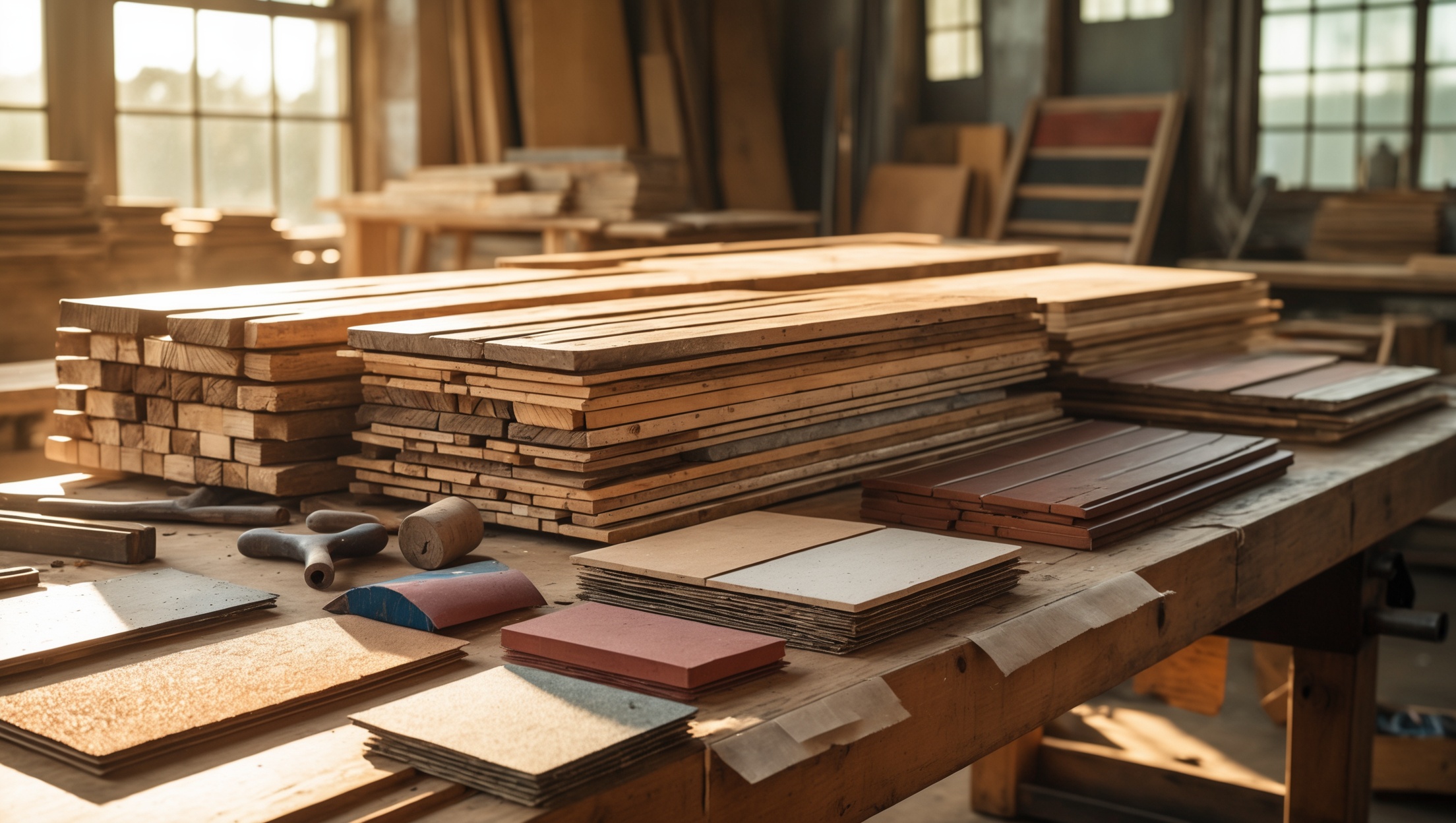
Salvaging and upcycling old flooring isn’t just about rescuing beautiful materials from landfills—it’s a creative opportunity to infuse character and sustainability into your living space. Each plank of reclaimed hardwood, every vintage tile, and even old linoleum sheets have stories etched into their surfaces, waiting for a second life. However, transforming salvaged flooring into striking new projects demands a thoughtful approach, from careful restoration and safe handling to creative reinvention. In this comprehensive guide, we’ll explore practical restoration techniques, smart project ideas, and the sustainability impact of upcycling old flooring. Whether you’re a seasoned upcycler or just starting out, you’ll learn how to source, assess, restore, and creatively reuse salvaged flooring in ways that celebrate both craftsmanship and environmental responsibility.
Understanding Salvaged Flooring: Types and Sourcing
Common Types of Salvaged Flooring
Before diving into upcycling, it’s essential to understand the variety of flooring materials you might encounter:
- Hardwood Planks: Oak, maple, pine, and mahogany are frequently salvaged from old homes, barns, and commercial buildings. These planks may show nail holes, patina, and unique grain patterns.
- Parquet Tiles: Intricate geometric wood tiles, often found in mid-century and historic properties.
- Ceramic and Porcelain Tiles: Vintage tiles from kitchens, bathrooms, and entryways, sometimes hand-painted or patterned.
- Natural Stone: Salvaged marble, slate, or limestone tiles offer high durability and timeless aesthetics.
- Linoleum and Vinyl: Older resilient flooring, often with retro patterns, can be upcycled in creative ways.
Where to Find Salvaged Flooring
- Architectural Salvage Yards: Specialized suppliers often stock reclaimed flooring, sorted by material and condition.
- Demolition Sites: With permission and proper safety protocols, you can source flooring during renovation or teardown projects.
- Online Marketplaces: Platforms like Craigslist, Facebook Marketplace, and dedicated salvage websites.
- Community Reuse Centers: Nonprofits and community organizations sometimes offer reclaimed building materials at a discount.
Evaluating Salvaged Flooring: What to Look For
Assessing Condition and Suitability
- Structural Integrity: Inspect for warping, rot, cracked tiles, or compromised edges.
- Moisture Damage: Check for water stains, mold, or mildew—especially at board ends or tile backs.
- Finish and Surface: Consider the presence of old finishes, adhesives, or paint (watch for lead in older materials).
- Thickness and Dimensions: Confirm that planks or tiles are thick enough for restoration and reuse, and note any size variations.
- Presence of Nails or Fasteners: Look for hidden metal that could damage tools or create safety hazards.
Testing for Hazards
Older flooring may contain hazardous materials such as asbestos (in vinyl, linoleum, or tile adhesives) or lead paint. When in doubt:
- Have suspect materials tested by a certified lab.
- Use proper PPE (respirators, gloves) when handling and processing.
- Follow local regulations for removal and disposal.
Restoration Techniques for Salvaged Flooring
Cleaning and Preparation
Thorough cleaning is the first step to successful upcycling:
- Gently sweep and vacuum loose debris.
- Use a mild, non-abrasive cleanser (diluted vinegar for wood, pH-neutral cleaner for stone/tile).
- For sticky residues or adhesives, use a plastic scraper or citrus-based remover. Avoid soaking wood, which can cause warping.
- Allow materials to dry completely in a well-ventilated area.
Removing Old Fasteners and Adhesives
- Use pliers or a nail set to extract nails, brads, or staples.
- Remove old glue or mastic with a scraper or oscillating tool, taking care not to gouge the surface.
- For tiles, soak backs in warm water to loosen adhesives (unless water-sensitive).
Repairing and Refinishing Wood Flooring
- Flatten Warped Boards: Clamp between straight boards and allow to dry flat if slightly warped.
- Patch Holes and Cracks: Use wood filler matched to the species, then sand flush.
- Sanding: Start with 80-grit sandpaper, progressing to 120- and 180-grit. Use a dust extractor or vacuum attachment.
- Finishing: Apply eco-friendly stains or clear finishes. Consider natural oil or water-based polyurethane for durability and sustainability.
Restoring Tile and Stone
- Clean Grout Lines: Use a baking soda paste or specialized grout cleaner.
- Repair Chips: Fill with epoxy or use color-matched filler for minor cracks.
- Polish: Use a stone or tile polish to restore luster. Avoid harsh chemicals on natural stone.
- Seal: Apply a penetrating sealer for stone or porous ceramic tiles to prevent staining.
Creative Upcycling Ideas for Salvaged Flooring
Reinstalling as Flooring: Tips for Success
- Acclimate Materials: Allow wood or tile to sit in the installation space for at least 72 hours to adjust moisture levels.
- Sort and Layout: Arrange boards or tiles by color, size, and grain for the best visual effect.
- Subfloor Prep: Ensure a flat, clean, and dry subfloor. Use an underlayment as needed for sound and moisture control.
- Installation: Use appropriate fasteners or adhesives (eco-friendly options preferred). For wood, leave room for expansion gaps.
Furniture and Decor Projects
- Tabletops and Countertops: Create rustic or industrial surfaces by joining planks or arranging tiles on a plywood base.
- Wall Paneling: Add character to accent walls with horizontal or vertical wood plank installations, or use patterned tiles for a backsplash.
- Headboards and Benches: Combine short offcuts into stunning headboards or bench seats, preserving unique patinas and markings.
- Framed Art and Mirrors: Use segments of flooring as frames or backgrounds for mirrors and artwork.
Garden and Outdoor Uses
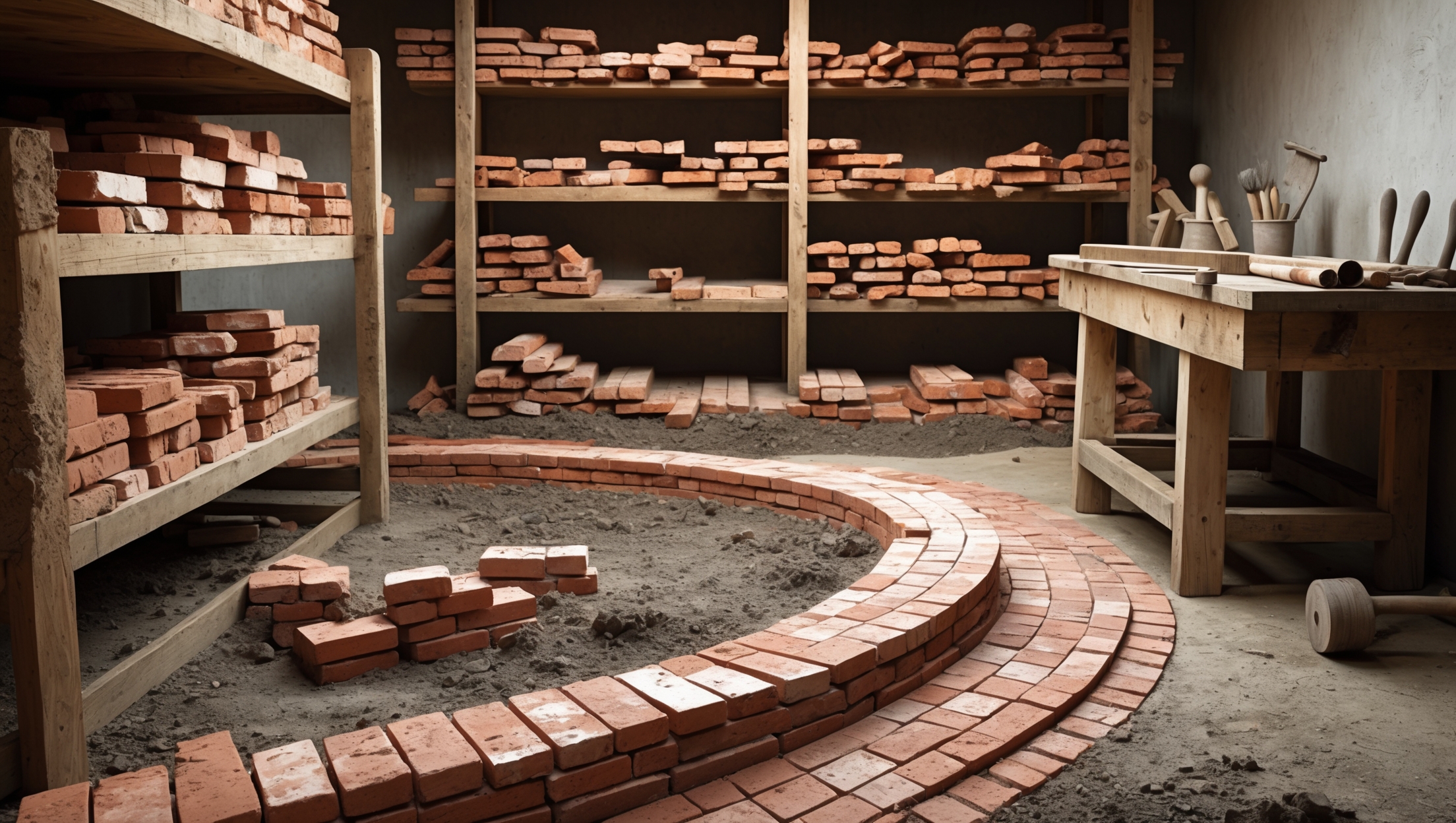
- Pathways: Lay durable stone or tile as garden walkways, ensuring a stable base and adequate drainage.
- Planter Boxes: Construct raised beds or planters from weather-resistant wood planks (seal with a non-toxic, outdoor finish).
- Outdoor Tables: Repurpose robust hardwood or stone slabs as outdoor furniture surfaces.
Budgeting and Cost Considerations
Cost Breakdown
- Material Costs: Salvaged flooring is often cheaper than new materials, but rare woods or decorative tiles can command higher prices.
- Restoration Supplies: Budget for sandpaper, finishes, sealers, adhesives, and cleaning products.
- Tool Rental or Purchase: Floor sanders, saws, tile cutters, and safety gear may be needed.
- Transportation: Consider delivery fees or vehicle rental for large or heavy loads.
- Unexpected Repairs: Set aside 10-15% of your budget for surprise issues like hidden damage or additional fasteners.
Saving Money Sustainably
- Source materials locally to cut transportation emissions and costs.
- Join community swaps or barter groups for free or low-cost flooring.
- Repurpose offcuts and scraps in smaller projects to minimize waste.
Essential Tools and Equipment
Basic Restoration Toolkit
- Pry bar and hammer (for removing nails and fasteners)
- Oscillating multi-tool or scraper (for adhesive removal)
- Orbital or belt sander (for wood)
- Tile cutter or wet saw (for trimming or resizing tiles)
- Dust mask or respirator (especially when sanding or cleaning vintage materials)
- Gloves and safety goggles
- Measuring tape and chalk line (for precise layouts)
- Clamps (for flattening warped boards)
- Eco-friendly cleaners and rags
Optional Advanced Tools
- Drum sander (for large wood flooring projects)
- Moisture meter (to check wood before installation)
- Heat gun (for stubborn adhesives)
- Detail sander (for tight spaces or intricate patterns)
Sustainability Benefits of Upcycling Flooring
Reducing Landfill Waste
Every year, millions of tons of construction and demolition debris end up in landfills. By reclaiming and upcycling old flooring, you help reduce waste, conserve resources, and limit the environmental footprint of new construction materials.
Preserving Historic Character
Salvaged flooring often features old-growth wood, unique grains, and patterns that are nearly impossible to find in modern materials. Upcycling preserves this irreplaceable character for future generations.
Lowering Environmental Impact
- Reduced demand for new lumber slows deforestation and promotes responsible forestry.
- Minimized manufacturing emissions from new tile, stone, or vinyl production.
- Local sourcing further cuts transportation-related carbon emissions.
Supporting the Circular Economy
Upcycling salvaged materials keeps resources in use longer, supporting a circular economic model and fostering creative problem-solving in the design and building industries.
Maintenance and Longevity Tips
Ongoing Care for Upcycled Flooring
- Wood: Sweep regularly, use mats at entryways, and clean with a damp mop (avoid soaking).
- Tile/Stone: Use pH-neutral cleaners and reseal grout or stone surfaces annually.
- Outdoor Projects: Reapply exterior sealers or finishes as needed to protect from weathering.
- Repair minor damage promptly to prevent further deterioration.
Preventative Measures
- Place felt pads under furniture feet to prevent scratches.
- Address spills and stains quickly, especially on porous materials.
- Monitor humidity levels in your home to minimize wood movement.
Conclusion: Transforming Spaces, Saving Resources
Upcycling salvaged flooring is more than a practical way to beautify your home—it’s a statement of creativity, stewardship, and commitment to a sustainable future. Each piece of reclaimed wood or tile you repurpose keeps valuable material out of the waste stream and adds a layer of history and authenticity to your space. The process—sourcing, restoring, and reimagining—requires patience, care, and the right know-how, but the rewards are profound. Not only do you reduce your environmental footprint, but you also gain unique, high-quality surfaces that tell a story.
Whether you’re laying a patchwork wood floor, crafting a one-of-a-kind table, or designing a garden path from vintage tiles, the possibilities are as endless as your imagination. Remember to evaluate materials thoroughly, invest in proper restoration and finishing, and maintain your upcycled projects for years of enjoyment. By embracing the challenge of upcycling salvaged flooring, you become part of a growing movement that values resourcefulness, artistry, and a healthier planet. So open your toolbox, source some character-rich flooring, and let your next sustainable project begin!


I’m curious about the possibilities with vintage linoleum or vinyl that still have those retro patterns. Are there specific restoration or cleaning methods to make them safe and durable for reuse, or are they mostly suited for small decorative projects rather than whole rooms?
Vintage linoleum and vinyl with retro patterns can be restored, but caution is needed. Older materials might contain asbestos or other hazardous substances, so professional testing is important before any work. If safe, gentle cleaning and specialty floor finishes can enhance durability, but full-room use may be limited due to wear and age. These materials often work best for small decorative projects, like tabletops or accent panels, where less stress is placed on them.
When sourcing salvaged hardwood planks from demolition sites, what are some effective ways to safely remove flooring so it stays intact for upcycling projects? I’m especially curious about techniques that minimize damage to tongue-and-groove boards.
To safely remove tongue-and-groove hardwood planks, start by locating and removing any baseboards or trim. Use a pry bar and rubber mallet to gently lift the first board, working from an exposed edge. Go slowly and insert the pry bar close to the nails to reduce stress on the wood. Avoid forcing boards apart; instead, wiggle them loose to preserve the tongues and grooves. Mark and number boards as you go to make reinstallation easier.
I run a small home renovation business and often come across salvaged hardwood planks with deep nail holes and uneven patina. What restoration techniques would you recommend for making these boards suitable for new flooring projects while preserving their vintage character?
To restore salvaged hardwood with deep nail holes, try carefully filling larger holes with tinted wood filler or custom-mixed epoxy to match the existing tones while leaving subtle imperfections for character. Light sanding will even out the surface without erasing the patina. Finish with a matte or satin sealant to highlight the vintage charm and protect the wood. This approach preserves authenticity while making the boards practical for new flooring.