
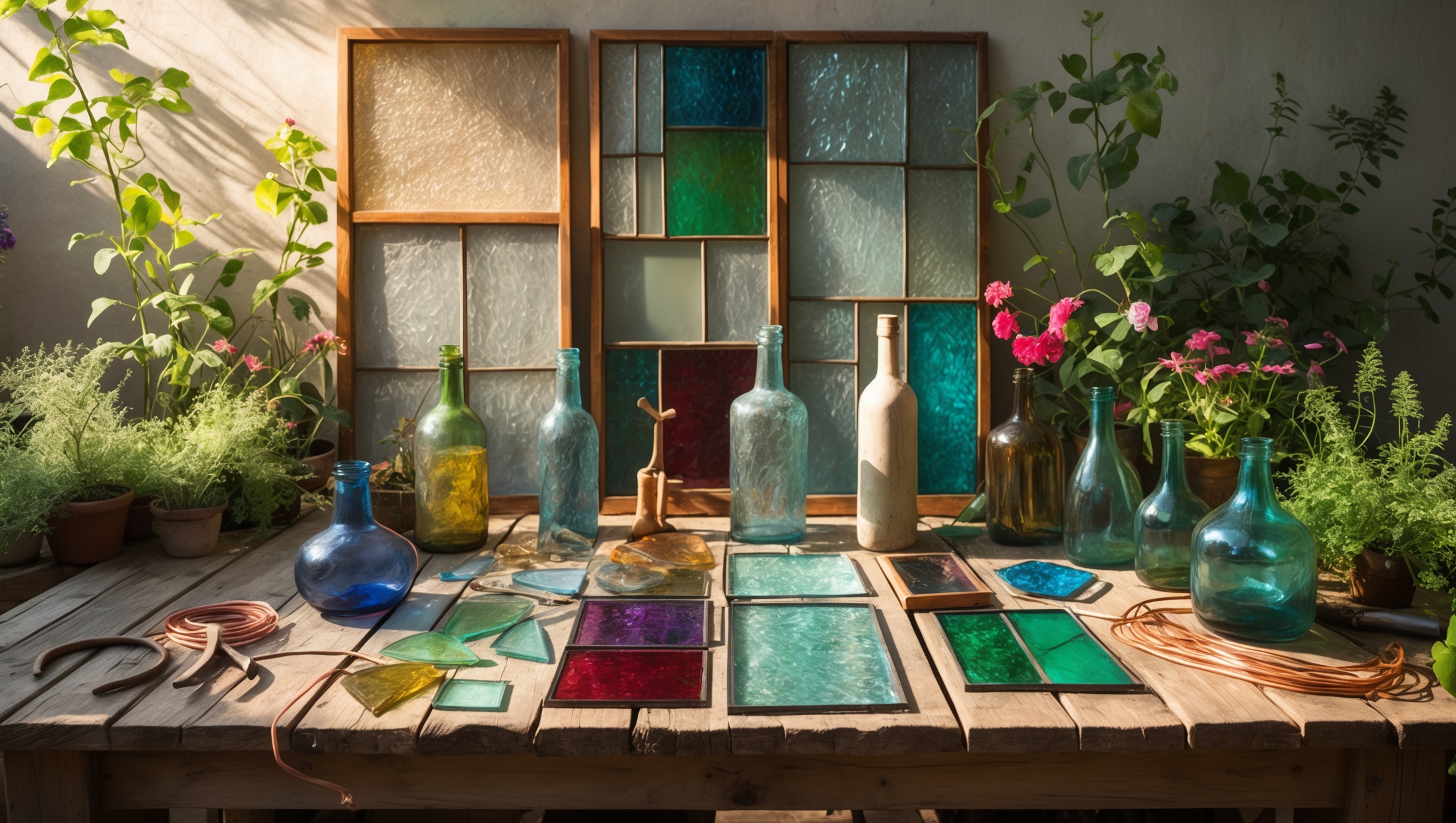
Introduction: Unleashing the Potential of Salvaged Glass
Glass is often overlooked in the world of creative salvage and upcycling, yet its versatility, durability, and timeless appeal make it a treasure trove for sustainable living enthusiasts. From antique window panes to discarded bottles and intricate stained glass, salvaged glass items are readily available and ripe for transformation. Whether you’re seeking to craft statement art, functional home accents, or energy-efficient upgrades, upcycling glass offers immense potential with a lower environmental footprint than producing new glass. However, working with salvaged glass requires careful selection, specialized tools, and mindful restoration techniques to ensure both beauty and safety. This comprehensive guide will walk you through sourcing and evaluating salvaged glass, choosing the right tools, mastering essential techniques, and exploring inspiring projects to infuse your space with sustainable style. Whether you’re a seasoned upcycler or just starting out, you’ll find practical tips and step-by-step guidance to transform forgotten panes, bottles, and panels into lasting, eco-conscious creations.
Sourcing and Selecting Salvaged Glass
Where to Find Salvaged Glass
- Architectural salvage yards: Prime sources for vintage windows, doors with glass inserts, and stained glass panels.
- Construction sites and remodels: Ask contractors about discarded windows, shower doors, or skylights.
- Online marketplaces: Platforms like Craigslist, Facebook Marketplace, or Freecycle often have listings for old windows and glass items.
- Bottle depots and recycling centers: Great for collecting glass bottles and jars in a variety of shapes and colors.
- Community clean-up events: Keep an eye out for households discarding glass furniture tops or mirrors.
Evaluating Salvaged Glass for Upcycling
- Condition: Check for cracks, deep scratches, and chips. Minor imperfections can add character, but structural flaws may compromise safety.
- Type: Identify if the glass is tempered (often marked), leaded, patterned, or plain. Each type requires different handling techniques.
- Size and thickness: Ensure the dimensions suit your intended project. Thicker glass is sturdier but harder to cut.
- Contamination: Remove paint, caulk, adhesives, or hazardous residues with appropriate solvents and safety gear.
Essential Tools & Equipment for Salvaged Glass Projects
Hand Tools
- Glass cutter: Oil-fed versions make cleaner, more consistent scores.
- Running pliers: Apply even pressure to break scored glass cleanly.
- Grozing pliers: Trim and nip away small glass fragments.
- Scraper and utility knife: For removing paint and caulk.
- Soft cloths and brushes: Clean glass before and after cutting.
Power Tools & Accessories
- Rotary tool with diamond bits: Useful for smoothing edges and drilling holes in glass.
- Wet tile saw (with glass blade): For cutting thicker or tempered glass panels.
- Bench grinder with glass wheel: Polishes and rounds edges for a finished look.
Safety Equipment
- Cut-resistant gloves: Prevent injuries while handling and cutting glass.
- Safety goggles or full-face shield: Protects eyes from glass shards.
- Respirator mask: Essential when sanding, grinding, or removing old paint (especially if lead-based).
- Apron or thick clothing: Shields your body from sharp edges.
Preparation and Restoration Techniques
Cleaning Salvaged Glass
- Remove residue: Use a razor blade or scraper to lift paint, tape, or caulk. For stubborn adhesives, apply a solvent like Goo Gone, but test a small area first.
- Wash thoroughly: Mix mild dish soap with warm water and gently scrub. Rinse and dry with a lint-free cloth.
- Dealing with minerals: Vinegar or a calcium remover can dissolve hard water stains and mineral deposits on glass.
Restoring Old Glass
- Polish scratches: Cerium oxide powder and a felt pad can buff out light scratches. For deeper damage, consider hiding flaws with paint or foil tape.
- Repairing chips: Small chips can be filled with clear epoxy resin, then sanded and polished flush.
- Lead paint caution: If dealing with painted window frames or stained glass, test for lead and follow proper abatement procedures.
Cutting, Drilling, and Shaping Salvaged Glass
Cutting Straight Lines
- Score: Place the glass on a flat, clean surface. Use a straightedge and glass cutter to score a single, steady line—don’t retrace.
- Snap: Align the score over the edge of a table and apply gentle downward pressure, or use running pliers for a cleaner break.
Cutting Curves
- Pattern tracing: Use a template and mark your curve with a wax pencil.
- Score: Follow the curve carefully with the cutter.
- Break away: Use grozing pliers to nibble away excess glass along the curve.
Drilling and Shaping
- Drilling holes: Use a diamond-tipped drill bit on a slow-speed drill. Lubricate with water and keep the bit perpendicular to prevent cracking.
- Smoothing edges: Sand edges with silicon carbide paper or use a rotary tool with a diamond bit for a polished finish.
Creative Upcycling Ideas for Salvaged Glass
1. Vintage Window Greenhouses
Turn salvaged windows into miniature greenhouses or cold frames. Clean and repaint the sashes, then hinge several together in a box or house shape. These structures are perfect for starting seedlings or protecting delicate plants.
2. Glass Bottle Lighting
Repurpose glass bottles as pendant lights or lanterns. Cut the bottoms off bottles using a bottle cutter, sand the edges, and fit with a light socket kit. Cluster several together for a dramatic chandelier effect.
3. Stained Glass Garden Art
Rescue broken stained glass: use copper foil tape and solder to assemble colorful mosaics for suncatchers, garden stakes, or window hangings. Mount finished pieces in wooden or metal frames for stability.
4. Upcycled Glass Tabletops
Large, unbroken glass panels make stunning table or desk surfaces. After cleaning and polishing, mount atop salvaged wood or metal bases. Use silicone bumpers to prevent slipping and dampen noise.
5. Decorative Mirrors from Salvaged Windows
Replace missing or cracked panes in multi-light windows with custom-cut mirror glass. Repaint or distress the frame for a vintage look. Secure mirrors in place with glazing points and waterproof caulk.
6. DIY Terrariums and Planters
Upcycle glass jars, bottles, and even small window panels as planters or terrariums. Layer with gravel, soil, and plants for low-maintenance, visually striking displays.
Finishing Touches: Painting, Etching & Sealing
Painting and Staining Glass
- Glass paints: Available in translucent or opaque finishes, ideal for adding color or patterns. Bake according to manufacturer instructions for durability.
- Alcohol inks: Create marbled effects on bottles or panels. Seal with a clear spray for protection.
Etching Designs
- Chemical etching: Use etching cream to create frosted designs. Apply with a stencil and rinse thoroughly.
- Sandblasting: For intricate or large-scale patterns, use a sandblaster (with proper respiratory protection).
Sealing and Mounting
- Edge protection: Wrap edges in copper foil tape or use silicone gasket to prevent chips and injuries.
- Weatherproofing: For outdoor use, seal seams with clear silicone caulk to prevent water ingress and glass movement.
- Mounting options: Use strong adhesive hooks, picture wire, or custom brackets depending on size and weight.
Safety and Maintenance Tips for Upcycled Glass
Safe Handling and Storage
- Always wear gloves and eye protection when moving or working with glass.
- Store glass panels upright with padding between pieces to prevent breakage.
- Keep your workspace free of debris—small shards are hard to spot but dangerous.
Cleaning and Preserving Finished Pieces
- Use a soft cloth and glass cleaner; avoid ammonia-based products on painted or etched surfaces.
- Inspect outdoor installations annually for cracks and reseal as needed to prevent water damage.
Cost Breakdown and Budgeting for Salvaged Glass Projects
Typical Costs
- Salvaged windows/panels: $0–$50 each, depending on rarity and condition.
- Bottles/jars: Often free or under $2 each from recycling centers.
- Basic hand tools: $30–$75 for quality cutters and pliers.
- Safety gear: $20–$50 for gloves, goggles, and mask.
- Specialty equipment: $80–$200 for rotary tools, grinders, or saws (can often be rented).
- Finishing supplies: $10–$40 for paint, etching cream, or sealants.
Budgeting Tips
- Start with small projects using found or free glass to minimize risk.
- Invest in quality safety gear before expanding your tool set.
- Share or rent expensive tools with other upcyclers or community workshops.
- Repurpose leftover glass fragments for mosaic or jewelry projects—waste nothing!
Conclusion: Building a Sustainable Future, One Pane at a Time
Salvaged glass is more than just a material—it’s a window into the past and a pathway to a greener future. By choosing to upcycle windows, bottles, and panels, you reduce landfill waste, conserve energy, and infuse your home with stories and character that new materials simply can’t match. Each project, whether a sun-catching mosaic or a functional greenhouse, is an opportunity to develop new skills, exercise creativity, and make a tangible impact on your environment. With the right tools, a strong focus on safety, and a willingness to experiment, anyone can master the art of glass upcycling. Remember to source wisely, plan your projects carefully, and prioritize responsible restoration. As you bring new life to forgotten glass, you also inspire those around you to see value in the overlooked and embrace the principles of sustainable living. Let every pane, bottle, or shard you rescue be a testament to your commitment to creativity and ecological stewardship.



I’m really interested in using old bottles from recycling centers for art projects, but is there a big difference in quality or safety compared to using architectural salvage glass like windows? Which source is better for beginners?
Old bottles from recycling centers are generally easier and safer for beginners to work with compared to architectural salvage glass. Bottles are typically lighter, less likely to have lead or other hazardous coatings, and easier to cut or reshape with basic tools. Salvaged windows can contain sharp edges, old paint, or coatings that may require special handling. For starting out, bottles offer a more accessible and low-risk material.
When evaluating salvaged glass from sources like architectural salvage yards or recycling centers, are there specific types of damage or wear that can be repaired with common restoration techniques, or should anything beyond minor imperfections be avoided entirely for safety reasons?
Minor surface scratches, small chips on the edge (not in structural areas), and light hazing can often be repaired with polishing or glass fillers. However, cracks, deep chips, or cloudiness within the glass layers usually mean the glass is compromised and should be avoided for safety. Always check for signs of stress or previous repairs, especially if you plan to use the glass in applications that require strength or thermal resistance.