Introduction: The Sustainable Art of Upcycling Salvaged Metal
Upcycling salvaged metal is more than a creative pursuit—it’s a powerful commitment to sustainability, resourcefulness, and the preservation of industrial history. Whether you’re eyeing a pile of discarded iron fencing, a cache of old car parts, or a set of vintage steel lockers, salvaged metal offers endless opportunities for transformation. However, working with reclaimed metal comes with unique challenges: rust, unknown coatings, structural wear, and the need for specialized tools. This comprehensive guide will walk you through the essential equipment, restoration techniques, and rustproofing methods needed to turn scrap metal into functional art or durable home fixtures. You’ll learn how to select the right tools and safety gear, assess and prepare metal surfaces, remove stubborn corrosion, and finish your creations for the long haul—all with practical, eco-friendly methods that align with sustainable living. Whether you’re a beginner or seasoned upcycler, these insights will help you unlock the full creative and environmental potential of salvaged metal, while avoiding common pitfalls and ensuring professional, lasting results.
Understanding Salvaged Metal: Types & Sourcing Tips
Common Types of Salvaged Metal
- Steel: Ubiquitous in construction and machinery; strong, may be rusty or painted.
- Iron: Found in old railings, stoves, and tools; prone to heavy rust.
- Aluminum: Lightweight, often from windows, siding, or appliances; less susceptible to rust but can corrode.
- Copper & Brass: Frequently found in plumbing, electrical fixtures, and decorative elements; valuable and develops a patina.
- Mixed Alloys: Many salvage finds are blends; always test before restoration.
Where to Source Quality Salvaged Metal
- Local Salvage Yards: Often have dedicated metal sections—look for straight, minimally pitted pieces.
- Demolition Sites: Request permission; wear full PPE (personal protective equipment) and beware of lead paint or asbestos.
- Online Marketplaces: Search for “scrap metal,” “vintage metal parts,” or specific objects (e.g., lockers, grates).
- Community Clean-ups & Freecycle: Network for free or low-cost finds; ideal for experimentation.
Essential Tools & Equipment for Metal Upcycling
Hand Tools
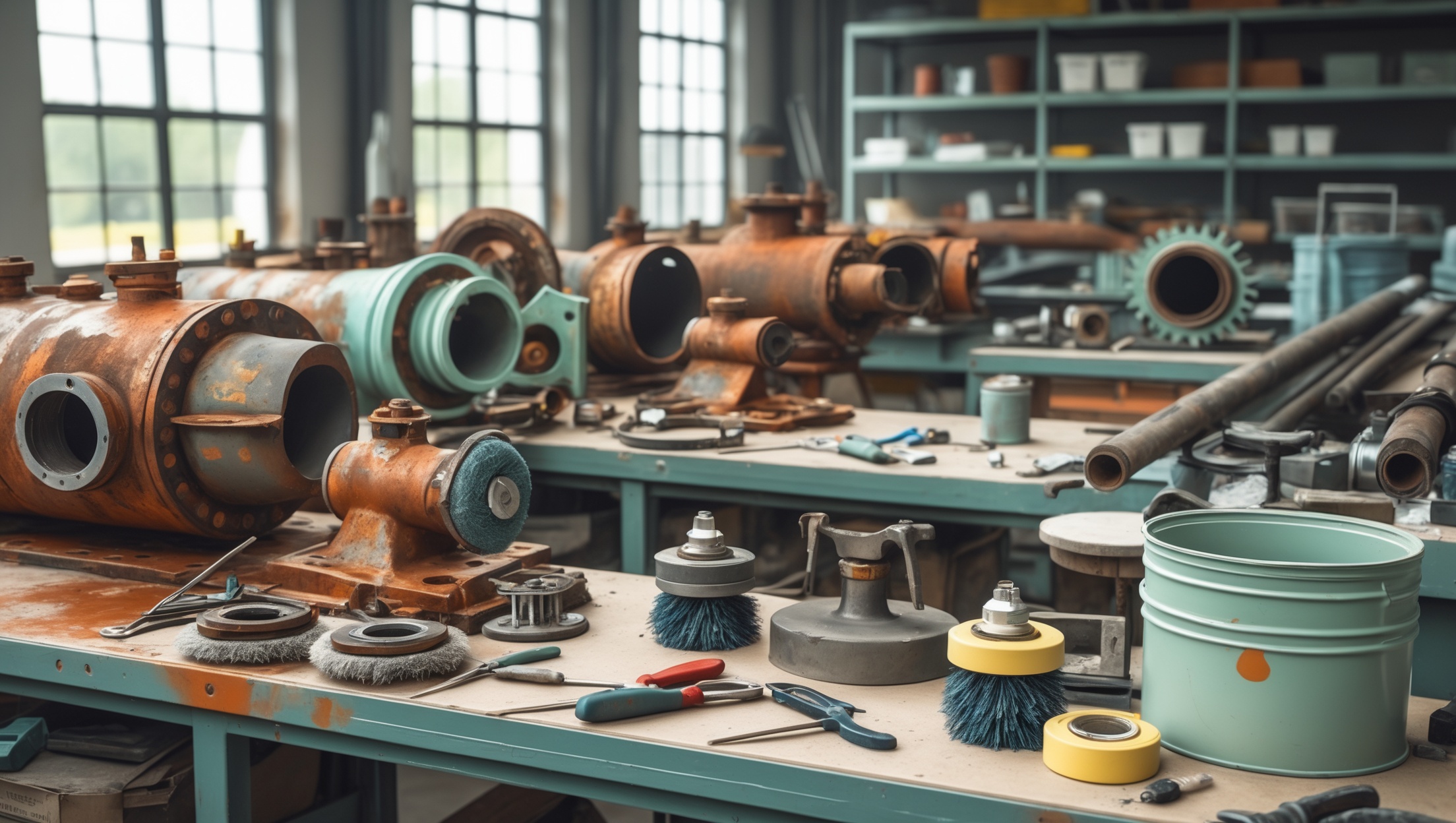
- Wire Brushes: For initial rust and paint removal; choose various sizes for nooks and flat surfaces.
- Metal Files: Smooth sharp edges and refine details after cutting.
- Hacksaws & Metal Snips: For cutting thin sheet metal or pipes; snips are best for curves.
- Clamps & Vises: Secure workpieces safely during cutting, grinding, or welding.
Power Tools
- Angle Grinder: Versatile for cutting, grinding, and cleaning metal; use appropriate discs (cutting, grinding, flap, wire brush).
- Orbital Sander: For smoothing larger surfaces after paint or rust removal.
- Drill & Metal Drill Bits: For making mounting holes, ventilation, or design accents.
- Welder (Optional): MIG or stick welders allow joining parts for furniture or sculpture. Beginners may start with bolting or riveting.
Safety Gear
- Heavy-duty Gloves: Protect from sharp edges and hot surfaces.
- Eye Protection: Essential for grinding, cutting, and any rust removal.
- Respirator or Dust Mask: Guard against fine metal dust and old paint particles.
- Hearing Protection: Especially when using grinders or saws.
Assessing and Preparing Salvaged Metal
Inspection Checklist
- Check for excessive rust or pitting that could compromise structural integrity.
- Test for hazardous coatings (e.g., lead paint)—use home test kits or consult a professional if in doubt.
- Assess if metal is bent, cracked, or warped; some defects are restorable, others may be unsafe.
- Identify previous welds, repairs, or attachments that may need removal.
Initial Cleaning
Remove loose dirt and debris with a stiff brush and soapy water. For greasy residues, use a degreasing agent or a 1:1 mix of vinegar and water. Dry thoroughly to prevent further rusting before deeper restoration.
Rust Removal: Methods & Best Practices
Manual Rust Removal
- Wire Brushing: Use hand or drill-mounted wire brushes to strip surface rust and flaking paint.
- Sandpaper & Emery Cloth: Work through grits (start with 60–80, finish at 180–220) for a smooth, paint-ready surface.
Chemical Rust Removal
- White Vinegar Soak: Submerge small items overnight, then scrub away loosened rust.
- Citric Acid: Dissolve powder in water for a safe, effective soak (ideal for nuts, bolts, or intricate objects).
- Commercial Rust Removers: Use as directed; opt for biodegradable, non-toxic formulas when possible. Always wear gloves and ensure ventilation.
Electrolytic Rust Removal
For heavily rusted iron or steel, create a simple electrolytic bath using a plastic tub, water, washing soda, and a battery charger. Attach the negative lead to your piece, positive to a sacrificial steel rod, and let the current break down rust over several hours. This process is highly effective but requires careful setup and monitoring. Never use stainless steel as the sacrificial anode due to toxic byproducts.
Surface Preparation: Smoothing, Filling & Priming
Smoothing & Leveling
- After rust removal, use a flap disc or orbital sander for large, flat surfaces to achieve a uniform finish.
- For edges and curves, metal files and fine sandpaper are ideal.
- Vacuum or wipe down all surfaces to remove abrasive dust before priming.
Filling Holes and Pits
- For deep pitting, apply a metal epoxy or body filler—work quickly, as most set within minutes.
- After curing, sand the repaired area flush with the surrounding metal.
Priming for Paint or Clear Finish
- Choose a rust-inhibiting metal primer—spray or brush-on types are both effective.
- If leaving raw metal exposed, apply a clear lacquer or wax designed for metal to prevent oxidation.
Joining & Shaping Salvaged Metal
Non-Welding Techniques
- Bolting: Drill holes and use galvanized or stainless bolts; ideal for modular or adjustable projects.
- Riveting: Suitable for flat sheets or overlapping joints—manual or pop rivets are strong and decorative.
- Adhesives: Industrial-grade epoxy can bond metal to metal or mixed materials (wood, glass, ceramic).
Basic Welding Tips
- For those comfortable with welding, MIG is user-friendly for thin to medium gauge salvage.
- Always clean joining edges thoroughly—paint, rust, or oil can compromise welds.
- Practice on scrap before attempting critical joins; inconsistent salvage thicknesses require careful adjustment of settings.
Creative Upcycling Projects: Ideas & Execution
Project Ideas
- Industrial Shelving: Repurpose angle iron and grates for strong, character-filled storage.
- Garden Planters: Cut and seal old drums or pipes; drill drainage holes and paint for rust protection.
- Art & Decor: Assemble gears, plates, and rods into wall sculptures or functional hooks and racks.
- Outdoor Furniture: Weld or bolt frames from bed rails, fencing, or locker parts; add a wood or glass top for tables.
Execution Tips
- Plan all cuts and joins in advance; dry-fit pieces before final assembly.
- Mark measurements clearly with a scribe or permanent marker (chalk can rub off on metal dust).
- Test structural stability, especially for load-bearing items—never compromise on safety for aesthetics.
Rustproofing & Finishing Salvaged Metal
Painting
- After priming, apply at least two coats of weather-resistant metal paint—spray for a smooth finish, brush for texture.
- Allow proper drying time between coats to prevent drips and ensure durability.
Sealing Raw Metal
- Use clear lacquer (acrylic or polyurethane) for an industrial, modern look that showcases natural patina.
- Apply microcrystalline wax for an eco-friendly, matte protective layer on indoor pieces; reapply annually.
Specialty Finishes
- Patinas: Apply chemical or heat treatments to create dramatic color variations—seal after achieving the desired effect.
- Powder Coating: For outdoor or high-wear items, powder coating offers superior rust protection but requires professional service.
Maintenance: Caring for Upcycled Metal Projects
- Inspect pieces seasonally for chips, scratches, or rust breakthrough—touch up promptly to prevent spread.
- Clean with mild soap and water; avoid harsh chemicals that strip protective coatings.
- For outdoor projects, reapply sealants or paint every 1–2 years depending on exposure.
- Store smaller items indoors during wet seasons to prolong lifespan.
Conclusion: Making Metal Upcycling a Sustainable Success
Upcycling salvaged metal is an exceptionally rewarding practice that combines creative expression with environmental responsibility. Mastering the right tools, restoration methods, and rustproofing techniques not only ensures your projects are beautiful, but also safe and long-lasting. Each piece of reclaimed metal tells a story—by respecting its history, prepping surfaces meticulously, and applying durable finishes, you prevent waste and add unique value to your home or workspace. Remember, the keys to successful metal upcycling are patience, protective measures, and a willingness to experiment with both traditional and innovative techniques. Sustainable living isn’t about perfection, but about continual improvement and thoughtful resource use. As you grow more confident in your skills, consider sharing your knowledge or collaborating with others to further promote creative salvage as a lifestyle. With every project, you’re not just saving metal from the landfill—you’re forging lasting change in your community and the planet. Happy upcycling!