
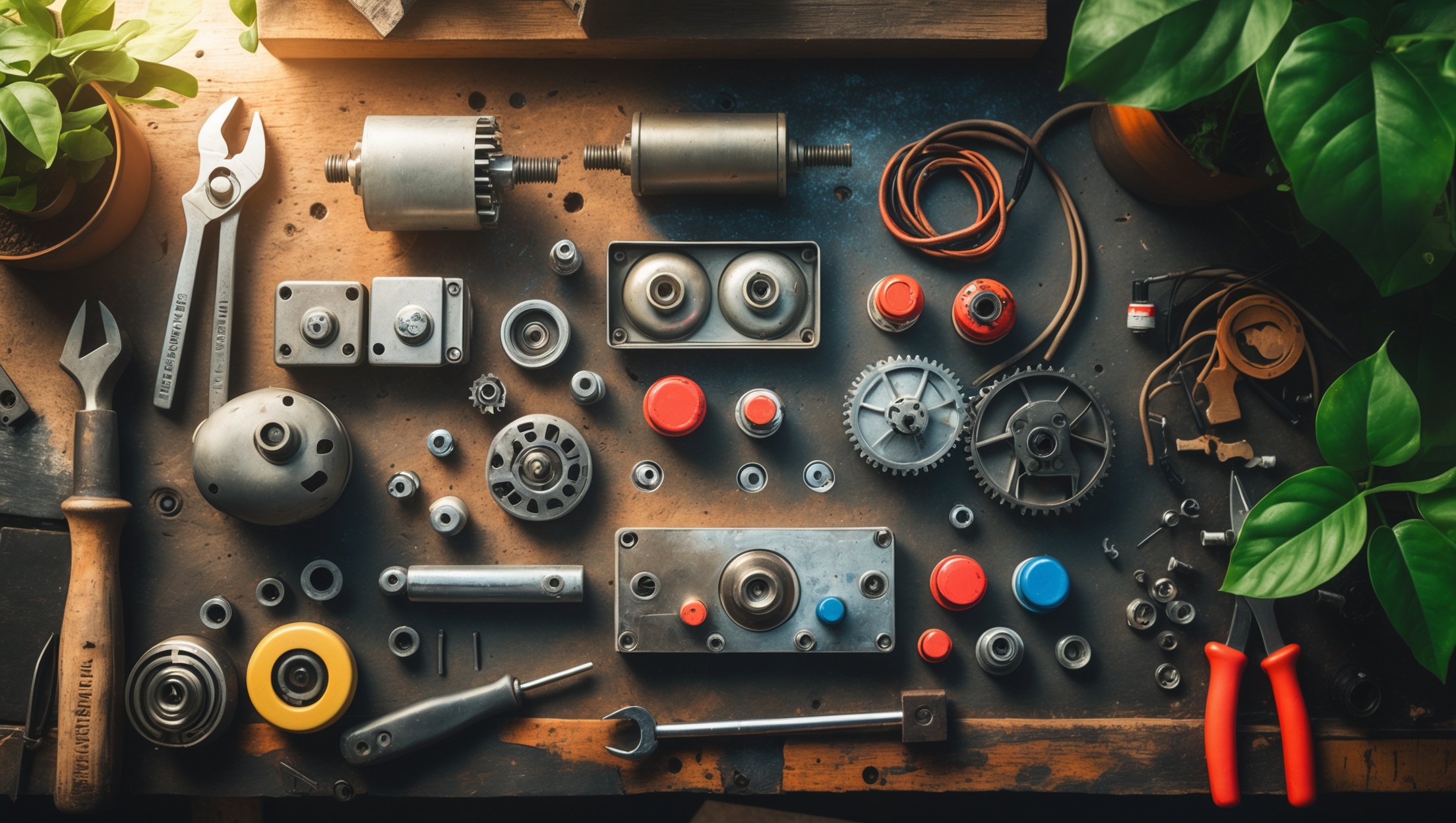
Introduction: Unleashing the Power of Salvaged Appliance Parts
When most people think of upcycling, they picture transforming old furniture or repurposing discarded pallets. But there’s a treasure trove of creative potential hiding inside the appliances we discard every day. Salvaged appliance parts—motors, gears, switches, panels, and more—offer unique, robust components for makers, DIYers, and eco-conscious creatives. By upcycling these parts, you not only divert waste from landfills but also unlock affordable materials for inventive, sustainable projects. This guide dives deep into the world of appliance part salvage, revealing practical restoration tips, inspiring project ideas, and essential safety and environmental considerations. Whether you’re a weekend tinkerer or an experienced upcycler seeking new challenges, this post will help you optimize your finds, avoid common pitfalls, and contribute to a greener world through creative reuse.
Why Salvaged Appliance Parts?
Environmental Impact
Every year, millions of appliances are sent to the landfill, many containing metals and plastics that take centuries to decompose. Salvaging and upcycling appliance parts reduces demand for new resources and minimizes toxic e-waste. Components like motors, wiring, and circuit boards can often be repurposed, extending their lifecycle and reducing your ecological footprint.
Unique Materials and Functionality
Unlike raw materials, appliance parts are built for durability and precision. Motors from washing machines, heating elements from toasters, and even dials from old ovens can become the backbone of innovative projects. These parts are often expensive or hard to source new, making salvage both economical and practical for one-of-a-kind creations.
Where and How to Source Salvaged Appliance Parts
Best Places to Find Appliance Parts
- Appliance Repair Shops: Many shops discard non-repairable units but keep parts—ask if you can browse their scrap.
- Municipal Recycling Centers: E-waste drop-offs often yield a steady stream of appliances.
- Curbside Bulk Pickup: Scheduled neighborhood pickups are great opportunities to spot discarded appliances.
- Online Marketplaces: Platforms like Craigslist, Facebook Marketplace, and Freecycle often feature free or cheap appliances for pickup.
- Local Dumpsters and Landfills: With proper permissions, these can be sources for parts, especially at transfer stations with separated electronics.
What to Look For
- Age and Condition: Aim for appliances less than 20 years old for easier part interoperability; visually inspect for corrosion or damage.
- Brand Reputation: High-end brands often use more durable components.
- Missing Parts: Avoid appliances missing essential pieces you need, unless you have spares.
Essential Tools & Equipment for Salvaging Appliance Parts
Having the right tools makes disassembly safer and more efficient. Here’s a list for beginners and advanced upcyclers:
- Screwdrivers: Phillips, flathead, Torx, and security bits.
- Pliers: Needle-nose, slip-joint, locking.
- Wire Cutters and Strippers: For electrical components and wiring harnesses.
- Socket Set: Common for removing bolts in motors and assemblies.
- Multimeter: Essential for testing electrical parts before reuse.
- Magnetic Tray: Keeps small screws and fasteners organized.
- Labeling Supplies: Tape and markers for tagging wires and components.
- Protective Gear: Gloves, safety glasses, dust mask.
Pro Tips for Safe Disassembly
- Always unplug appliances and discharge capacitors before working—high voltage capacitors (e.g., in microwaves) can be dangerous.
- Work in a well-ventilated area to avoid exposure to dust or chemical residues.
- Photograph wiring and assemblies before removing parts for easier reassembly or identification.
Restoration and Cleaning: Bringing Salvaged Parts Back to Life
Cleaning Techniques
- Metal Parts: Remove rust with wire brushes or vinegar soaks; polish with fine steel wool or metal polish.
- Plastic Components: Clean with mild soap and water; avoid harsh solvents that can weaken plastics.
- Electrical Contacts: Use isopropyl alcohol and cotton swabs to clean connectors and switches.
- Motors and Moving Parts: Lubricate bearings with light machine oil after cleaning.
Testing Salvaged Electrical Components
- Use a multimeter to check for continuity in switches and wires.
- Test motors with appropriate voltage, ensuring they spin freely and don’t overheat.
- Inspect heating elements for breaks or corrosion before attempting reuse.
Creative Upcycling Project Ideas Using Appliance Parts
1. DIY Small Appliances
- Bench Grinders: Repurpose washing machine motors for hobbyist grinders or polishers.
- Mini Fans: Convert old computer or microwave fans into compact desk fans.
2. Lighting and Decor
- Industrial Lamps: Use drum parts, switches, and heat-resistant wiring for unique, functional lighting.
- Wall Art: Arrange gears, springs, and panels into modern, upcycled artwork.
3. Furniture Enhancements
- Adjustable Tables: Use motorized actuators from recliners or hospital beds to create height-adjustable desks.
- Appliance Handles: Repurpose fridge or oven handles as towel bars or cabinet pulls.
4. Garden and Workshop Tools
- Compost Aerators: Convert old mixer motors to power small garden tools.
- Planters: Use stainless steel drums from washing machines as durable, rust-resistant planters.
5. Educational STEM Projects
- Robotics: Salvaged motors and gears are perfect for DIY robots or mechanical models.
- Wind Turbine Models: Use fan blades and small motors to build demonstration turbines for classrooms.
Compliance, Safety & Environmental Considerations
While salvaging appliance parts is rewarding, it’s critical to observe safety and legal guidelines:
- Hazardous Substances: Appliances may contain lead solder, mercury switches, or refrigerants. Never open sealed compressors or handle unknown fluids without proper training.
- Disposal: Recycle non-reusable parts responsibly; many municipal centers accept e-waste.
- Electrical Codes: Projects involving mains power must comply with local electrical codes—consult a licensed electrician for installations.
- Permits: For commercial upcycling or large-scale projects, verify if permits are required in your area.
Maintenance and Longevity of Upcycled Appliance Part Projects
Preventive Maintenance Tips
- Clean moving parts regularly and lubricate as needed.
- Check electrical connections for corrosion or wear every few months.
- Replace fuses or circuit protection devices if you notice irregular operation.
- Keep your project dry and free from dust to extend component life.
Troubleshooting Common Issues
- Motors Not Spinning: Check for blockages, test for voltage, and inspect brushes.
- Lights Flickering: Re-seat all connections and test bulbs or LEDs.
- Noise or Vibration: Tighten mounting bolts and inspect for worn bearings.
Showcase: Real-World Upcycling Successes
Across the globe, creative individuals and businesses are harnessing salvaged appliance parts for sustainable innovation:
- Community Makerspaces: Many fab labs and makerspaces host appliance teardown days, supplying parts for workshops and creative builds.
- Eco-Friendly Startups: Businesses are developing upcycled kitchen gadgets and lighting fixtures, showcasing the market value of well-executed appliance part projects.
- Education Initiatives: Schools and STEM clubs use salvaged motors and sensors to teach engineering concepts while promoting sustainability.
Conclusion: Transforming Waste into Sustainable Value
Upcycling salvaged appliance parts isn’t just a pathway to creative, budget-savvy projects—it’s a powerful statement for sustainability. Each motor, switch, or panel you repurpose keeps valuable materials in use and out of the landfill. By learning to identify, safely dismantle, and restore these components, you unlock a world of inventive possibilities, from functional workshop tools to eye-catching home decor and educational prototypes. The process is rich with opportunities to develop technical skills, foster community, and reduce environmental impact. Whether you’re constructing a custom lamp from a washing machine drum or powering a garden tool with an old mixer motor, your efforts contribute meaningfully to a circular economy. So, next time you see a discarded appliance, imagine the potential within—and start building a more sustainable future, one salvaged part at a time.