
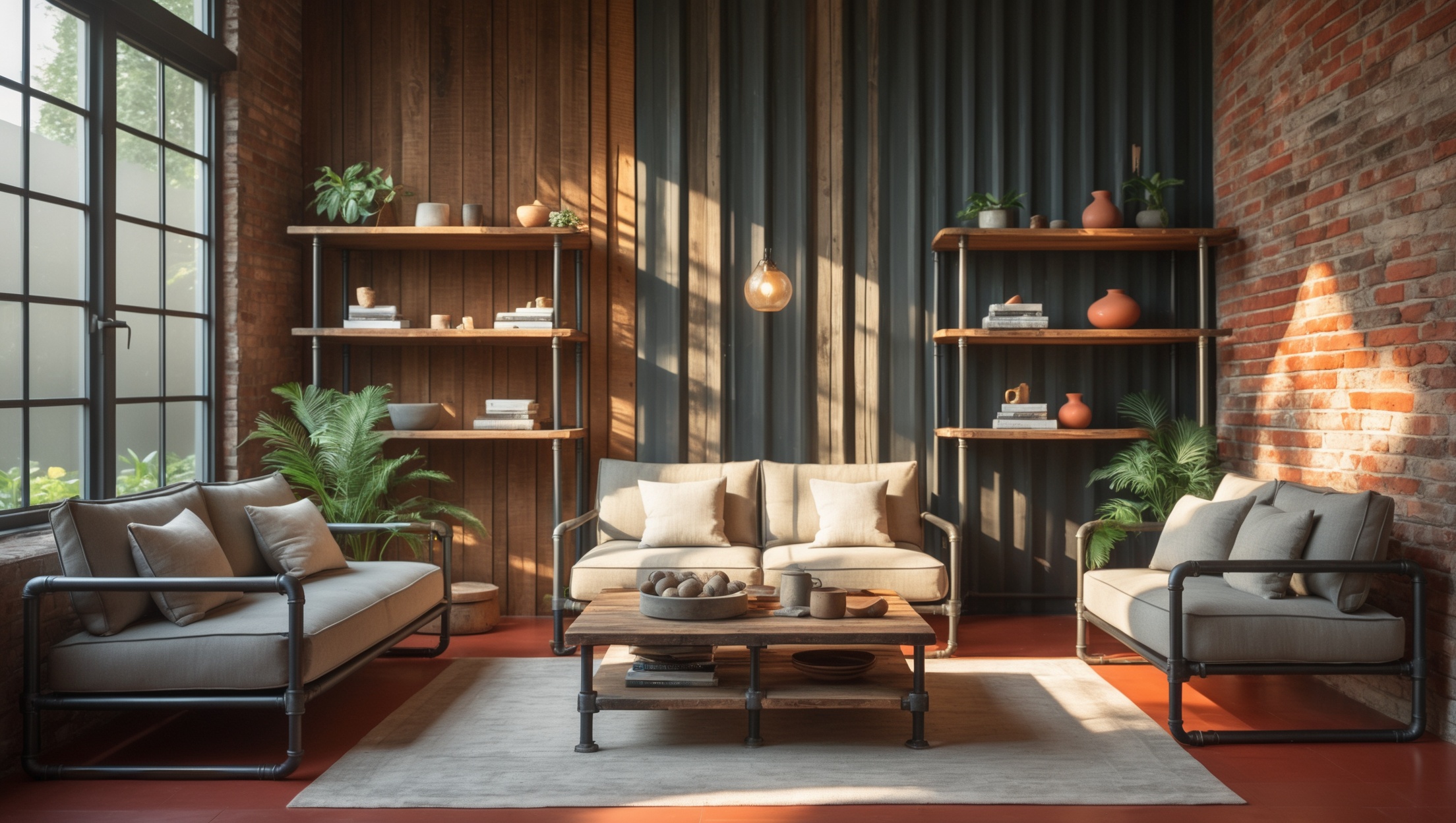
Introduction: The Sustainable Potential of Salvaged Industrial Pipe
When most people see discarded industrial pipe—whether steel, copper, or iron—they see scrap destined for the recycling yard. But in the hands of creative upcyclers, these robust materials become the backbone of unique, sustainable home decor. This case study dives deep into the transformation of salvaged industrial pipe into functional and stylish pieces for modern living spaces. We’ll cover everything from sourcing and preparation, through design and assembly, to finishing techniques and ongoing care. Whether you’re an experienced maker or a DIY enthusiast, this guide offers actionable insights to help you harness the eco-friendly potential of industrial salvage, reduce environmental impact, and add character to your home. Let’s explore how you can turn humble pipework into statement furniture, clever storage solutions, and conversation-starting accents—without compromising on safety, style, or sustainability.
Sourcing Salvaged Industrial Pipe: Where and What to Look For
Best Places to Find Quality Pipe
- Demolition and Renovation Sites: Often yield steel or copper piping in usable lengths. Always request permission before salvaging.
- Plumbing Supply Yards: Some sell offcuts or used pipe inexpensively.
- Scrap Metal Dealers: A reliable source for a variety of pipe types; buy by weight or per piece.
- Online Marketplaces: Local classifieds (e.g., Craigslist, Facebook Marketplace) often list batches of pipe at low cost.
- Industrial Auctions: Factories closing down may auction off surplus or unused pipe.
Pipe Materials and Their Best Uses
- Steel Pipe: Highly durable, excellent for shelving, frames, and table legs.
- Copper Pipe: Offers a warm, decorative finish; great for lighting, towel racks, and smaller furniture.
- Iron Pipe: Strong but prone to rust; best for industrial-style projects where patina is desired.
- Galvanized Pipe: Resists corrosion, ideal for outdoor projects, but requires careful handling due to zinc coating.
Assessing Quality and Suitability
Inspect pipe for excessive corrosion, deep pitting, or structural damage. Avoid pipe previously used for hazardous materials (e.g., chemical lines). Short sections, bends, and fittings can add character or utility to your designs.
Essential Safety and Preparation Steps
Cleaning Salvaged Pipe
- Wear gloves and safety goggles at all times.
- Scrub off loose debris with a wire brush.
- Soak in a vinegar or citrus-based solution to break down rust and scale.
- Rinse thoroughly and dry completely to prevent flash rusting.
Dealing with Rust and Old Coatings
- For surface rust, use medium-grit sandpaper or a rotary tool with a wire wheel.
- Strip old paint with an eco-friendly paint remover—avoid harsh chemicals that may leave residues.
- For heavy rust, consider electrolysis or professional sandblasting.
Cutting and Drilling
- Use a pipe cutter for precision and safety; avoid hacksaws unless necessary.
- Clamp pipe securely before cutting or drilling.
- Deburr all cut edges using a metal file to prevent injury during assembly and use.
Design Inspiration: Creative Uses for Salvaged Pipe
Open Shelving Units
Combine sections of steel or galvanized pipe with reclaimed wood planks to create open shelving. Adjustable floor-to-ceiling designs can serve as room dividers, while wall-mounted units maximize storage in kitchens, bathrooms, or home offices.
Industrial-Style Lighting
Copper and steel pipe are perfect for custom pendant lights or sconce bases. Use threaded fittings to build modular arms, then add vintage-style bulbs for warmth and ambiance. Ensure all electrical work meets safety codes.
Tables and Desks
Pipe legs and frames provide sturdy, minimalist bases for dining tables, desks, or coffee tables. Mix and match pipe finishes with reclaimed wood or glass for a balanced industrial-meets-modern look.
Coat Racks and Towel Bars
Wall-mounted or free-standing racks made from short pipe sections and flanges add rugged charm to entryways, bathrooms, or laundry rooms. Copper pipe offers a rust-resistant, elegant option for humid environments.
Planter Stands and Garden Structures
Galvanized or painted steel pipe can be configured into custom plant stands, trellises, or raised bed frames. Weatherproof with exterior-grade sealant for longevity outdoors.
Step-by-Step Case Study: Building a Salvaged Pipe Bookcase
Materials and Tools Needed
- Salvaged steel or galvanized pipe (variety of lengths, 1″ diameter recommended)
- Pipe fittings (elbows, tees, floor flanges)
- Reclaimed wood shelves (depth 10–12″)
- Pipe cutter, drill, metal file
- Level, measuring tape, pencil
- Screws and wall anchors (if wall-mounted)
- Protective gloves and goggles
1. Plan and Measure
Sketch your bookcase design. Measure available wall space and determine the number and spacing of shelves. Mark stud locations if mounting to a wall for stability.
2. Prepare Pipe and Fittings
Cut pipe to desired lengths for vertical supports and horizontal shelf brackets. Clean and deburr all ends. Assemble fittings loosely to test fit and make adjustments.
3. Assemble Frame
Attach flanges to the base of vertical pipes for floor or wall mounting. Use tees and elbows to connect horizontal supports. Check alignment with a level before tightening all fittings.
4. Add Shelves
Place reclaimed wood planks atop the horizontal supports. Secure with pipe straps or screws as needed, ensuring each shelf is level and firmly attached.
5. Finishing Touches
Wipe down all pipe surfaces with a clean, dry cloth. Apply a clear matte sealant to prevent future rust and enhance the patina. For wood shelves, finish with an eco-friendly oil or wax.
Advanced Tips for Unique Creations
Mixing Materials
Don’t limit yourself to metal and wood—incorporate glass panels, stone slabs, or upcycled hardware for distinctive details. Experiment with contrasting textures for visual interest.
Combining Pipe Types
Mix and match copper, steel, and iron pipe for a layered, eclectic look. Use couplings and reducers to join pipes of different diameters where structural strength allows.
Creative Finishes
- Polishing: Buff copper or steel with a polishing compound for a bright, reflective surface.
- Patina Effects: Use natural acids (such as vinegar and salt) to accelerate patina on copper for a green-blue finish, or on steel for a weathered look.
- Painting: Apply high-quality metal paint in matte black, bronze, or custom colors to match your decor.
Modular and Mobile Designs
Integrate casters into the base for mobile shelving or workbenches. Use threaded connectors for easy disassembly and reconfiguration, ideal for renters or evolving spaces.
Maintenance and Longevity: Keeping Upcycled Pipe Decor in Top Condition
Routine Cleaning
- Dust regularly with a soft cloth or vacuum brush attachment.
- For stubborn grime, use a damp cloth with mild soap; dry immediately to prevent rust.
Rust Prevention and Treatment
- Inspect joints and exposed areas for rust every few months.
- Touch up with clear sealant or metal paint as needed.
- For minor rust spots, sand lightly and re-seal.
Structural Checks
Tighten all threaded fittings annually to keep joints secure, especially on furniture and shelving. Replace worn or corroded components promptly to maintain safety and aesthetics.
Eco-Impact: The Environmental Benefits of Upcycling Pipe
Reducing Waste
By diverting industrial pipe from the waste stream, you minimize landfill contributions and the energy-intensive recycling process. Each upcycled piece represents a tangible reduction in resource consumption.
Longevity and Durability
Upcycled pipe furniture is built to last. Unlike many mass-produced furnishings, these pieces can be repaired, reconfigured, or refinished—extending their useful life for decades.
Supporting Local Economy
Sourcing pipe locally supports scrap dealers and reduces the carbon footprint associated with transporting new materials. Selling or gifting your creations can further promote sustainable values within your community.
Conclusion: Start Your Own Salvaged Pipe Project
Salvaged industrial pipe is more than just a utilitarian building material—it’s a blank canvas for sustainable creativity. By thoughtfully sourcing, preparing, and upcycling discarded pipe, you can craft home decor that’s both functional and deeply personal. Each project not only prevents waste but also showcases the beauty of reclaimed materials and the value of hands-on craftsmanship. Whether you’re building a minimalist shelving unit, a statement table, or a custom lighting fixture, the principles covered in this case study will guide you toward success. Remember to prioritize safety at every step, invest time in quality finishes, and maintain your creations to ensure they stand the test of time. Most importantly, let your imagination drive you—there are endless ways to reimagine industrial pipe for sustainable living. Start your project today and make a tangible difference, one upcycled piece at a time.


