Introduction: Why Safety Is the Foundation of Creative Salvage
Upcycling and creative salvage aren’t just about breathing new life into discarded materials—they’re about doing so with care, ingenuity, and a respect for both the environment and your own well-being. While the thrill of transforming old doors into rustic tables or repurposing industrial scraps into one-of-a-kind décor pieces is undeniable, it’s essential to remember that salvage work brings unique safety challenges. From exposure to hazardous substances to working with unfamiliar or deteriorated materials, each project demands thoughtful precautions. Whether you’re a weekend DIY enthusiast or a seasoned salvage entrepreneur, understanding and applying robust safety measures is the key to sustainable, enjoyable, and injury-free upcycling. In this comprehensive guide, you’ll learn how to identify potential hazards, choose and use protective gear, set up a safe workspace, handle tools and materials responsibly, and establish habits that support safe, creative salvage for years to come.
Understanding the Unique Risks of Salvaged Materials
Salvaged materials come with a history—and sometimes, hidden dangers. Unlike new lumber or factory-fresh hardware, reclaimed items may harbor contaminants, structural weaknesses, or sharp edges. Recognizing these risks early is the first step in safe upcycling.
Common Hazards in Salvage Work
- Lead Paint: Found in pre-1978 woodwork, windows, and doors. Sanding or stripping old paint can release toxic dust.
- Asbestos: Present in some vintage tiles, insulation, and adhesives. Disturbing asbestos can pose severe respiratory risks.
- Rust and Corrosion: Metal objects may have sharp, weakened areas, increasing the risk of cuts or collapse during handling.
- Mold and Mildew: Salvaged wood, upholstery, or drywall may be contaminated from prolonged exposure to moisture.
- Nails, Screws, and Sharp Edges: Hidden fasteners and splinters can cause injuries if not carefully removed or protected against.
- Chemical Residues: Industrial salvage may carry oils, solvents, or unknown substances.
Before any upcycling project, conduct a thorough inspection. If you suspect hazardous materials like lead or asbestos, consult a certified professional for testing and safe handling or disposal.
Personal Protective Equipment (PPE): Your First Line of Defense
PPE isn’t just for professionals—it’s essential for every upcycling enthusiast. The right gear can prevent everything from minor scrapes to serious respiratory issues.
Must-Have Protective Gear for Salvage Projects
- Safety Glasses or Goggles: Protect your eyes from dust, flying debris, and splinters, especially when sawing, sanding, or hammering.
- Gloves: Choose heavy-duty work gloves for handling rough materials and thinner, chemical-resistant gloves for finishing work.
- Respirators and Dust Masks: Use a properly fitted NIOSH-approved respirator when sanding, stripping, or working with potentially hazardous dust. Simple cloth masks are insufficient for lead or asbestos.
- Hearing Protection: Power tools can exceed safe decibel levels—use earmuffs or earplugs as needed.
- Steel-Toe Boots: Protect your feet from dropped tools, heavy objects, and sharp debris.
- Long Sleeves and Pants: Minimize skin exposure to irritants, splinters, and sharp edges.
Regularly inspect PPE for damage and replace items that show signs of wear. Store gear in a clean, dry area away from direct sunlight and chemicals.
Preparing a Safe and Efficient Workspace
Your workshop layout can dramatically reduce safety risks. An organized, well-lit space minimizes accidents and supports efficient workflow.
Key Elements of a Safe Salvage Workshop
- Ventilation: Ensure adequate airflow to disperse dust and fumes. Use exhaust fans, open windows, or work outdoors whenever possible.
- Lighting: Bright, even lighting helps you spot hazards and work with precision. Supplement natural light with LED task lights.
- Clear Walkways: Keep floors free of debris, cords, and offcuts. Designate zones for cutting, sanding, and assembly.
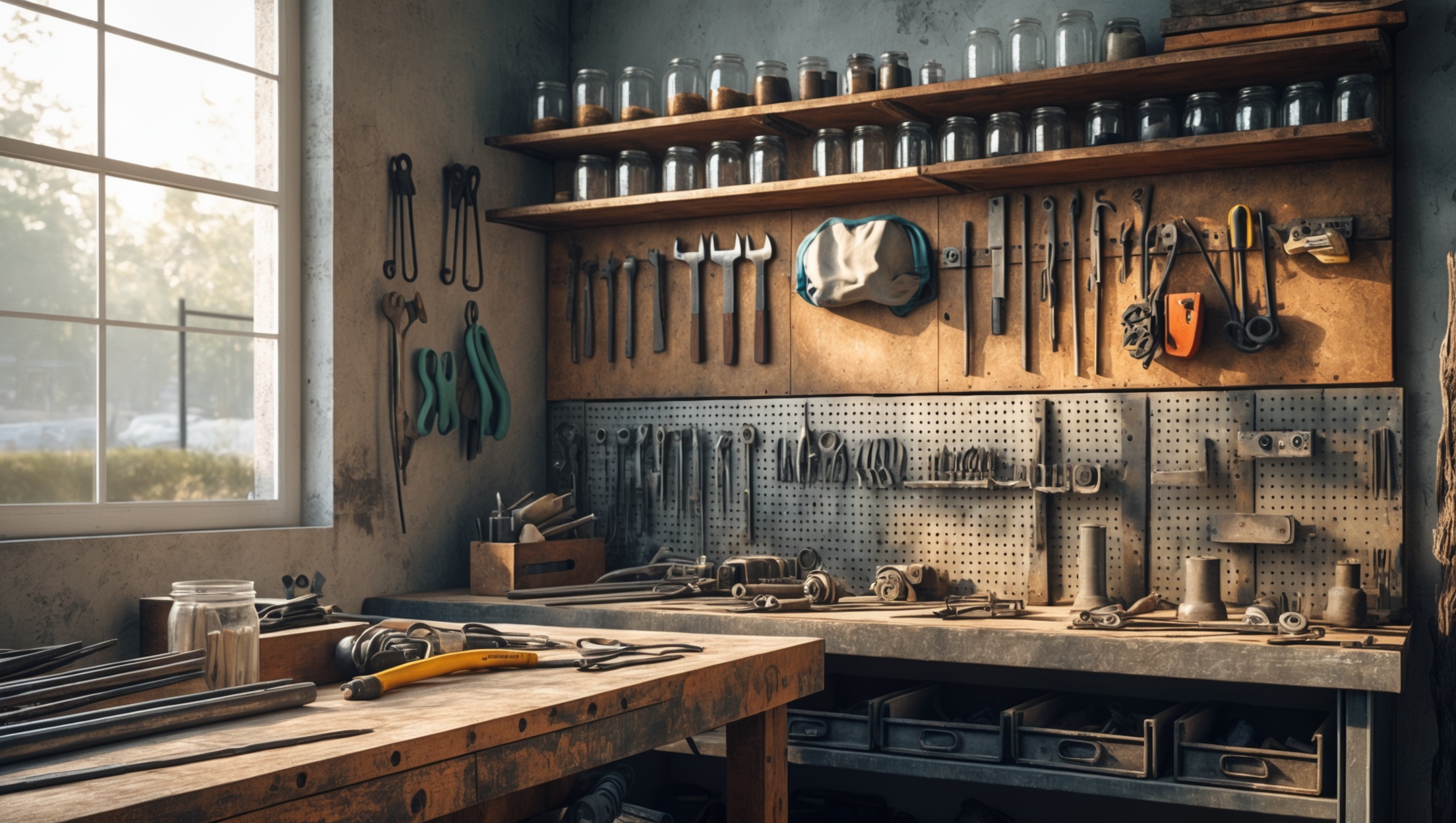
- Tool Organization: Store sharp tools in designated racks or drawers. Use magnetic strips for metal tools and bins for fasteners.
- Fire Safety: Keep a multipurpose fire extinguisher accessible. Store flammable solvents in approved safety containers.
- First Aid Kit: Stock with bandages, antiseptics, tweezers, burn cream, and eye wash. Know where it is—don’t bury it under clutter.
Regularly sweep and declutter your space. Make a habit of cleaning up after each session to maintain a safe working environment.
Safe Tool Handling and Maintenance
Even the most basic hand tools can cause injury if mishandled. Power tools add further risks—kickback, electrical shock, and more. Respect your tools, and they’ll serve you well.
Hand Tools: Safety Fundamentals
- Inspect tools before use. Tighten loose handles and replace cracked or damaged items.
- Use the right tool for the job—don’t improvise with the wrong screwdriver or hammer.
- Keep blades and bits sharp. Dull tools require more force and are more likely to slip.
- Store tools securely after use to prevent falls or accidental contact.
Power Tools: Advanced Precautions
- Read the manual for each tool, even if you’re experienced. Features and safety mechanisms can vary.
- Check cords and plugs for frays or exposed wires. Use a GFCI outlet for outdoor or damp environments.
- Wear appropriate PPE—eye, ear, and respiratory protection are often essential.
- Clamp materials securely before cutting, sanding, or drilling.
- Disconnect tools from power when changing blades or making adjustments.
- Never bypass safety guards or disable tool features.
Schedule regular maintenance for your equipment. Clean sawdust and debris from moving parts, lubricate as recommended, and store tools in a dry location.
Material Handling and Storage: Minimizing Risks
Salvaged materials vary in size, weight, and stability. Safe handling techniques prevent injuries and preserve valuable finds.
Lifting and Moving Salvaged Items
- Assess the weight and balance of each item before lifting. Don’t attempt to lift heavy objects alone—use a dolly or get help.
- Bend your knees, keep your back straight, and lift with your legs, not your back.
- Watch for protruding nails or sharp edges. Remove or cover hazards before moving items.
- Wear gloves and boots to protect hands and feet from splinters and dropped materials.
Safe Storage Solutions
- Stack materials securely to prevent tipping. Store heavy items low to the ground.
- Separate different material types (wood, metal, glass) to avoid cross-contamination and damage.
- Label materials with known hazards, such as “lead paint” or “contains asbestos—do not disturb.”
- Keep chemicals and flammable items in approved storage cabinets away from heat sources.
Regularly inspect stored materials for mold, pests, or deterioration. Address issues promptly to maintain a safe and healthy workspace.
Hazardous Materials: Identification and Safe Practices
Encountering potentially hazardous substances during salvage is not uncommon. Proactive identification and proper handling are essential to protect your health and comply with regulations.
Lead Paint
- Assume any paint applied before 1978 contains lead. Use lead test kits or consult a professional for confirmation.
- Never dry sand or burn off lead paint. Use wet sanding and chemical strippers designed for lead abatement.
- Wear a respirator, gloves, and disposable coveralls. Isolate the work area and clean up with a HEPA-filtered vacuum.
Asbestos
- If you suspect asbestos (in old tiles, cement board, insulation), do not disturb. Contact a certified asbestos abatement contractor.
- Never sand, drill, or cut materials that may contain asbestos.
Chemicals and Unknown Substances
- Identify labels and markings before handling. When in doubt, treat unknown substances with extreme caution.
- Use chemical-resistant gloves and eye protection when handling.
- Follow local regulations for disposal—never pour chemicals down the drain or into the soil.
Proper disposal of hazardous materials is essential for both safety and legal compliance. Contact your local waste authority for guidelines.
Fire Prevention and Emergency Preparedness
Salvage and upcycling often involve flammable materials and tools that generate sparks. Fires can start unexpectedly, so preparation is critical.
Fire Risk Reduction
- Keep work areas free of sawdust, oily rags, and solvent-soaked materials. Dispose of rags in metal, self-closing containers.
- Do not smoke or use open flames near flammable materials.
- Store solvents, paints, and other chemicals in approved containers, away from heat sources.
- Unplug power tools when not in use.
Emergency Planning
- Install smoke detectors in your workshop and test them monthly.
- Keep a fire extinguisher accessible and ensure you know how to use it (PASS: Pull, Aim, Squeeze, Sweep).
- Post emergency contact numbers and a basic evacuation plan.
- Learn basic first aid, especially for cuts, burns, and chemical exposure.
Review and update your emergency preparedness plan regularly, especially when starting new projects or introducing new materials.
Safe Upcycling with Children and Pets Around
Many upcyclers work from home, making it important to consider the safety of children and pets. Salvage projects can be fascinating for curious little hands—or paws—but are not playgrounds.
- Keep sharp tools and hazardous materials out of reach. Use locked cabinets or high shelves.
- Establish clear boundaries—consider child and pet gates for workshop entrances.
- Supervise children closely if they’re involved in age-appropriate upcycling tasks. Provide child-sized PPE and teach basic safety rules.
- Clean up after each session to remove small objects or debris that could pose choking or injury risks.
Educate your family about workshop hazards and safe practices to foster respect for your creative space.
Developing Safe Habits for Sustainable Salvage
Adopting a safety-first mindset is more than a checklist—it’s a daily practice that supports creative longevity. The following habits will help you stay safe while enjoying the full rewards of upcycling.
- Plan Before You Act: Assess risks and prepare the right tools and PPE before beginning each project phase.
- Work at a Comfortable Pace: Rushing leads to mistakes. Take breaks to avoid fatigue and maintain focus.
- Stay Informed: Keep up with best practices and changing safety guidelines. Attend local workshops or online trainings if available.
- Document Hazards: Keep a log of hazardous finds and how they were handled for future reference.
- Encourage a Safety Culture: If you upcycle with friends, family, or employees, model safe behavior and share knowledge openly.
Conclusion: Safety Empowers Sustainable Creativity
Embracing creative salvage is an act of environmental stewardship and personal expression, but it must always be underpinned by a deep commitment to safety. The nature of upcycling—working with unknown, aged, or industrial materials—means that each project brings its own set of risks. By proactively identifying hazards, equipping yourself with the right protective gear, and cultivating smart habits, you not only protect yourself and those around you but also set a standard for responsible, sustainable craftsmanship.
Remember, safety is not a one-time checklist but an ongoing practice. The most beautiful upcycled creations are those that are made thoughtfully, with respect for both the materials and your own well-being. Every time you don your safety goggles, carefully inspect a salvaged find, or maintain a tidy workspace, you’re investing in the longevity of your creative journey. Let safety guide your hands as you transform the discarded into the delightful, ensuring that your passion for sustainable living remains a source of joy, innovation, and inspiration for years to come.