
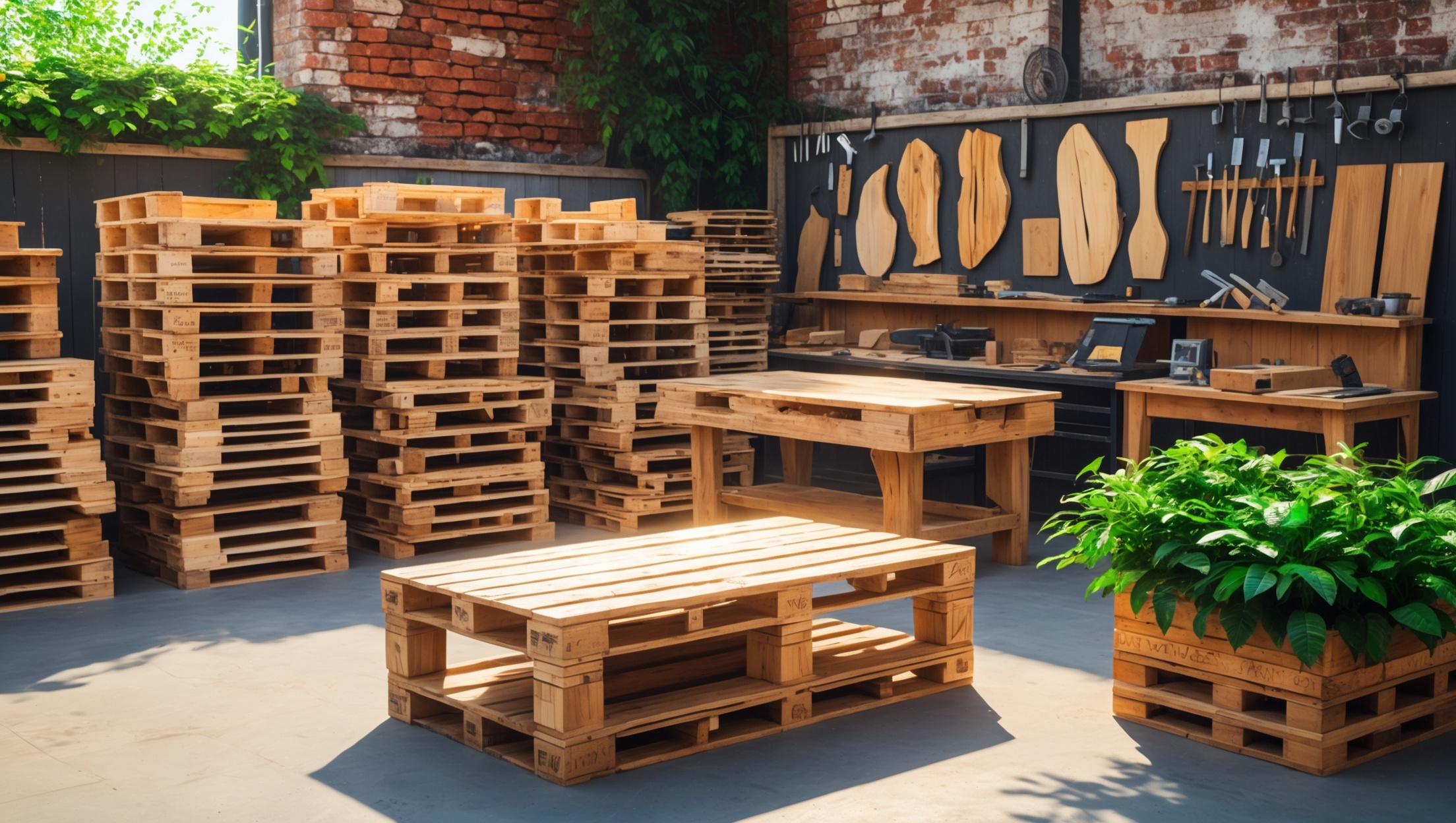
Introduction: The Untapped Potential of Salvaged Pallets
The humble wooden pallet is a ubiquitous symbol of shipping, logistics, and industry—often seen stacked behind warehouses or discarded at construction sites. Yet, for creative upcyclers, pallets represent a treasure trove of sustainable material waiting to be transformed. Salvaged pallets can be repurposed into everything from stylish furniture and outdoor planters to storage solutions and decorative accents. However, working with pallets is not as simple as grabbing a few boards and getting started. Ensuring safety, sourcing materials responsibly, and understanding essential preparation steps are critical to successful, sustainable results. This comprehensive guide dives deep into the world of upcycling salvaged pallets, providing beginner-to-advanced insights on sourcing, inspecting, prepping, and transforming pallets into unique, eco-friendly creations—all while making safety a top priority. Whether you’re a DIY enthusiast, a seasoned maker, or someone seeking to reduce your environmental footprint, this post empowers you to unlock the full potential of salvaged pallets for creative, sustainable living.
Understanding Pallet Types and Their Upcycling Potential
Common Pallet Materials
Pallets are most commonly constructed from softwoods like pine, spruce, or fir, but hardwoods such as oak and maple are also used, especially for heavier loads. Understanding the wood type helps you choose the right finishing techniques and project applications.
- Softwood Pallets: Lightweight, easy to work with, ideal for decorative items and indoor furniture.
- Hardwood Pallets: Denser, more durable—best for outdoor projects or pieces requiring extra strength.
Identifying Pallet Markings and Treatments
Pallets are often stamped with codes indicating their treatment methods and country of origin. Safety-conscious upcyclers should know how to read these markings:
- HT (Heat Treated): Wood has been heat-treated to kill pests—safe for most projects.
- MB (Methyl Bromide): Chemical treatment with a toxic pesticide—never use these pallets for upcycling, especially for indoor or garden projects.
- DB (Debarked): Indicates the wood has had its bark removed—no impact on safety.
- Unmarked Pallets: Often used domestically; inspect for cleanliness and origin.
Always avoid pallets with unknown or suspicious stains, strong chemical odors, or signs of mold.
Safe Sourcing: Where and How to Find Quality Salvaged Pallets
Responsible Sourcing Locations
- Local Businesses: Grocery stores, garden centers, hardware stores, and small manufacturing businesses often have surplus pallets. Always ask for permission before taking pallets.
- Construction Sites: Pallets used to transport bricks, tiles, or other materials may be available—again, seek permission and ensure the pallets are not reserved for return or reuse.
- Online Listings: Websites like Craigslist, Facebook Marketplace, and local community boards often list free or low-cost pallets.
- Recycling Centers: Some recycling facilities collect and offer wooden pallets for reuse or upcycling projects.
Red Flags to Watch Out For
- Contamination: Avoid pallets from industrial sites handling chemicals, pesticides, or hazardous materials.
- Visible Damage: Large cracks, rot, heavy staining, or signs of insect infestation compromise safety and structural integrity.
- Illegally Dumped Pallets: Never take pallets from private property or restricted areas without explicit permission.
Inspection and Preparation: Ensuring Safe, Usable Material
Step-by-Step Inspection Checklist
- Markings: Confirm HT stamp, avoid MB or chemical treatments.
- Cleanliness: Check for oil, paint, or chemical stains. Discard if present.
- Mold and Rot: Inspect for soft spots, powdery substances, or black/green mold. Discard affected pallets.
- Structural Soundness: Ensure boards are not split, cracked, or excessively warped.
- Insect Damage: Look for small holes, sawdust, or live pests. Avoid infested pallets.
Essential Tools for Dismantling Pallets
- Pry bar or pallet buster (purpose-built tool for separating boards with minimal damage)
- Hammer and mallet
- Crowbar for stubborn nails
- Reciprocating saw with demolition blades (ideal for cutting through nails rather than pulling them)
- Nail punch for removing embedded nails
- Gloves, safety goggles, dust mask
Dismantling Pallets: Safe and Efficient Methods
Start by placing the pallet on a stable surface. Use a pry bar or pallet buster to gently lift the deck boards from the stringers, working slowly to avoid splitting the wood. For boards that are nailed tightly, a reciprocating saw can be used to cut through the nails—this method preserves more of the wood. Always remove exposed nails using a hammer or nail punch, and inspect for hidden metal that could damage saw blades or injure hands during later processing.
Cleaning and Prepping Salvaged Boards
- Scrub boards with a stiff brush and soapy water to remove dirt and grime.
- Rinse thoroughly and allow to dry completely—preferably in sunlight for natural disinfection.
- Sand surfaces with coarse grit to remove splinters, then finish with fine grit for smoothness. A random orbital sander speeds up the process and delivers even results.
- Inspect again for embedded nails or staples after sanding.
- If using for food contact surfaces (e.g., kitchen shelves), consider sealing with food-safe oil or wax.
Pallet Upcycling Project Ideas: From Practical to Artistic
Simple Starter Projects
- Vertical Garden Planter: Use a single pallet, attach landscape fabric to the back and bottom, fill with soil, and plant herbs or succulents for a space-saving garden.
- Rustic Bookshelf: Stack pallet boards horizontally with spacers, secure to a wall, and finish with a natural stain for a charming, functional shelf.
- Outdoor Shoe Rack: Modify a small pallet by removing a few boards to create open shelves, sand smooth, and apply a weather-resistant finish.
Intermediate Creations
- Coffee Table: Combine two pallets, stack and secure with screws, add casters for mobility, and finish with a glass top for a modern industrial look.
- Garden Bench: Use stringers and deck boards to create sturdy seating with armrests, sand thoroughly, and seal for outdoor use.
- Compost Bin: Stand four pallets upright to form a square, secure corners with brackets or strong wire, and enjoy efficient garden composting.
Advanced and Artistic Projects
- Pallet Wall Feature: Arrange boards in a herringbone or chevron pattern on a plywood backing for a stunning accent wall.
- Outdoor Bar or Kitchen Island: Use multiple pallets to build a frame, add shelving, and top with a reclaimed countertop for entertaining in style.
- Custom Storage Solutions: Build modular shelving, tool racks, or bike stands tailored to your workshop or garage layout.
Design Tips: Enhancing the Beauty and Durability of Pallet Projects
Choosing the Right Finish
Pallet wood varies in species, age, and appearance. Highlight its unique character with the right finish:
- For a rustic look, use clear or lightly tinted wood oil to enhance grain patterns.
- For outdoor use, select exterior-grade sealants or paints to prolong life and resist weathering.
- For a sleek, modern finish, sand thoroughly and use water-based polyurethane for a smooth protective layer.
Combining with Other Salvaged Materials
- Incorporate reclaimed metal brackets for industrial flair.
- Pair with salvaged glass panels for tabletops or cabinet doors.
- Blend with upcycled hardware like drawer pulls, casters, or handles for added utility and style.
Joinery and Fastening Techniques
- Use pocket-hole joinery for strong, hidden connections.
- Reinforce corners with L-brackets or dowels for added stability.
- Pre-drill holes to prevent splitting when using screws or nails in aged pallet wood.
Safety Essentials for Pallet Upcycling
Personal Protective Equipment (PPE)
- Gloves: Protect hands from splinters, nails, and rough surfaces.
- Safety Goggles: Shield eyes from flying debris during cutting, sanding, or dismantling.
- Dust Mask or Respirator: Prevent inhalation of wood dust or residual chemicals.
- Hearing Protection: Use earplugs or muffs when operating power tools.
Tool and Workshop Safety
- Work in a well-ventilated area, especially when sanding or applying finishes.
- Secure boards with clamps to prevent movement during sawing or drilling.
- Keep a first aid kit handy for minor cuts or scrapes.
- Store tools safely; unplug power tools when not in use.
Safe Disposal of Waste
- Collect and dispose of old nails, staples, and metal debris responsibly—metal recycling centers accept these materials.
- Compost untreated sawdust or use as mulch; dispose of chemically treated sawdust in regular waste.
Maintaining and Repairing Pallet Projects
Routine Maintenance Tips
- Inspect outdoor pallet projects yearly for weathering, rot, or insect activity. Reapply sealant as needed.
- Tighten screws or replace hardware that loosens over time.
- Clean surfaces periodically with mild soap and water—avoid harsh chemicals that can degrade finishes.
Repair Strategies
- Replace individual boards showing signs of damage. Salvage new boards from other pallets if possible.
- Fill minor cracks or holes with wood filler, sand smooth, and refinish for seamless repairs.
- If structural integrity is compromised, disassemble and reuse undamaged boards in future projects.
Environmental Impact: Maximizing Sustainability with Pallet Upcycling
Upcycling pallets diverts substantial amounts of wood waste from landfills, reduces demand for new lumber, and conserves resources. To amplify your positive impact:
- Choose projects that maximize board usage and minimize offcuts or waste.
- Share surplus materials with other upcyclers or community workshops.
- Educate others on safe, sustainable pallet practices to build a culture of creative reuse.
Conclusion: Transforming Pallets, Transforming Perspectives
Salvaged pallets offer far more than just a source of cheap wood—they’re a catalyst for creativity, sustainability, and community connection. When upcycled thoughtfully, pallets become garden planters overflowing with fresh herbs, bookshelves that spark conversation, or outdoor furniture that gathers friends and family. Yet, the journey from discarded shipping platform to cherished project hinges on careful sourcing, thorough preparation, and unwavering attention to safety. By understanding pallet types, reading treatment markings, and following responsible dismantling and finishing techniques, you ensure both your health and the longevity of your creations. With each project, you play a part in reducing waste and inspiring others to see value where others see scrap. Embrace the possibilities that salvaged pallets unlock, and let your next upcycling adventure not only beautify your space but help shape a more sustainable world—one board at a time.

I noticed you mentioned both softwood and hardwood pallets for different projects. As someone new to this, how can I tell the difference between the two just by looking at the pallets before starting a project?
Identifying softwood versus hardwood pallets can be tricky at first. Softwood pallets, like pine, usually have lighter-colored, softer wood with more visible grain and may feel lighter in weight. Hardwood pallets, such as oak, are often heavier, denser, and have a tighter grain pattern. Look for any stamps or markings too—sometimes they note the wood type. If in doubt, try pressing your fingernail into the wood; softwood will usually dent more easily.
You mentioned that some pallets are made from softwoods like pine and others from hardwoods like oak. Are there any visual cues or simple tests to help a beginner quickly tell the difference between these wood types when picking pallets for a project?
Yes, there are a few visual cues to help distinguish softwood and hardwood pallets. Softwoods like pine are usually lighter in color and weight, with a smoother grain and visible knots. Hardwoods like oak tend to be heavier, darker, and have a more pronounced, complex grain pattern. You can also try pressing your fingernail into the wood—softwoods will dent more easily than hardwoods. These simple checks can help you pick the right pallet for your project.
Could you explain a bit more about the pallet treatment codes? Besides HT for heat-treated, are there any codes or markings I should absolutely avoid for health and safety reasons when working on furniture for indoor use?
In addition to HT (heat-treated), you should avoid pallets marked with MB, which stands for methyl bromide fumigation—a chemical treatment that can be hazardous, especially for indoor furniture. Also, steer clear of any pallets with stains, oil, or unknown residues, and look out for pallets marked with EUR or EPAL, which are generally safe but still require inspection. Always prioritize pallets clearly marked as HT and free from any questionable markings or contamination.
Could you clarify more about decoding pallet markings? Sometimes I find pallets with country codes or other symbols alongside HT or MB stamps, and it gets confusing. What should I look for to make sure I am safely repurposing salvaged pallets for indoor furniture projects?
When decoding pallet markings, look primarily for the treatment code. ‘HT’ stands for heat-treated, which is safe for indoor use, while ‘MB’ means methyl bromide fumigation—avoid these for furniture as they’re toxic. The country code just shows where the pallet was made, and other symbols may indicate the manufacturer or pallet association. Always choose pallets with clear ‘HT’ stamps and avoid those with stains, strong odors, or unclear markings.