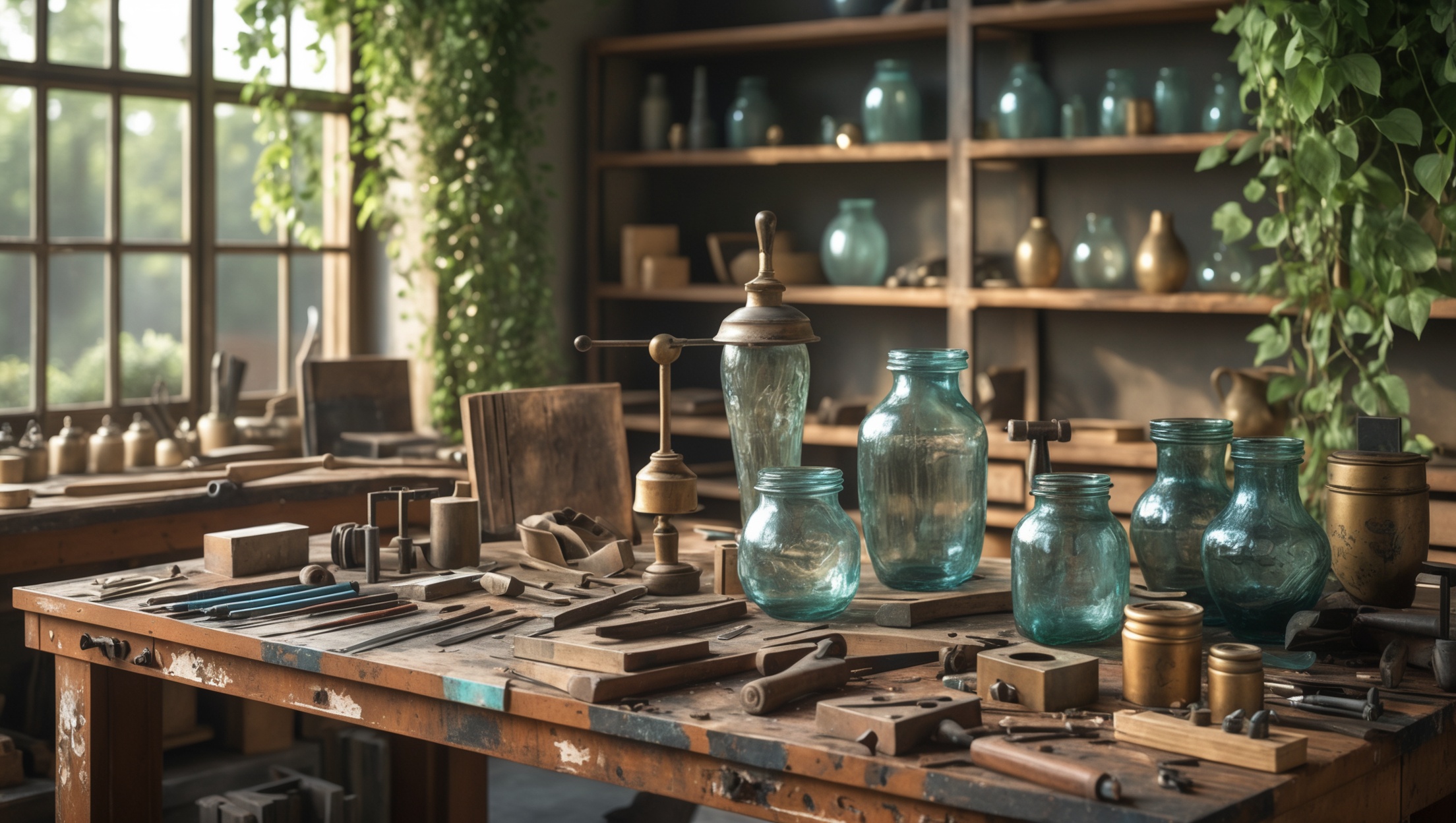
Introduction: Why Upcycling Myths Matter
Upcycling and creative salvage have grown from niche hobbies into essential pillars of sustainable living. Yet, as the community expands and more people discover the joy of transforming discarded materials into functional art, misinformation proliferates. Myths and misconceptions about upcycling can deter beginners, waste resources, or even lead to unsafe practices. Whether you’re a weekend DIYer or an experienced salvager, separating fact from fiction is key to maximizing your impact and enjoyment. In this comprehensive post, we’ll tackle the most persistent myths about upcycling, explain the realities behind them, and provide actionable insights to help you make informed, eco-conscious decisions. From misconceptions about material safety to the economics of creative salvage, prepare to have your assumptions challenged and your skills sharpened.
Myth #1: Upcycled Items Are Always Cheaper Than New
The Origins of the Myth
Many are drawn to upcycling believing it will save money. After all, if the materials are salvaged or free, shouldn’t the final product cost less than buying new? This assumption is widespread but often misleading.
The Reality: Costs Beyond Materials
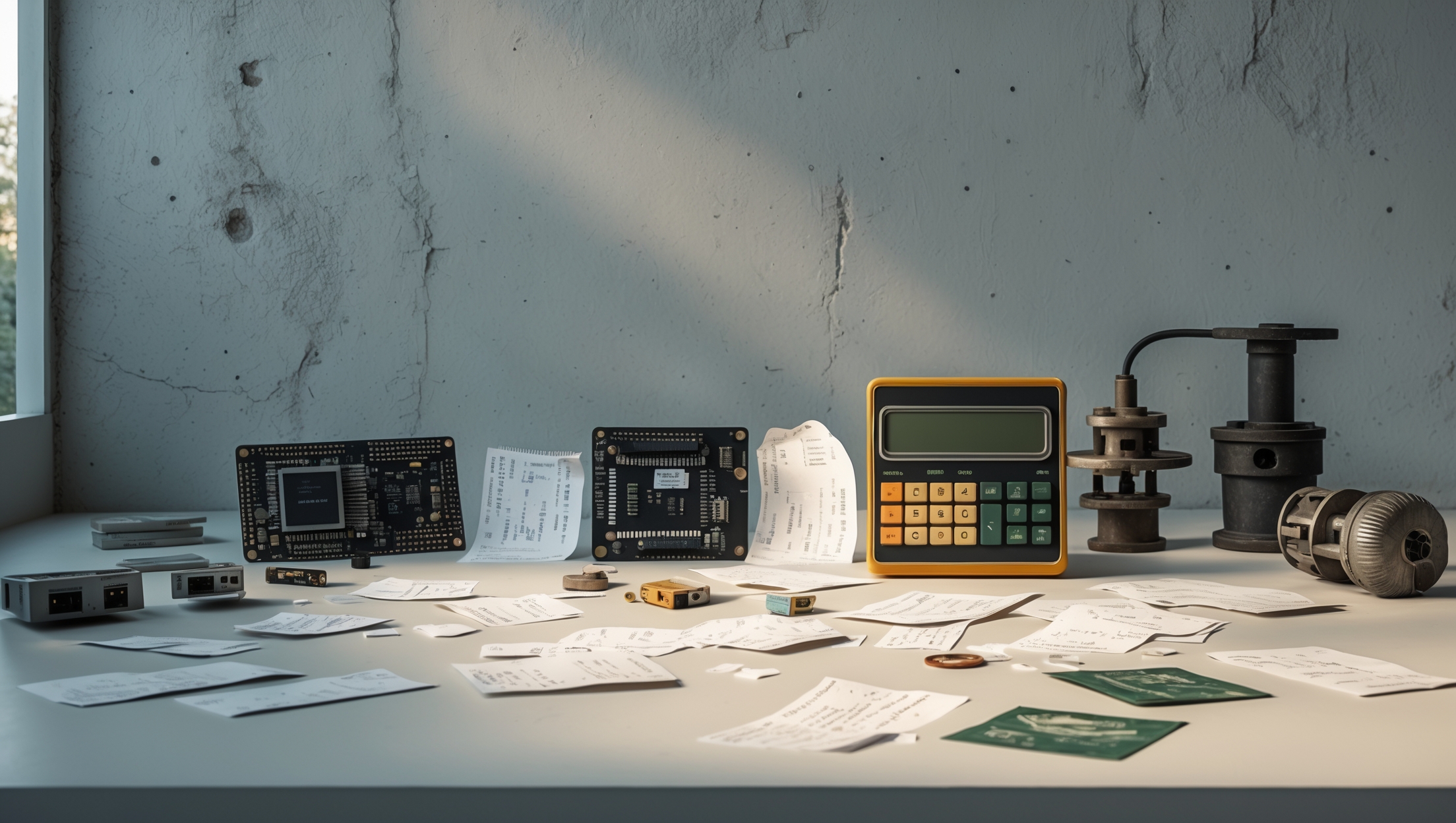
While upcycling can offer savings, several hidden costs frequently go overlooked:
- Restoration Supplies: Cleaners, sandpaper, paints, finishes, and adhesives add up quickly.
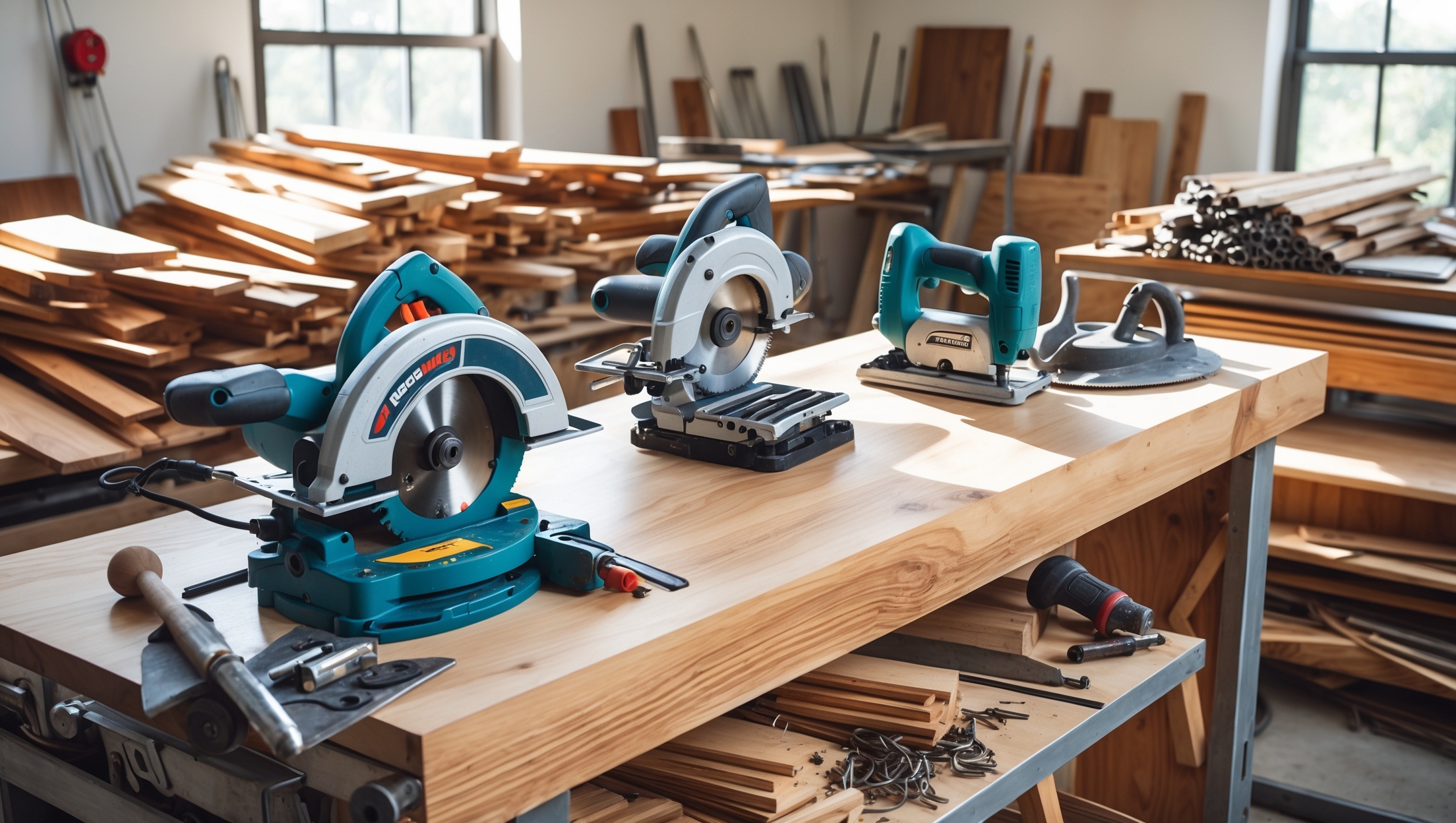
- Tools: Purchasing or maintaining the right tools can require serious investment, especially for larger projects.
- Time: Upcycling demands patience, research, and labor. Your time has value, even if you enjoy the craft.
- Mistakes: Trial and error are part of the process, and errors can result in wasted materials or the need to restart.
In some cases, the finished upcycled item may rival or even exceed the cost of a new mass-produced equivalent—though it will be more unique and sustainable. Savvy upcyclers track expenses, repurpose tools, and plan projects to maximize value.
Myth #2: Any Old Material Is Safe to Upcycle
Why Safety Matters
Enthusiasm for creative salvage sometimes leads to poor material choices. It’s easy to assume that all discarded materials are fair game for upcycling. Unfortunately, this is not true, and safety should never be compromised.
Hidden Hazards in Salvaged Materials
- Lead Paint: Common in pre-1978 woodwork and furniture, lead paint dust is hazardous when sanded or cut.
- Asbestos: Found in old insulation, tiles, and adhesives, asbestos fibers can cause serious health issues if disturbed.
- Mold and Pests: Salvaged wood or upholstery may harbor mold spores, insects, or rodent waste.
- Treated Wood: Pressure-treated lumber (especially pre-2004) may contain toxic chemicals unsuitable for indoor or food-contact use.
Best Practices for Safe Upcycling
- Test for lead paint before sanding or stripping old surfaces.
- Research the origins of salvaged materials and avoid those with unknown or hazardous histories.
- Wear appropriate personal protective equipment (PPE) such as gloves, masks, and goggles.
- Consult local regulations regarding disposal of hazardous waste and safe handling procedures.
Myth #3: Upcycling Is Only for Artisans and Experts
The Myth’s Roots
Scrolling through social media, it’s easy to feel intimidated by flawless upcycled creations. This fuels the belief that you need advanced skills or expensive tools to participate in upcycling.
The Reality: Upcycling Is for Everyone
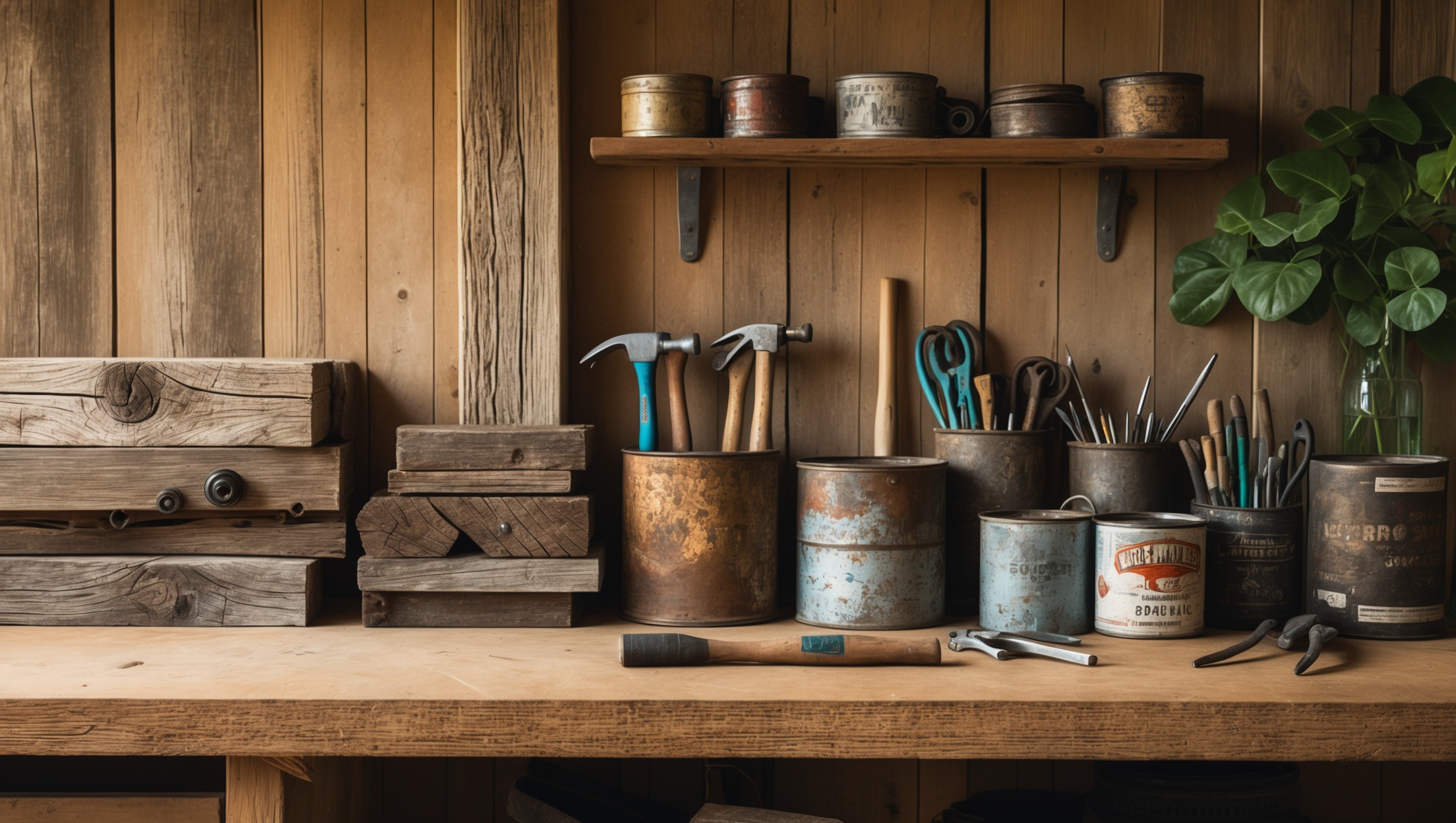
Upcycling is inherently accessible. While some projects do demand specialized skills, many require only basic tools and a willingness to learn. Starting small—like turning jars into planters or reviving a simple chair—builds confidence and expertise over time. Online tutorials, workshops, and community groups make it easier than ever to learn new techniques regardless of your starting point.
Myth #4: Upcycled Goods Are Inferior in Quality
Understanding the Stigma
Some buyers and makers assume that upcycled items are less durable or valuable than new products. This misconception persists despite evidence to the contrary.
The Truth About Upcycled Quality
- Material Value: Many salvaged materials, such as old-growth timber or vintage hardware, are superior to modern equivalents.
- Craftsmanship: Upcycling often involves more attention to detail than mass production, resulting in higher-quality finishes.
- Longevity: Properly restored and finished upcycled goods can outlast cheap, factory-made alternatives.
Quality varies based on skill, materials, and process—not the fact that something is upcycled. Well-made upcycled products are often valued for their uniqueness and durability.
Myth #5: Upcycling Has Minimal Environmental Impact
Assessing the Green Credentials
Many upcyclers start with the aim of reducing waste and environmental harm. However, the belief that upcycling is always ‘green’ needs nuance.
Environmental Realities
- Transportation: Hauling salvaged materials long distances or using non-efficient vehicles can offset environmental gains.
- Finishes and Adhesives: Some paints, varnishes, and sealants release VOCs or contain petrochemicals.
- Energy Use: Power tools, heating, or chemical strippers may consume significant energy, especially for large projects.
To maximize sustainability, opt for local materials, low-VOC finishes, and energy-efficient tools. Consider the full lifecycle of your project, not just the materials you save from the landfill.
Myth #6: Upcycling Is Only About Furniture
Expanding the Definition
Furniture restoration is a popular entry point, but upcycling encompasses a much broader spectrum:
- Home Decor: Mirrors, planters, lighting, and wall art from salvaged components.
- Fashion: Clothing, bags, and jewelry created from vintage fabrics and hardware.
- Outdoor Spaces: Raised beds, trellises, and garden art from reclaimed materials.
- Utility Items: Storage solutions, kitchen organizers, and tool racks from unexpected sources.
Thinking beyond furniture opens up new creative possibilities and increases the impact of your salvage efforts.
Myth #7: Upcycling Is Just a Passing Trend
The Truth Behind the Trend
Some dismiss upcycling as a fad, destined to fade as new styles emerge. However, the drive to repurpose and conserve resources is deeply rooted in human history. Today’s upcycling movement is a response to overconsumption and waste, and its relevance is only increasing as environmental pressures mount.
Long-Term Viability
- Economic Factors: Rising material costs and supply chain disruptions make salvage attractive and practical.
- Community Building: Upcycling fosters collaboration, skills-sharing, and local entrepreneurship.
- Legislation: Many municipalities now encourage or mandate material recycling and reuse.
Upcycling is evolving, not disappearing. Its flexibility and adaptability ensure it will remain central to sustainable living for generations to come.
Myth #8: Upcycling Projects Rarely Turn Out as Planned
Managing Expectations
Frustration is common when a project doesn’t match your vision. This can lead to the belief that upcycling is inherently unpredictable or frustrating.
Strategies for Success
- Planning: Sketch your ideas, measure twice, and research techniques before starting.
- Flexibility: Be open to unexpected outcomes. Sometimes, materials suggest new directions.
- Skill Development: Practice makes perfect. Mistakes are part of the learning curve.
- Documentation: Keep a project journal with notes on what worked (and what didn’t) for future reference.
With preparation and patience, most upcycling projects can meet—or exceed—your expectations.
Myth #9: Upcycling Is Not Profitable
Understanding the Economics
Some believe that it’s impossible to earn a meaningful income from upcycled goods due to competition with cheap, mass-produced items.
Profitability Factors
- Market Niche: Unique, story-rich products often command premium prices in the right markets.
- Branding: Savvy marketing and storytelling increase perceived value.
- Efficiency: Streamlining processes and sourcing materials strategically improves margins.
Hundreds of artisans and small businesses thrive by selling upcycled goods locally and online. Profitability depends on skill, market understanding, and efficient workflows—not the concept of upcycling itself.
Myth #10: Upcycling Is Too Time-Consuming
Balancing Time and Satisfaction
It’s true that intricate upcycling projects require time, but not every transformation demands a full weekend or more. Many effective upcycles can be completed in a few hours, especially with preparation and the right tools.
Tips for Time-Efficiency
- Batch similar tasks (sanding, painting) for multiple projects at once.
- Use quick-drying finishes and adhesives when appropriate.
- Set realistic goals and enjoy the process rather than rushing.
Ultimately, the time invested is often part of the reward. Upcycling offers a chance to slow down and create something meaningful.
Conclusion: Rewriting the Upcycling Narrative
Dispelling common myths about upcycling is more than just correcting misinformation—it’s about empowering creative salvagers to make informed, impactful choices. Whether you’re embarking on your first project or refining your craft, understanding the realities behind these myths enables you to:
- Prioritize safety and sustainability in every decision.
- Plan projects with realistic expectations and budgets.
- See the value in your time, skills, and the materials you rescue.
- Find satisfaction in learning, adapting, and sharing your journey with others.
Upcycling is not just a hobby or a passing trend—it’s a creative response to global challenges of waste, overconsumption, and environmental stewardship. By debunking these myths, you’re better equipped to harness the full potential of creative salvage, transforming not only materials but also mindsets. Your projects, no matter the scale, contribute to a more sustainable and imaginative world. So the next time you hear a myth about upcycling, you’ll know the truth—and you’ll be ready to share it, inspire others, and keep the sustainable living movement growing. Happy salvaging!